
When traveling or living abroad, it’s fascinating to discover that everyday items can vary significantly in price from one country to another. This disparity can be attributed to various factors such as local production costs, taxes, and market demand. Here, we explore 15 everyday items that are often cheaper in other countries compared to the United States, offering insights into global pricing trends and economic factors.
Prescription Medications

Prescription medications are a prime example of items that can be significantly cheaper outside the United States. In many countries, governments regulate drug prices, which often results in lower costs for consumers. For instance, in Canada and several European nations, the government negotiates directly with pharmaceutical companies to keep prices affordable. This contrasts sharply with the U.S., where drug prices are largely determined by market forces, often leading to higher costs for consumers. The disparity in medication pricing highlights the impact of different healthcare systems on consumer expenses.
Healthcare Services

Healthcare services, including doctor visits and medical procedures, are generally less expensive in countries with universal healthcare systems. In nations like the United Kingdom and Australia, healthcare is funded through taxation, allowing residents to access services at little to no direct cost. This system contrasts with the U.S., where healthcare expenses can be a significant financial burden for individuals without comprehensive insurance coverage. The cost differences underscore the broader implications of healthcare policy on personal finances. For more information on how the U.S. healthcare system compares to other countries, you can visit this article.
Public Transportation
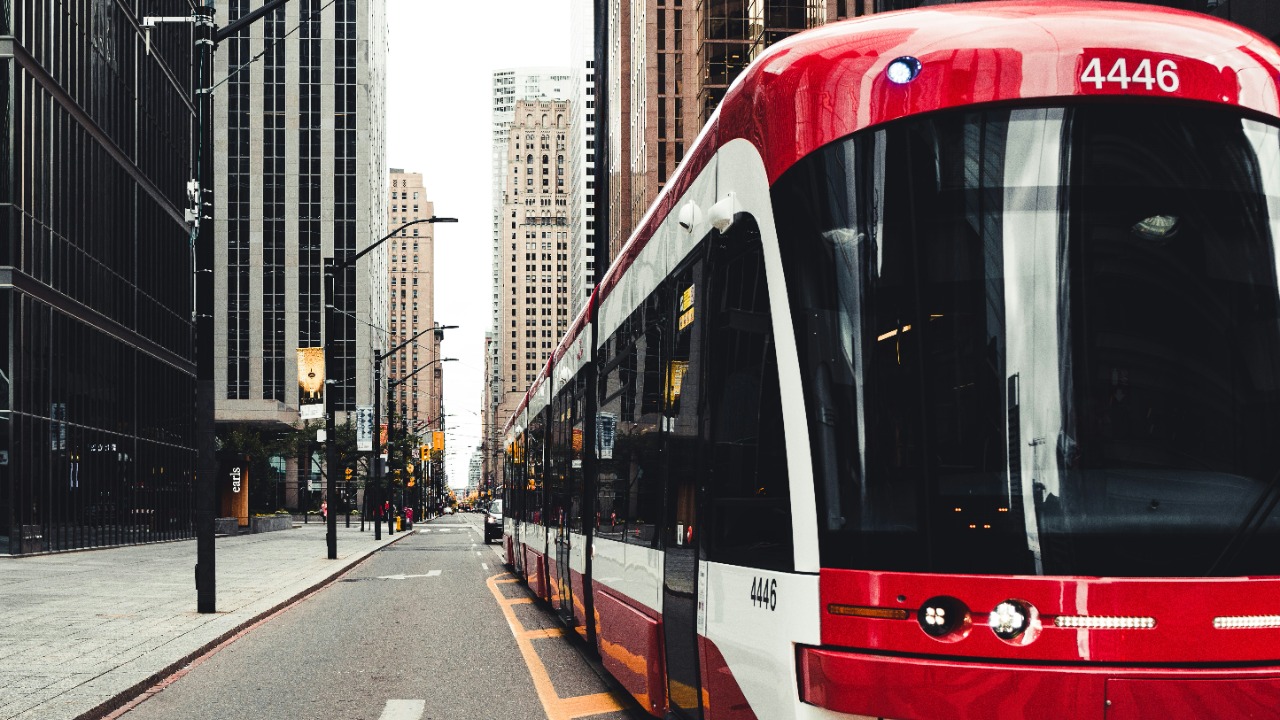
Public transportation is another area where costs can vary widely. In cities like Tokyo and Berlin, efficient and affordable public transit systems offer a stark contrast to many U.S. cities, where public transportation can be limited and more expensive. The availability of subsidized transit options in these cities not only reduces the cost for daily commuters but also encourages the use of public transport over private vehicles, contributing to lower traffic congestion and pollution.
Mobile Phone Plans
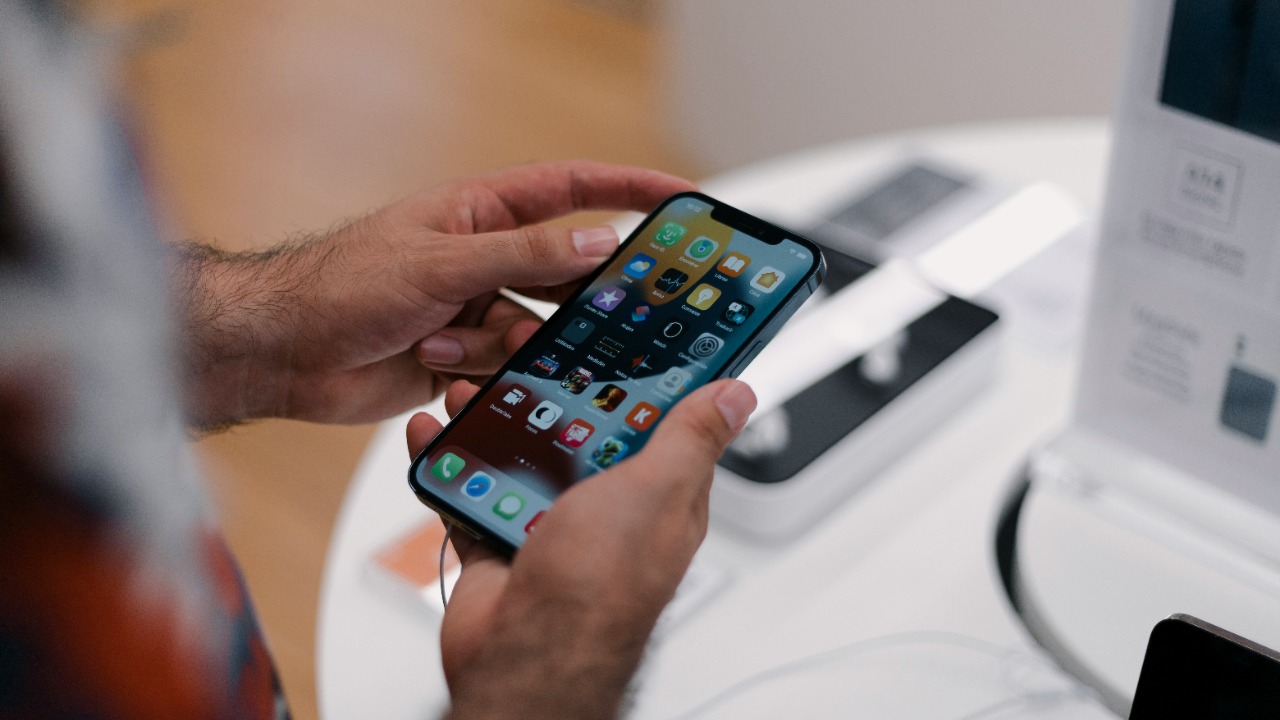
Mobile phone plans are often cheaper in countries with competitive telecommunications markets. For example, in India and some European countries, consumers benefit from lower prices due to intense competition among providers. In contrast, the U.S. market is dominated by a few major carriers, which can lead to higher prices for similar services. This difference highlights the role of market competition in determining consumer costs and the potential savings available in more competitive markets.
Groceries

Groceries, particularly fresh produce, can be more affordable in countries with favorable climates for agriculture. In countries like Spain and Italy, the abundance of locally grown fruits and vegetables helps keep prices low. Additionally, local markets and shorter supply chains contribute to reduced costs for consumers. This contrasts with the U.S., where imported produce and longer supply chains can increase grocery prices, especially for out-of-season items.
Clothing
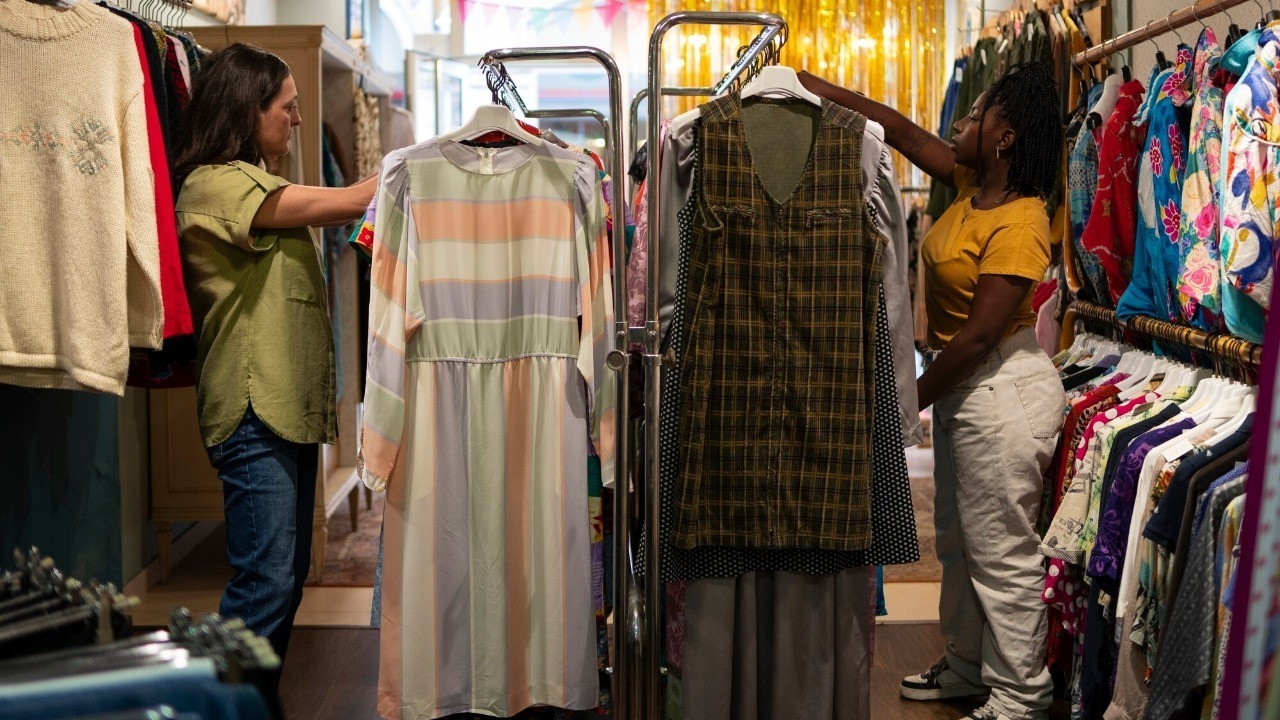
Clothing prices can be lower in countries with strong local manufacturing industries. For instance, in countries like Bangladesh and Vietnam, the presence of large textile industries allows for cheaper clothing prices due to lower production costs. In contrast, clothing in the U.S. often includes higher markups due to import tariffs and brand premiums. This price difference illustrates the impact of local manufacturing capabilities on consumer costs.
Dining Out

Dining out is generally more affordable in countries with lower labor and food costs. In Southeast Asian countries like Thailand and Vietnam, street food and local eateries offer delicious meals at a fraction of the cost of dining out in the U.S. The lower cost of living and abundant local ingredients contribute to these savings, making dining out a more accessible option for residents and tourists alike.
Alcohol

Alcohol prices can vary significantly due to differences in taxation and production costs. In countries like France and Italy, where wine production is a major industry, local wines are often available at lower prices compared to the U.S. Similarly, beer is cheaper in countries like Germany and Belgium, where local breweries benefit from economies of scale. These price differences highlight the influence of local production and tax policies on consumer costs.
Electronics

Electronics, such as smartphones and laptops, can be cheaper in countries with lower import duties and taxes. In markets like Hong Kong and Singapore, consumers benefit from lower prices due to favorable tax policies and competitive retail environments. In contrast, the U.S. often imposes higher tariffs on imported electronics, which can increase prices for consumers. This disparity underscores the impact of trade policies on consumer electronics pricing.
Books

Books can be more affordable in countries with lower production costs and government subsidies for publishing. In countries like India, books are often priced lower due to reduced printing costs and government support for literacy programs. This contrasts with the U.S., where higher production costs and market-driven pricing can result in more expensive books. The difference in book pricing reflects broader cultural and economic factors influencing the publishing industry.
Gasoline

Gasoline prices are often lower in countries with abundant natural resources and government subsidies. In oil-rich countries like Saudi Arabia and Venezuela, consumers enjoy significantly lower fuel prices compared to the U.S. These lower prices are a result of government policies aimed at subsidizing fuel costs for residents. The contrast in gasoline pricing highlights the impact of natural resource availability and government intervention on consumer expenses.
Utilities
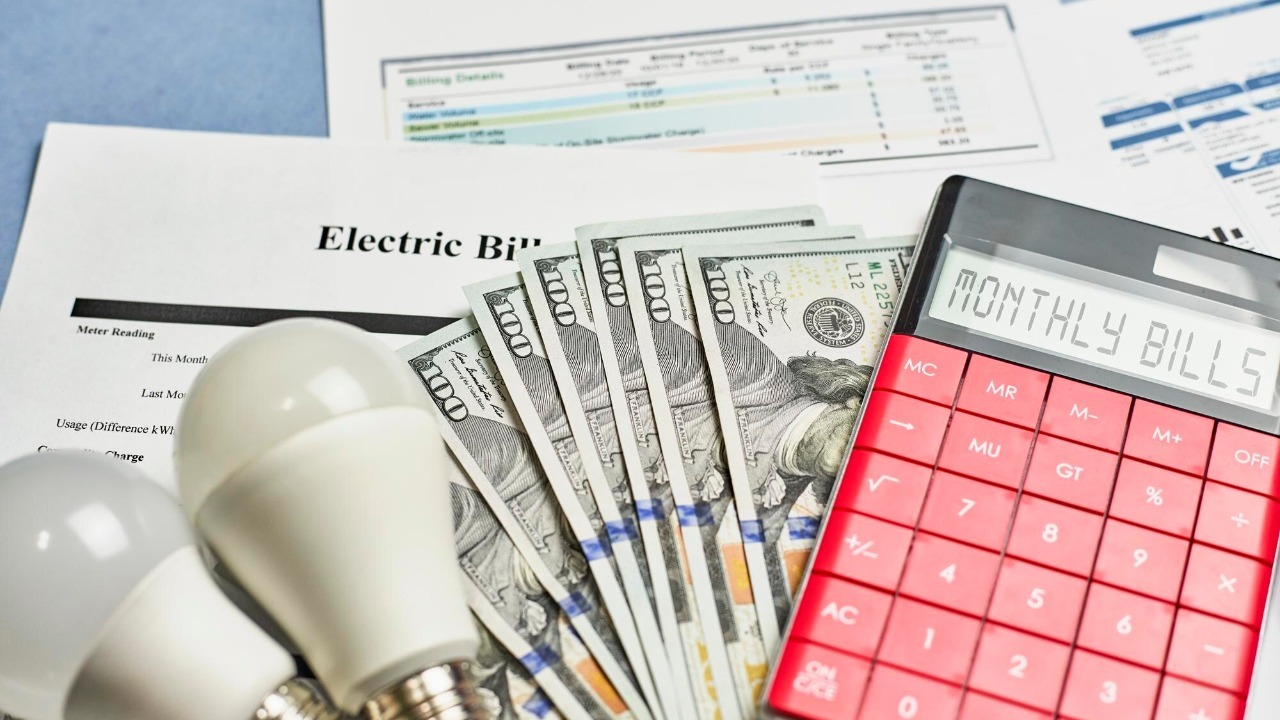
Utilities, including electricity and water, can be cheaper in countries with abundant natural resources and efficient infrastructure. In countries like Norway and Iceland, the availability of renewable energy sources such as hydropower and geothermal energy contributes to lower utility costs. In contrast, utility prices in the U.S. can be higher due to reliance on fossil fuels and aging infrastructure. This difference underscores the role of resource availability and infrastructure investment in determining utility costs.
Education

Education costs, particularly higher education, can be significantly lower in countries with government-funded systems. In countries like Germany and Sweden, university education is often free or available at a nominal cost to residents, contrasting sharply with the high tuition fees in the U.S. This disparity highlights the impact of government funding and policy on education affordability and access.
Childcare

Childcare costs can be lower in countries with government-subsidized programs. In countries like France and Denmark, government support for childcare services helps reduce costs for families, making it more affordable compared to the U.S., where childcare expenses can be a significant financial burden. The difference in childcare costs reflects broader social policies aimed at supporting families and promoting work-life balance.
Housing

Housing costs can vary widely depending on local market conditions and government policies. In countries with strong rent control measures and affordable housing initiatives, such as Austria and Singapore, residents often benefit from lower housing costs. In contrast, housing prices in the U.S. can be driven up by market demand and limited supply, leading to higher costs for buyers and renters. This disparity underscores the influence of policy and market dynamics on housing affordability.

Cole Whitaker focuses on the fundamentals of money management, helping readers make smarter decisions around income, spending, saving, and long-term financial stability. His writing emphasizes clarity, discipline, and practical systems that work in real life. At The Daily Overview, Cole breaks down personal finance topics into straightforward guidance readers can apply immediately.

