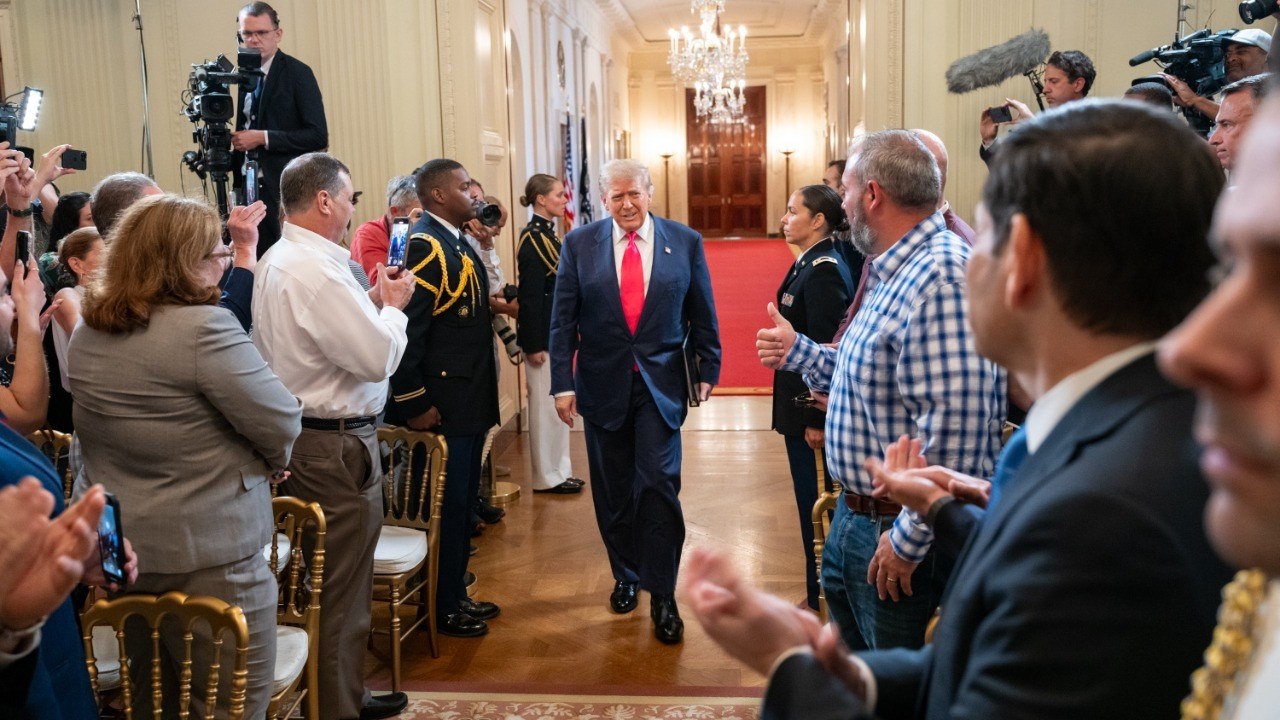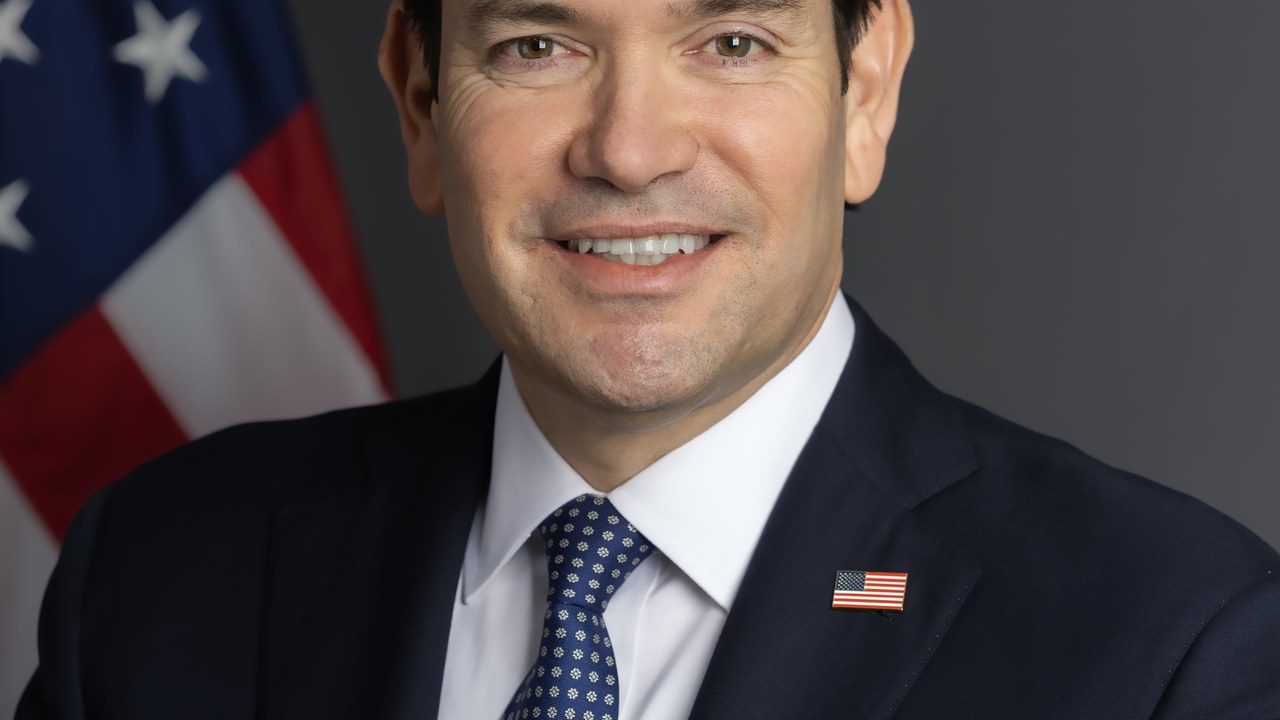
The Trump administration has turned a long-debated idea into policy reality, opening a premium immigration lane for the ultra-wealthy that trades cash for speed. The new “gold card” visa promises a fast track to U.S. residency, and eventually citizenship, for applicants willing to put at least $1 million on the table.
By formally launching a program that pairs a seven-figure contribution with government vetting, President Donald Trump is testing how far a White House can go in monetizing access to the American immigration system without explicit new legislation.
What the Trump Gold Card actually offers
At its core, the Trump Gold Card is marketed as a shortcut into the American system for people who can afford to pay for it. The official portal, branded as TrumpCard.gov, presents the card as a premium immigration product that sits above traditional visas and green cards, with its own application flow and promises of faster processing for those who qualify through wealth and background checks, as laid out on the official website.
Program materials describe a two-step financial commitment: a nonrefundable government fee followed by a much larger contribution that unlocks residency. The site specifies that “For a $15,000 DHS processing fee* and, after background approval, a contribution of $1 million, receive U.S. residency in record time,” explicitly tying the $15,000 payment to vetting by DHS and making clear that additional costs may apply depending on the applicant, a structure detailed in the application language on $15,000 DHS processing.
How the application process works
The administration is pitching the rollout as a streamlined, digital-first experience that begins with an online form and a wire transfer rather than a consular line. Officials and promotional materials emphasize that applications have already gone live for the Trump Gold Card, with video explainers walking prospective buyers through the steps and promising that once the money and documents are in, the government will move quickly, a message underscored in coverage noting that Applications are now being accepted.
Supporters inside the administration frame the card as “like a green card, but much better,” promising not just residency but a suite of VIP-style benefits that hinge on the applicant’s ability to clear security checks and move money quickly. Promotional clips describe the Trump Gold Card as a product that offers advantages over a Green Card, including faster movement toward citizenship and enhanced travel and work flexibility, language echoed in video segments that introduce the Trump Gold Card as a premium path.
The $1 million price tag and who qualifies
The headline number is simple enough: a $1 million contribution, on top of the $15,000 fee, buys entry into the program for a single person, with higher tiers hinted at for families and larger investments. Commerce Secretary Howard Lutnick has publicly described the initiative as a visa program that “goes live” with visas starting at $1 million per person, pairing that figure with assurances that the vetting process will be thorough and that the government is not simply selling passports, a framing laid out when Commerce Secretary Howard Lutnick promoted the launch.
Eligibility, at least on paper, is not supposed to be purely about cash, although the financial threshold is the defining feature. The administration says the visa is intended for individuals who can provide “substantial benefit” to the United States, language that folds in entrepreneurs, investors, and high-earning professionals, and officials have stressed that the program is aimed at the “top, top” tier of global talent, a description that appears in interviews explaining that the visa is for those who can significantly contribute to the United States.
How it plugs into existing EB-1 and EB-2 visas
Behind the glossy branding, the Trump Gold Card is not a wholly new immigration category so much as a premium lane into existing ones. According to legal analysis that cites the program’s own materials, successful applicants are ultimately slotted into the EB-1 and EB-2 employment-based visa categories, which already exist in U.S. law for people with extraordinary ability or advanced degrees, with the “gold” label functioning as a fast-pass that moves them to the front of the line and accelerates their path to a green card, a structure described in detail in commentary that notes that, According to the official website, the card is a fast-track mechanism.
That design choice is not accidental, and it sits at the heart of the legal and political debate. By nesting the program inside EB-1 and EB-2, the White House is arguing that it is not creating a new immigration class that would require Congress, but instead is re-prioritizing who gets processed first within categories that already exist, a distinction that critics say stretches executive authority and that supporters say is a legitimate use of administrative discretion.
What the official branding reveals
The branding around the Trump Gold Card is unusually personal for a government immigration program, and that is part of the point. The very name, and the decision to host the application portal at a site that prominently features the Trump Card label, underscores how closely the initiative is tied to the president’s political identity and his long-standing habit of turning his surname into a product line, a connection that is visible in reference materials that list the Trump Gold Card and Trump Card website together.
That fusion of public policy and personal brand is not just aesthetic. It shapes how the program is being sold abroad, where marketing materials lean heavily on Trump’s image as a dealmaker who can deliver access others cannot. The decision to call the product a “card” rather than a visa or permit also signals a consumer-style experience, something closer to an elite credit card than a bureaucratic document, which may appeal to the global wealthy but also fuels criticism that the United States is turning citizenship into a luxury good.
Why critics call it ‘pay to play’
Opponents of the program see the gold card as the purest expression yet of a “pay to play” immigration system that privileges wealth over need or merit. They argue that by explicitly tying residency and a path to citizenship to a $1 million contribution, the administration is inviting abuse and creating a backdoor for oligarchs, politically exposed persons, and others who might use money to launder reputations or escape accountability, concerns that are captured in reporting that describes how Gold Card critics warn the program could be abused.
Ethics watchdogs also point to the broader message the policy sends at a time when the same administration is cracking down on undocumented migrants and tightening asylum rules. To them, the juxtaposition is stark: harsh enforcement for those who arrive with nothing, and a velvet rope for those who can wire seven figures, a contrast that is likely to fuel legal challenges and political attacks as the program moves from launch to real-world approvals.
The legal fight over presidential power
Legal experts are already questioning whether the president has the authority to create such a sweeping wealth-based pathway without Congress. One detailed critique argues that by effectively selling a direct route to residency and eventual citizenship, the administration may have exceeded the president’s legal powers, and it notes that applicants for the Trump immigration “gold cards” could be left out of pocket if courts later strike the program down, a warning raised in analysis that highlights how Your support for legal challenges could determine its fate.
Some of the sharpest criticism comes from within the immigration law community itself. George Fishman, identified as a senior legal fellow at the Center for Immigration Studies and a deputy general counsel at the Department of Homela, has been cited as arguing that the president cannot unilaterally create a new visa pathway without an act of Congress, a position that goes directly to the heart of whether the gold card can survive judicial scrutiny and that is laid out in commentary quoting George Fishman on the limits of executive power.
How it fits Trump’s broader immigration agenda
The gold card does not exist in a vacuum; it slots neatly into President Trump’s broader effort to reshape the immigration system around wealth and perceived economic value. Earlier in his tenure, he pushed for merit-based reforms and higher income thresholds for family sponsorship, and the new card takes that logic to its extreme by offering what one report describes as a $1m “gold card” immigration visa that gives wealthy foreigners a direct path to citizenship, even as the administration ramps up deportations and increases fees for other migrants, a contrast highlighted in coverage noting that Trump launched the $1m card while also focusing on deporting undocumented migrants.
Supporters inside the administration argue that attracting wealthy investors and top-tier talent will ultimately benefit American workers by creating jobs and funding new ventures. Critics counter that the benefits are speculative and that the program risks deepening global inequality by offering a golden parachute to the rich while shutting the door on refugees and low-income migrants, turning the American dream into something that can be bought rather than earned.
What happens next for would-be buyers
For now, the program is live, the website is up, and the first wave of applications is reportedly in motion. Promotional videos and official statements emphasize that the government is ready to process files and that the vetting will be “the most rigorous ever,” even as outside analysts warn that the sheer size of the required contribution will limit the pool to a tiny global elite and raise questions about how those funds are tracked and used, concerns that have already surfaced in early coverage of TrumpCard.gov as a new kind of gateway.
Whether the Trump Gold Card becomes a permanent fixture of U.S. immigration policy or a short-lived experiment will depend on three forces that are only beginning to take shape: demand from the world’s wealthy, the aggressiveness of legal challenges, and the willingness of Congress to either bless or block a program that turns residency into a million-dollar product. For applicants weighing whether to wire their money, the bet is not just on America, but on the durability of a policy that has already sparked a global argument over what a U.S. visa should be worth.
More From TheDailyOverview

Grant Mercer covers market dynamics, business trends, and the economic forces driving growth across industries. His analysis connects macro movements with real-world implications for investors, entrepreneurs, and professionals. Through his work at The Daily Overview, Grant helps readers understand how markets function and where opportunities may emerge.