
Despite their vast wealth, many billionaires are known for surprisingly thrifty habits. Notable figures include Warren Buffett, who famously lives in the same house he bought in 1958, and Mark Zuckerberg, known for driving a modest car rather than a luxury vehicle. In Australia, recent reports highlight that many millionaires maintain their wealth through simple, frugal living.
Warren Buffett: The Frugal Oracle
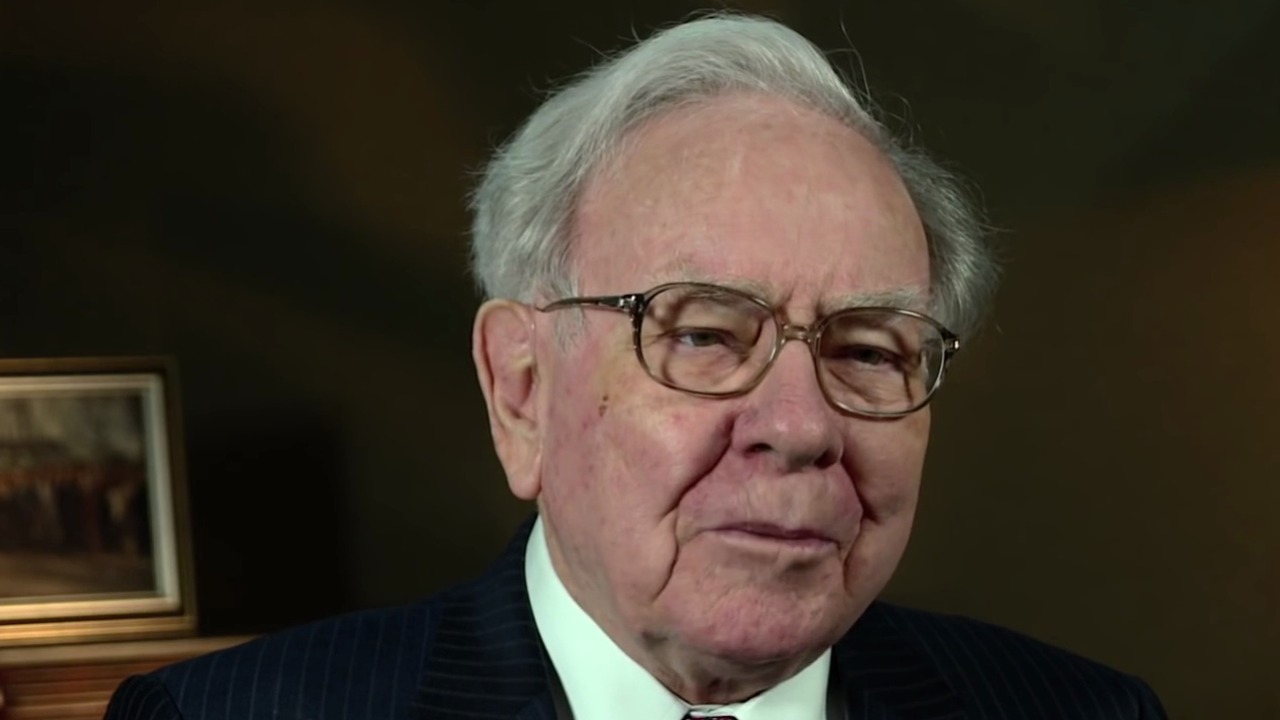
Warren Buffett, often referred to as the “Oracle of Omaha,” exemplifies frugality despite his immense fortune. He continues to reside in the same house in Omaha, Nebraska, which he purchased for $31,500 in 1958. This choice reflects his belief in value over extravagance, a principle that extends to his everyday life. Buffett is known for his modest spending habits, including a preference for affordable dining and simple living. His approach to wealth is not just about accumulation but also about maintaining a lifestyle that aligns with his values.
Buffett’s frugality is not just a personal choice but a philosophy that has influenced his business decisions. He has consistently advocated for investing in value and avoiding unnecessary expenses, a strategy that has contributed to his success. His lifestyle serves as a testament to the idea that wealth does not necessitate lavish spending, a lesson that resonates with many aspiring investors and entrepreneurs.
Mark Zuckerberg: Modesty Amidst Wealth

Mark Zuckerberg, the co-founder of Facebook, is another billionaire known for his modest lifestyle. He is often seen driving a Volkswagen GTI, a car notably less flashy than the luxury vehicles typical of billionaires. This choice underscores his preference for functionality over ostentation. Zuckerberg’s approach to wealth is further reflected in his wardrobe, as he is frequently seen wearing simple t-shirts and hoodies, emphasizing comfort and practicality over high fashion.
Zuckerberg’s frugality extends beyond his personal life into his professional ethos. By focusing on innovation and efficiency, he has built a company that prioritizes user experience and accessibility. His lifestyle choices serve as a reminder that success can be achieved without succumbing to the trappings of wealth, a perspective that continues to influence his leadership style and business strategies.
Carlos Slim: Budget-Conscious Billionaire

Mexican business magnate Carlos Slim is renowned for his frugal lifestyle, which includes living in the same house for over 40 years. Slim’s approach to wealth is characterized by a deliberate avoidance of extravagance and luxury. Despite his financial status, he opts for a simple lifestyle, focusing on investments and business ventures that align with his values.
Slim’s commitment to frugality is evident in his business practices as well. He emphasizes efficiency and cost-effectiveness, principles that have guided his successful ventures across various industries. His lifestyle and business acumen demonstrate that wealth can be managed prudently, with a focus on long-term growth and sustainability.
Beyond his personal lifestyle, Slim’s business philosophy is deeply rooted in efficiency and sustainability. He has often emphasized the importance of reinvesting profits into his businesses rather than indulging in personal luxuries. This approach has allowed him to expand his empire across telecommunications, retail, and finance, solidifying his status as one of the world’s wealthiest individuals. Slim’s commitment to simplicity is also reflected in his philanthropic efforts, where he focuses on impactful, long-term projects rather than short-term, high-profile donations. His belief in creating value through strategic investments and prudent management continues to influence his business operations and personal life, showcasing that wealth can be both substantial and responsibly managed.
Australian Millionaires: Wealth Through Simplicity

In Australia, many millionaires attribute their wealth to maintaining frugal habits, such as careful budgeting and avoiding unnecessary expenses. Reports indicate that these individuals prioritize investments and saving over lavish spending, demonstrating that a simple approach to finances can lead to significant wealth. This mindset is reflected in their daily choices, from modest living arrangements to prudent financial planning.
Their success stories highlight the importance of financial discipline and strategic planning. By focusing on long-term goals and avoiding the pitfalls of excessive spending, these millionaires have built substantial wealth. Their experiences serve as a valuable lesson for those seeking financial independence, illustrating that simplicity and prudence can pave the way to prosperity.
These Australian millionaires often attribute their financial success to a disciplined approach to money management, which includes living below their means and making informed investment choices. Many of them prioritize financial education, ensuring they understand the intricacies of the markets they invest in. This knowledge allows them to make strategic decisions that enhance their wealth over time. Additionally, they often focus on building diverse investment portfolios that include real estate, stocks, and other assets, providing a balanced approach to risk and reward. Their stories are a testament to the power of financial literacy and the impact of consistent, disciplined savings and investment strategies. By maintaining a focus on long-term financial health rather than short-term gains, these individuals exemplify how simplicity and prudence can lead to enduring prosperity.
Ingvar Kamprad: The Thrifty Founder of IKEA
![Image Credit: Ministry of Enterprise, Energy and Communications of Sweden/Sandra Baqirjazid] - CC BY 2.0/Wiki Commons](https://thedailyoverview.com/wp-content/uploads/2025/10/crop-683.jpg)
Ingvar Kamprad, the founder of IKEA, was known for his frugal habits, including flying economy class and driving an old Volvo. Kamprad’s commitment to thriftiness was reflected in both his personal and professional life, influencing IKEA’s business model of affordable furniture. His approach to business was rooted in the belief that quality and affordability could coexist, a philosophy that has made IKEA a global success.
Kamprad’s lifestyle choices were not just about saving money but about embodying the values he championed. His dedication to simplicity and efficiency has left a lasting impact on the retail industry, inspiring other entrepreneurs to adopt similar principles. Kamprad’s legacy is a testament to the power of frugality and innovation, demonstrating that success can be achieved without compromising on values.
20 Billionaires With Surprisingly Frugal Habits
Warren Buffett
Mark Zuckerberg
Carlos Slim
Ingvar Kamprad
Amancio Ortega
Azim Premji
David Cheriton
Chuck Feeney
Jim Walton
John Caudwell
David Green
Leon G. Cooperman
Charlie Ergen
John Collison
Sarah Blakely
Tim Cook
Elon Musk
Jeff Bezos
Michael Bloomberg
Richard Branson
For more insights on frugal billionaires, visit Cheapism, Business Insider, Money, CNBC, and Daily Mail.

Cole Whitaker focuses on the fundamentals of money management, helping readers make smarter decisions around income, spending, saving, and long-term financial stability. His writing emphasizes clarity, discipline, and practical systems that work in real life. At The Daily Overview, Cole breaks down personal finance topics into straightforward guidance readers can apply immediately.
