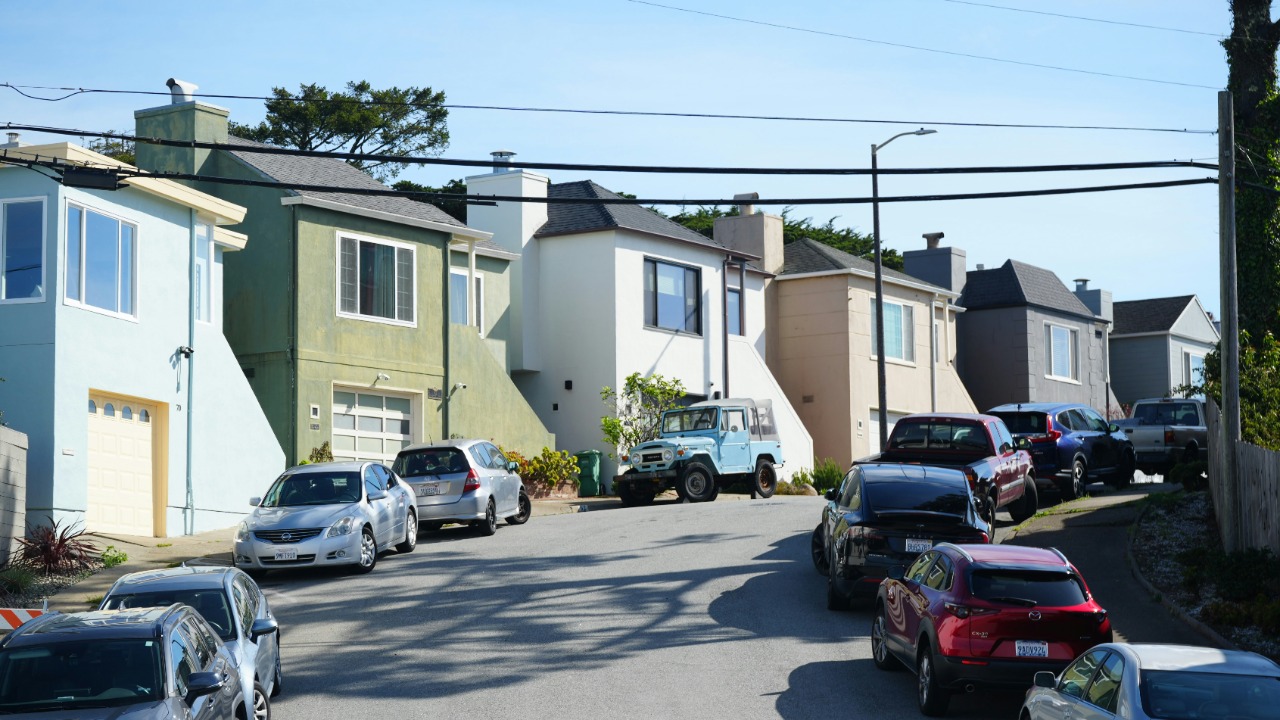
Housing markets that looked unstoppable during the pandemic are now revealing cracks, and some are entering 2026 on especially shaky ground. I focus here on 20 cities repeatedly flagged in recent reporting as vulnerable to corrections or even crashes, highlighting why each market is at risk and what that means for buyers, sellers, and investors trying to navigate the next cycle.
1) Austin, Texas
Austin, Texas, is frequently cited among the 20 housing markets on shaky ground heading into 2026, with concerns centering on how far prices ran ahead of local incomes during the tech-fueled boom. The core reporting on shaky markets identifies Austin as vulnerable because rapid construction and aggressive bidding wars left little margin for error once demand cooled. As new supply hits the market, sellers who bought at peak valuations may find themselves competing on price, especially in outer suburbs where speculative building was most intense.
For homeowners, that raises the risk of flat or negative equity if job growth slows or mortgage rates stay elevated. Investors who counted on double-digit appreciation could instead face longer vacancies and thinner cash flow. I see Austin’s fundamentals as stronger than many Sun Belt peers, but the city’s recent run-up means even a modest economic stumble could translate into noticeable price corrections by 2026.
2) Boise, Idaho
Boise, Idaho, surged during the pandemic as remote workers chased affordability, but the market’s momentum has clearly shifted. Local data show that a continued rise in inventory is signaling a summer reset in the Boise real estate market, with more options and more selective buyers, according to a detailed look at the Boise housing market. That reset aligns with Boise’s inclusion among housing markets on shaky ground heading into 2026, where elevated prices now meet a more cautious pool of buyers.
At the same time, other reporting notes that Boise’s housing market is starting to change in a different way and investors are starting to put money back into the Boise market, as highlighted in a video titled Why Investors Are Rushing Back to BOISE, Idaho in 2025. Inventory trends have not moved in a straight line, with one analysis stating that Inventory levels have trended downward in 2025, once more increasing competition among buyers. I read these mixed signals as evidence of a market in transition, where volatility rather than steady growth is the likeliest path into 2026.
3) Phoenix, Arizona
Phoenix, Arizona, is another Sun Belt standout now flagged among the 20 housing markets on shaky ground heading into 2026. The same framework that captures Austin and Boise points to Phoenix’s sensitivity to interest rate shocks, since so much of its demand came from investors and first-time buyers stretching to afford rapidly rising prices. When borrowing costs climbed, that marginal demand thinned out quickly, leaving some newly built subdivisions with slower absorption and more aggressive incentives.
The city’s job market, heavily tied to construction, logistics, and service work, also leaves Phoenix exposed if national hiring cools. For households that bought with adjustable-rate mortgages or minimal down payments, even a modest price dip could complicate refinancing or selling. I see Phoenix as a textbook example of how quickly a “can’t lose” market can pivot into a higher-risk environment once cheap money disappears.
4) Las Vegas, Nevada
Las Vegas, Nevada, has long been one of the country’s most cyclical housing markets, and it again appears among the 20 housing markets on shaky ground heading into 2026. The city’s dependence on tourism and convention traffic means local incomes can swing sharply when travel or corporate spending slows. That volatility filters directly into housing demand, particularly for second homes and investment properties that were popular during the low-rate era.
As new resorts, entertainment venues, and short-term rentals crowd the landscape, I see a growing risk that some owners will struggle to achieve the nightly rates or occupancy they modeled when they bought. If visitor numbers soften or operating costs rise, those investors may decide to sell, adding supply just as local buyers are becoming more cautious. For Las Vegas, the path into 2026 looks less like a steady climb and more like a series of sharp ups and downs.
5) Miami, Florida
Miami, Florida, stands out not only nationally but globally for its housing risk profile. One ranking of global markets reports that Yet, Miami is the riskiest in the world, while also stressing that this is not a prediction of an impending collapse, as detailed in coverage of how Miami ranked world’s riskiest housing market. In parallel, Miami is listed among the 5 riskiest housing markets to avoid in 2025 that may crash, with analysts citing hurricane exposure, insurance costs, and heavy speculation as key vulnerabilities.
For local owners, the combination of climate risk and rising premiums can erode affordability even if nominal prices hold. Investors who bought preconstruction condos or waterfront homes at lofty valuations face the added uncertainty of changing flood maps and lender requirements. I view Miami as a market where long-term demand may remain strong, but the near-term path could involve sharp price swings and sudden shifts in financing conditions.
6) Denver, Colorado
Denver, Colorado, is another city that rode a powerful in-migration wave only to confront the limits of affordability. The reporting that groups Denver among 20 housing markets on shaky ground heading into 2026 emphasizes how quickly home prices and rents outpaced local wages. As mortgage rates climbed, that affordability squeeze translated into fewer qualified buyers and more households choosing to rent or stay put rather than stretch for a purchase.
Migration patterns also appear to be normalizing, with fewer remote workers relocating from higher-cost coastal markets now that many employers are tightening return-to-office policies. For Denver, that means less external demand to prop up prices at peak levels. I expect the city to remain a long-term magnet, but the next couple of years could look more like a plateau or mild correction than the relentless appreciation residents grew used to.
7) Tampa, Florida
Tampa, Florida, has been one of the state’s hottest markets, yet it now appears in assessments of housing markets on shaky ground heading into 2026. Analysts point to the same structural issues affecting much of Florida, including rising homeowners insurance costs, flood risk, and the potential for more frequent severe storms. Those factors can quickly change the math for buyers who initially focused only on price and lifestyle.
As premiums climb and some insurers retreat from coastal areas, monthly carrying costs for Tampa homes may rise even if sale prices flatten. That dynamic can cool demand at the margins, particularly among retirees and investors who have flexibility about where to buy. I see Tampa’s risk as less about immediate collapse and more about a gradual repricing of what it costs to live near the water in a changing climate.
8) Atlanta, Georgia
Atlanta, Georgia, is highlighted among the 5 riskiest housing markets to avoid in 2025 that may crash, reflecting concerns that its rapid growth could reverse. The analysis of these riskiest 2025 markets notes how investor activity, aggressive flipping, and fast-rising prices have stretched affordability in neighborhoods that were once considered bargains. If job growth slows or investors pull back, that speculative layer of demand could evaporate quickly.
For local buyers, the risk is getting caught at the top of the cycle, especially in fringe suburbs where new construction has been most intense. Sellers who need to move for work or family reasons may find fewer bidders and more pressure to cut prices. I view Atlanta as a bellwether for how other high-growth Southern metros might behave if the broader economy cools.
9) Nashville, Tennessee
Nashville, Tennessee, has transformed from a regional hub into a national destination, but that success has brought growing pains. The city appears among the 20 housing markets on shaky ground heading into 2026, with particular attention on how construction delays and higher financing costs are affecting new projects. Developers who planned multifamily or mixed-use buildings when money was cheap now face tougher underwriting and slower pre-sales.
On the demand side, some would-be buyers are stepping back, either because prices climbed too far or because they are unsure about the trajectory of the local music, tourism, and healthcare industries that power Nashville’s economy. I expect the market to remain fundamentally attractive, yet the near-term risk is that a wave of new supply arrives just as demand is pausing, putting downward pressure on prices and rents.
10) Charlotte, North Carolina
Charlotte, North Carolina, is deeply intertwined with the banking and financial services sector, which shapes both its job base and its housing market. The city’s inclusion among the 20 housing markets on shaky ground heading into 2026 reflects concern that any renewed stress in the banking industry could ripple quickly through local employment. Layoffs or hiring freezes at major institutions would likely hit higher-income households that have driven much of Charlotte’s recent homebuying.
At the same time, the city has seen significant suburban expansion, with new subdivisions and townhome communities catering to commuters. If demand from white-collar workers softens, those outer-ring developments could see slower sales and more incentives. I see Charlotte’s risk profile as closely tied to national financial conditions, making it more cyclical than some similarly sized metros.
11) Seattle, Washington
Seattle, Washington, offers a useful contrast between markets seen as optimistic and those on shakier footing. While some cities are highlighted among the 20 most optimistic housing markets heading into 2026, Seattle is instead flagged for risk because of tech layoffs and high living costs. Reporting on the most optimistic markets underscores how cities with more diversified economies and better affordability profiles may fare better than tech-heavy hubs like Seattle.
As major employers trim staff or slow hiring, demand for high-priced urban condos and single-family homes can cool quickly. Renters who once expected rapid salary growth may be less willing to stretch for a mortgage, particularly given Seattle’s already elevated property taxes and everyday expenses. I see the city’s long-term appeal as intact, but the near-term outlook is clouded by industry-specific headwinds that do not affect every market equally.
12) San Francisco, California
San Francisco, California, is another market singled out among the 5 riskiest housing markets to avoid in 2025 that may crash, reflecting a combination of tech-sector volatility, high costs, and shifting migration patterns. The same analysis that flags Atlanta and Miami points to San Francisco’s steep price declines from peak levels and ongoing office vacancies as warning signs. Remote work has reduced the premium many workers are willing to pay to live near downtown headquarters.
For homeowners who bought during the height of the tech boom, that means grappling with the possibility that values may not rebound quickly. Investors in small multifamily buildings face additional pressure from regulatory changes and softening rents in some neighborhoods. I view San Francisco as a market where structural challenges, including affordability and quality-of-life concerns, could keep it on shaky ground longer than other coastal cities.
13) Portland, Oregon
Portland, Oregon, appears among the 20 housing markets on shaky ground heading into 2026, with analysts pointing to a mix of regulatory complexity and shifting demand. Zoning changes, rent regulations, and permitting timelines have all influenced how and where new housing gets built, sometimes slowing projects or altering their economics. At the same time, some buyers have grown wary of urban cores, preferring suburbs or smaller cities with fewer perceived social challenges.
These forces can contribute to an uneven inventory buildup, where certain segments, such as high-end condos or luxury rentals, see more supply than demand. For Portland, the risk is not an immediate crash but a prolonged period of sluggish sales and modest price declines. I expect investors to be more selective, focusing on neighborhoods with strong amenities and stable tenant bases rather than betting on citywide appreciation.
14) Sacramento, California
Sacramento, California, benefited from spillover demand as Bay Area residents sought more space and relatively lower prices, but that dynamic is now under scrutiny. The city is listed among the 20 housing markets on shaky ground heading into 2026, diverging from more optimistic markets because of wildfire concerns and pricing pressures. As insurance costs rise in fire-prone areas and some buyers reassess the risks of living near the wildland-urban interface, demand for certain suburbs may cool.
At the same time, Sacramento’s prices have climbed enough that its affordability advantage over coastal metros has narrowed. If remote work opportunities shrink or commuting patterns change again, some of the pandemic-era rationale for moving inland could fade. I see Sacramento as vulnerable to a rebalancing where both climate risk and economic shifts temper the breakneck growth of recent years.
15) Orlando, Florida
Orlando, Florida, is closely tied to tourism, theme parks, and convention traffic, making its housing market particularly sensitive to swings in visitor numbers. It appears among the 5 riskiest housing markets to avoid in 2025 that may crash, with analysts warning that any downturn in travel or discretionary spending could quickly hit local employment and housing demand. A separate video analysis of cities in Florida that will crash in 2025 reinforces the idea that the state’s most tourism-dependent metros face outsized volatility.
For Orlando homeowners, that means job security and mortgage stability are more intertwined than in markets with broader economic bases. Investors in short-term rentals are especially exposed if occupancy or nightly rates fall. I expect Orlando’s long-term draw to remain strong, but the path through 2025 and into 2026 could be bumpy, with sharper ups and downs than more diversified cities.
16) Salt Lake City, Utah
Salt Lake City, Utah, experienced a pandemic boom fueled by tech jobs, outdoor amenities, and relative affordability, yet it now appears in the roster of 20 housing markets on shaky ground heading into 2026. As remote work normalizes and some companies adjust their hiring plans, the surge of out-of-state buyers has eased. That cooling demand is particularly visible in higher-priced neighborhoods and new suburban developments that catered to relocating professionals.
With fewer bidding wars and more days on market, sellers are adjusting expectations, sometimes cutting prices or offering concessions. For buyers, the shift offers more breathing room but also raises questions about near-term appreciation. I see Salt Lake City as transitioning from a frenzied seller’s market to a more balanced, and potentially choppy, environment where careful pricing matters more than ever.
17) Raleigh, North Carolina
Raleigh, North Carolina, sits within the fast-growing Research Triangle, yet it is still flagged among the 20 housing markets on shaky ground heading into 2026. The key issue is not outright weakness but divergence, as some parts of the regional economy continue to expand while others slow. Tech, life sciences, and higher education remain anchors, but rising living costs and student debt burdens can limit how much buyers are willing or able to pay.
New construction has also been robust, particularly in suburban corridors that attracted remote workers during the pandemic. If demand from those buyers softens, inventory could accumulate faster than expected. I expect Raleigh to outperform many peers over the long run, but the next couple of years may feature pockets of oversupply and more modest price growth than residents have grown accustomed to.
18) San Diego, California
San Diego, California, is notable for what it is not: it does not appear among the most optimistic housing markets heading into 2026. Instead, it is grouped with markets on shakier footing, in part because of its dependence on military bases and defense-related employment, as well as its already high housing costs. While the presence of large military installations can provide stability, it also means local fortunes are tied to federal budget decisions and deployment cycles.
For buyers and investors, San Diego’s combination of limited land, strict building rules, and high prices leaves little room for error if demand softens. Households that stretched to buy near the coast or in trendy neighborhoods may feel squeezed if interest rates stay elevated. I see San Diego as structurally constrained, which supports long-term values, but that does not preclude shorter-term corrections when affordability hits a wall.
19) Jacksonville, Florida
Jacksonville, Florida, rounds out the list of Florida metros facing heightened risk, appearing among the 5 riskiest housing markets to avoid in 2025 that may crash. Analysts point to coastal erosion, flood exposure, and signs of overvaluation as key concerns. As with other parts of Florida, rising insurance premiums and evolving floodplain maps can quickly change the economics of owning near the water, even before any storm makes landfall.
Developers have been active in Jacksonville’s suburbs and coastal communities, banking on continued in-migration and strong demand. If that demand slows or buyers become more climate-conscious, some projects could struggle to achieve expected sales velocities. I view Jacksonville as a market where environmental risk and pricing exuberance intersect, creating a more fragile foundation heading into 2026.
20) New York City, New York
New York City, New York, is often treated as its own universe, yet it too appears among the 20 housing markets on shaky ground heading into 2026. The city is still grappling with the aftershocks of an urban exodus trend that saw some residents decamp to suburbs or smaller metros during the pandemic. While many have returned, office occupancy remains below pre-2020 levels, and that uncertainty weighs on demand for high-priced apartments near traditional business districts.
At the same time, New York’s rental market has rebounded strongly, creating a complex picture where rents soar even as some ownership segments lag. For buyers, the key risk is paying peak prices in neighborhoods that may take longer to fully recover their pre-pandemic vibrancy. I expect New York to adapt, as it has many times before, but the path into 2026 is likely to be uneven across boroughs and price tiers.
More From TheDailyOverview
- Dave Ramsey says these two simple questions show whether you’re rich or poor
- Retired But Want To Work? Try These 18 Jobs for Seniors That Pay Weekly
- IRS raises capital gains thresholds for 2026 and what’s new
- 12 ways to make $5,000 fast that actually work

Elias Broderick specializes in residential and commercial real estate, with a focus on market cycles, property fundamentals, and investment strategy. His writing translates complex housing and development trends into clear insights for both new and experienced investors. At The Daily Overview, Elias explores how real estate fits into long-term wealth planning.

