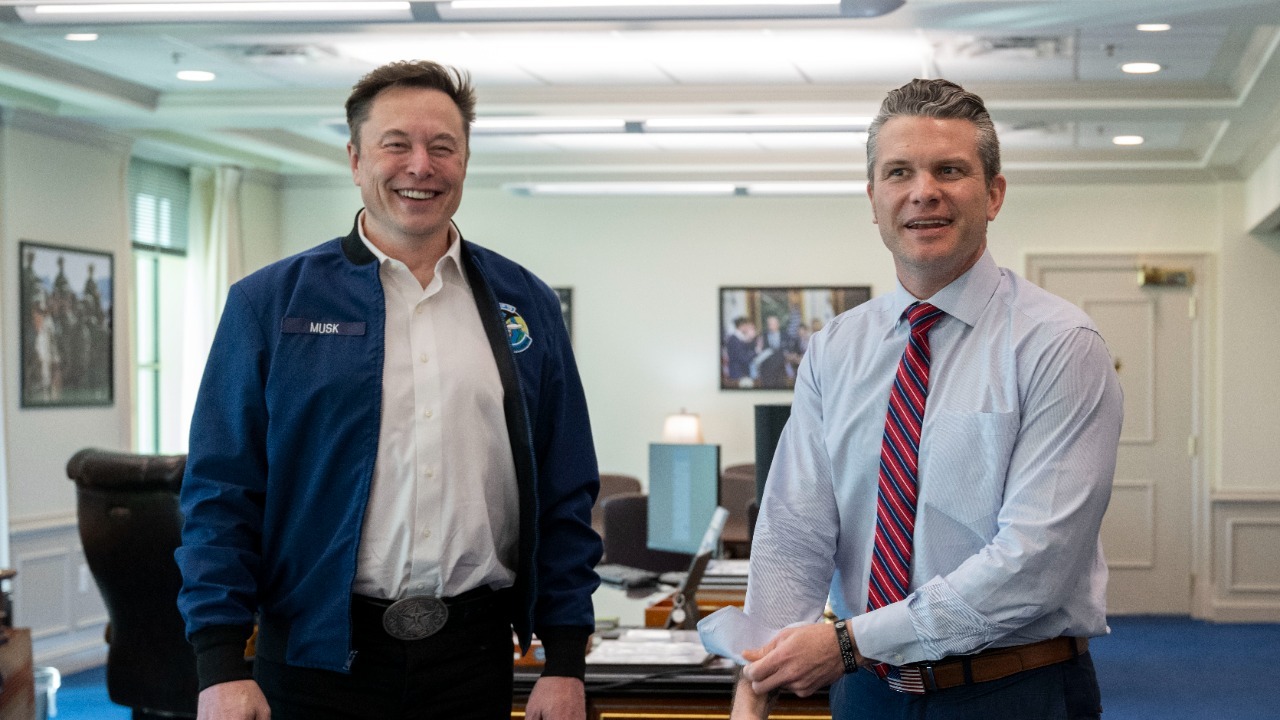
Elon Musk is sharpening his attack on wealth taxes, arguing that a levy pitched as targeting only billionaires will eventually seep into the broader tax base just as the federal income tax did. His warning lands as California weighs a one time charge on ultra rich residents and as voters revisit long running questions about who should pay for an expanding state.
The debate turns on history as much as ideology. Musk is invoking the story of the “temporary” income tax on the top 1 percent to suggest that once a new tax instrument exists, political pressure will push it down the income ladder until, in his words, “everyone” is paying.
Musk’s viral warning and the California trigger
When Elon Musk Says that “They Will Eventually Apply the Wealth Tax to Everyone,” he is not speaking in the abstract. The Tesla CEO has been reacting to a California plan that would impose a one time levy on residents with fortunes above a specific threshold, arguing that a tool designed for billionaires will not stay confined to them. In a widely shared post, he linked the idea of a new levy on large fortunes to the way the federal income tax, initially sold as a narrow measure, became a mass obligation over time, framing the current fight as a replay of that earlier shift in American fiscal life, a comparison that has energized both his supporters and critics.
The spark for his comments is a proposed wealth measure in California that would require Californians with a net worth beyond $1.1 billion to pay a one time tax, with backers arguing that the ultra wealthy should help stabilize state finances. Reporting on the initiative notes that supporters are also trying to prevent the richest residents from simply leaving California to avoid the tax, a concern that has already prompted talk of relocation among some high net worth individuals. Musk’s warning, amplified by his massive audience, turns that state level fight into a national referendum on whether wealth based levies can ever remain tightly targeted.
How income tax really started, and why Musk’s analogy resonates
Musk’s analogy leans on a real historical arc. During the Civil War, Congress adopted a federal income tax to help pay for the conflict, a measure described in one Brief History Of as a temporary 3 percent levy introduced in 1861 to defray the costs of the Civil War. That early system reached only a tiny slice of the population, with just a few thousand households paying, and it lapsed after the war, reinforcing the idea that direct federal taxes on income were emergency tools rather than permanent fixtures of American life.
The modern income tax, however, took a different path. As experts on Origins of Income note, 1913 is the definitive year, when the Sixteenth Amendment authorized a permanent federal income tax that initially applied to a small share of high earners. Over time, Congress broadened the base and raised rates, especially during major wars, until the income tax became the central pillar of federal revenue. A detailed fact check points out that while some early twentieth century advocates framed the levy as a way to tap the richest Americans, the constitutional change itself made the tax permanent, not temporary, and later expansions reflected political choices rather than a bait and switch written into law.
What Musk actually said, and how his critics responded
The current flare up began when a user on X, posting under the handle highlighted in the phrase “Wealth tax is must,” argued that a levy on large fortunes was necessary to fund public priorities and pointed to the top 1 percent paying for World War I. Musk replied directly, warning that They will eventually apply the “wealth tax” to everyone, just like the income tax, and tying that claim to the story of a Temporary levy on the top 1 percent that later expanded. The exchange, captured in the Wealth thread, crystallized his argument that new taxes rarely stay confined to their original targets once lawmakers grow accustomed to the revenue.
Coverage of the episode underlines how Musk’s comments have been repeated and parsed. One detailed account under the banner Elon Musk Says that They Will Eventually Apply the Wealth Tax to Everyone, Just Like How Income Tax Started As a Temporary Tax For the top 1 percent, notes that he framed the California fight as a warning to residents in other states as well. That report, which appears in multiple versions including a Jan summary and a similar Elon Musk Says version, emphasizes that his argument is less about the specific California ballot language and more about the long term trajectory of tax policy once a new base is established.
California’s wealth tax proposal and the billionaire exit narrative
To understand why Musk is so focused on California, it helps to look at the details of the state’s Wealth Tax Proposal Isn Law Yet, But It is Already Triggering Exit Plans. The plan, as summarized in one California focused report, would apply to residents with fortunes above the $1.1 billion mark and is designed as a one time charge, not an annual levy, though critics argue that once the machinery for valuing and taxing wealth exists, it could be revived or expanded. Another version of the same coverage, framed around how California’s Wealth Tax Proposal Isn Law Yet, But It is Already Triggering Exit Plans, notes that Musk’s warning goes beyond location, suggesting that other states might copy the idea if it proves politically popular.
Separate reporting on business leaders’ reactions shows how the proposal is already influencing behavior. One account of Billionaires fleeing California within seven days over the proposed wealth tax describes how They are “dining and wining together and talking about this proposed tax,” and how some are exploring moves to places like Miami, citing analysis from the Legislative Analyst’s Office about the potential revenue and migration effects. That narrative, captured in an Jan report, dovetails with Musk’s own relocation from California to Texas and reinforces his argument that aggressive new levies on wealth risk shrinking the tax base rather than stabilizing it.
Musk’s tax philosophy: against wealth levies, for estate taxes
Musk’s opposition to wealth taxes does not mean he rejects all taxes on large fortunes. In earlier comments, he has said that he supports an estate tax that many of his billionaire peers dislike, arguing that inherited dynasties can entrench inequality. In one interview, Elon Musk, speaking about the Economy and Transportation, said he backed a robust tax on estates while criticizing proposals that would tax unrealized gains annually as a double tax on income, a stance captured in a Elon Musk focused report. That distinction helps explain why he sees the California proposal as a red line even while accepting that very large inheritances should face significant taxation.
His broader critique of wealth taxes also rests on how they interact with assets like company stock. In reaction to California’s proposal, Elon Musk, identified as The Tesla CEO, reposted another user’s X post saying that his stocks were not wealth in the same way as cash, because their value can swing wildly and is often tied up in long term projects. Coverage of business leaders’ reactions notes that Musk wrote in his December comments that taxing such holdings annually could force founders to sell shares and lose control, a concern highlighted in a business oriented summary. That argument, combined with his historical analogy to the income tax, underpins his claim that a wealth levy introduced as a one time hit on billionaires could evolve into a recurring charge that reaches far beyond the original top 1 percent.
More From TheDailyOverview
*This article was researched with the help of AI, with human editors creating the final content.

Grant Mercer covers market dynamics, business trends, and the economic forces driving growth across industries. His analysis connects macro movements with real-world implications for investors, entrepreneurs, and professionals. Through his work at The Daily Overview, Grant helps readers understand how markets function and where opportunities may emerge.

