
The housing market is often unpredictable, but certain trends can signal when a major shift is on the horizon. Numerous experts are currently observing signs that home prices in several major cities might experience a significant dip over the next year. By understanding the unique factors affecting each of these urban areas, homeowners and potential buyers can make more informed decisions.
1. San Francisco, California

San Francisco has long been known for its exorbitant housing prices, but recent tech layoffs and a remote work trend are beginning to have an impact. As more companies allow employees to work from anywhere, the demand for housing in the city has decreased, leading to a surplus of homes on the market. This shift is putting downward pressure on home prices, which could continue to decline over the next year.
Moreover, the high cost of living and extensive regulations have driven many residents to seek more affordable alternatives outside the city. As this exodus continues, San Francisco might face a notable market correction, making it one of the cities where home prices are likely to dip.
2. New York City, New York
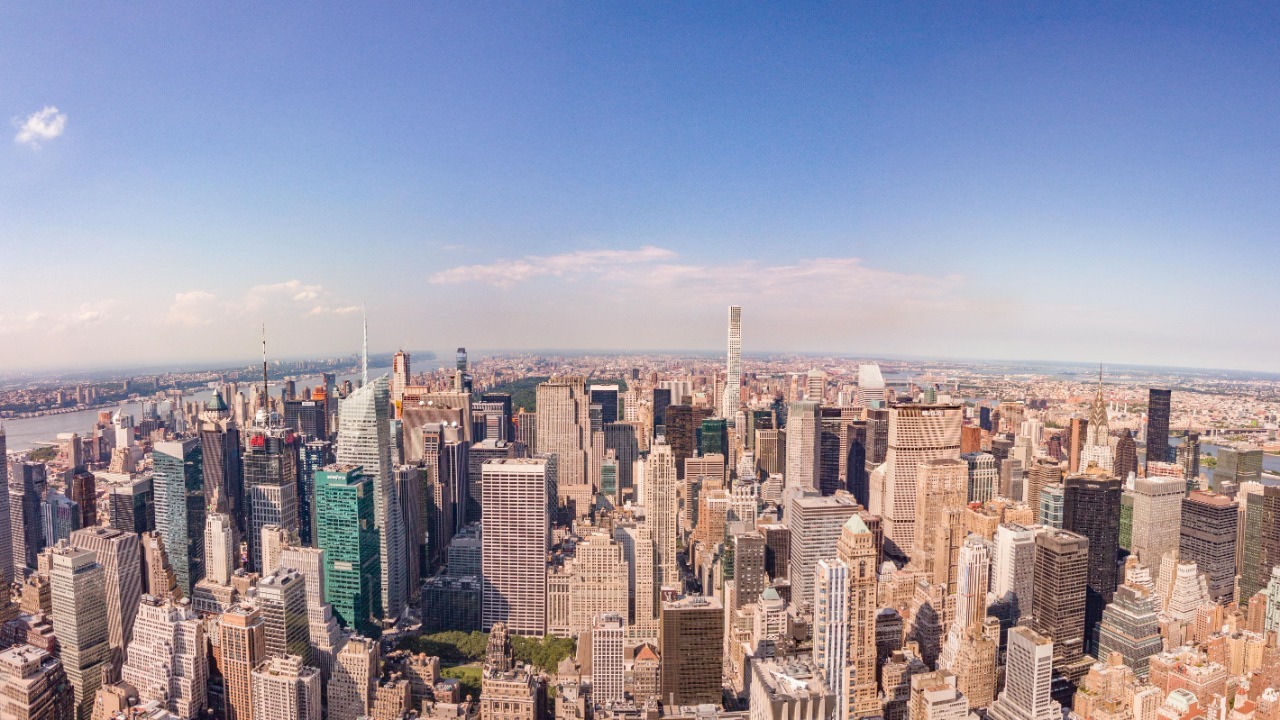
New York City, often seen as the epicenter of luxury real estate, has been experiencing a cooling market. The shift to remote work has led many to reconsider their need for a city-centric lifestyle, opting instead for suburban areas with more space and lower prices. This has resulted in a softening demand for city properties.
The city’s real estate market is further pressured by its high inventory levels. With more properties available than interested buyers, prices are expected to drop. Additionally, economic uncertainties and rising interest rates are contributing to this trend, making New York City a prime candidate for a price correction.
3. Los Angeles, California

Los Angeles has seen significant fluctuations in its housing market, largely due to its diverse economy and sprawling geography. However, rising interest rates and inflationary pressures are making it difficult for potential buyers to afford homes, leading to a decrease in demand. This trend is exacerbated by the city’s high cost of living.
Additionally, the tech and entertainment industries, key drivers of the local economy, have been hit by layoffs and restructuring, contributing to economic uncertainty. As these factors converge, Los Angeles could experience a notable decrease in home prices in the coming months.
4. Miami, Florida
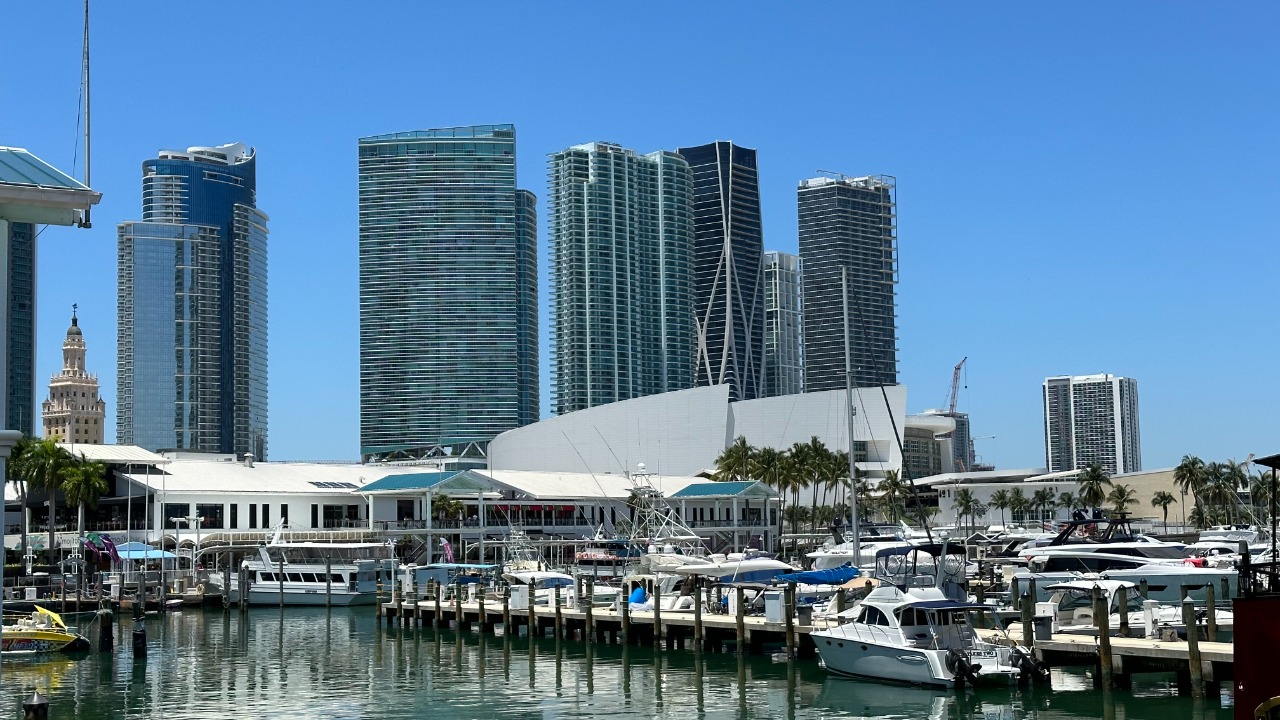
While Miami has been a hotspot for real estate investors, the market dynamics are beginning to shift. The city’s appeal as a destination for remote work and international buyers has waned amid global economic challenges and changing immigration policies. This is leading to a slowdown in the demand for luxury properties.
Moreover, the potential impact of climate change on Miami’s real estate market cannot be ignored. Rising sea levels and the increasing frequency of extreme weather events pose significant risks to property values, potentially leading to a decline in home prices over the next year.
5. Seattle, Washington
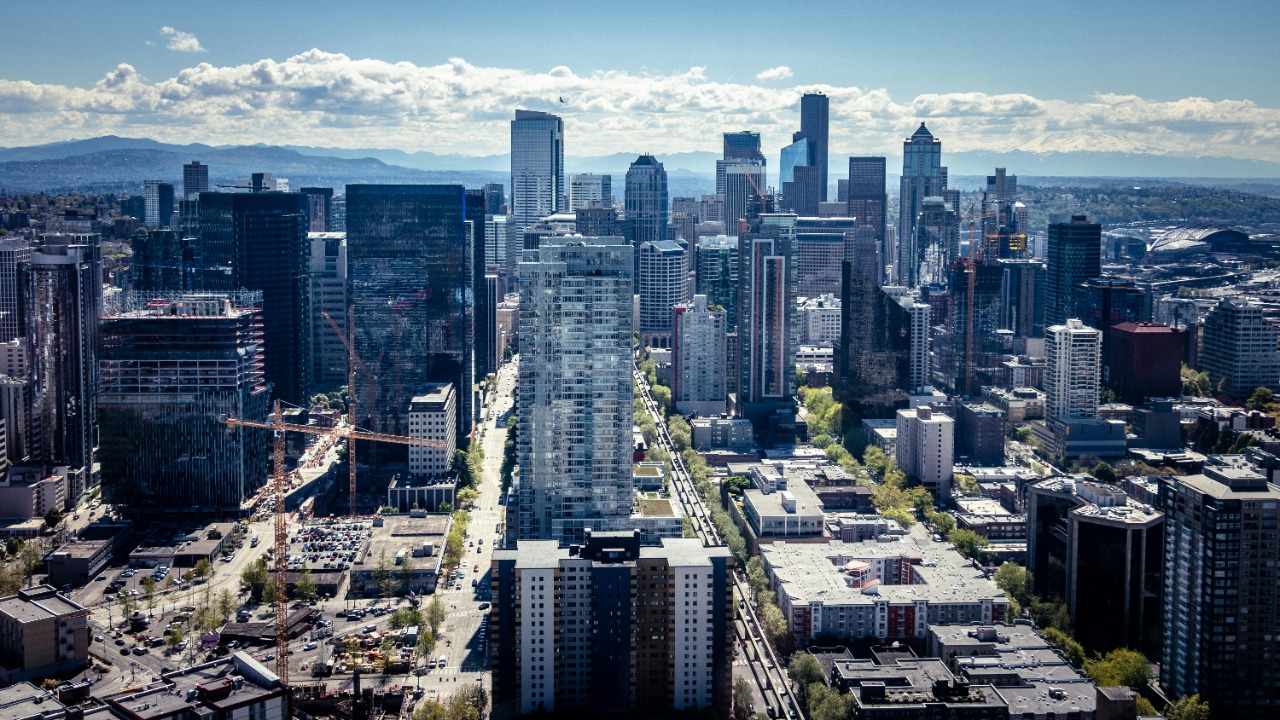
Seattle, a city heavily influenced by the tech industry, is facing a unique set of challenges. The shift to remote work and the resulting decrease in demand for office space have impacted the city’s real estate market. Additionally, tech layoffs have further strained the market, causing a softening in home prices.
The rising cost of living and affordability issues are also driving residents to seek more affordable housing options elsewhere. As more people leave the city, Seattle’s housing market is expected to experience a significant downturn in the coming months.
6. Austin, Texas
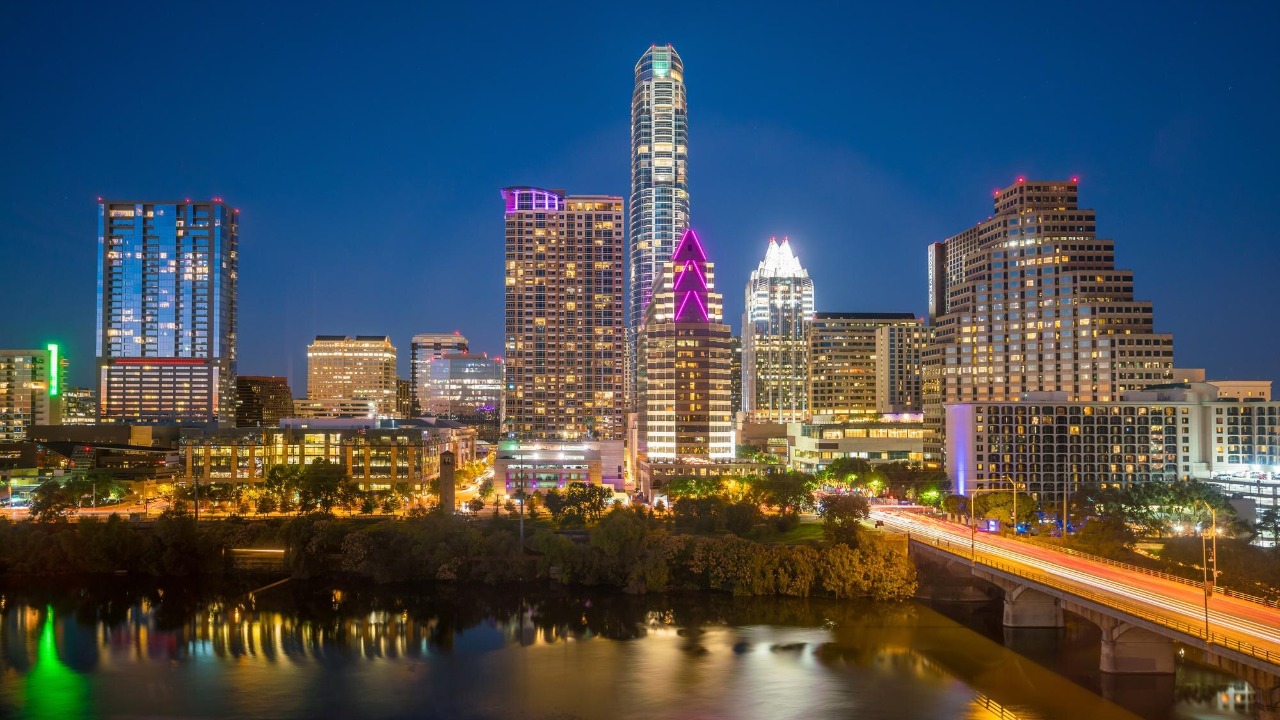
Austin has been a booming real estate market in recent years, attracting tech companies and young professionals. However, the rapid price increases have made it one of the most overvalued markets in the country. As interest rates rise, many potential buyers are being priced out of the market, leading to a decrease in demand.
Furthermore, the influx of new residents has put a strain on infrastructure and public services, leading to growing concerns about the city’s sustainability. These factors combined suggest that Austin’s housing market may be poised for a correction.
7. Denver, Colorado
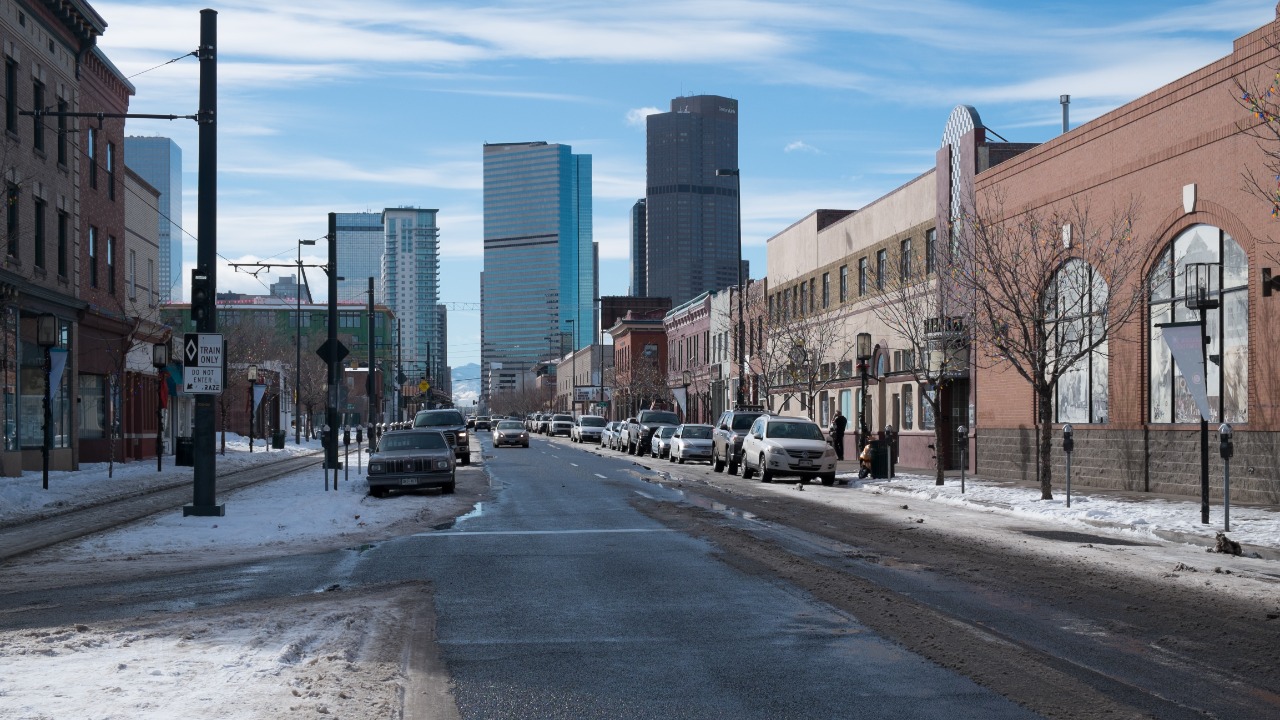
Denver’s real estate market has been characterized by rapid appreciation, driven by its strong job market and desirable location. However, recent economic uncertainties and increasing interest rates are beginning to cool the market. The city’s high cost of living is also prompting residents to consider more affordable alternatives.
Additionally, a growing inventory of homes on the market is leading to increased competition among sellers. As these dynamics play out, Denver could see a significant decline in home prices over the next year.
8. Boston, Massachusetts
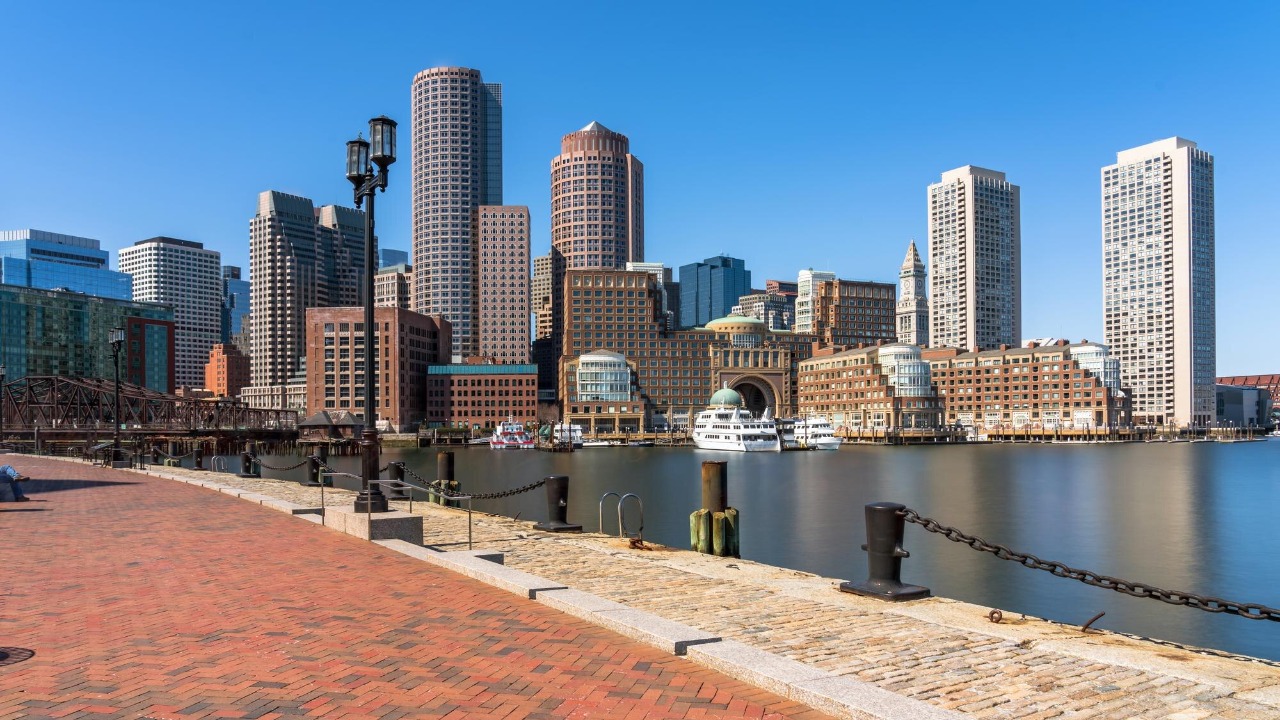
Boston’s real estate market has been resilient, supported by its strong educational and healthcare sectors. However, the city’s high housing costs and limited inventory are starting to impact demand. Rising interest rates are also affecting affordability, leading to a slowdown in the market.
Furthermore, economic uncertainties and changing work trends are prompting some residents to explore suburban living, reducing the demand for city properties. As these factors converge, Boston may experience a noticeable drop in home prices in the coming months.
9. Washington, D.C.
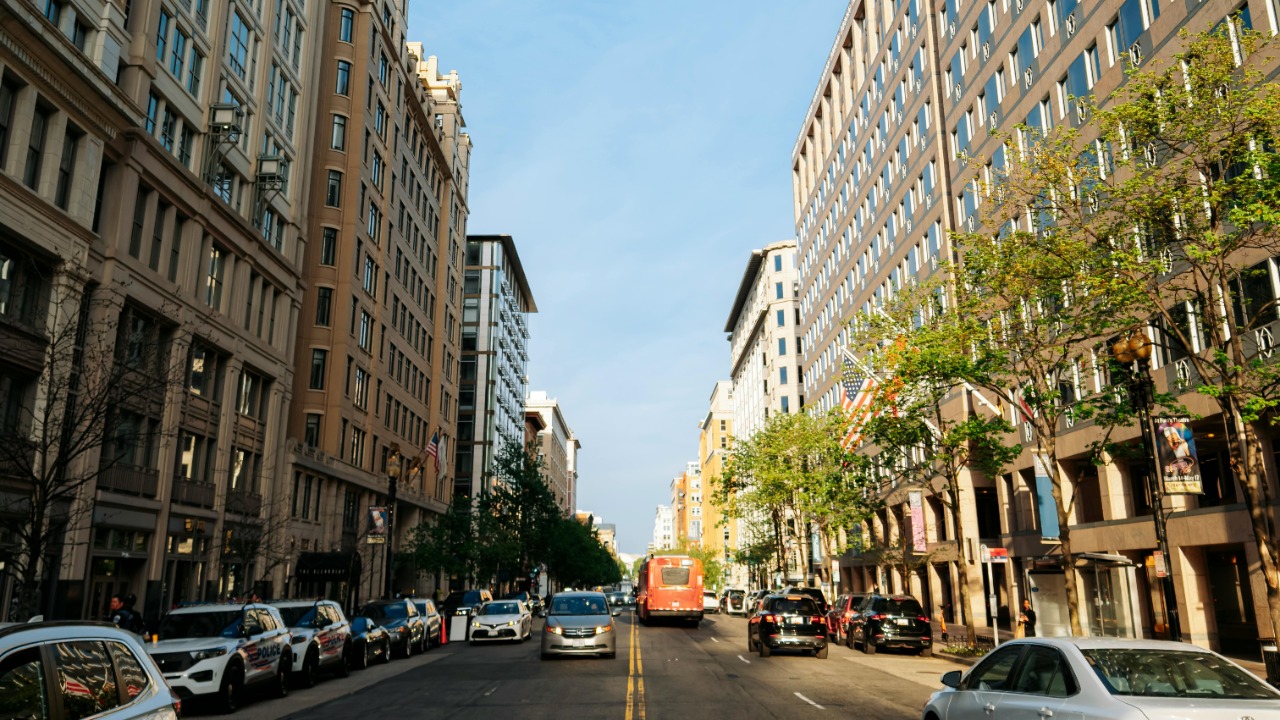
The Washington, D.C. real estate market has been challenged by political and economic uncertainties. The federal government’s shift towards remote work and the resulting decrease in the demand for office space have affected the city’s housing market. Additionally, rising interest rates are impacting affordability.
Furthermore, the city’s high cost of living is prompting some residents to consider relocating to more affordable areas. As these factors come into play, Washington, D.C. is expected to see a decline in home prices over the next year.
10. Las Vegas, Nevada

Las Vegas has long been known for its volatile real estate market, and the current economic climate is contributing to another potential downturn. The city’s reliance on tourism and hospitality has made it vulnerable to economic fluctuations, and the ongoing challenges in these sectors are impacting the housing market.
Additionally, rising interest rates and economic uncertainties are affecting affordability, leading to a decrease in demand. As these factors play out, Las Vegas could experience a significant decrease in home prices in the coming months.
11. Phoenix, Arizona
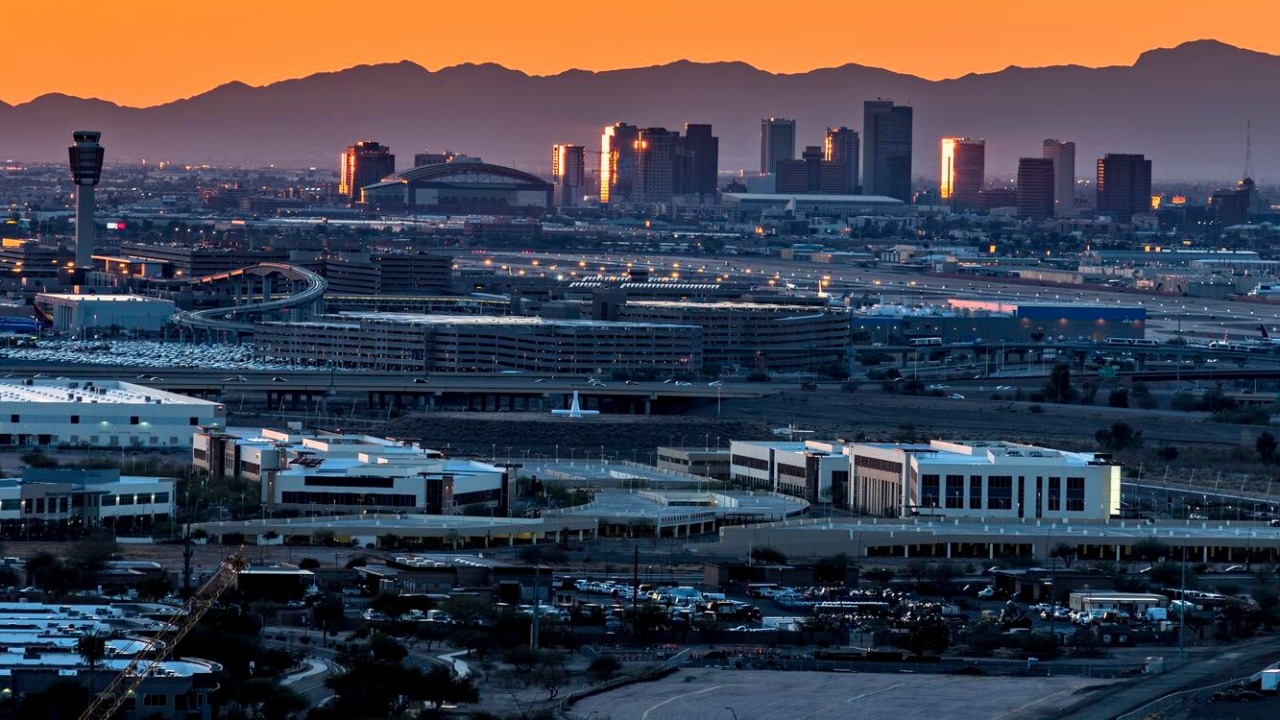
Phoenix has been a popular destination for those seeking affordable housing, but the market is beginning to show signs of cooling. Rising interest rates are impacting affordability, and the rapid price increases of recent years have made it one of the most overvalued markets in the country.
The city’s reliance on construction and real estate as key economic drivers adds to its vulnerability. As these factors converge, Phoenix is expected to see a notable decline in home prices over the next year.
12. Portland, Oregon
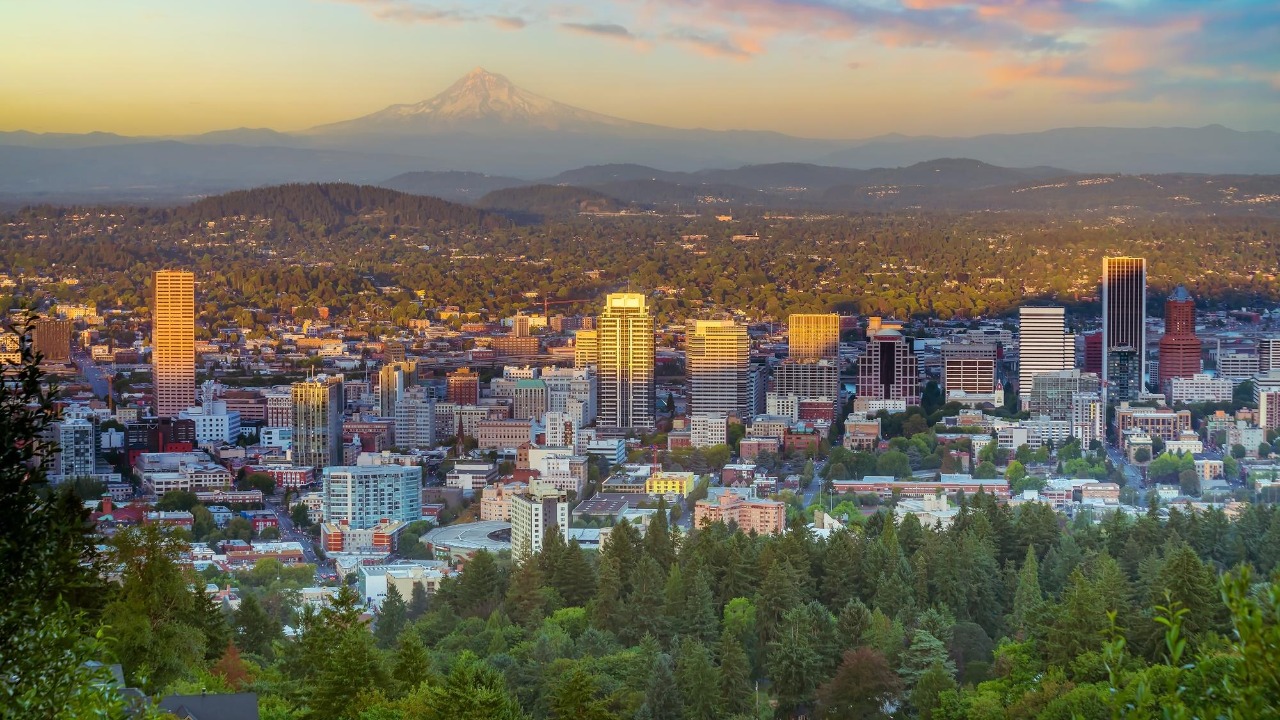
Portland’s real estate market has been characterized by rapid appreciation, driven by its strong job market and attractive lifestyle. However, the city’s high cost of living and rising interest rates are impacting affordability, leading to a slowdown in demand.
Additionally, economic uncertainties and changing work trends are prompting some residents to explore more affordable options outside the city. As these dynamics play out, Portland could see a significant decline in home prices over the next year.
13. San Diego, California

San Diego has long been a desirable real estate market, thanks to its coastal location and strong job market. However, the city’s high housing costs and rising interest rates are impacting affordability, leading to a slowdown in demand.
Furthermore, economic uncertainties and changing work trends are prompting some residents to consider relocating to more affordable areas. As these factors converge, San Diego may experience a noticeable drop in home prices in the coming months.
14. Nashville, Tennessee
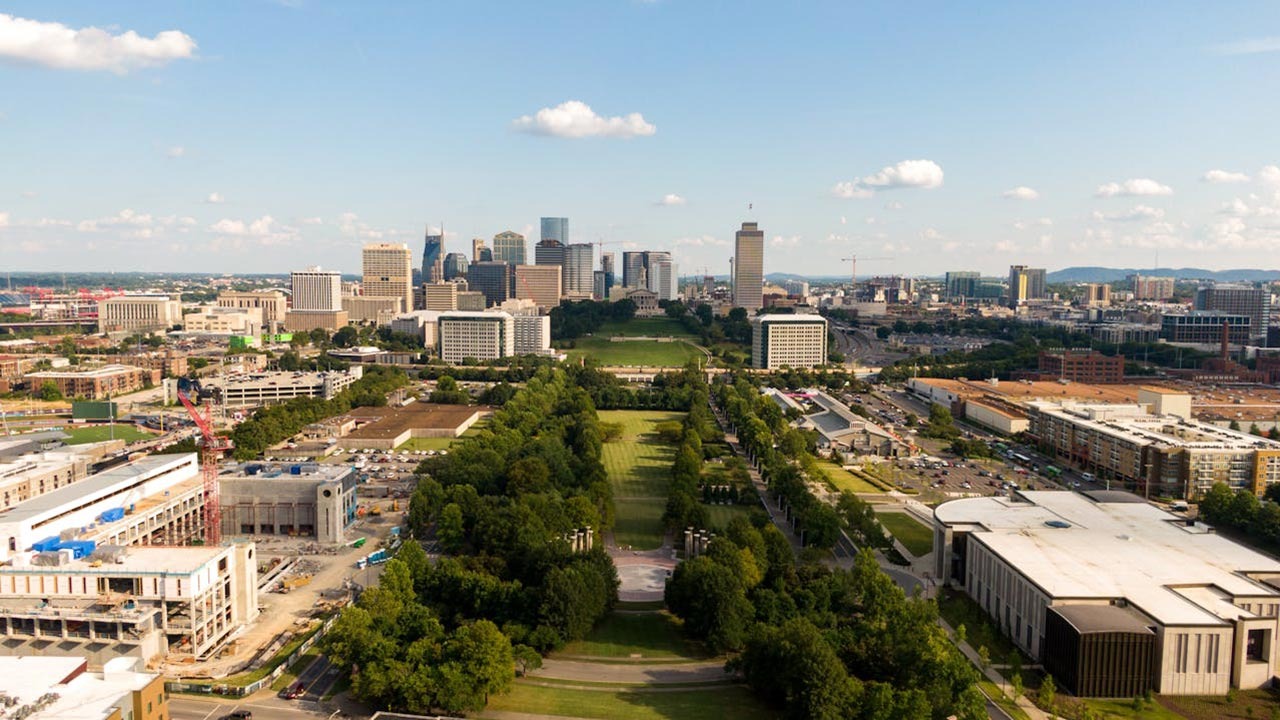
Nashville’s real estate market has been booming, driven by its vibrant music scene and growing job market. However, the rapid price increases have made it one of the most overvalued markets in the country. Rising interest rates are impacting affordability, leading to a decrease in demand.
Additionally, the influx of new residents has put a strain on infrastructure and public services, leading to growing concerns about the city’s sustainability. As these dynamics play out, Nashville’s housing market could be poised for a correction.
15. Atlanta, Georgia
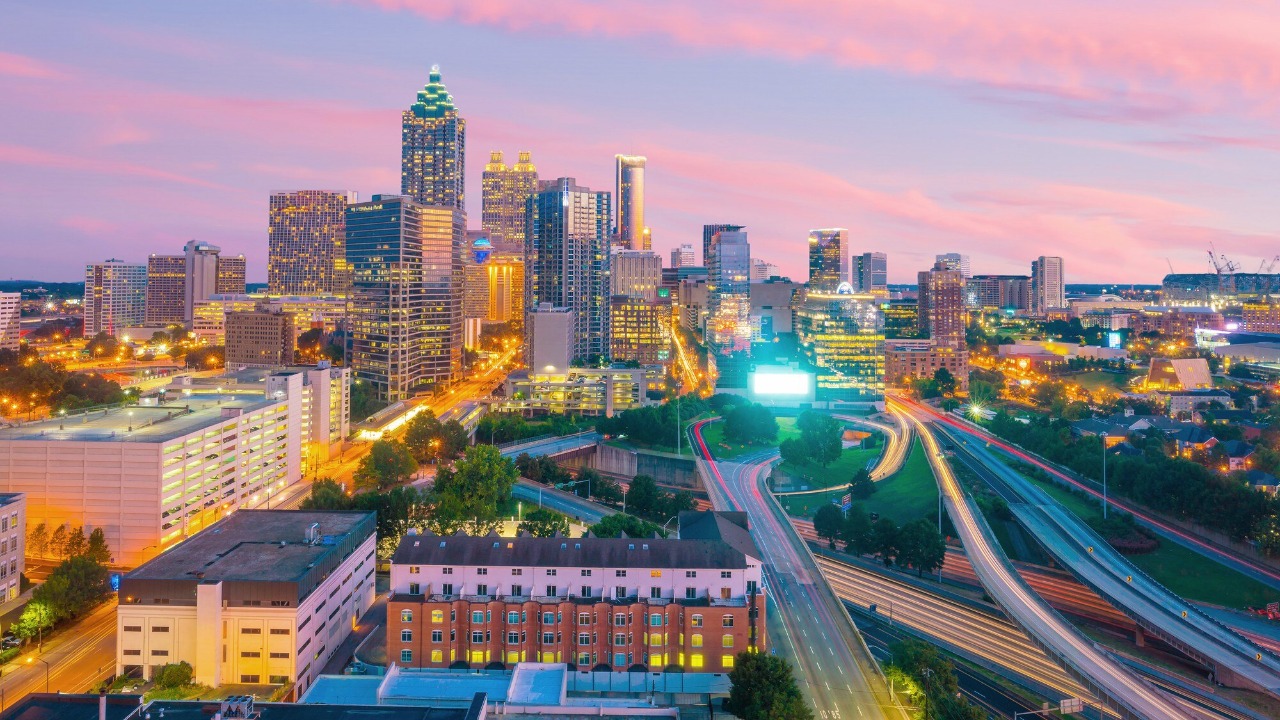
Atlanta has been a popular destination for those seeking affordable housing and a strong job market. However, recent economic uncertainties and rising interest rates are impacting affordability, leading to a slowdown in demand.
The city’s high cost of living and growing inventory of homes on the market are also contributing to increased competition among sellers. As these dynamics play out, Atlanta could see a significant decline in home prices over the next year.
16. Dallas, Texas
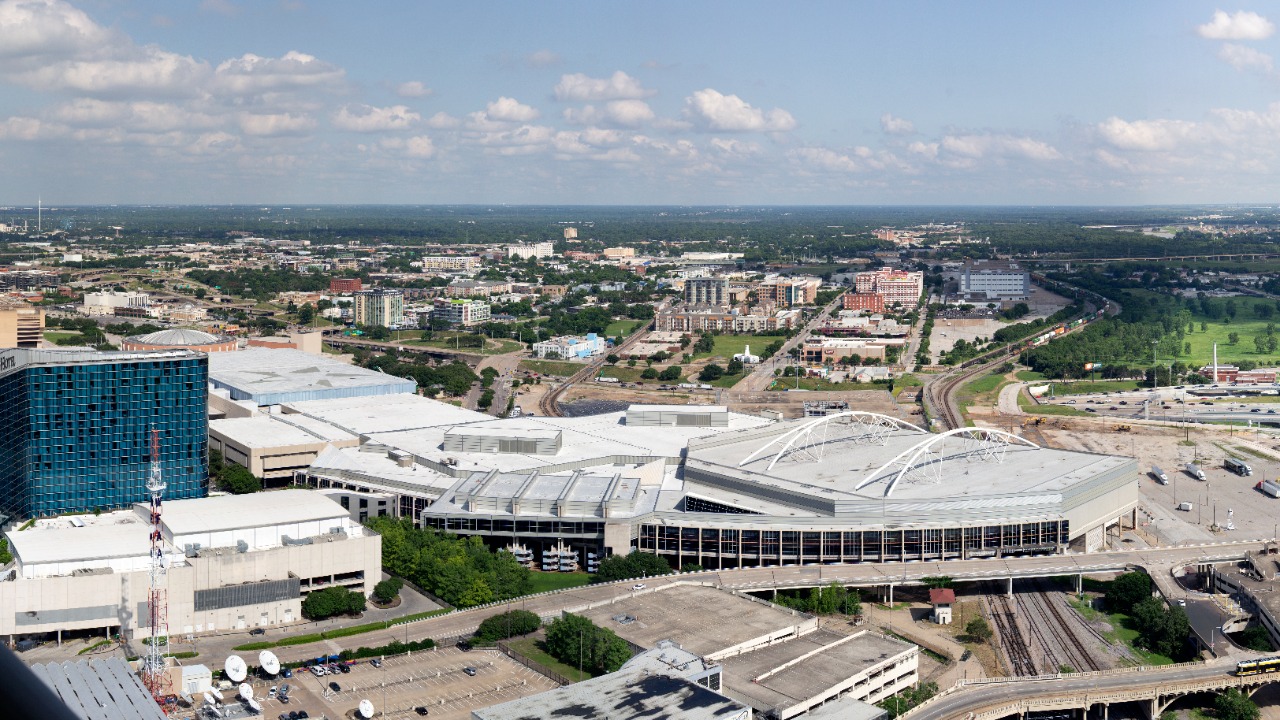
Dallas has been a booming real estate market, attracting tech companies and young professionals. However, the rapid price increases have made it one of the most overvalued markets in the country. Rising interest rates are impacting affordability, leading to a decrease in demand.
Furthermore, the influx of new residents has put a strain on infrastructure and public services, leading to growing concerns about the city’s sustainability. These factors combined suggest that Dallas’s housing market may be poised for a correction.
17. Houston, Texas
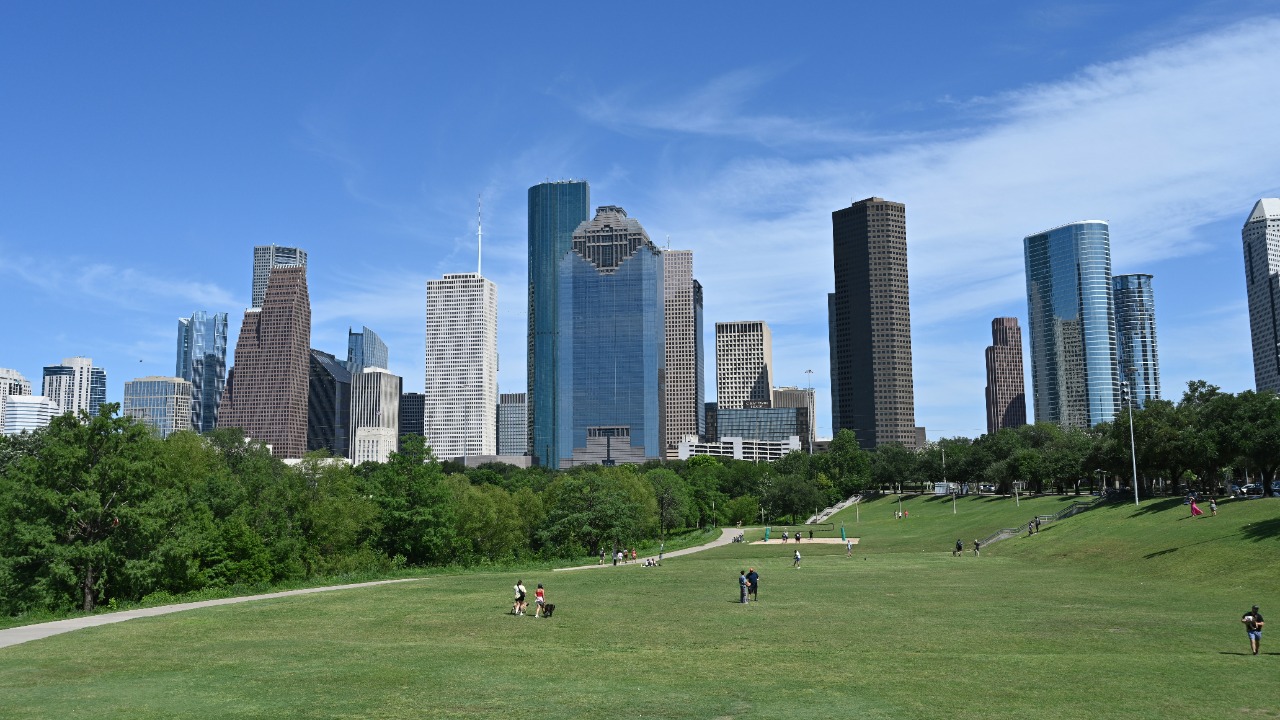
Houston’s real estate market has been characterized by its affordability and strong job market. However, recent economic uncertainties and rising interest rates are beginning to cool the market. The city’s high cost of living is also prompting residents to consider more affordable alternatives.
Additionally, a growing inventory of homes on the market is leading to increased competition among sellers. As these dynamics play out, Houston could see a significant decline in home prices over the next year.
18. Chicago, Illinois
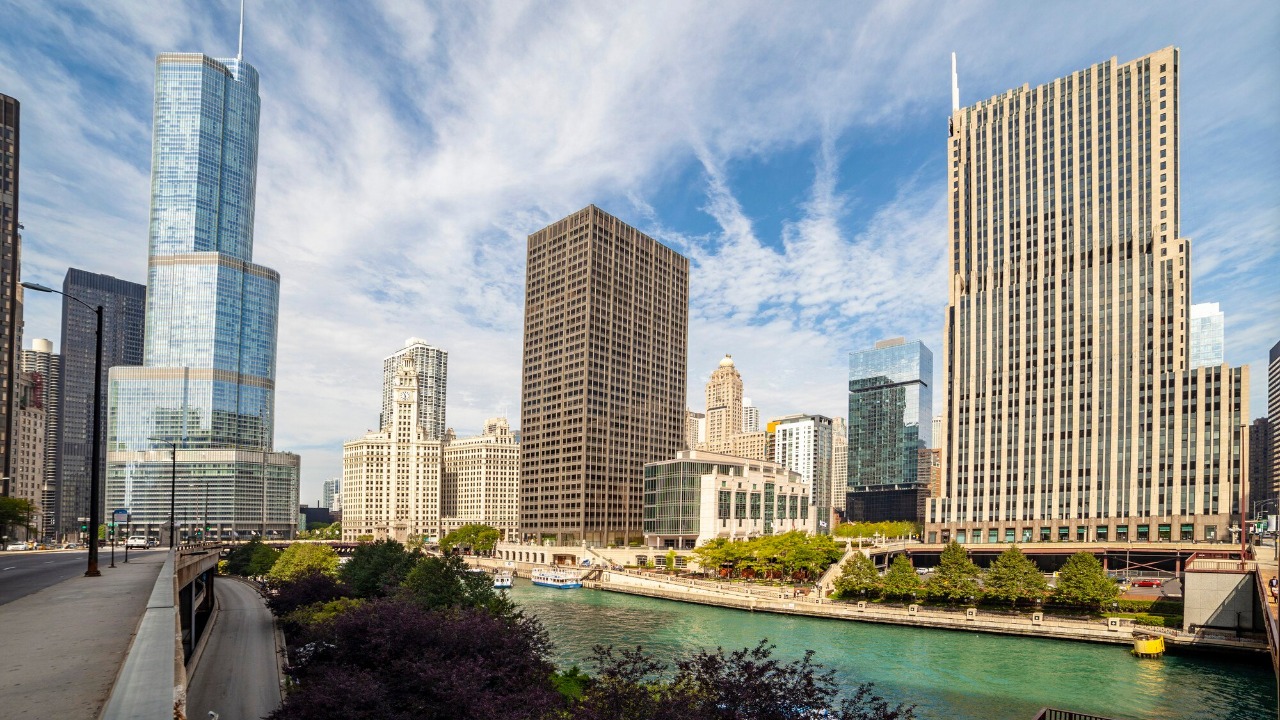
Chicago’s real estate market has been challenged by economic uncertainties and rising interest rates. The city’s high cost of living and limited inventory are impacting affordability, leading to a slowdown in demand.
Furthermore, changing work trends and the desire for more space are prompting some residents to explore suburban living, reducing the demand for city properties. As these factors converge, Chicago may experience a noticeable drop in home prices in the coming months.
19. Minneapolis, Minnesota

Minneapolis has been a desirable real estate market, thanks to its strong job market and attractive lifestyle. However, the city’s high cost of living and rising interest rates are impacting affordability, leading to a slowdown in demand.
Additionally, economic uncertainties and changing work trends are prompting some residents to explore more affordable options outside the city. As these dynamics play out, Minneapolis could see a significant decline in home prices over the next year.
20. Philadelphia, Pennsylvania
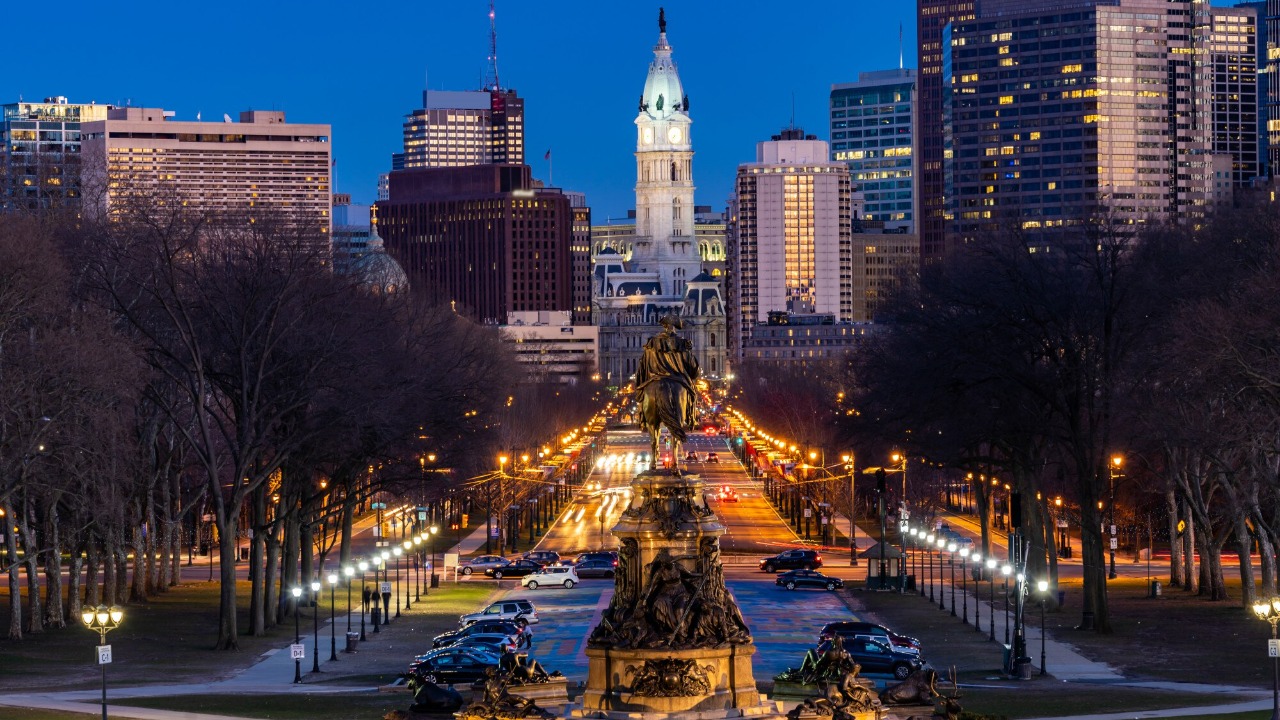
Philadelphia’s real estate market has been supported by its strong educational and healthcare sectors. However, the city’s high housing costs and limited inventory are starting to impact demand. Rising interest rates are also affecting affordability, leading to a slowdown in the market.
Furthermore, economic uncertainties and changing work trends are prompting some residents to explore suburban living, reducing the demand for city properties. As these factors converge, Philadelphia may experience a noticeable drop in home prices in the coming months.

Elias Broderick specializes in residential and commercial real estate, with a focus on market cycles, property fundamentals, and investment strategy. His writing translates complex housing and development trends into clear insights for both new and experienced investors. At The Daily Overview, Elias explores how real estate fits into long-term wealth planning.

