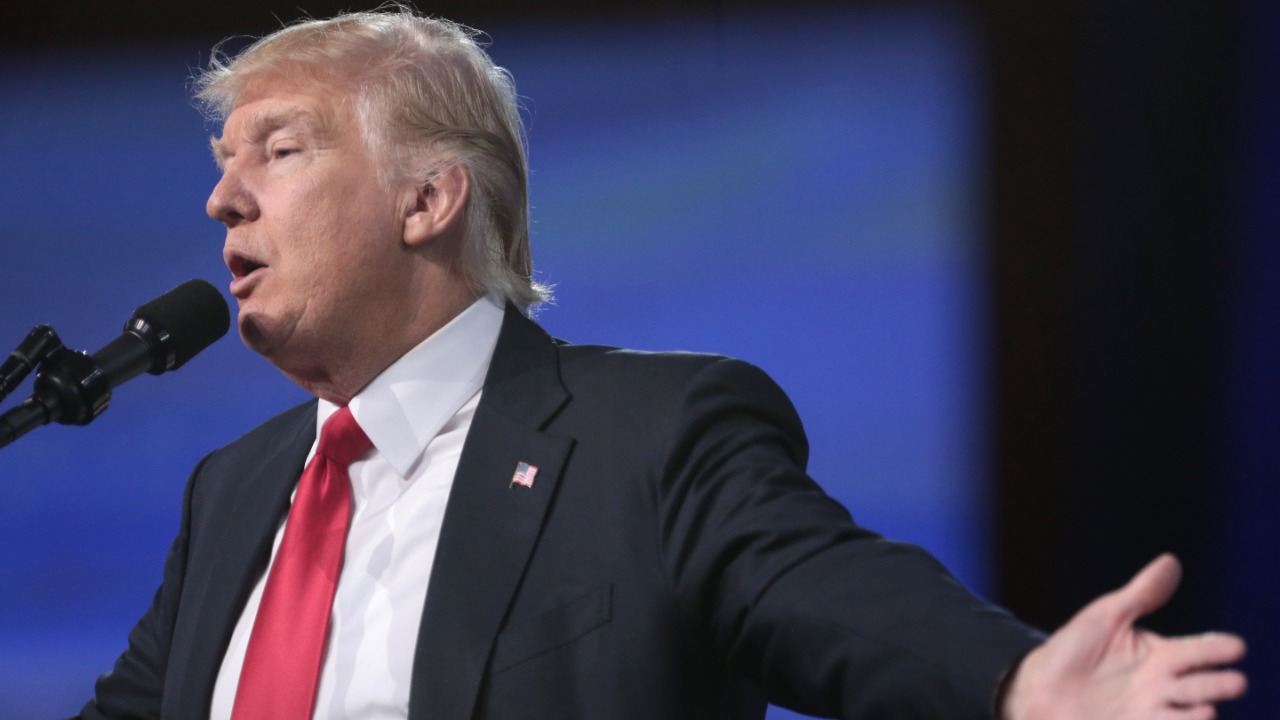
Intel’s CEO has recently come under scrutiny after President Donald Trump called for his resignation. This development has fueled discussions across political and business circles, raising questions about leadership, corporate strategy, and political involvement in business affairs. We explore the details of the situation, including the CEO’s response, the context of Trump’s demand, and the implications for Intel and the tech industry.
The Context of Trump’s Demand
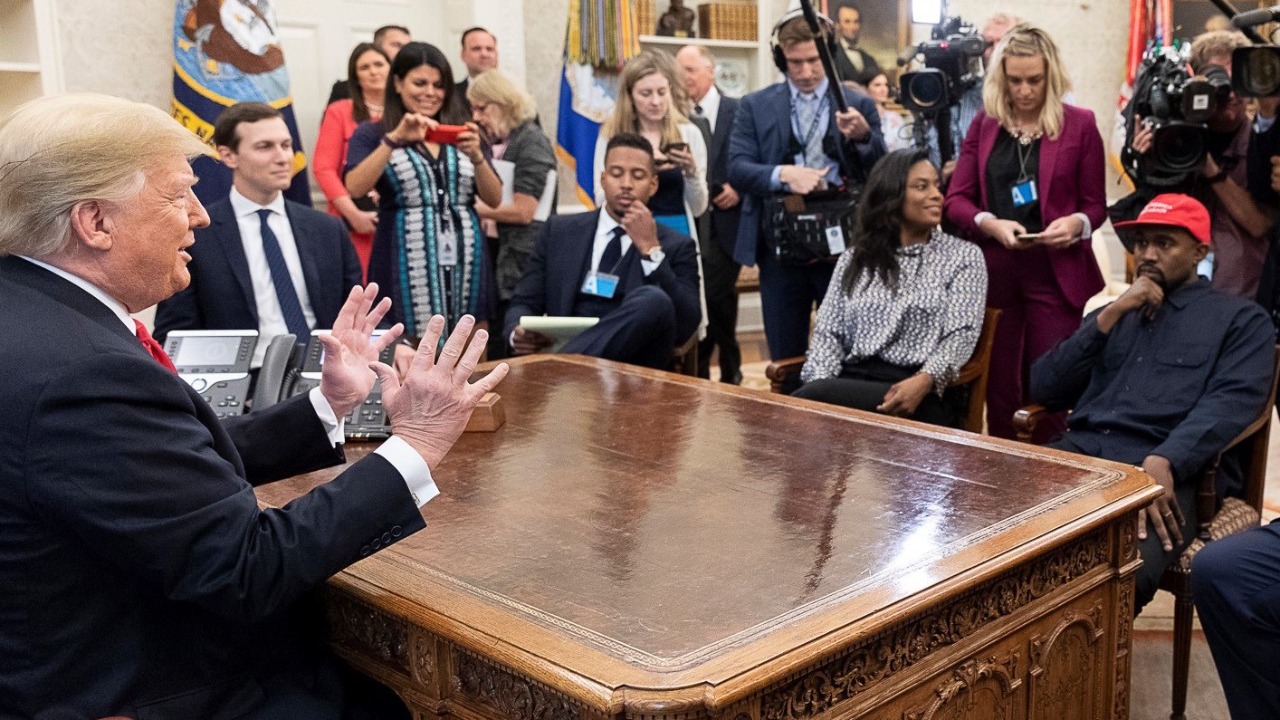
Donald Trump’s criticism of Intel’s CEO is rooted in a series of grievances that have accumulated over time. The former president has publicly expressed his dissatisfaction with what he perceives as Intel’s failure to maintain its dominance in the semiconductor industry, a sector critical to national security and economic stability. He has also criticized the company’s strategic choices, including outsourcing production capabilities to foreign countries, which he argues undermines the American workforce and economy. These points of contention have led Trump to call for a change in leadership at Intel.
Historically, the relationship between Trump and Intel’s leadership has been strained. During Trump’s presidency, Intel’s CEO had opposed some of the administration’s policies, including trade tariffs that impacted semiconductor imports and exports. This opposition may have contributed to the current tensions and Trump’s call for resignation. Additionally, Trump’s renewed focus on American manufacturing and self-sufficiency in tech sectors further exacerbates the situation.
The broader political climate also plays a significant role in this scenario. The tech industry has become a focal point in political debates concerning national security, economic policy, and international competition. Trump’s statement can be seen as part of a larger narrative advocating for stronger domestic manufacturing capabilities and reduced reliance on foreign tech supply chains, reflecting ongoing political dynamics and pressures.
Intel’s Strategic Challenges
Intel is currently navigating a period of significant restructuring and strategic realignment. The company has announced multiple rounds of restructuring and layoffs as part of its efforts to streamline operations and focus on its core competencies. These moves are aimed at restoring Intel’s competitive edge in the face of mounting pressure from rivals such as AMD and NVIDIA. However, these changes have been met with mixed reactions from stakeholders, with some expressing concern over the potential impact on innovation and employee morale.
Market competition remains a pressing challenge for Intel. The semiconductor industry is experiencing rapid technological advancements, and Intel’s competitors have made significant strides in areas such as chip performance and energy efficiency. As a result, Intel is under pressure to innovate and adapt to maintain its market position. This competitive landscape influences leadership decisions and strategic priorities, as the company seeks to balance short-term performance with long-term growth.
Innovation is another critical area where Intel faces challenges. The tech landscape is evolving rapidly, with emerging technologies such as artificial intelligence and quantum computing reshaping the industry’s future. Intel must navigate these shifts while leveraging its existing strengths in semiconductor technology. The CEO’s leadership plays a crucial role in guiding the company’s response to these challenges, and any change in leadership could have significant implications for Intel’s strategic direction.
The CEO’s Response
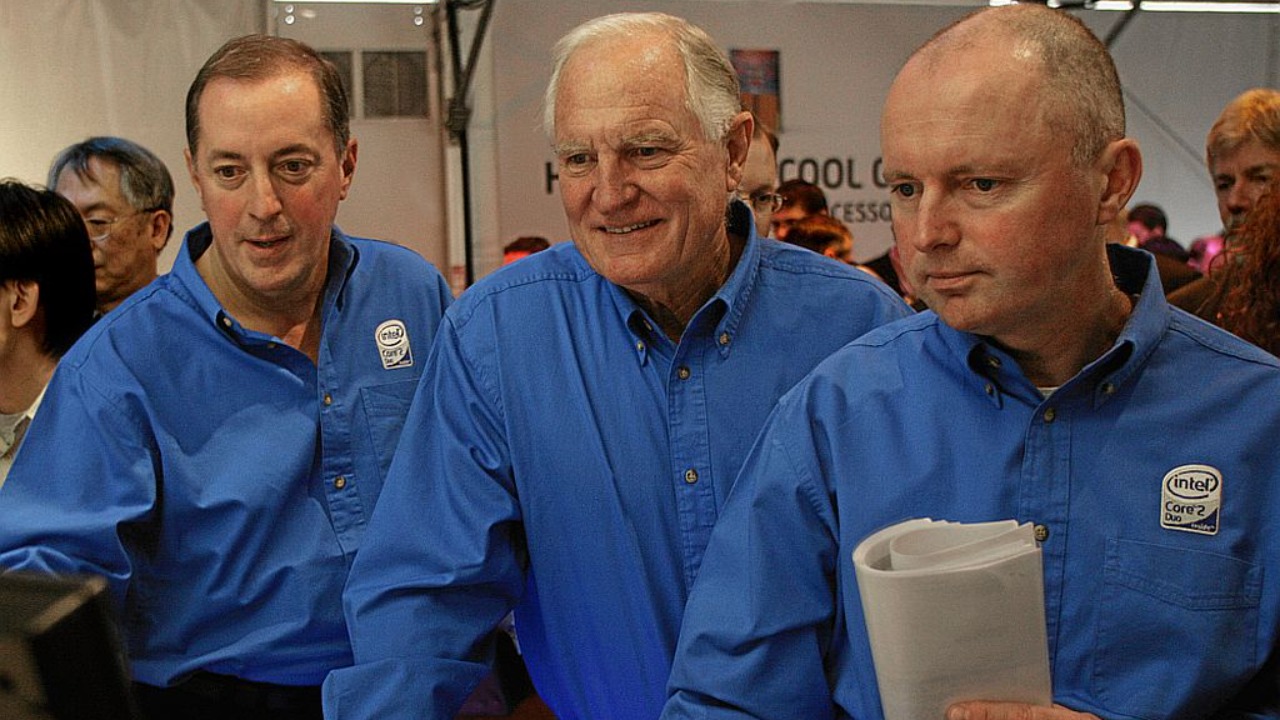
In response to Trump’s call for his resignation, Intel’s CEO issued a public statement addressing the criticisms and outlining his vision for the company’s future. He emphasized Intel’s commitment to innovation and growth, highlighting recent initiatives to advance semiconductor technology and expand manufacturing capabilities domestically. The CEO also reaffirmed Intel’s dedication to maintaining its position as a leader in the industry, despite the challenges it faces.
The CEO’s leadership vision contrasts with Trump’s criticisms, focusing on long-term strategic investments and technological advancements. He argued that Intel’s current strategy is essential for maintaining competitiveness in the global market and ensuring the company’s continued success. The CEO also emphasized the importance of collaboration with government and industry partners to address broader challenges in the tech sector.
Support from stakeholders has been mixed, with some expressing confidence in the CEO’s leadership and strategic direction. Intel’s board of directors has publicly backed the CEO, underscoring their belief in his ability to navigate the company’s challenges. However, some investors and employees have voiced concerns about the pace of change and the potential impact of restructuring efforts. The response from stakeholders will play a crucial role in shaping Intel’s path forward.
Implications for Intel and the Industry

This situation underscores important issues related to corporate governance and leadership accountability in major tech firms. The demand for the Intel CEO’s resignation highlights the complex interplay between business strategy and political influence, particularly in industries critical to national interests. The controversy raises questions about the role of corporate leaders in navigating political pressures while maintaining strategic focus.
The impact on Intel’s stock and market perception has been notable. The recent controversy has led to fluctuations in Intel’s stock price, reflecting investor uncertainty about the company’s leadership and strategic direction. Market analysts are closely monitoring the situation, assessing the potential implications for Intel’s financial performance and competitive positioning in the semiconductor industry.
Broader industry impact is also a consideration, as political involvement in corporate affairs could set precedents for other tech companies. The situation highlights the challenges that arise when political dynamics intersect with business strategy, particularly in sectors where national security and innovation are key concerns. The outcome of this controversy could influence how tech firms balance political considerations with their strategic objectives.
Public and Media Reactions

The media coverage of this story has been extensive, with various outlets focusing on different aspects of the controversy. Some have emphasized the political dimensions of the situation, analyzing the implications for U.S. tech policy and international competition. Others have focused on the business implications, exploring how Intel’s strategic challenges and leadership dynamics are shaping the company’s future. Yahoo Finance and KOIN have both provided in-depth analysis of the unfolding events.
Public opinion on the situation is divided, with discussions unfolding across social media platforms and online forums. Some individuals support Trump’s call for a change in leadership, citing concerns about Intel’s strategic direction and competitiveness. Others defend the CEO, arguing that the company’s current strategy is necessary for long-term success. The debate reflects broader societal discussions about the role of corporate leaders and the influence of political figures on business decisions.
In terms of long-term effects on reputation, the controversy could have lasting implications for Intel’s brand and public perception. The situation highlights the challenges faced by tech companies in managing public relations and stakeholder expectations in an increasingly complex business environment. How Intel navigates this controversy will play a crucial role in shaping its future reputation and stakeholder relationships.

Grant Mercer covers market dynamics, business trends, and the economic forces driving growth across industries. His analysis connects macro movements with real-world implications for investors, entrepreneurs, and professionals. Through his work at The Daily Overview, Grant helps readers understand how markets function and where opportunities may emerge.

