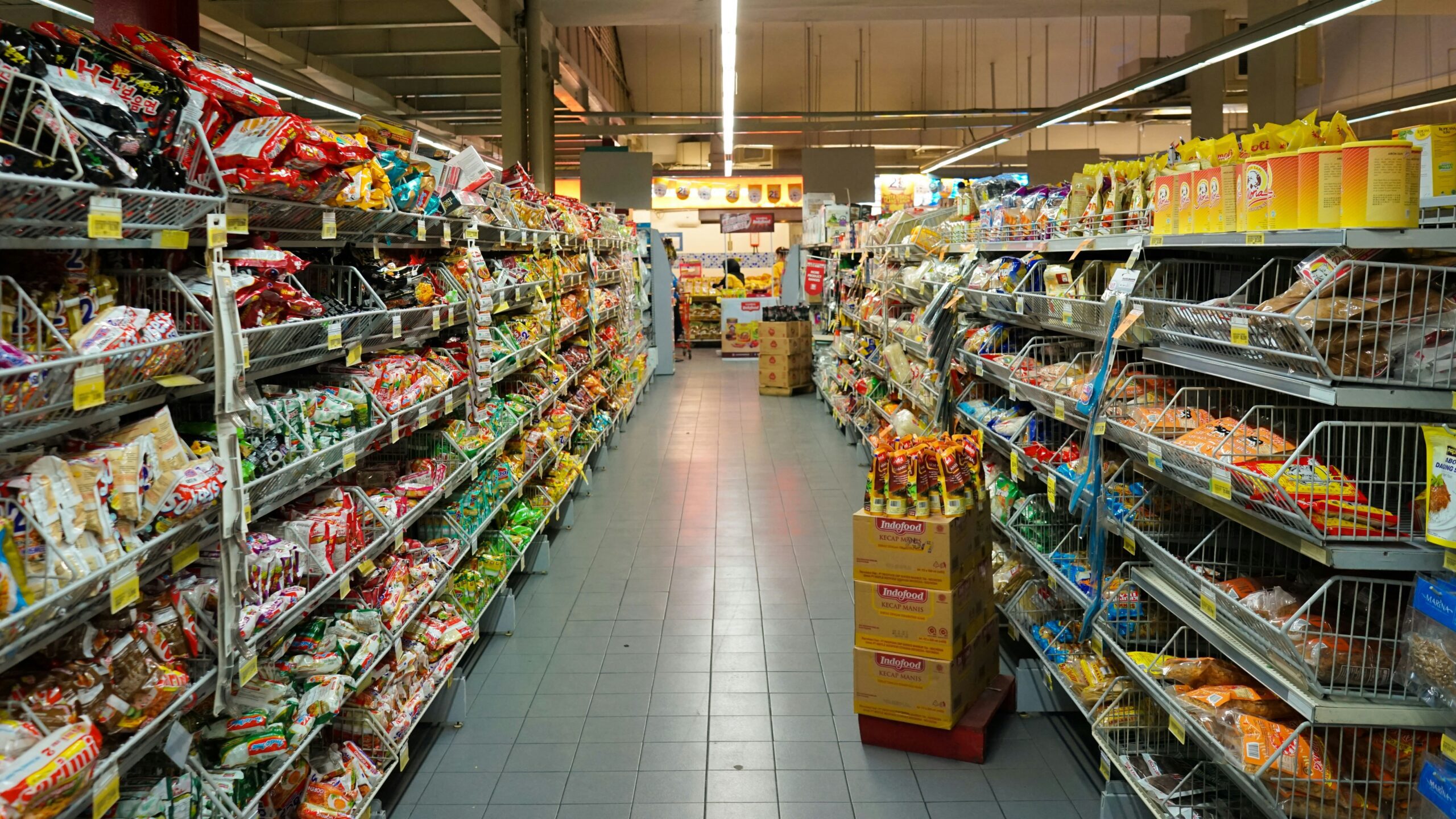
PepsiCo is cutting suggested retail prices by up to nearly 15% on Cheetos, Lay’s, Doritos, Tostitos, and other snack brands, a move that arrives as federal data shows grocery inflation cooling and snack-category prices ticking downward. The price reductions, announced during an investor call in early February 2026, keep product sizes and quality unchanged while bringing some items to their lowest price points in years. That corporate decision, combined with broader deflation in certain food-at-home categories, signals that shoppers could soon see relief on three distinct types of grocery products.
For households that have spent the last several years trading down, clipping coupons, or cutting back entirely on impulse buys, the shift is significant. It suggests that the era of relentless sticker shock in the snack aisle may be giving way to a more competitive, value-focused environment. And because big brands often set the tone for the rest of the grocery store, PepsiCo’s decision is being closely watched as a potential catalyst for wider price adjustments.
PepsiCo’s Snack Price Cuts and What Drove Them
The company began rolling out lower suggested retail prices across its U.S. snack portfolio earlier this month, according to a PepsiCo announcement timed ahead of the Super Bowl. The cuts apply to full-size bags of Lay’s, Doritos, Cheetos, and Tostitos, with some prices dropping to $4.24, and the company stressed that neither bag size nor recipe quality changed. By lowering the sticker price rather than shrinking the package, PepsiCo took the opposite approach from the “shrinkflation” strategy that frustrated consumers during the post-pandemic inflation surge, which signals that it is willing to protect perceived value per ounce.
The motivation is not purely goodwill. As demand for PepsiCo’s drinks and snacks softened, executives needed a volume recovery plan that went beyond marketing tweaks. During an early February investor call, summarized in a Yahoo Finance briefing, the company framed affordability as central to winning back shoppers who had migrated to cheaper options. A late-2025 strategy update also emphasized cost reductions in PepsiCo Foods North America, giving the company more room to lower prices without sacrificing margins as severely. In effect, the price cuts are both a defensive move against private-label rivals and an offensive bet that lower price points will reignite growth.
Federal Data Confirms Snack Prices Are Easing
PepsiCo’s move did not happen in a vacuum. The January 2026 Consumer Price Index release from the Bureau of Labor Statistics showed that the “other food at home” category, which includes snacks, declined on a month-over-month basis. That drop indicates that actual shelf prices, not just suggested retail prices, have begun to ease across a wide swath of packaged foods. Because the CPI aggregates thousands of individual price quotes from supermarkets and other retailers, a negative reading in this category usually reflects industry-wide discounting rather than a one-off promotion.
Looking ahead, federal forecasters see more moderation rather than a return to the rapid run-ups of 2022 and 2023. The Food Price Outlook maintained by USDA’s Economic Research Service projects relatively tame increases, and in some cases flat or slightly negative moves, for several food-at-home groupings into mid-2026. While these tables do not isolate individual brands, they provide a statistical backdrop for what consumers are experiencing: the intense upward pressure on grocery bills has eased, and in select categories like snacks, prices are now edging lower. Together, the government data and PepsiCo’s own pricing actions reinforce the impression that the worst of grocery inflation is behind shoppers, at least for certain items.
Three Grocery Categories Likely to Drop
The first and most visible category is name-brand packaged snacks. PepsiCo controls a dominant share of the salty-snack aisle, and when the market leader trims suggested prices by up to nearly 15%, rivals face an uncomfortable choice, match the cuts or risk losing both shelf space and consumer attention. Analysts cited in a follow-up analysis noted that big consumer-packaged-goods companies have already squeezed many of the easy cost savings from their operations, leaving pricing as one of the few remaining levers to stimulate volume. If PepsiCo’s experiment succeeds in boosting sales without severely denting profits, competitors producing chips, crackers, and other snacks are likely to respond with their own markdowns to stay relevant.
The second category is store-brand snacks sold under supermarket or mass-retail labels. Private-label chips, pretzels, and popcorn surged in popularity as shoppers grew weary of repeated price hikes on household-name brands. Now that PepsiCo is narrowing the price gap, retailers may need to adjust their own pricing to preserve the value story that drew budget-conscious customers in the first place. Analysts at GOBankingRates highlighted store-brand snacks as one of the product groups most likely to see follow-on reductions, arguing that retailers will be reluctant to let premium brands reclaim too much ground on price. Because store brands often carry higher margins for grocers, even modest cuts could be strategically deployed on high-traffic items to keep shoppers loyal.
The third area to watch is other packaged grocery staples beyond the snack aisle. PepsiCo’s decision sends a clear signal to household names in categories like cereal, canned soup, and pantry-ready meals that volume growth may now depend on selectively rolling back some of the increases accumulated since 2021. In coverage of these developments, AOL contributor Cynthia Measom pointed out that the broader grocery sector has been under strain as consumers push back against high prices, and that PepsiCo’s move to bring certain bags down to $4.24 could embolden other manufacturers to test similar strategies. If even a fraction of major brands follow suit, shoppers could see a ripple effect across center-store aisles where price-sensitive items have been sitting at multi-year highs.
Importantly, these potential drops are unlikely to be uniform or permanent. Companies will target price relief where they see the greatest risk of losing customers, such as highly substitutable goods where store brands are strong, while leaving prices relatively elevated on niche or premium products. Still, the psychological impact of seeing marquee items like Doritos and Cheetos come down in price may reset consumer expectations and make it harder for other manufacturers to justify holding the line on earlier hikes.
What Shoppers Should Expect at the Register
Even as some categories ease, shoppers should not expect a wholesale return to pre-2020 pricing. Many of the cost pressures that drove earlier increases (higher wages, transportation expenses, and ingredient volatility) remain embedded in company cost structures. What is changing is the balance of power between brands and buyers. As demand softens and consumers become more price-sensitive, manufacturers are being forced to share some of the efficiency gains they have captured over the last two years. PepsiCo’s cuts are emblematic of this shift, showing that even market leaders must respond when shoppers push back.
For consumers, the most practical approach is to treat the current moment as an opportunity to reset grocery routines. That could mean comparing unit prices more carefully as branded snacks and store brands converge, stocking up when discounted staples align with household preferences, and watching weekly circulars for signs that other categories are following PepsiCo’s lead. With federal data indicating that food-at-home inflation is moderating and at least one major manufacturer lowering prices without shrinking packages, the leverage is gradually tilting back toward the shopper, especially in the snack aisle and adjacent packaged-food categories.
More From The Daily Overview
*This article was researched with the help of AI, with human editors creating the final content.

Cole Whitaker focuses on the fundamentals of money management, helping readers make smarter decisions around income, spending, saving, and long-term financial stability. His writing emphasizes clarity, discipline, and practical systems that work in real life. At The Daily Overview, Cole breaks down personal finance topics into straightforward guidance readers can apply immediately.

