Some of the world’s buzziest destinations now feel more like theme parks than places, with sky high prices and crowds that flatten any sense of discovery. I look at four of the most overrated and overpriced spots and pair each one with a cheaper, less crowded alternative that still delivers the same brag worthy scenery, often with better food and friendlier logistics.
1) Iceland vs. the Faroe Islands
Iceland has become a classic bucket list stop, but the hype now collides with real problems on the ground. Reporting on the country’s tourism boom describes how short term rentals and hotel construction have contributed to housing shortages, with locals priced out of central neighborhoods and even smaller towns. One analysis of the Iceland tourism surge notes that visitor numbers vastly outstrip the resident population, which strains roads, hiking trails and basic services. When I factor in rental car costs, mandatory insurance and premium pricing on simple guesthouses, it becomes clear why some travel money experts now list Iceland among the Most Overrated and Overpriced Travel Destinations And Where To Go Instead. The stakes go beyond individual budgets, because overtourism can push communities to clamp down on access or raise fees even further.
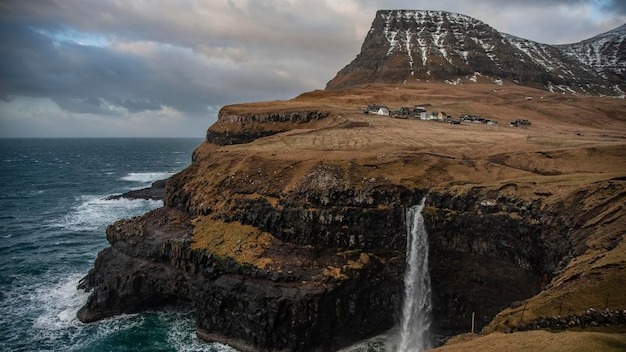
Those same analysts argue that travelers chasing wild North Atlantic scenery should instead look at the Faroe Islands, which offer similar volcanic cliffs, waterfalls and turf roofed villages with far fewer crowds. A detailed comparison in the piece titled Here Are the Most Overrated Overpriced Travel Destinations And Where To Go Instead spells this out directly with the line, “Instead of Iceland, Visit the Faroe Islands,” highlighting that government subsidies help keep some local costs more affordable. When I look at ferry schedules, hiking maps and small guesthouse listings around places like Gjógv and Saksun, I see a destination that still feels like a working archipelago rather than a backdrop for social media. A second overview of the Faroe Islands tourism reinforces that the islands remain quieter and more sustainable, which matters for travelers who want their money to support local life instead of accelerating a housing crunch.
2) The Maldives vs. Zanzibar and Palawan
The Maldives sell a fantasy of overwater bungalows, private butlers and crystal water, but recent travel money reporting calls out just how aggressively that fantasy is priced. One breakdown of Most Overrated and Overpriced Travel Destinations And Where To Go Instead notes that a single night in a typical resort can rival a weeklong stay in other beach regions once transfers and mandatory meal plans are added. The same analysis points out that everyday costs on resort islands are tightly controlled, so travelers pay a premium even for basic snacks or excursions. That kind of price structure has implications for who can access the country, turning large parts of the archipelago into enclaves for high spenders while local workers commute from separate islands with very different living conditions.
Instead of chasing that postcard image, the same report recommends redirecting budgets to Zanzibar or Palawan, arguing, “Instead of the Maldives, Visit Zanzibar or Palawan.” On Tanzania’s Zanzibar, the piece highlights that restaurants serve meals for about 10 dollars and comfortable guesthouses can be found for roughly 45 to 83 dollars per night, a fraction of what many Maldivian resorts charge. In the Philippines, Palawan offers limestone cliffs, lagoons and coral reefs that rival Indian Ocean scenery, yet local ferries and family run inns keep costs grounded in the regional economy. When I compare these options, I see a clear trade off: slightly less polished branding, but far more interaction with local markets, music and food. That shift matters for travelers who want their money to circulate in communities rather than in isolated luxury compounds.
3) Tulum vs. Bacalar
Tulum has shifted from sleepy beach town to global shorthand for boho luxury, and the price tag has followed. In the same package of Most Overrated and Overpriced Travel Destinations And Where To Go Instead, travel money specialists describe Tulum as a place where hotel rates and restaurant tabs now rival major cities, even while infrastructure struggles to keep up. They point to traffic jams on the single coastal road, crowded beach clubs that charge steep cover fees and rising complaints from residents about noise and waste. Another analysis of overrated destinations notes that you “will not find” the quiet, low key Caribbean vibe that early visitors remember, especially as new developments push deeper into the jungle without matching investment in water or sewage systems. For travelers, that means paying premium rates for an experience that can feel more like a festival circuit than a coastal town.
Those same experts repeatedly recommend shifting south to Bacalar, a lakeside town built around the so called Lagoon of Seven Colors. In the detailed comparison of overrated travel spots and smarter alternatives, they explain that buses from Tulum or Cancún reach Bacalar in about a three hour ADO bus ride, which keeps transfers simple even for first time visitors. A separate look at Bacalar travel highlights that small hotels and guesthouses still dominate the waterfront, with prices that undercut Tulum’s boutique resorts while offering direct access to paddleboarding and sailing on clear freshwater. When I weigh those details, Bacalar emerges as the better value play, with calmer nights, lower bills and a tourism model that still leaves room for residents to live near the water rather than being pushed inland by speculative development.
4) Dubai vs. Oman
Dubai, United Arab Emirates (UAE) has built its reputation on superlatives, from the Burj Khalifa to indoor ski slopes, but budget analysts increasingly flag it as an overrated vacation spot. One report titled 5 Overrated Vacation Spots To Avoid in 2026 states plainly that “Dubai, United Arab Emirates (UAE) Dubai can be quite the experience for many travelers. However, it can also feel a little artific,” capturing the sense that the city’s malls and mega projects can overshadow any real connection to the region. That same piece underlines how hotel rates, restaurant bills and attraction tickets add up quickly, especially in peak season, turning even short breaks into high spend trips. When I look at those numbers alongside airfare and airport transfers, Dubai starts to resemble a theme park for luxury consumption rather than a gateway to the Arabian Peninsula.
The same analysis suggests that travelers interested in deserts, mountains and historic ports should consider spending more time in Oman rather than Dubai. In the detailed comparison of overrated vacation spots, the authors recommend Oman as a place where visitors can camp under stars in the Wahiba Sands, hike in the Al Hajar Mountains and wander old souqs in Muscat while paying less for accommodation and activities than in Dubai’s resort districts. A follow up look at overrated vacation spots repeats that guidance, stressing that Oman delivers a more grounded sense of Gulf culture. For travelers, the implication is clear: by shifting a short flight or road trip east, they can swap indoor ski runs and choreographed fountains for wadis, fortresses and coastal villages, usually while trimming their daily spend and supporting tourism that is still closely tied to local traditions.
More From The Daily Overview
*This article was researched with the help of AI, with human editors creating the final content.

Cole Whitaker focuses on the fundamentals of money management, helping readers make smarter decisions around income, spending, saving, and long-term financial stability. His writing emphasizes clarity, discipline, and practical systems that work in real life. At The Daily Overview, Cole breaks down personal finance topics into straightforward guidance readers can apply immediately.
