If you do not fully trust traditional banks, you still need safe, practical places to park cash. Recent reporting on alternatives outside the banking system highlights several options that protect your principal while keeping money accessible. I will walk through four choices that align with that guidance and help you avoid simply stuffing bills at home.
1) Credit Unions
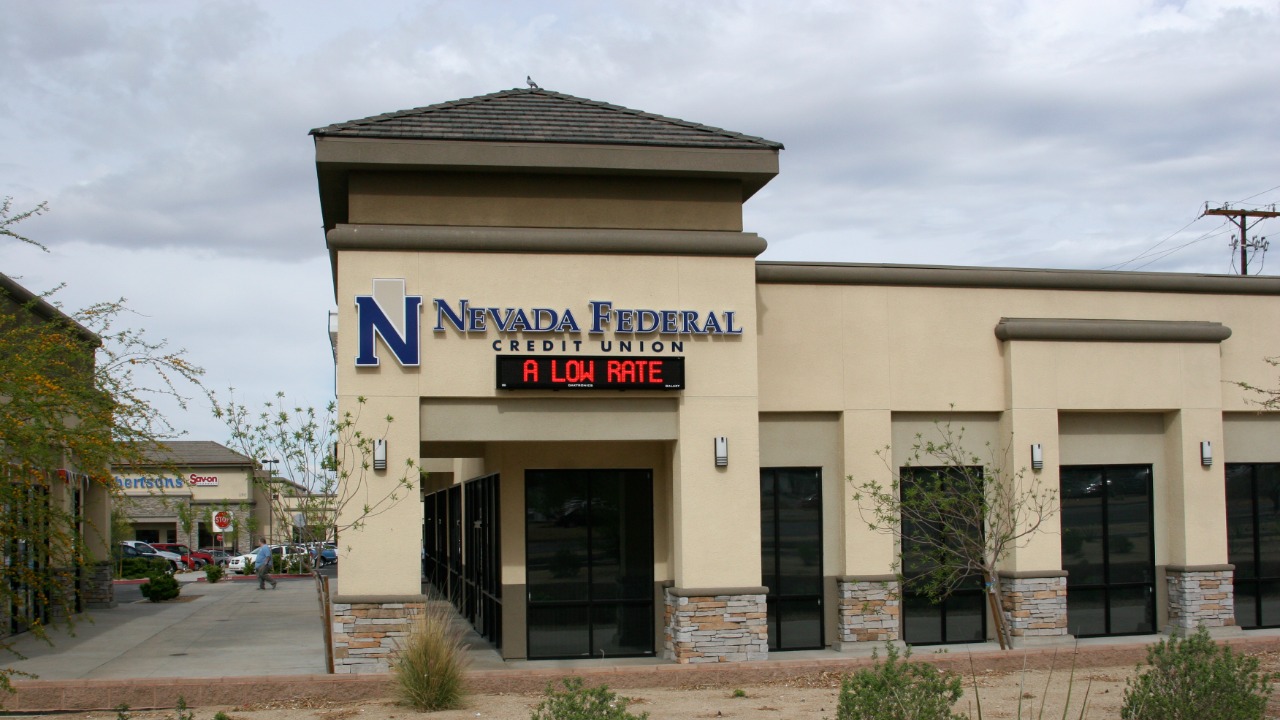
Credit unions are member-owned institutions that function much like banks but are structured to serve depositors rather than outside shareholders. Reporting on alternatives for people who do not trust banks notes that credit unions offer similar protections, with deposits insured up to 250,000 dollars per member by the NCUA. That coverage mirrors the federal backstop people expect from bank accounts, which is crucial if you are worried about institutional failures or policy shifts.
Because credit unions are locally focused and member controlled, they can feel less opaque than large national banks, while still providing checking, savings and even short-term certificate of deposit options. For savers who want to park cash but remain outside the big-bank ecosystem, this structure can reduce perceived risk without sacrificing electronic payments, ATM access or direct deposit. The broader trend, highlighted in recent coverage, is that more cautious consumers are using credit unions as a middle ground between cash under the mattress and Wall Street.
2) Treasury Securities
Treasury securities, including Treasury Bills and longer Treasury Notes, are repeatedly cited as one of the safest places to hold cash when you are uneasy about banks. A detailed guide to alternatives if federal deposit rules change points out that Treasury Bills are backed by the full faith and credit of the United States government, so their safety does not depend on any single bank’s balance sheet or the Federal Deposit Insurance Corporation. That makes them especially appealing if you are watching potential changes to FDIC coverage under President Donald Trump.
Short-term Treasuries can be purchased directly from the government or through brokerage platforms, and they can be timed to mature when you expect to need the money. Another analysis of alternatives for people who mistrust banks and the stock market underscores that government securities are “the safest place” to store cash-like savings, even compared with other conservative investments. The implication is clear for savers, especially retirees and small-business owners, who want to prioritize principal protection over chasing higher yields.
3) High-Yield Online Savings Accounts
High-yield online savings accounts give you a way to keep money in cash form while avoiding the physical risks of storing bills at home. A recent warning against home cash hoards recommends shifting money into online savings instead of relying on safes or hiding spots that are vulnerable to theft, fire or simple forgetfulness. Separate reporting on the best High yield accounts notes that these platforms, often run by fintech-focused institutions, typically pay higher interest than brick-and-mortar branches.
Because these accounts are structured as savings products at insured institutions, balances are generally covered by the FDIC up to 250,000 dollars per depositor, per bank, or by equivalent protections at credit unions. That combination of digital convenience, federal insurance and competitive yields makes them a straightforward upgrade from cash in a drawer. For households juggling emergency funds, tax payments or upcoming tuition bills, the ability to move money quickly while still earning interest is a practical hedge against both inflation and institutional anxiety.
4) Money Market Funds
Money market funds invest in short-term, high-quality instruments and are designed to keep a stable value while paying modest yields. Coverage of where to park short-term cash highlights that a Money Market Account or fund can sit alongside an Online Savings Account, a Certificate of Deposit and Treasury Bills as a core cash tool. Separate analysis of how to prepare if interest rates fall in 2025 notes that money market vehicles often hold up relatively well when yields decline, because they continuously roll into new short-term holdings.
Unlike bank deposits, money market funds are not insured by the FDIC, so investors need to understand that they are securities, not savings accounts. However, they spread risk across many issuers and keep liquidity high, which is why several guides to alternatives for people who do not trust banks still include them as a key option. For investors managing large balances, such as business reserves or down-payment funds, that mix of diversification, daily access and rate resilience can be a compelling complement to insured accounts and Treasuries.
More From TheDailyOverview
- Dave Ramsey says these two simple questions show whether you’re rich or poor
- Retired But Want To Work? Try These 18 Jobs for Seniors That Pay Weekly
- IRS raises capital gains thresholds for 2026 and what’s new
- 12 ways to make $5,000 fast that actually work

Cole Whitaker focuses on the fundamentals of money management, helping readers make smarter decisions around income, spending, saving, and long-term financial stability. His writing emphasizes clarity, discipline, and practical systems that work in real life. At The Daily Overview, Cole breaks down personal finance topics into straightforward guidance readers can apply immediately.

