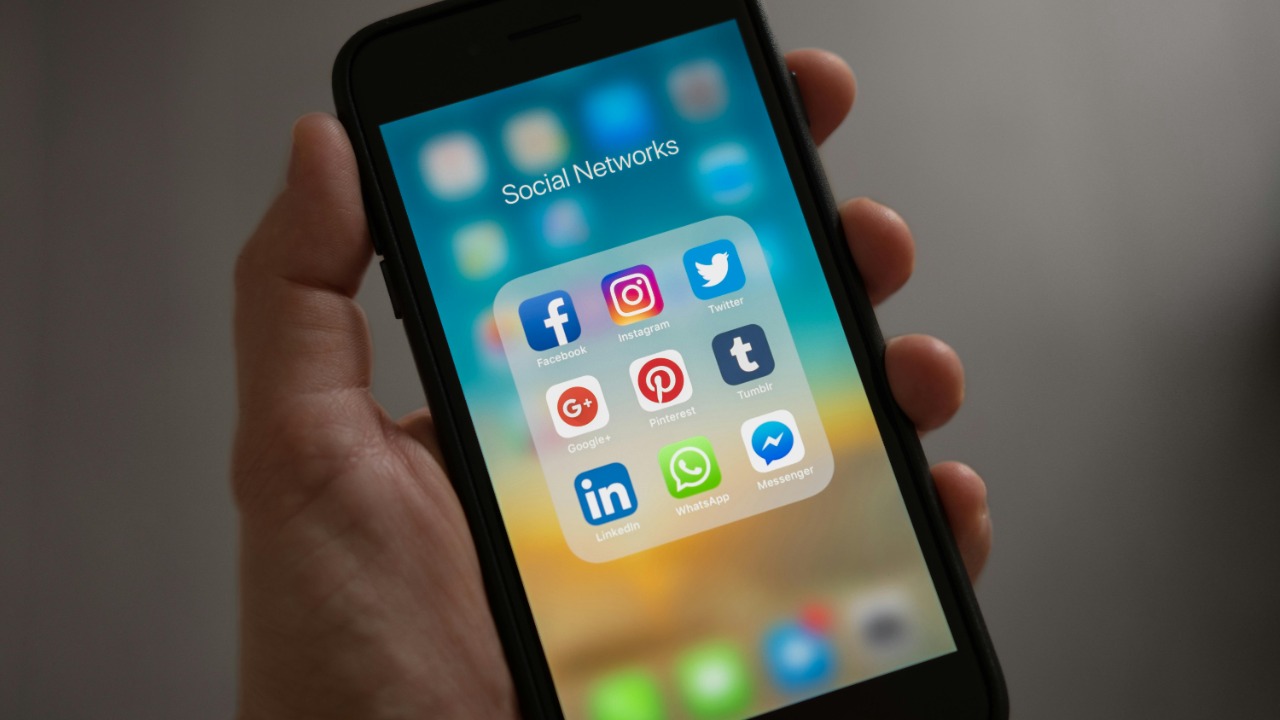
Social media has become an integral part of our daily lives, influencing everything from our social interactions to our financial decisions. However, its pervasive presence can have unintended consequences, particularly on our savings. This article explores four ways social media can negatively impact your financial health, drawing on recent studies and personal experiences to highlight the potential pitfalls.
1) Social Media’s Hidden Costs on Family Budgets via Child Impacts
Social media’s influence extends beyond individual users, affecting entire families, particularly through its impact on children. According to a report on how social media can negatively affect your child, the platform’s pervasive nature can lead to increased family expenses. These costs often arise from the need to address issues such as cyberbullying, mental health support, and the pressure to keep up with trends that children are exposed to online.
For instance, the pressure to conform to social media standards can lead to increased spending on clothing, gadgets, and other items that children feel they need to fit in with their peers. This pressure can strain family budgets, diverting funds from savings to meet these perceived needs. Moreover, the emotional toll of social media on children can necessitate professional counseling or therapy, further increasing financial burdens. The Washington Times highlights how devices bring out negativity and distract young minds, which can lead to costly interventions.
Additionally, the need for constant connectivity can lead to higher expenses for internet services and devices. Families may find themselves upgrading their internet plans or purchasing the latest smartphones to ensure their children remain connected, further eroding their savings. The financial implications of social media’s impact on children are significant, underscoring the need for parents to be vigilant about their children’s online activities and the associated costs.
2) Recent Warnings on Long-Term Financial Risks from Youth Exposure
The financial risks associated with social media are not limited to immediate expenses; they also pose long-term threats to savings. A report dated January 15, 2024, underscores the urgent dangers that social media poses to financial health over time. This report highlights how unchecked social media use can lead to poor financial habits among youth, who may carry these habits into adulthood.
One of the key concerns is the development of impulsive spending habits. Social media platforms are rife with advertisements and influencer promotions that encourage users to make spontaneous purchases. This behavior can become ingrained, leading to a cycle of spending that undermines long-term savings goals. The constant exposure to curated lifestyles and luxury items can create unrealistic expectations and financial strain as individuals attempt to emulate these lifestyles.
Moreover, the report suggests that social media can contribute to a lack of financial literacy among young users. With financial education often taking a backseat to more engaging content, young people may not develop the skills necessary to manage their finances effectively. This lack of knowledge can lead to poor investment decisions and inadequate savings, jeopardizing their financial future. The stakes are high, as these habits can have lasting effects on an individual’s ability to build wealth and achieve financial stability.
3) Opportunity Losses from Not Quitting Social Media Habits
The decision to quit social media, even temporarily, can reveal significant opportunity costs associated with its use. An article titled “I Quit Social Media for 5 Weeks and Here’s What Happened” highlights the benefits of stepping away from these platforms. The author discovered that quitting social media freed up time and mental space, allowing for more productive activities that could enhance financial well-being.
One of the most notable benefits of quitting social media is the increase in available time. Without the constant distraction of notifications and the urge to scroll through feeds, individuals can focus on activities that contribute to their financial goals. This might include pursuing additional education, developing new skills, or even starting a side business. These activities can lead to increased income and savings, providing a more secure financial future.
Additionally, stepping away from social media can improve mental clarity and decision-making. The constant barrage of information and opinions on social media can cloud judgment and lead to impulsive decisions. By taking a break, individuals can gain perspective and make more informed choices about their finances. This clarity can lead to better budgeting, smarter investments, and ultimately, greater savings. The experience of quitting social media demonstrates the potential for significant financial gains when individuals reclaim their time and focus.
4) Lessons from Past Experiments on Avoiding Scroll-Induced Waste
Experiments conducted in the past have shown that social media can significantly divert resources away from financial stability. An account from January 24, 2018, provides insights into how pre-2020s habits still demonstrate social media’s role in financial waste. The experiment involved quitting social media for an extended period, revealing the extent to which these platforms can consume time and money.
One of the key findings from this experiment was the realization of how much time was previously spent on social media. This time, once redirected, was used for more productive pursuits, such as learning new skills or engaging in activities that promote personal growth. These pursuits not only enhance individual well-being but also contribute to financial stability by opening up new income opportunities and reducing unnecessary spending.
Furthermore, the experiment highlighted the financial waste associated with social media-induced purchases. The constant exposure to advertisements and influencer endorsements can lead to impulsive buying decisions that drain savings. By stepping away from social media, individuals can break this cycle and make more deliberate purchasing decisions. This shift in behavior can lead to significant savings over time, as individuals prioritize their financial goals over fleeting desires.
The lessons from these past experiments underscore the importance of being mindful of social media’s impact on financial health. By recognizing the potential for waste and taking steps to mitigate it, individuals can protect their savings and work towards a more secure financial future.
More From TheDailyOverview
- Dave Ramsey says these two simple questions show whether you’re rich or poor
- Retired But Want To Work? Try These 18 Jobs for Seniors That Pay Weekly
- IRS raises capital gains thresholds for 2026 and what’s new
- 12 ways to make $5,000 fast that actually work

Cole Whitaker focuses on the fundamentals of money management, helping readers make smarter decisions around income, spending, saving, and long-term financial stability. His writing emphasizes clarity, discipline, and practical systems that work in real life. At The Daily Overview, Cole breaks down personal finance topics into straightforward guidance readers can apply immediately.

