Many of the world’s wealthiest individuals started from humble beginnings, overcoming significant obstacles to reach their current status. Their journeys from rags to riches are not only inspiring but also serve as reminders that success is attainable regardless of one’s starting point. Let’s explore the stories of five billionaires who built their empires from very little.
Oprah Winfrey
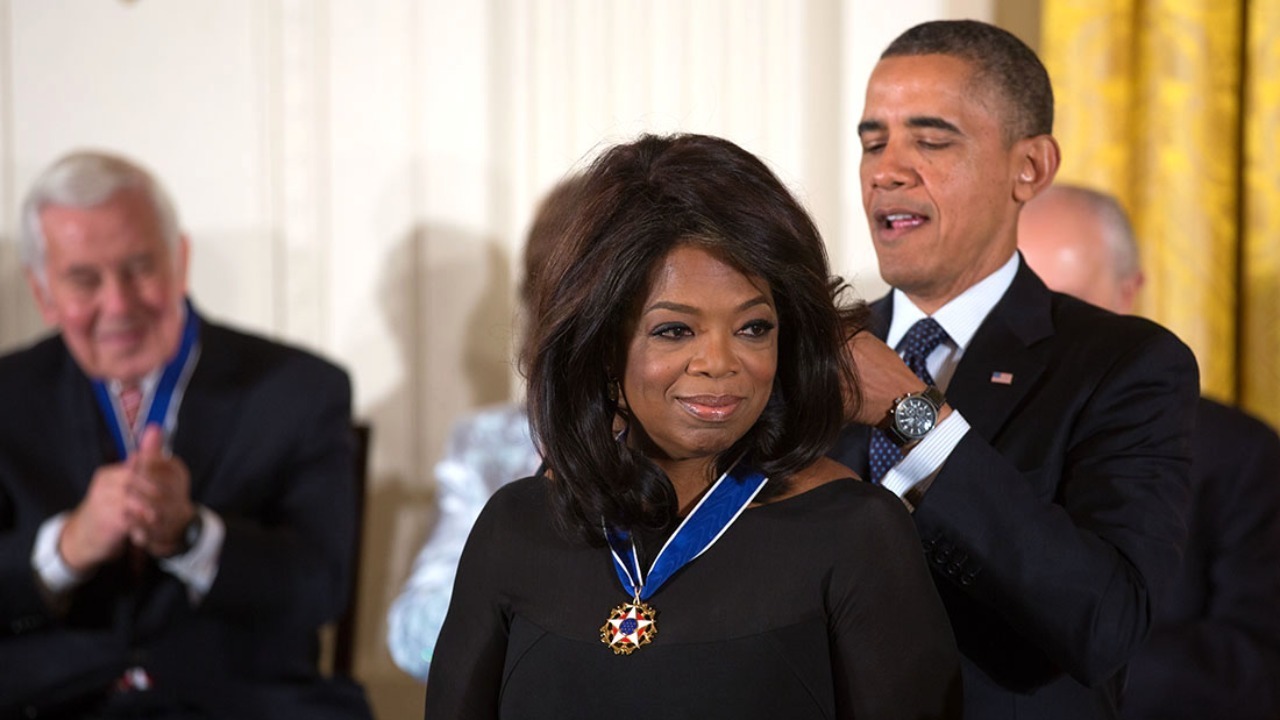
Oprah Winfrey’s rise from poverty to becoming one of the most influential women in the world is a testament to her resilience and determination. Born in rural Mississippi to a teenage single mother, Oprah faced a challenging childhood filled with abuse and hardship. Despite these adversities, she excelled in school, earning a scholarship to Tennessee State University.
Oprah’s breakthrough came when she became the host of a local talk show in Baltimore, which eventually led to her own nationwide talk show, The Oprah Winfrey Show. Her media empire expanded with the creation of Harpo Productions, and she has since become a billionaire philanthropist, investing in various charitable causes and businesses.
Howard Schultz

Howard Schultz, the former CEO of Starbucks, grew up in public housing in Brooklyn, New York. His father was a truck driver, and the family struggled financially. Schultz was determined to change his circumstances, earning a football scholarship to Northern Michigan University, where he became the first in his family to graduate college.
After joining Starbucks as the director of retail operations and marketing, Schultz envisioned a coffee culture that focused on the customer experience. Although his initial efforts to buy the company faced rejection, he eventually acquired Starbucks and transformed it into the global coffee giant we know today. Schultz’s story can be explored further in resources like this CNBC article.
Ralph Lauren

Ralph Lauren, the iconic fashion designer, was born as Ralph Lifshitz in the Bronx, New York. He grew up in a working-class family and shared a bedroom with his two brothers. Despite not having a formal design education, Lauren’s passion for fashion led him to start a career in retail.
Lauren began by designing wide ties and selling them under the brand name “Polo.” His unique style quickly gained popularity, and he expanded his line into a full-fledged fashion empire. Ralph Lauren’s brand has become synonymous with classic American style, and his success is often highlighted in discussions about billionaires who started with nothing.
Jan Koum

Jan Koum, the co-founder of WhatsApp, grew up in a small village outside Kyiv, Ukraine, before immigrating to the United States with his mother at the age of 16. They lived on food stamps, and Koum taught himself computer programming by reading manuals from a used bookstore.
After working at Yahoo for nearly a decade, Koum and his colleague Brian Acton developed WhatsApp, a revolutionary messaging app that quickly gained global popularity. In 2014, Facebook acquired WhatsApp for $19 billion, making Koum a billionaire. Koum’s journey is a remarkable example of how self-taught skills and perseverance can lead to extraordinary success.
Larry Ellison

Larry Ellison, the co-founder of Oracle Corporation, was born in New York City and raised by his aunt and uncle in a modest Chicago apartment. A college dropout, Ellison worked various odd jobs before entering the tech industry. His persistence and vision led him to co-found Oracle in 1977, focusing on creating a database management system.
Under Ellison’s leadership, Oracle grew into one of the world’s largest software companies, making him one of the richest individuals globally. Ellison’s story is often mentioned in discussions about billionaires who started with very little and is a classic tale of innovation meeting opportunity.

Grant Mercer covers market dynamics, business trends, and the economic forces driving growth across industries. His analysis connects macro movements with real-world implications for investors, entrepreneurs, and professionals. Through his work at The Daily Overview, Grant helps readers understand how markets function and where opportunities may emerge.

