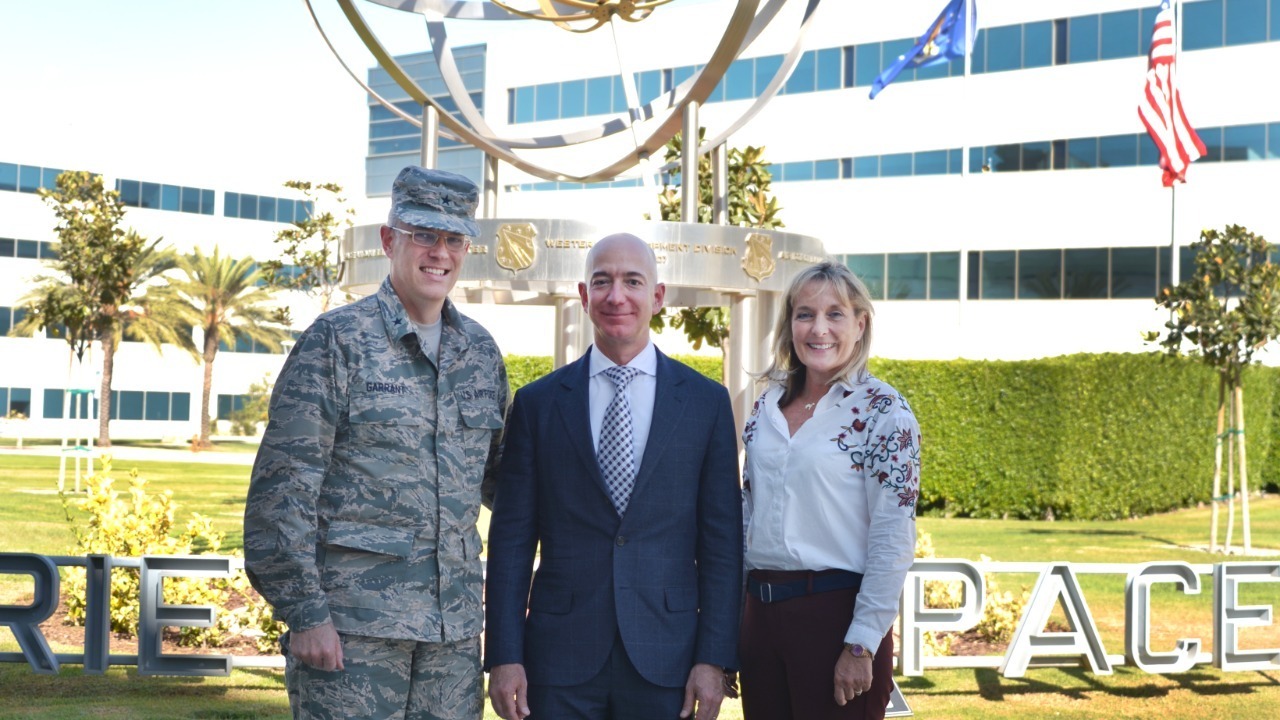
In recent years, the wealth of billionaires like Jeff Bezos has sparked widespread debate and curiosity. One intriguing hypothetical scenario is: What if Jeff Bezos decided to give every American $100? This explores the financial implications of such a gesture, examining how much it would cost and what it would mean for Bezos’s fortune.
Jeff Bezos’s Current Net Worth

Jeff Bezos, the founder of Amazon, consistently ranks among the wealthiest individuals in the world. As of recent estimates, Bezos’s net worth hovers around $228.9 billion. This staggering figure is largely attributed to his substantial holding in Amazon shares, which account for a significant portion of his wealth. Besides Amazon, Bezos has diversified his investments into other ventures such as Blue Origin, his space exploration company, and The Washington Post, which he acquired in 2013.
The valuation of Bezos’s wealth isn’t static; it fluctuates primarily with the stock market. Amazon’s stock price directly influences Bezos’s net worth, as even a minor percentage change in Amazon’s stock can result in billions of dollars in value shifting in or out of his portfolio. Such volatility highlights the complex nature of billionaire wealth and how it is often subject to market forces beyond individual control.
The Cost of Giving Every American $100

To understand the financial impact of Bezos’s hypothetical gift, we must first consider the population of the United States. The current population is approximately 331 million people. If Bezos were to give each person $100, the total cost would amount to around $33.1 billion. This is a significant sum but represents only a fraction of Bezos’s total net worth.
Comparatively, $33.1 billion is less than 15% of Bezos’s wealth, leaving him with a substantial fortune even after such an extraordinary gesture. However, the logistical challenges of distributing this money to every American should not be underestimated. Questions around efficient and accurate distribution, not to mention the administrative costs involved, would need careful consideration to ensure the funds reach every intended recipient.
Impact on Bezos’s Wealth

After distributing $100 to every American, Jeff Bezos would still retain approximately $195.8 billion. While this remains an enormous sum, it would slightly alter his ranking among the world’s wealthiest individuals. Bezos might fall slightly in the rankings, but he would undoubtedly remain a prominent figure in the billionaire class.
Beyond the immediate financial implications, such an act could also have tax implications. While the U.S. tax code is complex, gifting large sums of money can incur gift taxes, although there are ways to structure such gifts to minimize tax impact. Bezos would need to navigate these considerations carefully to ensure compliance while maximizing the benefit to recipients.
Broader Economic and Social Implications

The economic impact of a sudden $100 windfall for every American could vary significantly. For many households, an additional $100 could mean paying a bill, buying groceries, or saving for future expenses. Although $100 may seem modest individually, the collective infusion could stimulate local economies, particularly in communities where every dollar counts.
Socially, the act of a billionaire distributing wealth in this manner could shift public perception. It may encourage other billionaires to consider more direct forms of philanthropy, potentially impacting future trends in charitable giving. However, the debate on whether such one-time distributions can effectively address systemic inequality persists. The gesture might be seen as a temporary solution rather than a sustainable approach to tackling wealth disparity.
Lessons from Hypothetical Wealth Distribution

This scenario prompts a broader reflection on wealth inequality and the responsibilities of the ultra-wealthy. Historically, there are examples of billionaires engaging in large-scale charitable initiatives. For instance, Bill Gates has committed to giving away a significant portion of his fortune through the Bill & Melinda Gates Foundation. Such efforts highlight the impact that concentrated wealth can have when directed towards societal improvement.
Moreover, this hypothetical raises questions about alternative ways billionaires can contribute to societal good beyond direct financial distribution. Investments in education, healthcare, and sustainable technologies are just a few areas where substantial capital can drive lasting change. As billionaires like Bezos consider their legacies, the challenge lies in balancing personal wealth with broader societal responsibilities.
Ultimately, while the idea of Jeff Bezos giving every American $100 is an intriguing thought experiment, it underscores the complex dynamics of wealth distribution and the potential for billionaires to effect meaningful change. As we continue to navigate these debates, it’s essential to explore diverse avenues for philanthropic impact, ensuring that such efforts contribute effectively to a more equitable society.

Grant Mercer covers market dynamics, business trends, and the economic forces driving growth across industries. His analysis connects macro movements with real-world implications for investors, entrepreneurs, and professionals. Through his work at The Daily Overview, Grant helps readers understand how markets function and where opportunities may emerge.

