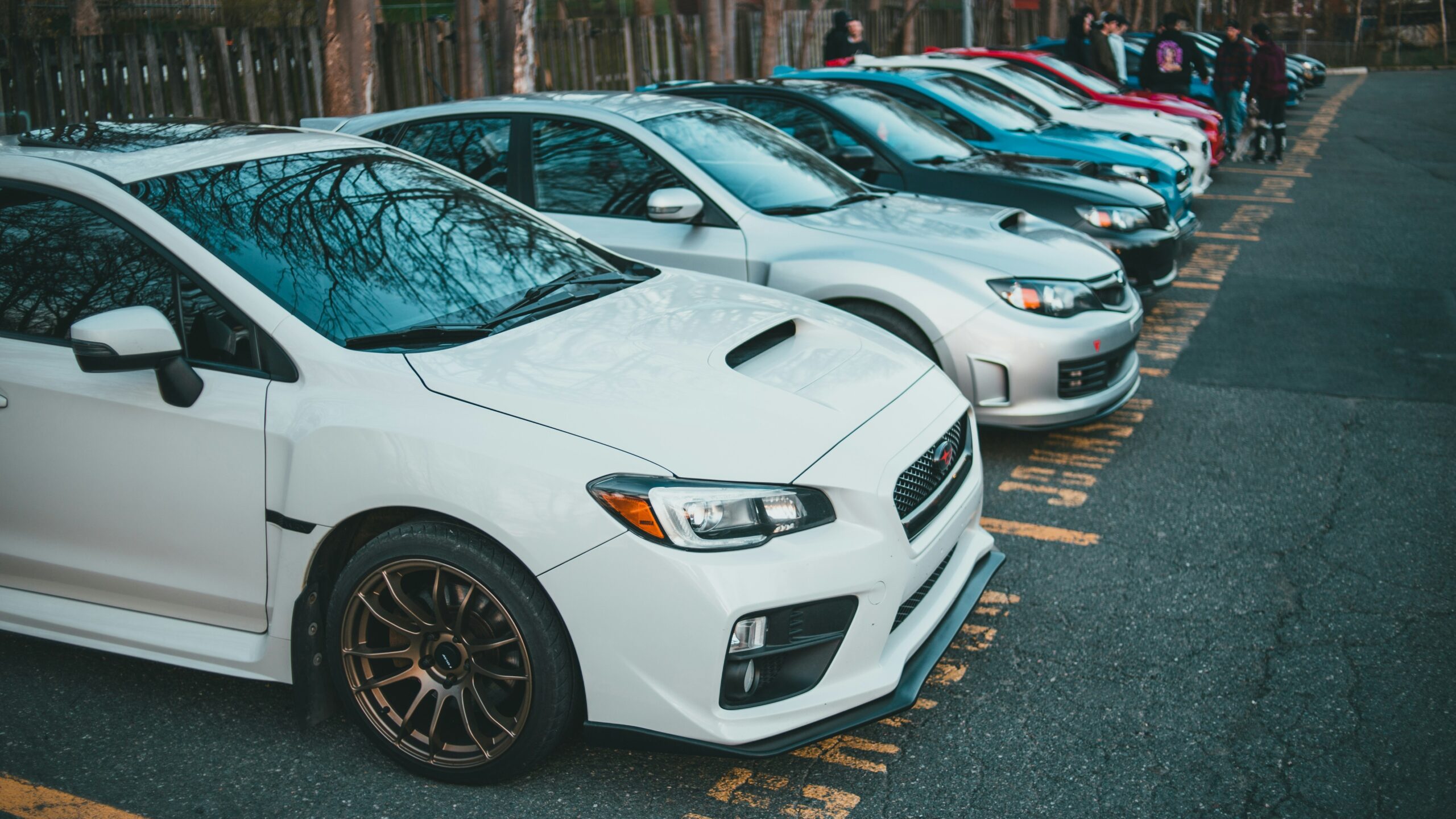
Some of the most desirable cars on the road are also the ones most likely to leave you stranded, and reliability data keeps proving that cool does not always equal dependable. When I look at recent rankings and expert picks, a pattern emerges: certain brands and engines are repeat offenders, no matter how tempting the badge or performance stats. Here are five undeniably cool cars I would never buy, because the evidence says they are crazy unreliable.
1) E60 BMW M5
The E60 BMW M5 is a legend for its screaming V10 and manual gearbox option, but it has also become a textbook example of how performance excess can wreck long term dependability. In a list of cool cars that are simply too risky to own, Doug DeMuro singles out the E60 BMW M5 as one of his favorite cars that he still would not buy, and he explains that its complex drivetrain and electronics make it a nightmare to keep on the road, especially as the cars age. That assessment lines up with broader reliability concerns around BMW, which appears among premium brands with common faults in research cited by Which, where Natalie Hitchins warns that “Our research shows how some popular cars are plagued by mechanical issues that can be expensive to fix or even dangerous for motorists.” When a car is both highly stressed and built on a platform with known weaknesses, the odds of trouble only increase.
From a buyer’s perspective, the stakes are clear. A used E60 BMW M5 might look like a bargain super sedan, but once rod bearings, throttle actuators, and SMG gearbox components start failing, repair bills can quickly exceed the car’s value. I see this as a classic case where enthusiasts underestimate the cost of keeping a complex high performance engine healthy, especially when it was never designed with 200 thousand mile durability in mind. With reliability scores for some premium European brands lagging in recent Brand reliability rankings, the E60 BMW M5 becomes less a dream car and more a rolling liability for anyone who needs dependable daily transport.
2) Mazda RX-8
The Mazda RX-8 is one of the most distinctive sports cars of its era, with rear hinged doors and a high revving rotary engine that feels nothing like a conventional four cylinder. However, The Mazda RX has earned a reputation for being troublesome, and Its rotary engine is described as fantastic when it is working properly but prone to issues that result in a reputation for going pop, according to a guide to used sports cars that flags it as a cautionary tale. That same analysis notes that, However appealing the driving experience might be, owners face repeated engine rebuilds, oil consumption problems, and flooding if the car is not warmed up correctly. When a powertrain is this sensitive to maintenance and driving style, reliability becomes a constant question mark.
In my view, the RX-8 shows how engineering experimentation can clash with real world ownership. Rotary engines demand meticulous oil changes, careful monitoring of compression, and a willingness to accept shorter engine life than a typical piston motor. For an enthusiast who treats the car as a weekend toy, that might be acceptable, but for anyone expecting a dependable daily driver, the risk is hard to justify. Broader reliability data, such as the way some brands cluster in lower tiers of Consumer Reports style rankings where Although Rivian is highlighted as the least reliable car brand, underscores how outlier powertrains often drag down long term scores. The RX-8 fits that pattern perfectly, which is why I would admire one from afar rather than park it in my own garage.
3) Rolls-Royce and Bentley modern luxury models
Rolls-Royce and Bentley occupy a rarefied corner of the market, where craftsmanship and presence matter more than spreadsheets, yet even passionate enthusiasts are wary of owning them out of warranty. Doug DeMuro openly admits that Rolls, Royce and Bentley are among the coolest cars he could imagine driving, but he also says something keeps him from purchasing Royces and Bentleys, and that something is reliability combined with staggering repair costs. When a single hydraulic suspension fault or electrical glitch can cost five figures to diagnose and fix, the risk profile changes completely for anyone who is not operating with a new car warranty and a corporate expense account. These are vehicles built to a standard, not a price, but that does not mean they are built for trouble free aging.
The broader context for these ultra luxury cars is the way Modern Luxury Cars Performance Modern vehicles pack in advanced traction control, turbocharged engines, and layers of electronics that can all fail in expensive ways, as outlined in a comparison of classic and modern luxury Models. When you combine that complexity with low production volumes and bespoke parts, you get cars that are breathtaking to experience but terrifying to maintain. I see Rolls-Royce and Bentley ownership as viable only for buyers who treat them like art pieces with a maintenance budget to match, not as practical transportation. For everyone else, the cool factor is undeniable, yet the reliability risk is simply too high to ignore.
4) Cars using early Volkswagen and Audi 2.0 TFSI engines
Some of the most stylish and enjoyable German sedans and hatchbacks of the late 2000s hide a serious mechanical Achilles’ heel under the hood. A detailed breakdown of the Top, Most Unreliable Car Engines, labeled with the warning Avoid These, singles out the Volkswagen and Audi 2.0L TFSI units (EA113 and early EA888 Gen 1) used in popular models like the Audi A4 and VW Passat, and notes that they appear in more than 200 documented problem cases involving oil consumption, timing chain issues, and carbon buildup. When an engine family is explicitly listed among the worst offenders, it casts a shadow over every otherwise attractive car that relies on it. Buyers may be drawn in by turbocharged punch and tuning potential, but the underlying design flaws can turn ownership into a cycle of repairs.
From my perspective, this is a classic example of how chasing performance and efficiency can backfire when durability testing falls short. Owners of these Volkswagen and Audi models often report adding a liter of oil every few hundred miles, facing premature timing component failures, and paying for intensive intake cleaning to address carbon deposits. Those are not minor annoyances, they are symptoms of a powertrain that was not engineered for long term reliability in real world conditions. When I weigh that against the fact that some European brands already sit in lower Reliability Tier bands in recent Reliabilit tables that group Brands by Key Data, it reinforces my decision to avoid any cool looking used car powered by these early 2.0 TFSI engines, no matter how tempting the price or spec sheet.
5) Honda Prologue
The Honda Prologue is one of the most talked about new electric SUVs, combining a familiar badge with a modern EV platform, yet early reliability signals are worrying. In a list of 10 Least Reliable Vehicles, the Honda Prologue is assigned a score of 25 out of 100, and the Article notes that even the well equipped Honda Prologue Elite Photo by Honda cannot escape concerns about build quality and software glitches. When a brand that is traditionally associated with bulletproof dependability sees a new model land near the bottom of reliability rankings, it should give any early adopter pause. Electric vehicles add layers of complexity in battery management systems, infotainment, and driver assistance tech, and if those systems are not robust, owners can face repeated trips to the dealer.
That pattern fits into a broader warning about Frequent Breakdowns and Reliability Issues Frequent breakdowns being a clear sign that a car is no longer worth keeping, as one guide to knowing when to junk a vehicle bluntly explains that repeated failures compromise both safety and peace of mind, advice that applies just as much to new EVs as to aging gas cars. I also note that some newer brands and models, including Jeep with a Predicted reliability score of 33 in one breakdown of problem prone car makers, are showing how quickly complex vehicles can slide into the unreliable category. For the Honda Prologue, the implication is straightforward: it may be a cool, forward looking SUV, but until its long term Reliability record improves and Consumer Reports style scores climb out of the basement, I would avoid buying one and wait for a proven track record instead.
More From TheDailyOverview
This article was researched with the help of AI, with editors refining and creating the final content.

Cole Whitaker focuses on the fundamentals of money management, helping readers make smarter decisions around income, spending, saving, and long-term financial stability. His writing emphasizes clarity, discipline, and practical systems that work in real life. At The Daily Overview, Cole breaks down personal finance topics into straightforward guidance readers can apply immediately.
