As you plan for retirement, choosing the right car can significantly impact your financial well-being. While European car brands are often associated with luxury and performance, some may not be the best choice for retirees due to high maintenance costs and reliability issues. Here, I explore five European car brands that might be worth avoiding in retirement, based on recent insights and reports.
1. Land Rover
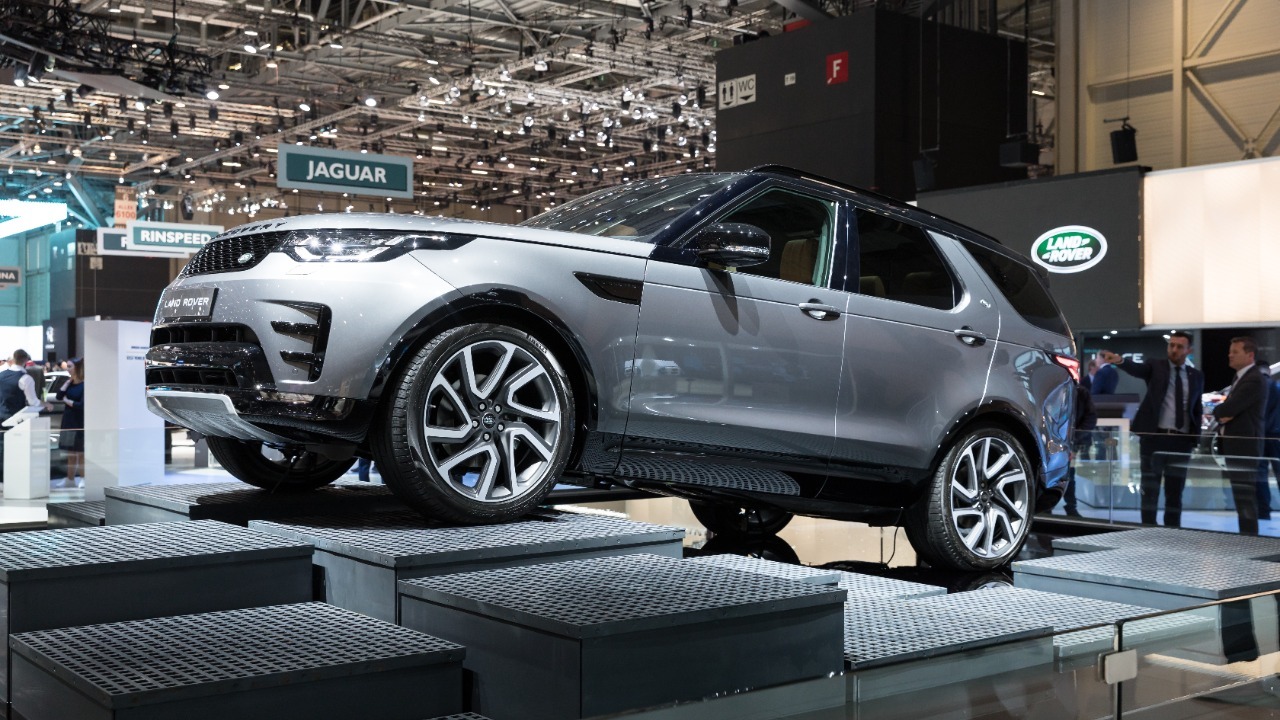
Land Rover is renowned for its off-road capabilities and luxury features, but these come at a cost. According to a report from GoBankingRates, Land Rover vehicles are notorious for their high repair costs and frequent reliability issues. For retirees, who may be living on a fixed income, the potential for expensive repairs can be a significant financial burden. The complexity of Land Rover’s technology and the cost of parts can lead to hefty bills, making it a less-than-ideal choice for those looking to minimize expenses in retirement.
Moreover, the brand’s reputation for requiring frequent maintenance can lead to unexpected costs that might strain a retiree’s budget. While the allure of a luxury SUV is strong, the financial implications of owning a Land Rover should be carefully considered.
2. Jaguar

Jaguar, another iconic British brand, is often associated with elegance and performance. However, a report from Yahoo Finance highlights the luxury maintenance burdens that come with owning a Jaguar in retirement. The brand’s vehicles are known for their sophisticated engineering, which can translate into higher maintenance and repair costs. For retirees, these expenses can quickly add up, making Jaguar a potentially costly choice.
In addition to maintenance costs, Jaguars may also suffer from depreciation, which can affect the long-term value of the vehicle. Retirees looking to preserve their savings might find that the financial demands of owning a Jaguar outweigh the benefits of its luxury appeal.
3. BMW
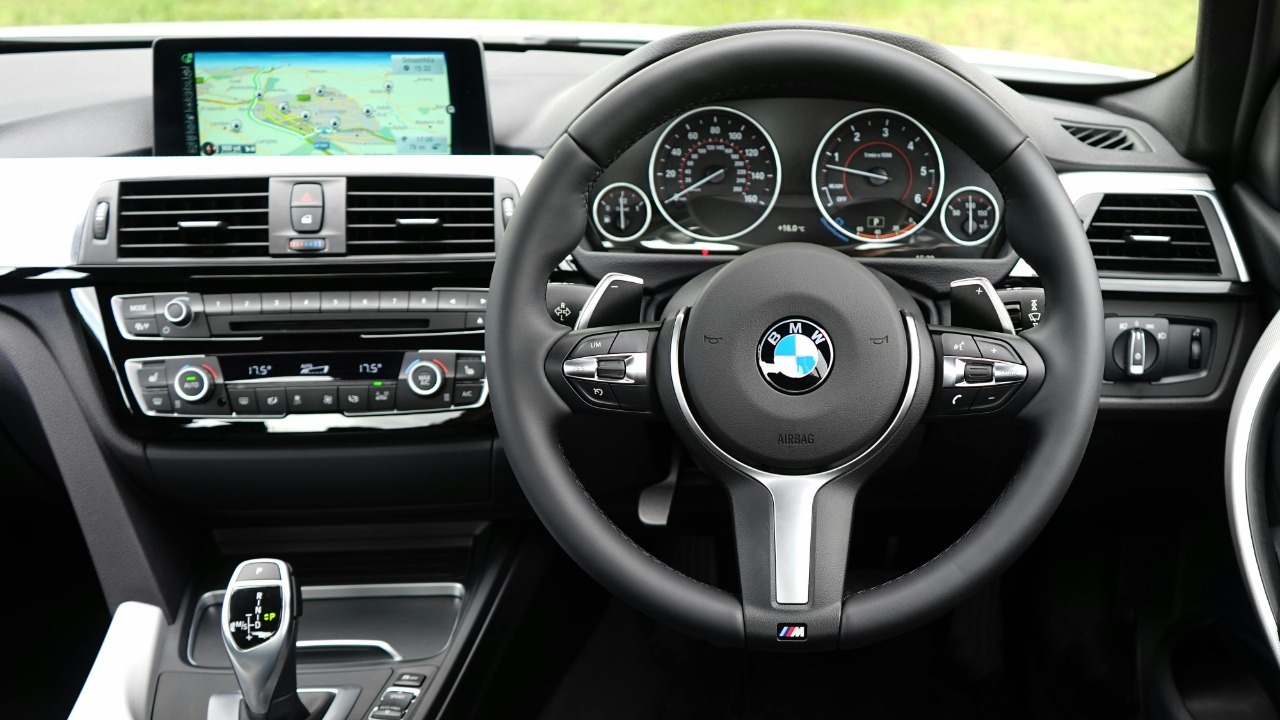
BMW is synonymous with driving pleasure and high performance, but these attributes come with a price. According to Nasdaq, BMWs, especially older models, can be expensive to maintain due to costly parts and service requirements. For retirees, who may prioritize financial stability, the ongoing expenses associated with BMW ownership can be a significant drawback.
The brand’s focus on advanced technology and performance means that repairs can be complex and costly. Retirees should weigh the enjoyment of driving a BMW against the potential financial impact of its upkeep, especially if they plan to keep the vehicle for many years.
4. Mercedes-Benz
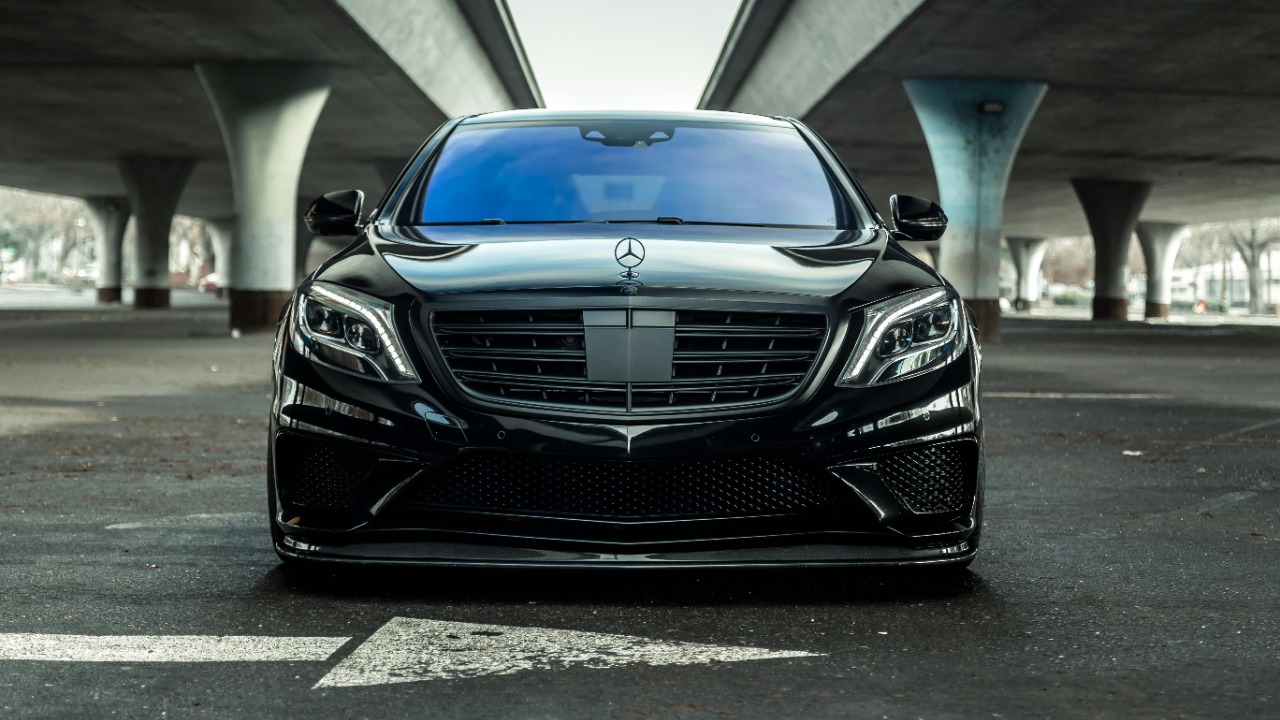
Mercedes-Benz is a symbol of luxury and prestige, but it may not be the best choice for retirees concerned about depreciation and ongoing costs. A comparison with Japanese brands, as noted by Yahoo Lifestyle, shows that certain European brands like Mercedes-Benz fare worse in terms of reliability and cost-effectiveness in retirement.
The depreciation of Mercedes-Benz vehicles can be steep, impacting the resale value and overall cost of ownership. Additionally, the brand’s luxury features often require specialized maintenance, which can be expensive. Retirees should consider these factors when evaluating whether a Mercedes-Benz aligns with their financial goals.
5. Audi
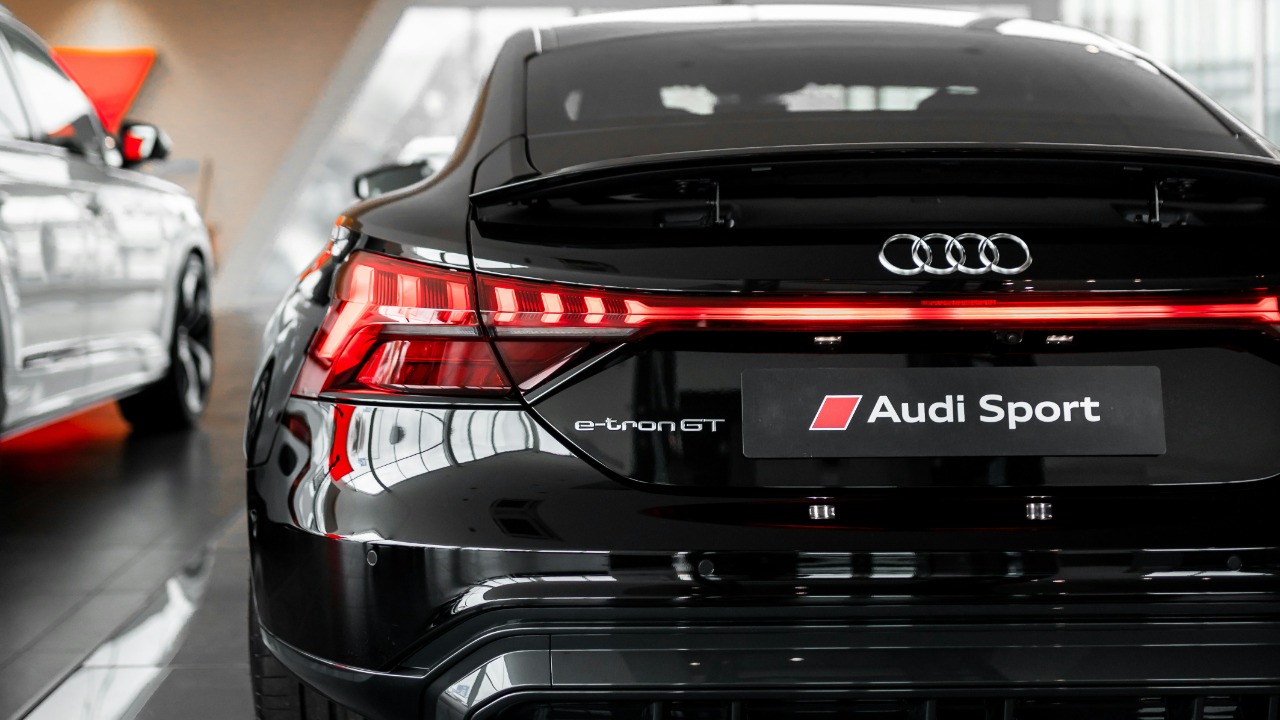
Audi is celebrated for its sleek design and cutting-edge technology, but reliability issues can make it a less attractive option for retirees. According to INKL, there are overlooked car brands that offer better reliability and value, making Audi a brand to potentially avoid in retirement.
The brand’s vehicles are known for their advanced features, which can lead to higher repair costs if issues arise. For retirees, the peace of mind that comes with a reliable vehicle is crucial, and Audi’s track record may not provide the assurance needed. Considering alternatives that offer better reliability and lower maintenance costs could be a wiser choice for those in their retirement years.

Cole Whitaker focuses on the fundamentals of money management, helping readers make smarter decisions around income, spending, saving, and long-term financial stability. His writing emphasizes clarity, discipline, and practical systems that work in real life. At The Daily Overview, Cole breaks down personal finance topics into straightforward guidance readers can apply immediately.
