
As the financial landscape evolves, credit card companies are adapting to new consumer preferences and technological advancements. From contactless payments to sustainability-focused cards, these trends are reshaping how consumers interact with their credit cards. Here are eight key trends that have gained traction recently, reflecting shifts in consumer behavior and technological integration.
1. Contactless Payments Surge
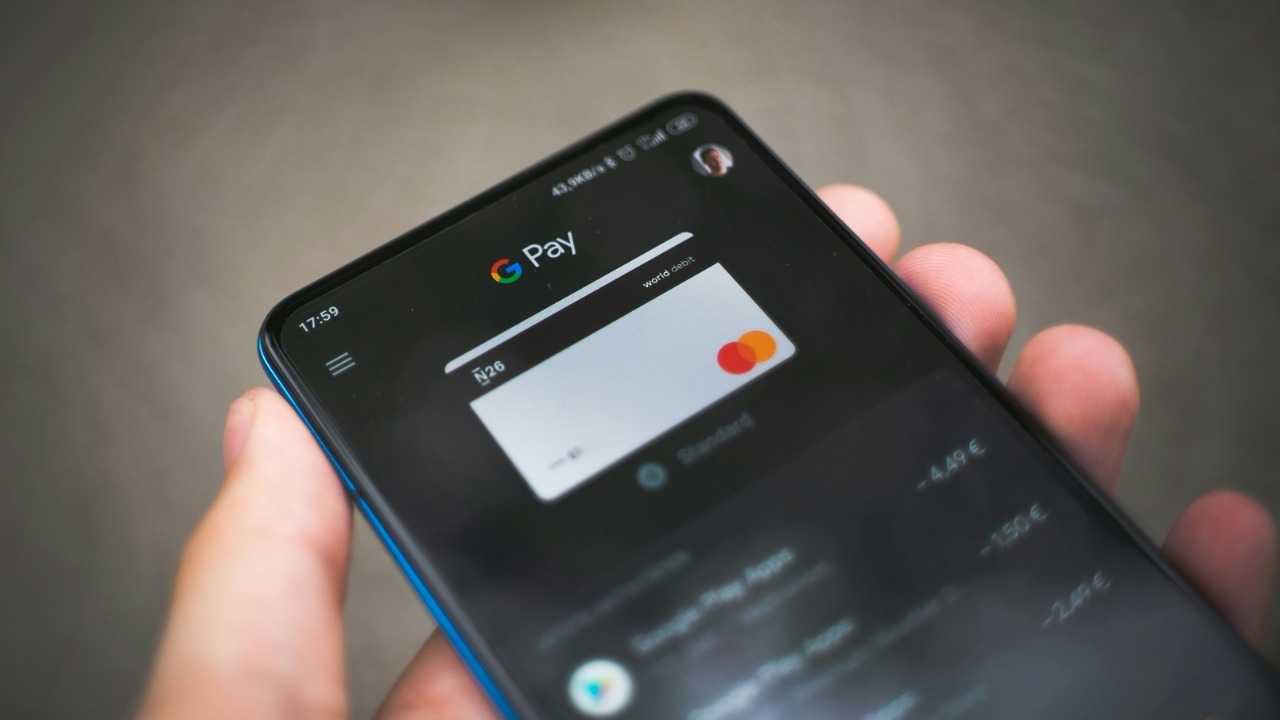
In 2023, the adoption of contactless payments via credit cards surged by 40% in the United States. This significant increase was largely driven by the integration of popular digital wallets like Apple Pay and Google Pay. These platforms have made it easier for consumers to make quick and secure transactions without the need for physical contact, aligning with the growing demand for convenience and hygiene in payment methods.
The rise in contactless payments reflects a broader trend towards digitalization in the financial sector. As more retailers and service providers adopt contactless technology, consumers are increasingly opting for this method over traditional card swipes or cash transactions. This shift not only enhances user experience but also boosts transaction security, as contactless payments are often encrypted and require authentication through biometric or passcode verification.
2. Buy Now, Pay Later Integrations

Buy Now, Pay Later (BNPL) options have become a popular feature among credit card users, with companies like Affirm and Klarna leading the charge. In the second quarter of 2024, BNPL-linked transactions saw a 25% increase, reaching a transaction volume of $24 billion. This growth highlights the appeal of flexible payment options that allow consumers to spread out their purchases over time without incurring interest, provided they meet the payment terms.
The integration of BNPL services with credit cards offers consumers greater financial flexibility, particularly for larger purchases. As more consumers become aware of these options, credit card companies are likely to continue expanding their BNPL offerings to capture this growing market segment. This trend underscores the importance of adaptability in the credit card industry as consumer preferences evolve.
3. Travel Rewards Program Revival

Travel rewards programs have seen a resurgence in popularity, with sign-ups for travel-focused rewards cards from Chase and American Express increasing by 35% in 2023. This revival is largely attributed to the post-pandemic recovery in travel, as consumers are eager to explore new destinations and take advantage of travel perks such as airline miles, hotel discounts, and exclusive experiences.
These programs not only incentivize spending but also foster brand loyalty among cardholders who frequently travel. As travel continues to rebound, credit card companies are likely to enhance their rewards offerings to attract and retain customers. The emphasis on travel perks reflects a strategic move to align with consumer desires for experiences and adventures, which have become a priority for many in the wake of the pandemic.
4. Sustainability-Linked Cards

Sustainability-focused credit cards have gained traction, with applications for eco-friendly options like Aspiration and DocuSign’s Green Card rising by 50% in 2024. These cards appeal to environmentally conscious consumers by offering features such as carbon offset programs and investments in sustainable projects.
The growing interest in sustainability-linked cards highlights a shift in consumer values towards more environmentally responsible financial products. Credit card companies are responding by developing products that not only meet financial needs but also contribute to positive environmental impact. This trend is likely to continue as awareness of climate change and sustainability issues increases among consumers.
5. AI-Driven Fraud Prevention

AI-powered fraud detection systems have become a crucial tool for credit card companies, with Visa and Mastercard preventing $1.2 billion in fraud losses in 2023. These advanced systems enhance user trust by detecting and mitigating fraudulent activities in real-time, reducing the risk of financial loss for both consumers and companies.
The implementation of AI in fraud prevention reflects the ongoing commitment of credit card companies to protect their customers’ financial information. As cyber threats continue to evolve, the use of AI technology is expected to become even more sophisticated, providing an additional layer of security and peace of mind for cardholders.
6. Virtual Card Adoption for Security

Virtual card numbers have become increasingly popular for online shopping, with usage on cards from Capital One and Citi increasing by 60% in 2024. These virtual numbers provide an added layer of security by allowing consumers to generate temporary card numbers for specific transactions, reducing the risk of data breaches and unauthorized charges.
The rise in virtual card adoption underscores the growing importance of security in e-commerce transactions. As online shopping continues to grow, consumers are seeking ways to protect their financial information from potential threats. Virtual cards offer a practical solution, enabling secure transactions without exposing the primary card number.
7. Retail Co-Branded Partnerships
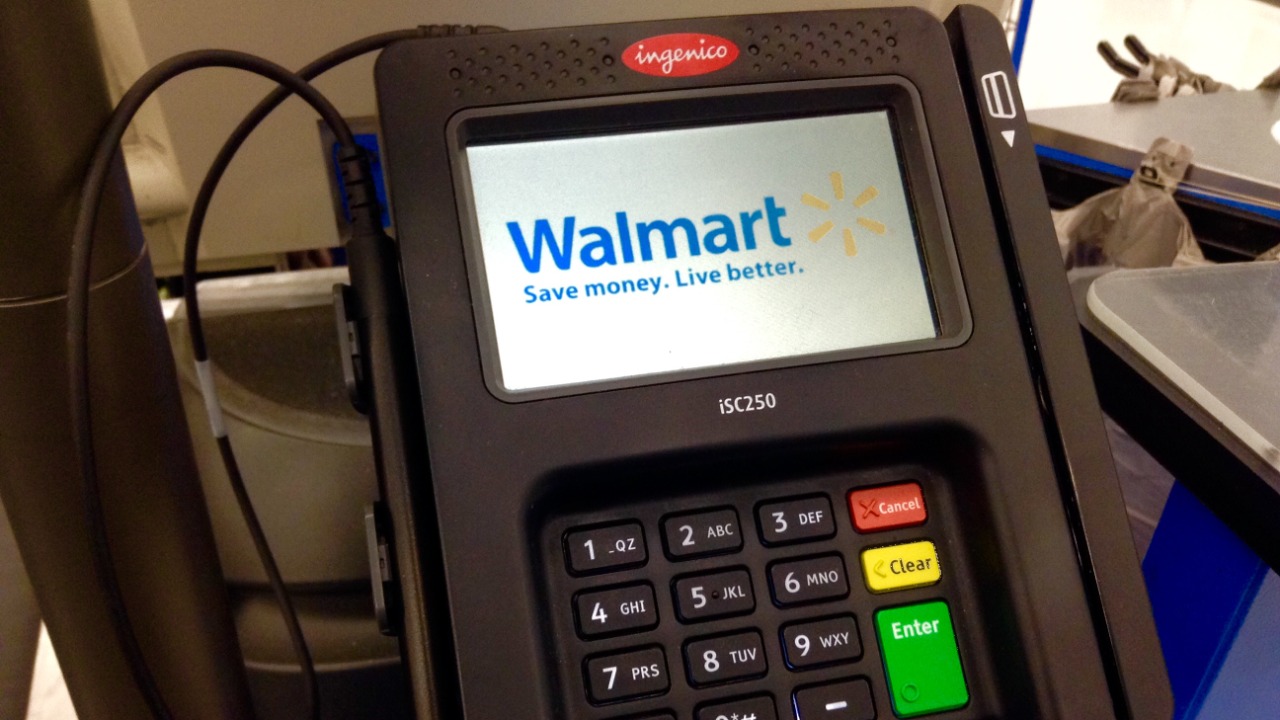
Co-branded credit cards with retailers such as Walmart and Target have seen increased popularity, with an 18% higher redemption rate in 2023 and 15 million new accounts opened. These partnerships offer consumers exclusive rewards and discounts, enhancing the shopping experience and fostering brand loyalty.
The success of co-branded cards highlights the value of strategic partnerships between credit card companies and retailers. By offering tailored rewards and benefits, these cards appeal to consumers who frequently shop at specific retailers, providing added incentives to use their cards for everyday purchases. This trend is likely to continue as retailers and credit card companies seek to differentiate themselves in a competitive market.
8. Embedded Finance in Apps
Embedded finance integrations have become a significant trend, with apps like Uber and DoorDash partnering with credit card companies such as Barclays and Synchrony. These partnerships led to a 45% increase in credit card usage in 2024, as consumers enjoy seamless payment experiences directly within their favorite apps.
The integration of financial services into everyday apps reflects a broader trend towards convenience and accessibility in financial transactions. By embedding credit card functionality into popular apps, companies can enhance user experience and drive increased usage. This trend is expected to grow as more apps incorporate financial services to meet consumer demand for integrated and hassle-free payment solutions.

Cole Whitaker focuses on the fundamentals of money management, helping readers make smarter decisions around income, spending, saving, and long-term financial stability. His writing emphasizes clarity, discipline, and practical systems that work in real life. At The Daily Overview, Cole breaks down personal finance topics into straightforward guidance readers can apply immediately.
