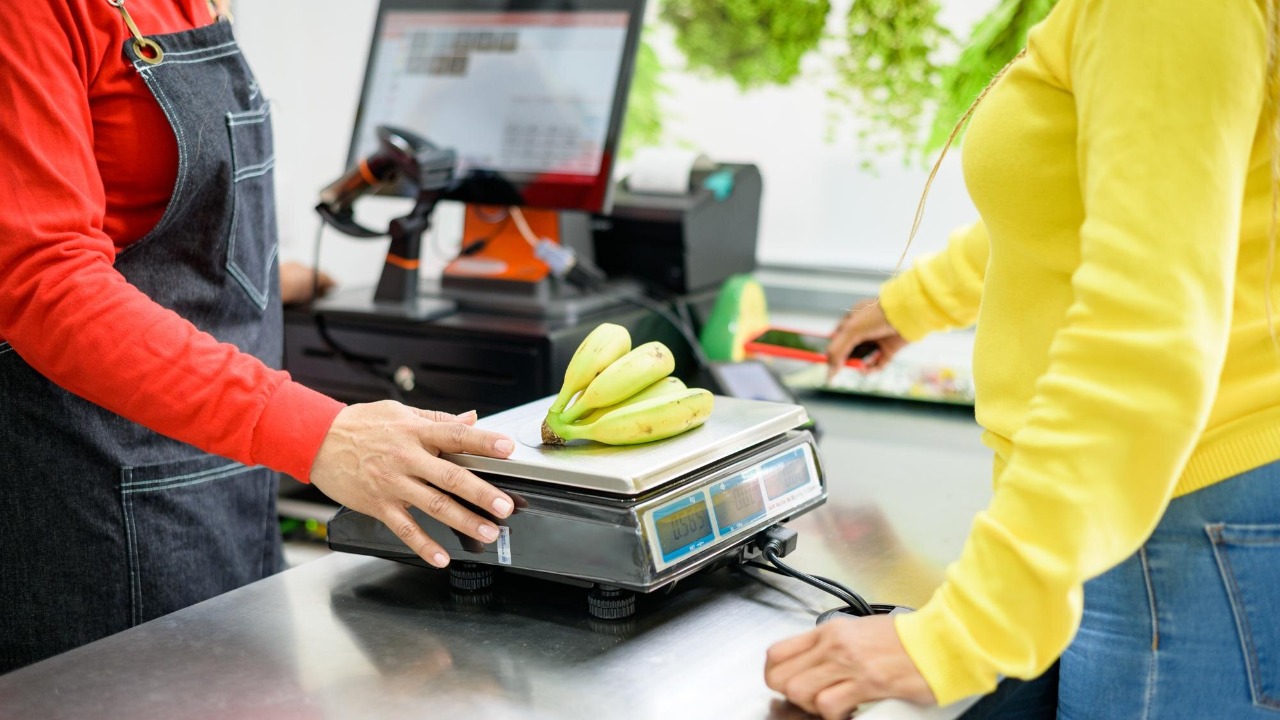
As we navigate through 2025, the cost of living continues to shift, and several everyday items are experiencing noticeable price hikes. Whether due to global economic changes, supply chain disruptions, or increased demand, these essentials are putting a strain on household budgets. Understanding which items are becoming more expensive can help in planning and budgeting more effectively.
Groceries

Groceries are a fundamental part of every household’s budget, and prices are on the rise. Factors such as changing tariffs, weather-related crop failures, and increased transportation costs are contributing to the rising prices at the grocery store. Many families are finding their weekly shopping trips more expensive than in previous years.
With staple items like bread, milk, and fresh produce inching upwards, consumers are looking for ways to manage their food expenses. Some are turning to local farmers’ markets or community-supported agriculture programs as a cost-effective alternative. Additionally, many are adopting meal planning and bulk buying strategies to stretch their dollars further.
Fuel
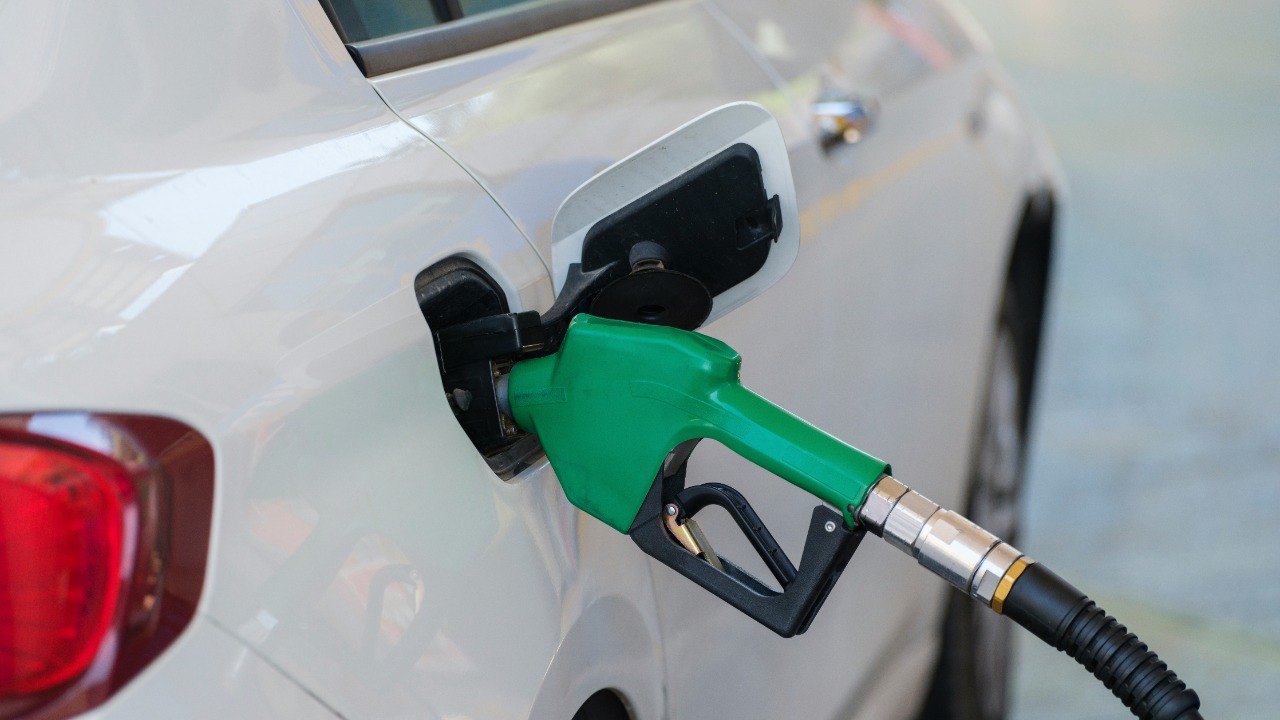
The cost of fuel is another area where consumers are feeling the pinch. Economic factors and geopolitical tensions are affecting oil production and distribution, leading to higher prices at the pump. For those who rely on their vehicles for daily commuting, this can significantly impact monthly expenses.
With the push towards renewable energy sources, the market is also experiencing a shift. Electric vehicles are becoming more popular, and while they offer long-term savings, the initial investment can be high. As a result, consumers are weighing the pros and cons of making the switch.
Clothing
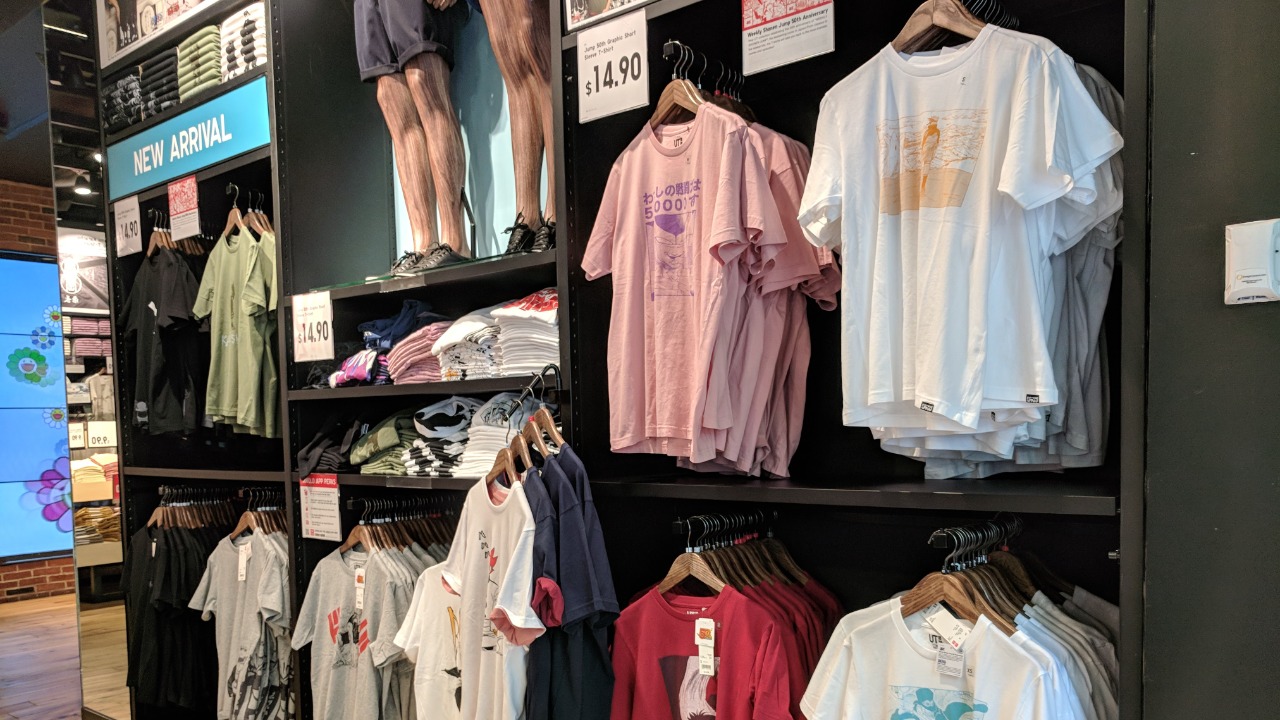
Clothing prices are also on an upward trend, influenced by supply chain disruptions and increased production costs. Many brands are passing these costs onto consumers, making apparel shopping a more expensive endeavor. Fast fashion’s environmental impact is also prompting a shift towards sustainable and ethical fashion choices, which typically come with higher price tags.
To cope with rising clothing costs, consumers are exploring alternative options such as second-hand shopping and clothing rental services. These options not only help save money but also support a more sustainable approach to fashion. As awareness grows about the environmental impact of fast fashion, many are finding value in investing in fewer, high-quality pieces.
Electronics
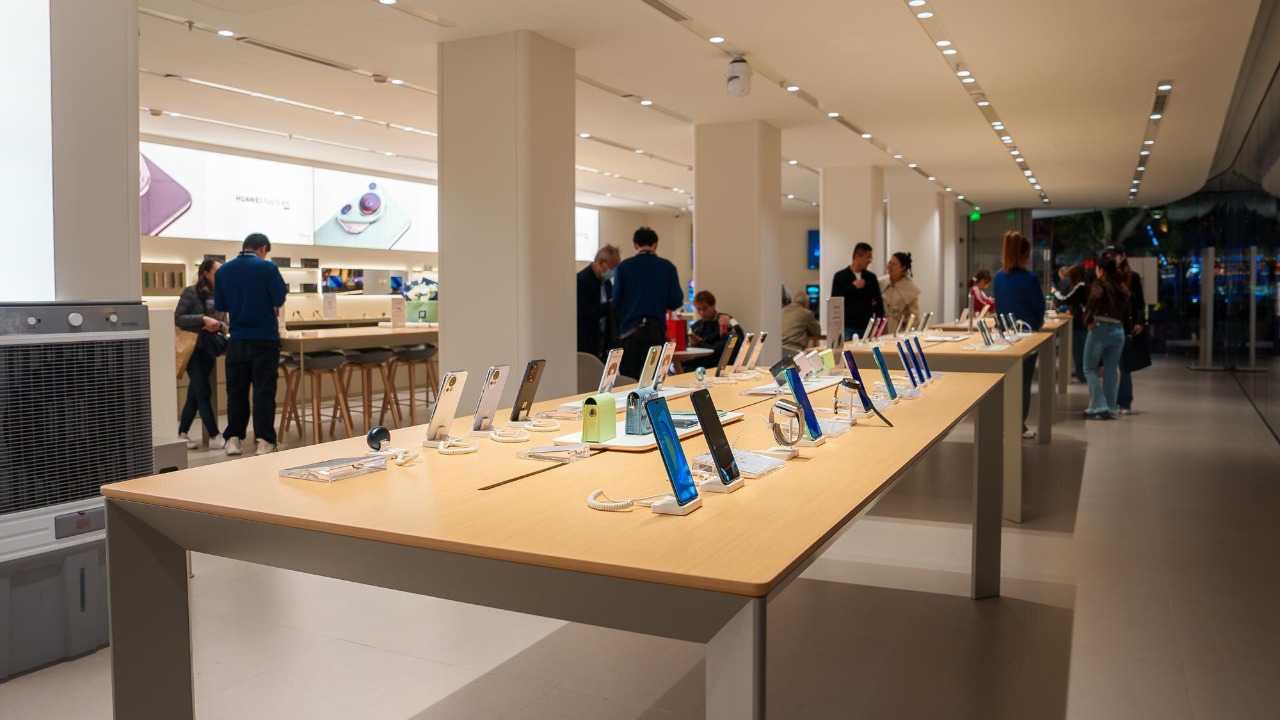
The electronics industry is no stranger to price fluctuations, and 2025 is seeing a hike in prices due to supply chain challenges and increased demand for technology. Items like smartphones, laptops, and home appliances are becoming more expensive as manufacturers face shortages in key components like semiconductors.
Consumers are now considering refurbished or older models to balance their technology needs with their budgets. Repair and upgrade services are also gaining popularity as people choose to extend the lifespan of their devices rather than purchasing new ones. This trend highlights the growing importance of sustainability in the tech industry.
Public Transportation Passes
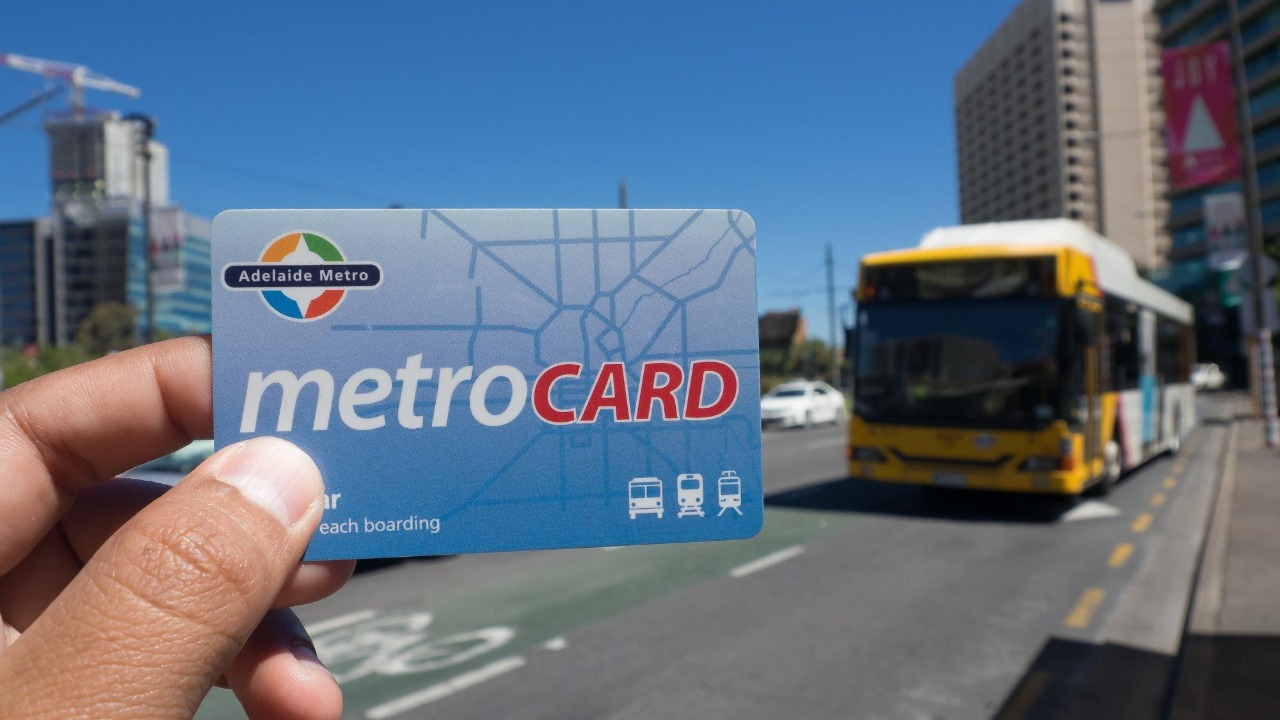
For many urban dwellers, public transportation is an essential part of daily life. However, rising operational costs, infrastructure improvements, and increased safety measures are causing a hike in the price of public transportation passes. This affects both regular commuters and occasional riders.
As fares increase, some cities are exploring options like subsidies and discounts for low-income riders to make public transportation more accessible. Meanwhile, others are investing in improving the quality and efficiency of their services to justify the cost increase. For those dependent on public transit, understanding these changes is crucial for managing their daily commute expenses.

Cole Whitaker focuses on the fundamentals of money management, helping readers make smarter decisions around income, spending, saving, and long-term financial stability. His writing emphasizes clarity, discipline, and practical systems that work in real life. At The Daily Overview, Cole breaks down personal finance topics into straightforward guidance readers can apply immediately.