
Amazon has recently issued a warning to its 200 million Prime users about a sophisticated scam that involves phishing emails disguised as official communication from the company. These emails aim to steal personal information and compromise user accounts, highlighting the need for increased vigilance among consumers. Understanding the nature of the scam, Amazon’s response, and protective measures are crucial for safeguarding user information.
The Nature of the Scam

The phishing emails targeting Amazon Prime users are meticulously crafted to mimic official company communication. These emails often include authentic-looking logos and language that mirror the tone of legitimate correspondence from Amazon. Scammers exploit these visual cues to establish trust with the recipient, making it difficult for users to distinguish between genuine and fraudulent messages.
Scammers employ a variety of psychological tactics to manipulate users into revealing personal information. By creating a false sense of urgency—such as warning of account suspension or unauthorized transactions—they pressure recipients into acting hastily without thoroughly assessing the situation. This manipulation can lead to severe consequences, including identity theft and financial loss for those who inadvertently share sensitive information.
Amazon’s Response and Warning
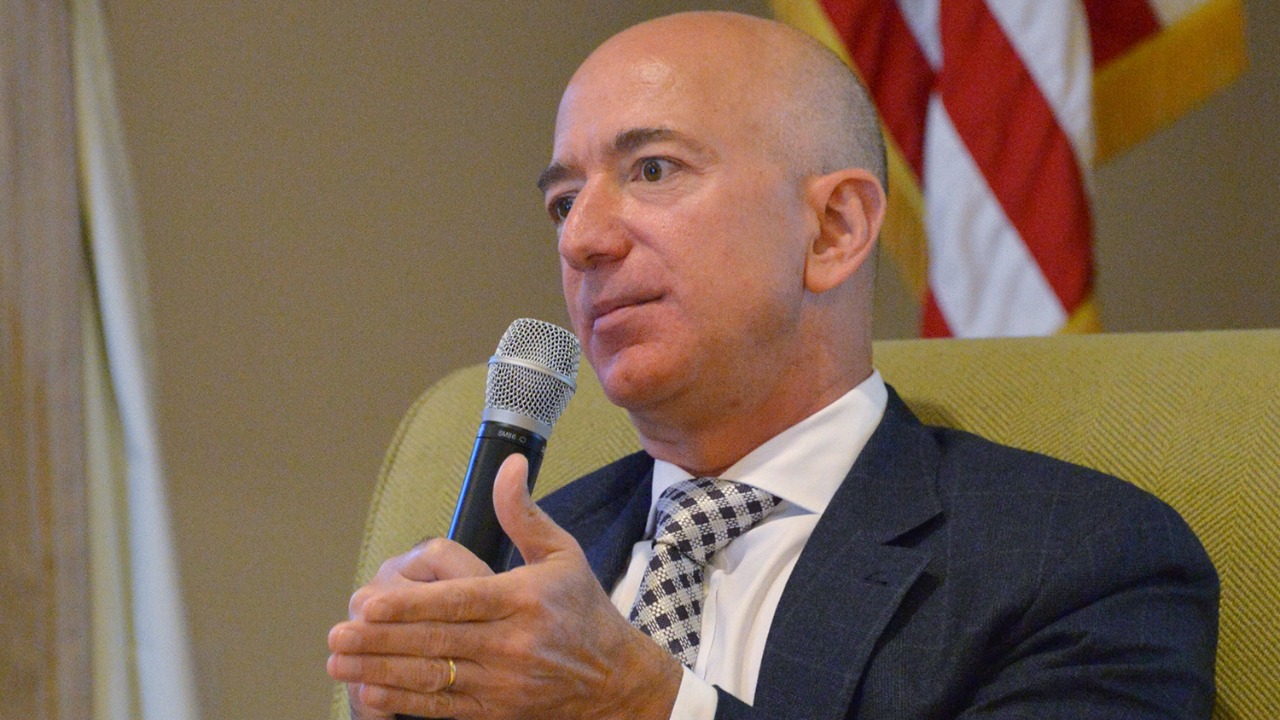
In response to the growing threat, Amazon has taken proactive measures to alert its users about the scam. The company has issued official statements and email notifications to warn users about the phishing attempts. These communications emphasize the importance of verifying the authenticity of any email claiming to be from Amazon.
Amazon is also collaborating with law enforcement agencies and cybersecurity firms to track and combat the scam. By working alongside these entities, Amazon aims to identify the perpetrators and dismantle their operations. Additionally, the company is providing educational resources to help users recognize and avoid falling victim to similar scams in the future.
Understanding the Scale of the Threat

With a global user base of over 200 million Prime members, the potential reach of this phishing scam is vast. The scammers’ ability to target such a large audience underscores the need for comprehensive security measures and user awareness. This is not an isolated incident; phishing scams have previously targeted Amazon and other major companies, revealing a pattern of persistent cyber threats that exploit the trust users place in well-known brands.
Research indicates that phishing schemes are becoming increasingly sophisticated. According to a study published in the ACM Digital Library, the complexity of these attacks is on the rise, making it more challenging for users to identify fraudulent communications. As cybercriminals continue to refine their tactics, the importance of staying informed and vigilant cannot be overstated.
Protective Measures for Users

Recognizing scam emails is the first line of defense against phishing attempts. Users should be cautious of emails with suspicious sender addresses, grammatical errors, or requests for personal information. Additionally, hovering over links to check their legitimacy before clicking can prevent users from being redirected to malicious websites.
If users suspect they have received a scam email, they should report it to Amazon immediately. This action not only helps protect their own account but also assists Amazon in identifying and addressing the broader threat. Maintaining good cybersecurity hygiene—such as regularly updating passwords and enabling two-factor authentication—further safeguards user accounts against unauthorized access.
Broader Implications for E-commerce Security
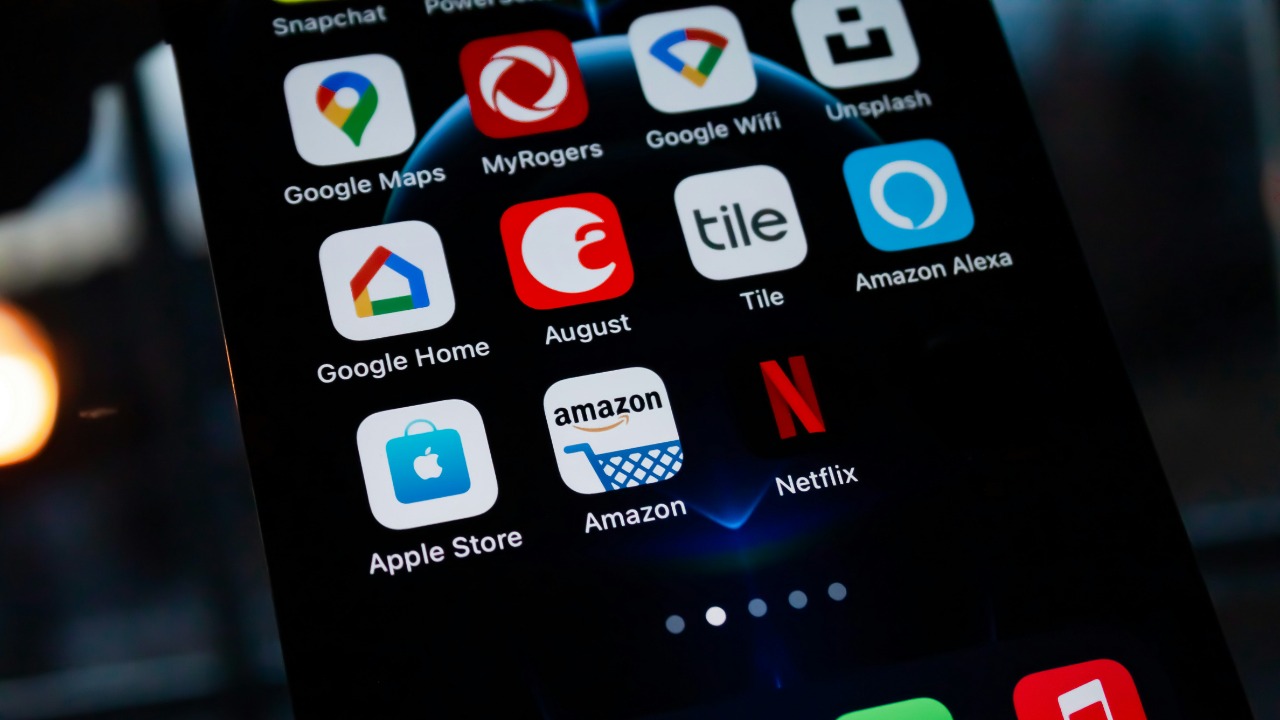
Incidents like this underscore the critical role of cybersecurity in the e-commerce industry. As more consumers rely on online platforms for shopping, the need for robust security measures to protect sensitive information becomes paramount. Companies like Amazon bear both ethical and practical responsibilities in preventing and addressing scams that target their users.
Looking ahead, the evolving nature of cyber threats suggests a continuous battle between security experts and cybercriminals. As phishing tactics become more advanced, the need for innovative security solutions and ongoing user education will only increase. The future of e-commerce security will likely involve a combination of technological advancements and increased collaboration between companies, law enforcement, and users themselves.

Grant Mercer covers market dynamics, business trends, and the economic forces driving growth across industries. His analysis connects macro movements with real-world implications for investors, entrepreneurs, and professionals. Through his work at The Daily Overview, Grant helps readers understand how markets function and where opportunities may emerge.