
When it comes to selling a home, maximizing resale value is a top priority for most homeowners. However, certain oversights can significantly reduce the amount you might expect to receive. Understanding and avoiding these common mistakes can ensure your home is attractive to potential buyers and sells for the best possible price.
1. Neglecting Curb Appeal

First impressions matter, and curb appeal is where potential buyers form their initial opinion of your home. If the exterior of your house appears unkempt or outdated, it can deter buyers before they even step inside. Overgrown lawns, peeling paint, and cluttered driveways can all contribute to a negative first impression.
Investing time and resources into maintaining your home’s exterior can pay off significantly. Simple actions like fresh landscaping, a clean driveway, and a new coat of paint can enhance your home’s appeal and make it more inviting. Remember, the goal is to make prospective buyers picture themselves living there from the moment they arrive.
2. Ignoring Necessary Repairs
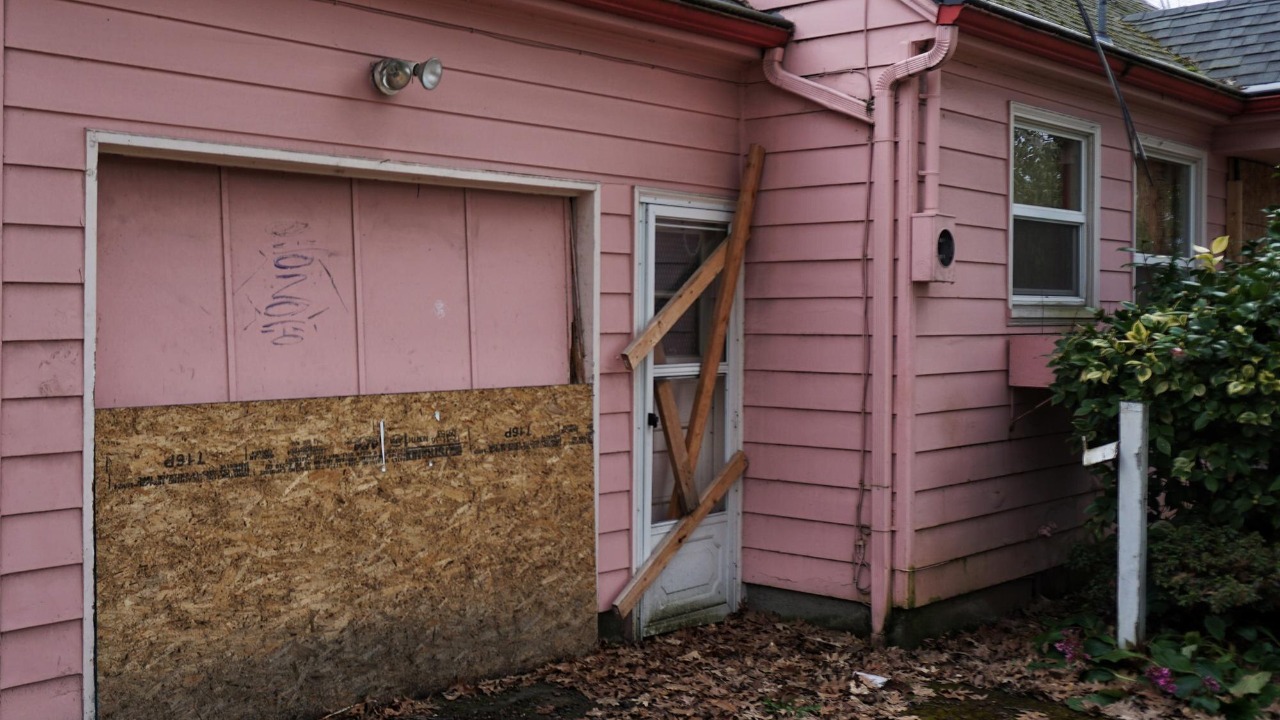
Overlooking needed repairs is a surefire way to lose resale value. Buyers are quick to notice items in disrepair, such as leaky faucets, cracked tiles, or damaged roofs. These issues can lead to assumptions that the property has not been well maintained, causing buyers to either walk away or offer significantly less than the asking price.
It’s crucial to address both minor and major repairs before listing your home. Conduct a thorough inspection and tackle any issues that could potentially scare off buyers. Being proactive not only increases your property’s value but also instills confidence in potential buyers about the home’s overall condition.
3. Overpersonalizing the Space
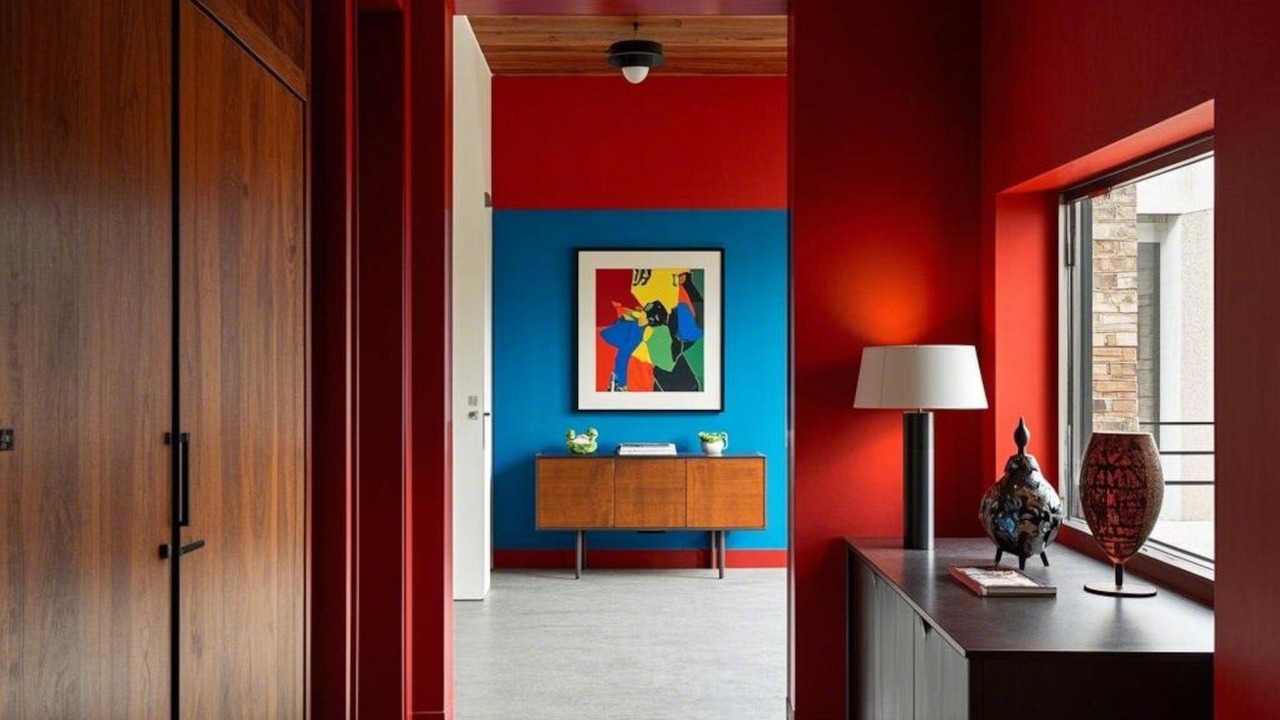
While it’s important for a home to reflect your personality, overpersonalizing can be detrimental when it comes time to sell. Highly specific decor choices, such as bold paint colors, themed rooms, or unique fixtures, might not align with everyone’s taste and can make it difficult for buyers to envision themselves in the space.
To maximize resale value, aim for a neutral and universally appealing aesthetic. Consider repainting walls in neutral tones and replacing overly personalized features with more conventional options. This approach allows buyers to more easily imagine how they might customize the space to suit their own preferences.
4. Skimping on Quality Upgrades

While upgrading your home can boost its value, opting for cheap or low-quality renovations can backfire. Buyers can easily recognize when materials or workmanship are subpar, which can lead to concerns about the longevity and safety of the upgrades. This perception can diminish the perceived value of your home.
It’s better to invest in fewer, high-quality upgrades than many cheap ones. Focus on areas that offer high returns, such as kitchens and bathrooms, and use durable, appealing materials. Quality upgrades can significantly increase your home’s appeal and are more likely to be appreciated by discerning buyers.
5. Overlooking Energy Efficiency Improvements
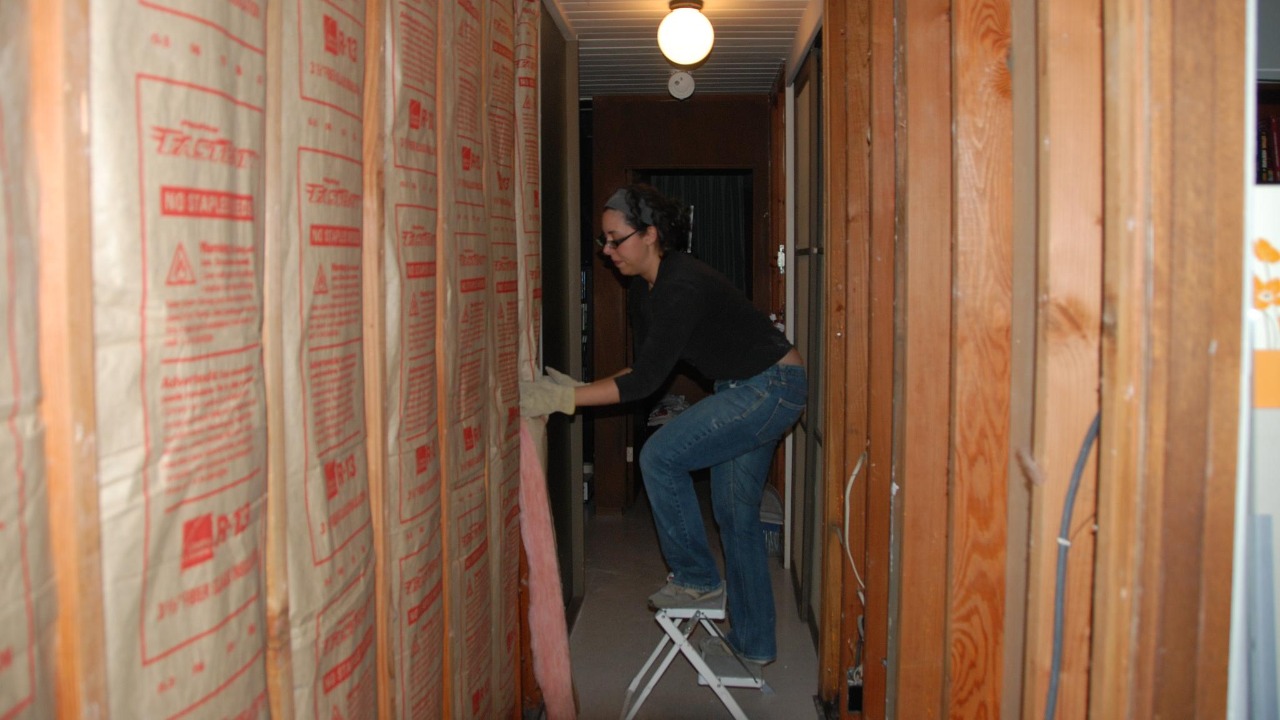
In today’s environmentally conscious world, energy efficiency is a significant selling point for many buyers. Failing to update your home with energy-efficient features can be a missed opportunity to increase its value. Simple changes, like adding insulation, installing energy-efficient windows, or upgrading to Energy Star-rated appliances, can make a big difference.
Not only do these improvements appeal to eco-conscious buyers, but they also promise to reduce utility bills, offering long-term savings. According to real estate experts, energy-efficient homes often sell faster and for more money. Therefore, making these upgrades is a worthwhile investment if you want to remain competitive in the market.

Elias Broderick specializes in residential and commercial real estate, with a focus on market cycles, property fundamentals, and investment strategy. His writing translates complex housing and development trends into clear insights for both new and experienced investors. At The Daily Overview, Elias explores how real estate fits into long-term wealth planning.