I see the same pattern every time I walk into a supermarket: subtle design choices and “helpful” offers that quietly push my bill higher. Retail strategists have turned grocery shopping into a science, using psychological nudges that can turn a quick run for “Just One Thing” into a cart that rings up closer to $120. By understanding a few of the most common tricks, I can spot where my money is leaking and make deliberate choices instead of reacting to cues that are engineered to drain my wallet.
1) Oversized carts that reset your sense of “enough”
The first sneaky tactic I watch for is the oversized cart illusion, which plays directly with my sense of what a “normal” grocery haul looks like. Retail experts describe how modern carts have quietly grown so large that a modest shop barely covers the bottom, making it feel like I have bought almost nothing. One breakdown of oversized carts explains that when the basket looks half empty, shoppers instinctively keep adding items, even if their list is already complete. That visual cue is powerful enough to nudge people into doubling what they intended to buy.
Once I recognize this, the stakes become obvious: a cart that feels “too empty” can quietly add tens of dollars to a trip, especially when prices are already high. To counter it, I prefer a handbasket for smaller runs, or I mentally divide a big cart into zones and stop once my planned section is full. I also remind myself that the store benefits when I lose track of quantity, because every extra item that lands in the cart pushes my total closer to that $120 threshold that analysts like Anthony Devlin have highlighted as a common outcome of these design choices.
2) Strategic store layouts that force long, expensive walks
The second trick I pay attention to is the way essential items are pushed to the far edges of the building, forcing me to walk past dozens of temptations. Layout guides describe how retailers deliberately place staples like milk and bread at the back so that shoppers must traverse multiple aisles, increasing the odds of impulse grabs. One analysis of Strategic Store Layout notes that most supermarkets use this pattern precisely because it keeps customers circulating in an environment designed to encourage extra spending. The longer I stay in that loop, the more likely I am to toss in snacks, drinks, or seasonal items that were never on my list.
Design consultants go further, explaining that a well planned floor map is built to “boost sales” by guiding me along a seamless path that passes high margin displays at eye level. When I see how these routes are engineered, I understand that my wandering is not accidental, it is the result of a system meant to increase the time and money I spend in store. To protect my budget, I plan my path in advance, head straight to the essentials, and resist detours created by end caps or decorative islands that exist primarily to turn a quick errand into a full basket.
3) Eye level product placement that hides cheaper options
The third quiet drain on my wallet is the way shelves are arranged so that the most profitable products sit exactly where my eyes land first. Merchandising specialists openly use the mantra “eye level is buy level,” and one detailed look at Grocery store strategists shows how brands often pay for those prime slots. That means the first cereal, pasta sauce, or yogurt I see is rarely the cheapest, it is the one that delivers the best margin to the store or manufacturer. Cheaper house brands and bulk options are pushed higher or lower, where I am less likely to look unless I am deliberately scanning.
Another breakdown of Grocery tactics notes that this shelf choreography is part of a broader strategy to steer me toward higher priced choices without ever raising a sales pitch. The implication is clear: if I simply grab what is in front of my face, I am volunteering to pay more than necessary. I counter this by training myself to scan the entire vertical section, comparing unit prices from top to bottom, and by remembering that the best value is often tucked just out of my natural line of sight.
4) Sensory “priming” and impulse displays that keep me browsing
The fourth sneaky move is the way stores use sights, smells, and sounds to put me in a buying mood before I even reach the aisles. Analysts of Supermarket Psychology describe “Front of Store Priming,” where flowers, colorful produce, and the smell of fresh bread greet me at the entrance. This pleasant first impression is not just decoration, it is a calculated way to make me feel relaxed and generous, softening my resistance to higher prices deeper inside. Another review of Supermarket tactics notes that these psychological tricks can push shoppers to spend up to 40% more, especially when in store bakeries pump out the smell of Baked goods to trigger hunger.
Once I am in that softened state, the store surrounds me with small, high margin items at every choke point. Analysts of Grocery stores deliberately with candy, magazines, and grab and go snacks near the checkout specifically to trigger last second impulse purchases. The stakes here are cumulative: a few extra dollars at the entrance, a few more at the bakery, and another handful at the register can quietly add a significant premium to every trip. I push back by eating before I shop, sticking to a written list, and pausing at each display to ask whether I would still buy the item if it were not placed directly in my path.
5) Kid level and family targeted placements that pressure parents
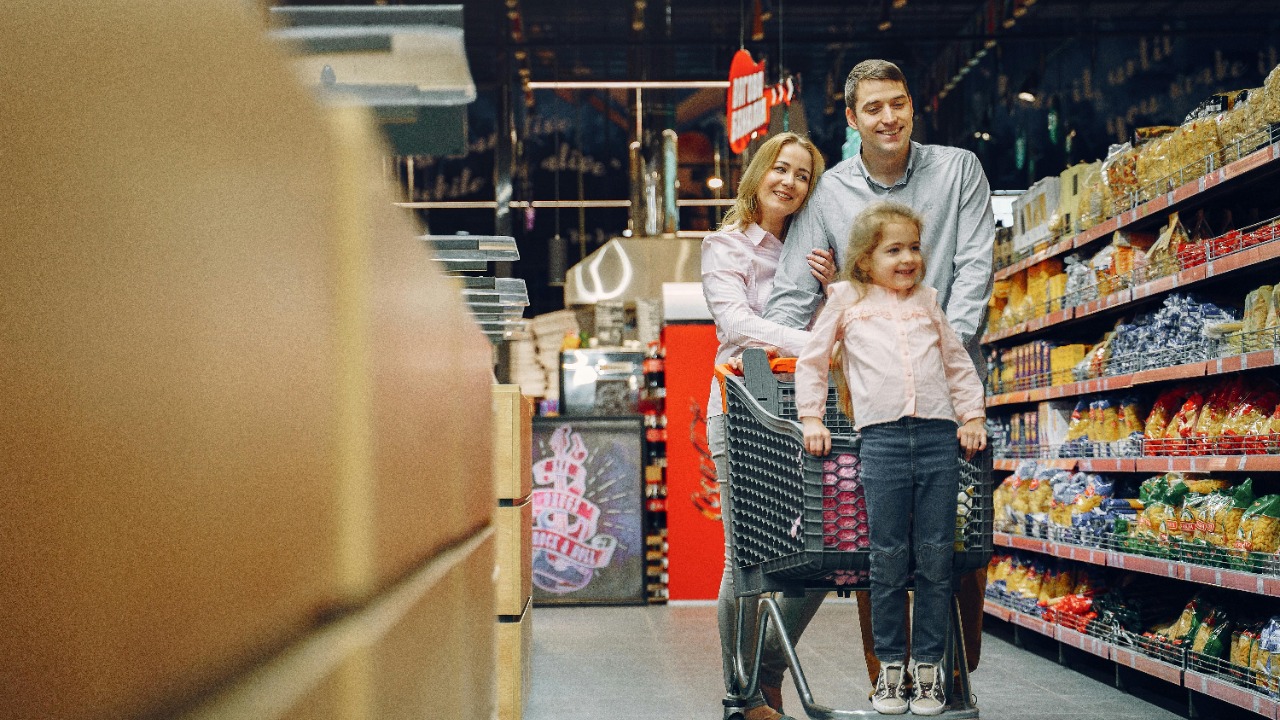
The fifth tactic that silently drains family budgets is the way products are positioned at child height and near kid traffic zones. Analysts who warn that Understanding these invisible nudges is essential point out that sugary cereals, cartoon covered snacks, and small toys are often placed where a child sitting in a cart can easily grab them. Another breakdown that begins with the word Here emphasizes that these placements are not random, they are designed to spark “pester power,” where kids beg for treats until exhausted parents give in. The result is that a supposedly quick, budget conscious trip can end with a pile of unplanned, highly processed extras.
For households already squeezed by rising food costs, that pressure has real consequences, because it shifts spending away from planned staples toward items chosen by marketing teams. I manage this by setting expectations with children before entering the store, such as agreeing on one small treat or explaining that we are only buying what is on the list. I also steer the cart down aisles with fewer kid targeted displays when possible. By recognizing that these shelves are arranged to exploit family dynamics, I can make calmer decisions and keep my total from creeping toward that $120 mark that so often reflects not just what I needed, but what the store successfully convinced my family to want.
More From The Daily Overview
*This article was researched with the help of AI, with human editors creating the final content.

Cole Whitaker focuses on the fundamentals of money management, helping readers make smarter decisions around income, spending, saving, and long-term financial stability. His writing emphasizes clarity, discipline, and practical systems that work in real life. At The Daily Overview, Cole breaks down personal finance topics into straightforward guidance readers can apply immediately.
