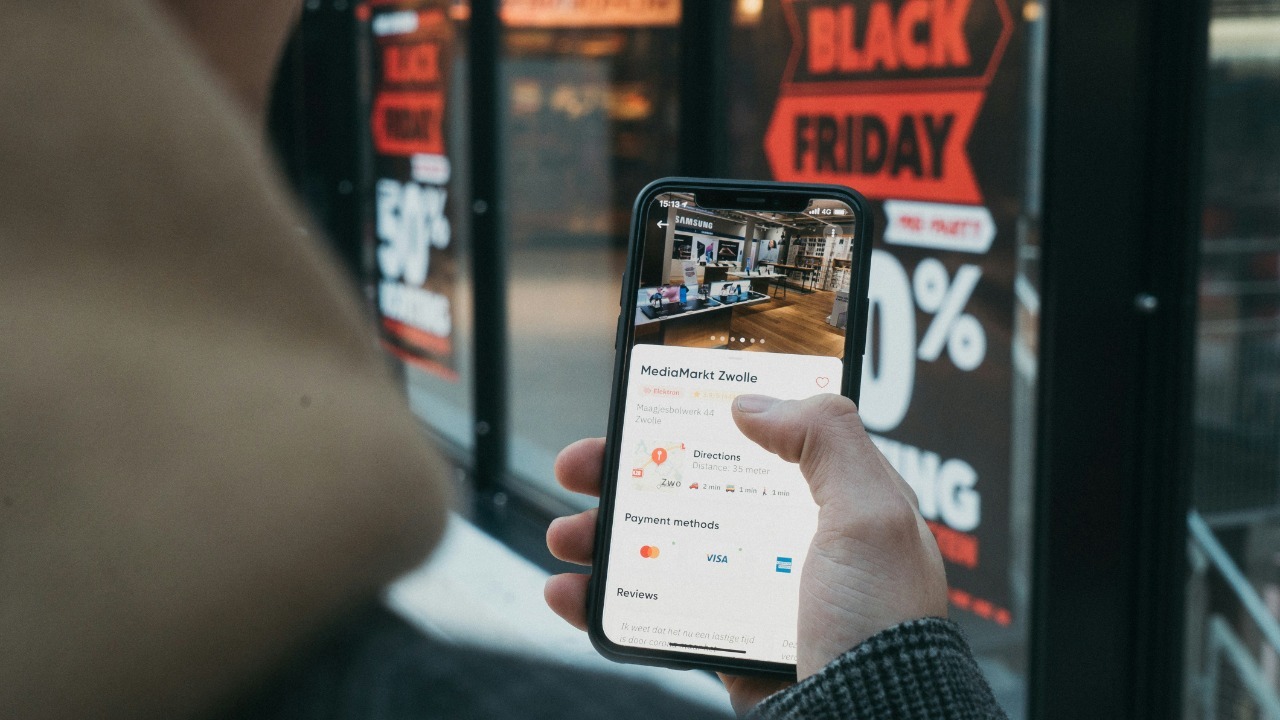
Black Friday is no longer the untouchable retail holiday it once was, but the youngest shoppers are not ready to give it up. As older consumers spread their spending across weeks of promotions and click away from crowded stores, Gen Z is still treating the day after Thanksgiving as a shopping event worth planning around. The result is a split-screen holiday, where the cultural spectacle is fading for some even as it becomes a kind of sport for the generation that grew up with price trackers and TikTok hauls.
Black Friday’s fading aura meets a year-round discount culture
Retailers have spent the past several years stretching Black Friday into a long promotional season, and that has inevitably dulled the sense of a single, can’t-miss moment. Big-box chains now roll out “early Black Friday” deals weeks ahead of Thanksgiving, then keep discounts running through Cyber Monday and into December, training shoppers to expect rolling markdowns instead of one-day doorbusters. That shift reflects a broader pattern of year-round discounting and loyalty offers that make it harder for any one day to stand out, even as retailers still rely on the period from late November through December for a disproportionate share of annual sales, according to holiday spending data.
At the same time, the classic Black Friday imagery of pre-dawn lines and chaotic in-store scenes has given way to a more subdued reality. Many chains have pulled back on overnight openings, leaned into online-only promotions and used inventory and pricing tools to smooth demand across several days, a trend reflected in online sales tracking that shows strong volumes spread across Thanksgiving, Black Friday and Cyber Monday rather than spiking on a single day. That evolution has helped retailers manage staffing and supply chains, but it has also made Black Friday feel less like a singular cultural event for older shoppers who remember lining up outside malls and electronics stores.
Gen Z still treats Black Friday as a live shopping event
For Gen Z, the dilution of Black Friday’s old-school rituals has not erased its appeal so much as changed the way they participate. Younger shoppers are more likely to treat the day as a hybrid of social outing and tactical hunt, using apps and social feeds to map out where the best deals will be and then heading to stores with friends. Surveys cited in recent holiday trend research show that consumers in their late teens and early twenties are disproportionately represented among those who say they plan to shop on Black Friday itself, even as older cohorts lean more heavily on earlier or later promotions.
Part of the draw is that Gen Z has grown up in an environment where prices are constantly in flux, from dynamic airline fares to flash sales on Amazon, so they are comfortable treating Black Friday as one more high-intensity moment in a continuous deal cycle. They are also more likely to blend online and offline behavior, checking TikTok for “come shop with me” videos, scanning Reddit threads for price histories and then using tools like Honey or Capital One Shopping to verify whether a supposed doorbuster is actually a good price, patterns that align with Gen Z shopping behavior studies. In that context, the day after Thanksgiving becomes less about tradition and more about a gamified challenge to stack promo codes, loyalty rewards and limited-time offers.
Social media turns Black Friday into content, not just commerce
Social platforms have helped keep Black Friday culturally relevant for younger consumers even as the broader holiday loses some of its shine. Gen Z shoppers are not just looking for discounts, they are also looking for content, from live “haul” videos to real-time store walkthroughs that showcase what is actually in stock. Retail analysts tracking social commerce trends note that platforms like TikTok, Instagram and YouTube now function as discovery engines and informal review hubs, where creators post side-by-side comparisons of Black Friday prices and regular-season deals.
That content loop reinforces the idea that Black Friday is an event worth documenting, even for those who do most of their actual purchasing online. A Gen Z shopper might film a 6 a.m. trip to Target or Best Buy, highlight a discounted Nintendo Switch OLED or a marked-down 2024 MacBook Air, then share affiliate links that drive followers to retailer sites. The blending of entertainment, peer recommendations and monetized links fits with broader social shopping research, which finds that younger consumers are more likely to buy products they encounter in creator content, especially when they believe they are catching a limited-time deal.
Inflation, budgets and the hunt for “real” deals
Even as Gen Z leans into the Black Friday ritual, they are doing so in a tougher economic environment that makes them more skeptical of marketing hype. Persistent inflation has pushed up prices on essentials from groceries to rent, leaving younger workers and students with less discretionary income and a sharper eye for value. Consumer surveys summarized in recent inflation reports and holiday outlooks show that shoppers across age groups are prioritizing necessities and gifts with clear utility, and Gen Z is no exception.
That pressure has made this cohort more likely to research price histories and compare offers across retailers before committing to a purchase. Tools that track historical pricing on items like Sony WH-1000XM5 headphones or Samsung Galaxy S24 phones help them distinguish between genuine markdowns and inflated “original” prices that make discounts look bigger than they are. Analysts who monitor Black Friday pricing patterns have documented how some retailers raise list prices in the weeks before the holiday, then advertise steep percentage-off deals that do not always translate into the lowest price of the season, a tactic that younger, more digitally fluent shoppers are increasingly adept at spotting.
Stores still matter, but the mall trip looks different
Despite the growth of e-commerce, Gen Z has not abandoned physical stores on Black Friday, they have simply redefined what the trip is for. Instead of camping out overnight for a single doorbuster TV, younger shoppers are more likely to arrive later in the morning, treat the mall as a place to browse and socialize, and then finalize purchases on their phones after comparing prices. Retail foot traffic data cited in location analytics reports shows that while early-morning surges have moderated compared with a decade ago, afternoon visits from younger shoppers remain strong, particularly at apparel chains, beauty retailers and fast-fashion brands.
That shift has pushed retailers to rethink what Black Friday in-store experiences look like. Instead of relying solely on loss-leader electronics, chains are layering in limited-edition collaborations, in-store only bundles and experiential elements like photo backdrops or mini-events that play well on social media, strategies that align with research on mall reinvention. For Gen Z, a trip to Sephora to test a discounted Fenty Beauty set or to H&M to try on a holiday capsule collection can be as important as the savings themselves, especially when the outing doubles as content for Instagram Stories or a TikTok vlog.
Retailers pivot to Gen Z expectations as older shoppers drift
As older consumers spread their spending across the season and lean more heavily on online-only deals, retailers are increasingly tailoring Black Friday messaging and offers to younger audiences. Marketing teams are investing in TikTok campaigns, creator partnerships and mobile-first ad formats that highlight specific products and price points rather than generic “doorbuster” language. Industry briefings on Gen Z holiday marketing point to a shift toward transparent pricing, clear inventory signals and flexible fulfillment options like buy-online-pickup-in-store, all of which resonate with shoppers who expect real-time information and minimal friction.
At the same time, retailers know they cannot rely on nostalgia to keep Black Friday relevant for older demographics who have grown weary of crowds and skeptical of headline discounts. Many are using loyalty programs and personalized email offers to quietly extend Black Friday-level pricing to those customers earlier in November, while reserving more theatrical, social-media-friendly promotions for the day itself. That bifurcated strategy reflects insights from holiday outlook analyses, which suggest that the future of Black Friday will depend less on reviving its old mystique and more on meeting the specific expectations of the shoppers who still show up, especially Gen Z.
More From TheDailyOverview
- Dave Ramsey says these two simple questions show whether you’re rich or poor
- Retired But Want To Work? Try These 18 Jobs for Seniors That Pay Weekly
- IRS raises capital gains thresholds for 2026 and what’s new
- 12 ways to make $5,000 fast that actually work

Grant Mercer covers market dynamics, business trends, and the economic forces driving growth across industries. His analysis connects macro movements with real-world implications for investors, entrepreneurs, and professionals. Through his work at The Daily Overview, Grant helps readers understand how markets function and where opportunities may emerge.

