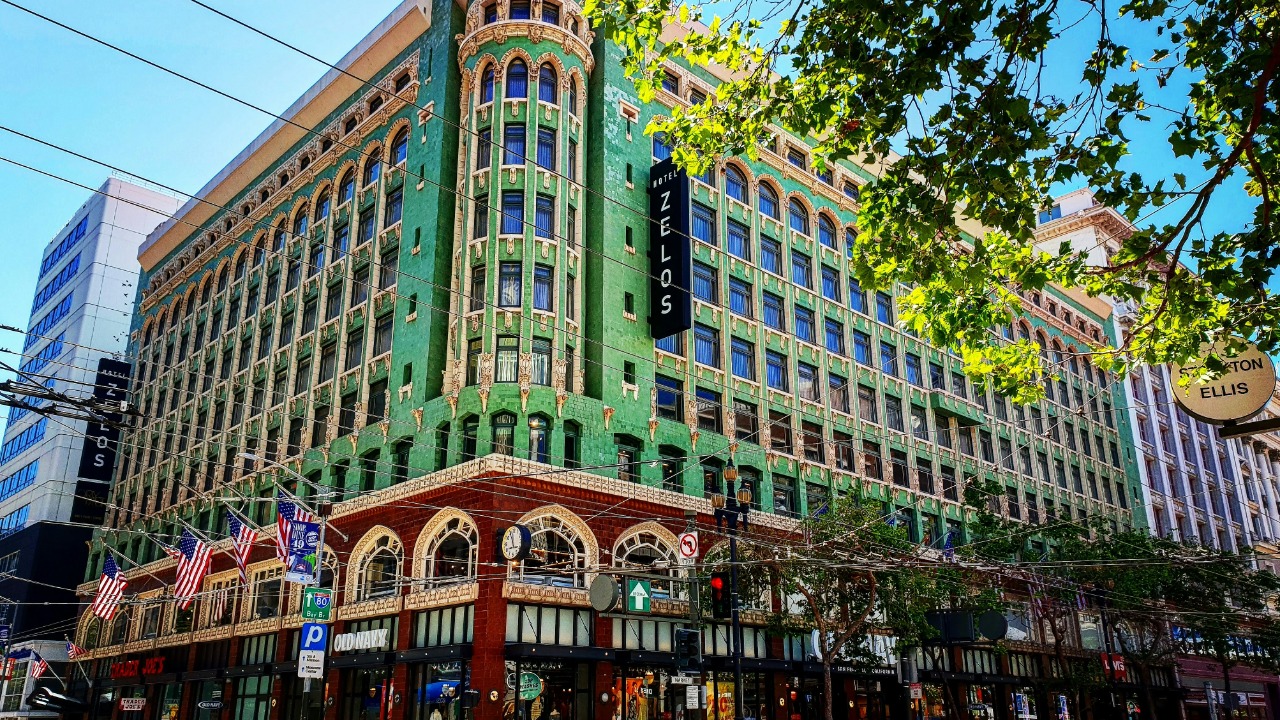
San Francisco has experienced a significant retail exodus, with 20 companies leaving the city since 2020. This departure has resulted in an estimated $558 million loss in annual retail sales, as reported by the San Francisco Center for Economic Security. High-profile exits include Whole Foods, Anthropologie, and Macy’s, driven by rising crime and economic pressures that have made prime locations like the Mid-Market district and Union Square less attractive for businesses.
The Scale of the Retail Exodus
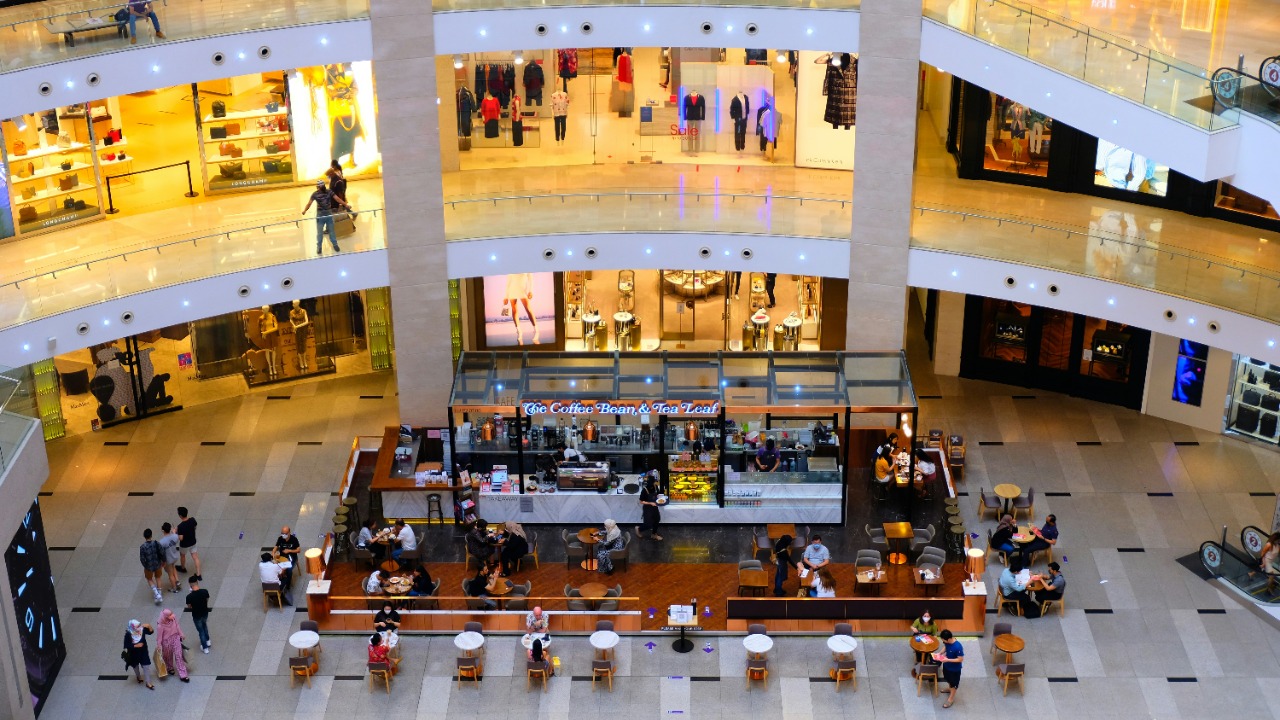
The departure of 20 companies from San Francisco since 2020 highlights a broad impact across various retail sectors. Notable closures include Bed Bath & Beyond, Office Depot, and GameStop, illustrating the widespread nature of this trend. The San Francisco Center for Economic Security report quantifies the financial impact, estimating a $558 million loss in annual retail sales. This figure reflects the combined revenue from vacant storefronts in key neighborhoods, underscoring the economic void left by these closures.
Concentrated in high-traffic areas, the closures have been particularly pronounced in the Mid-Market district, where 15 stores have shuttered. Data from the San Francisco Office of Economic and Workforce Development confirms this trend, highlighting the challenges faced by businesses in maintaining operations in these once-thriving locations. The loss of these retailers not only affects the local economy but also alters the commercial landscape of San Francisco.
Key Factors Driving Business Departures

Rising crime rates have emerged as a primary deterrent for businesses, with a 2023 San Francisco Police Department report indicating a 20% increase in property crimes in retail zones. Whole Foods executives cited crime as a key reason for closing their Mid-Market store on July 5, 2023. This environment has made it increasingly difficult for retailers to operate safely and profitably, prompting many to reconsider their presence in the city.
Escalating operational costs further exacerbate the situation. A CBRE market analysis reveals a 15% average rent hike in Union Square from 2020 to 2023, which has forced out mid-sized retailers like Anthropologie. The financial burden of maintaining a storefront in these areas has become unsustainable for many businesses, leading to a reevaluation of their strategic priorities.
The shift to remote work post-COVID has also played a significant role in reducing foot traffic. Macy’s decision to close its Union Square flagship on February 28, 2024, was influenced by a 30% drop in downtown visitors, as reported by the San Francisco Travel Association. This decline in consumer presence has made it challenging for retailers to justify their continued operations in the city.
Economic and Community Impacts

The retail exodus has led to significant job losses, with over 1,200 positions eliminated since 2020, according to California Employment Development Department data. The closure of Whole Foods alone resulted in the loss of 150 jobs. These job cuts have a ripple effect on the local economy, affecting not only the individuals directly impacted but also the broader community.
The decline in retail activity has also affected local tax revenue. The $558 million drop in sales translates to a $40 million annual shortfall in city sales tax collections, as noted in a San Francisco Controller’s Office fiscal impact study. This reduction in revenue limits the city’s ability to fund essential services and infrastructure projects, further compounding the challenges faced by the community.
Residents have expressed frustration over the growing number of vacant storefronts. Business owners in the Mid-Market area describe the streets as feeling like a “ghost town,” highlighting the community’s concern over the changing landscape. These sentiments reflect the broader impact of the retail exodus on the city’s social and economic fabric.
Efforts to Reverse the Trend

In response to the retail exodus, San Francisco has launched several initiatives aimed at revitalizing the downtown area. The $100 million Prop C fund, approved in November 2022, is designed to subsidize new retail tenants in areas hardest hit by the departures. This initiative represents a significant investment in the city’s future, aiming to attract businesses back to key locations.
Partnerships with private developers are also playing a crucial role in addressing the vacancies. The Union Square Business Improvement District’s program has secured commitments from five new chains to fill spaces left by Macy’s and others by mid-2024. These efforts are part of a broader strategy to reinvigorate the retail landscape and restore consumer confidence in the area.
Early outcomes of these initiatives show promise. A pilot security enhancement project in Mid-Market reduced incidents by 12% in Q1 2024, according to SFPD metrics. This improvement in safety may encourage retailers like Nordstrom Rack to return, as evidenced by their planned reopening in San Francisco. These developments suggest a potential turnaround for the city’s retail sector, offering hope for a more stable and prosperous future.

Grant Mercer covers market dynamics, business trends, and the economic forces driving growth across industries. His analysis connects macro movements with real-world implications for investors, entrepreneurs, and professionals. Through his work at The Daily Overview, Grant helps readers understand how markets function and where opportunities may emerge.

