The U.S. Coast Guard’s recent interception of two Venezuelan-flagged vessels in the eastern Pacific Ocean underscores a significant escalation in the fight against drug trafficking. This operation, which resulted in the seizure of over 4 tons of cocaine, has prompted President Donald Trump to suggest that the U.S. might consider land-based actions against drug cartels if maritime efforts fall short. This potential shift in strategy was highlighted during a rally in Florida, where Trump emphasized the need for more aggressive measures.
U.S. Maritime Interdictions Target Drug Trafficking
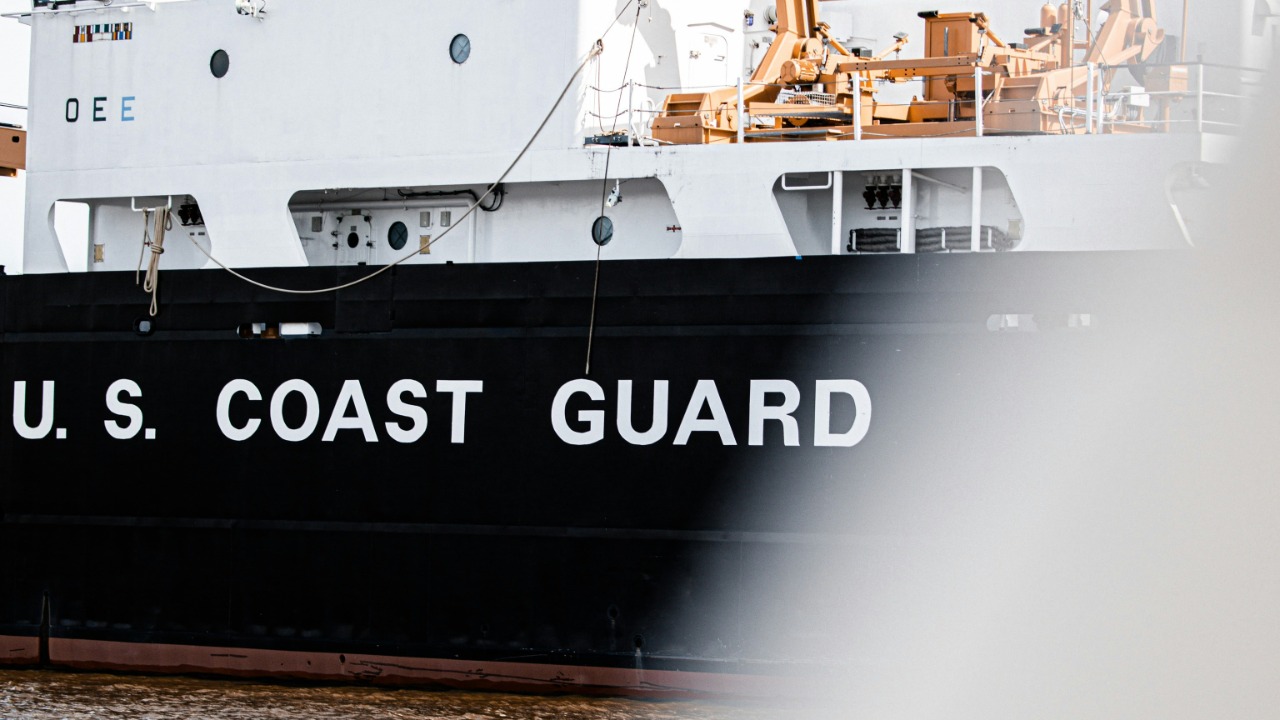
The U.S. Coast Guard’s operation, involving the cutters Hamilton and Valiant, successfully intercepted the vessels MV Gran Barranquilla and MV Sea Dream off the coast of Ecuador. This operation led to the detention of 12 crew members, comprising four Venezuelans and eight Colombians. The seized cocaine, totaling 4,200 kilograms, was cleverly concealed in fuel drums, showcasing the sophisticated methods employed by traffickers. This interdiction was supported by intelligence from the Joint Interagency Task Force South, based in Key West, Florida, highlighting the collaborative efforts in combating drug trafficking.
In 2023 alone, U.S. forces have disrupted 150 metric tons of cocaine trafficking in the Pacific, according to the U.S. Southern Command. This figure underscores the scale of the drug trade and the persistent efforts required to combat it. The recent seizure, valued at $140 million, represents a significant financial blow to the cartels, particularly those operating along the Pacific routes. These interdictions are part of a broader strategy to curb the flow of narcotics into the United States, which remains a critical national security concern.
Trump’s Rhetoric Signals Potential Escalation
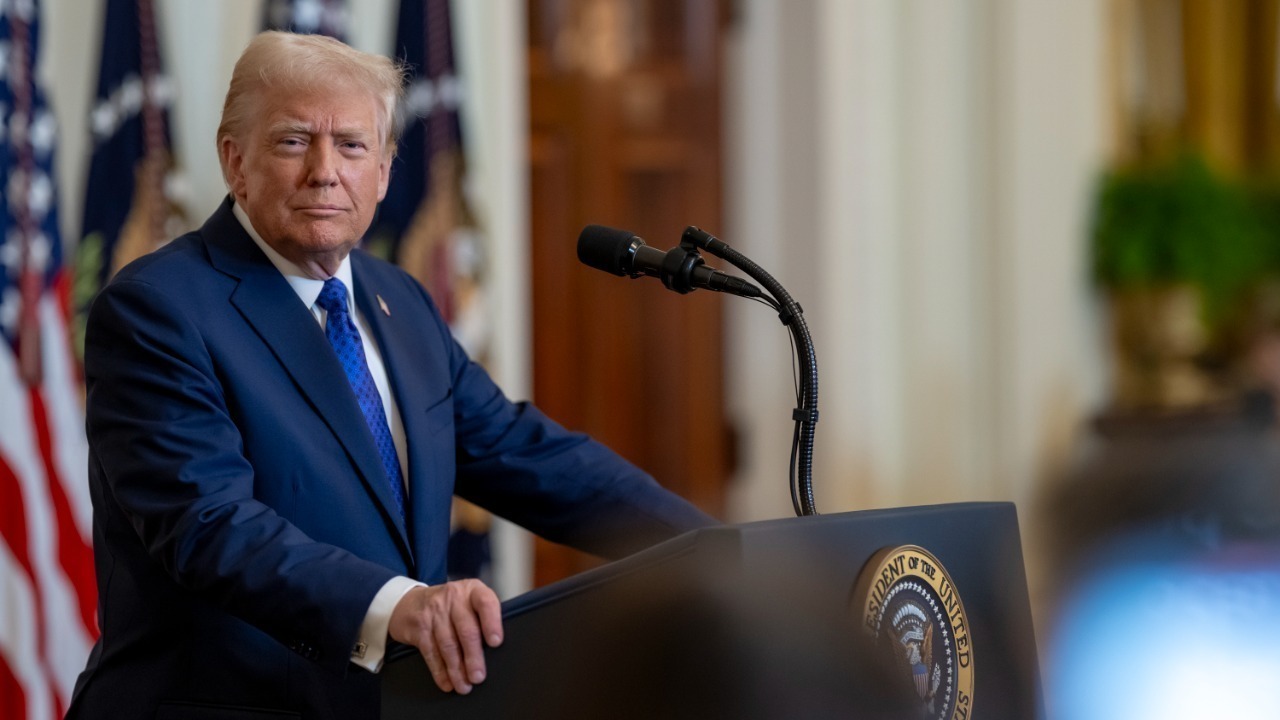
President Trump’s statement at the Miami rally, “If the boats aren’t enough, we’ll go on land—believe me, the cartels won’t know what hit them,” indicates a willingness to escalate U.S. efforts against drug cartels beyond maritime interdictions. This rhetoric is not new; in 2019, Trump proposed military strikes on Mexican cartels, a plan that was ultimately rejected by his advisors and met with resistance from Mexico’s government. This historical context suggests that while the rhetoric is bold, actual implementation may face significant hurdles.
Defense Secretary Lloyd Austin has emphasized that any land-based action would require congressional approval under the War Powers Resolution. This legal framework is crucial in ensuring that any military action is conducted with appropriate oversight and legitimacy. The potential for land-based operations raises questions about the U.S.’s strategic priorities and the balance between aggressive enforcement and diplomatic relations with Latin American countries.
Implications for U.S.-Latin America Relations
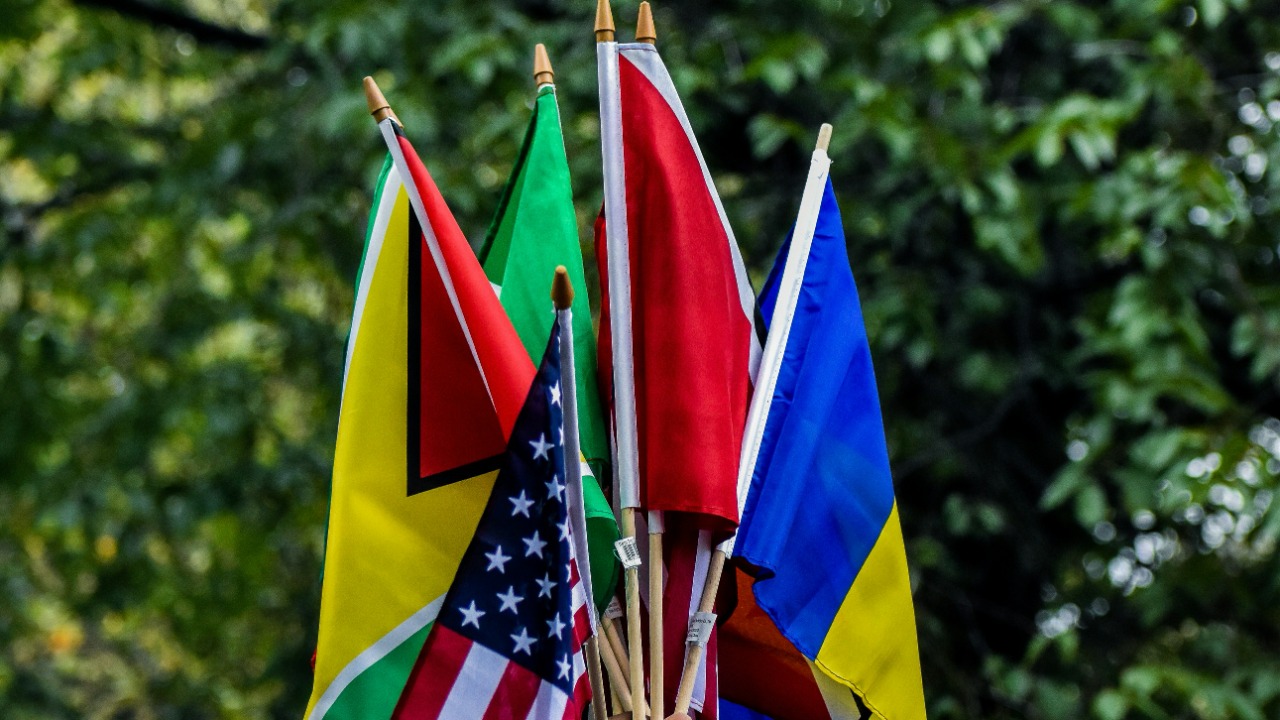
Mexico’s response to the potential for U.S. land actions has been swift and clear. Foreign Secretary Marcelo Ebrard warned that unilateral actions would violate Mexico’s sovereignty and could strain bilateral ties. This echoes past tensions during Trump’s first term, where similar proposals were met with diplomatic pushback. The importance of maintaining strong U.S.-Latin America relations cannot be overstated, as cooperation is essential in addressing the complex challenges posed by drug trafficking.
Colombian authorities have confirmed the vessels’ links to the Clan del Golfo cartel and have pledged to cooperate with U.S. extradition requests for the detained crew. This cooperation highlights the interconnected nature of drug trafficking networks and the need for international collaboration in dismantling them. The economic impact of the $140 million cocaine seizure is significant, dealing a blow to the Sinaloa and Jalisco New Generation cartels’ operations. According to DEA estimates, such disruptions are critical in undermining the financial foundations of these criminal organizations.

Grant Mercer covers market dynamics, business trends, and the economic forces driving growth across industries. His analysis connects macro movements with real-world implications for investors, entrepreneurs, and professionals. Through his work at The Daily Overview, Grant helps readers understand how markets function and where opportunities may emerge.

