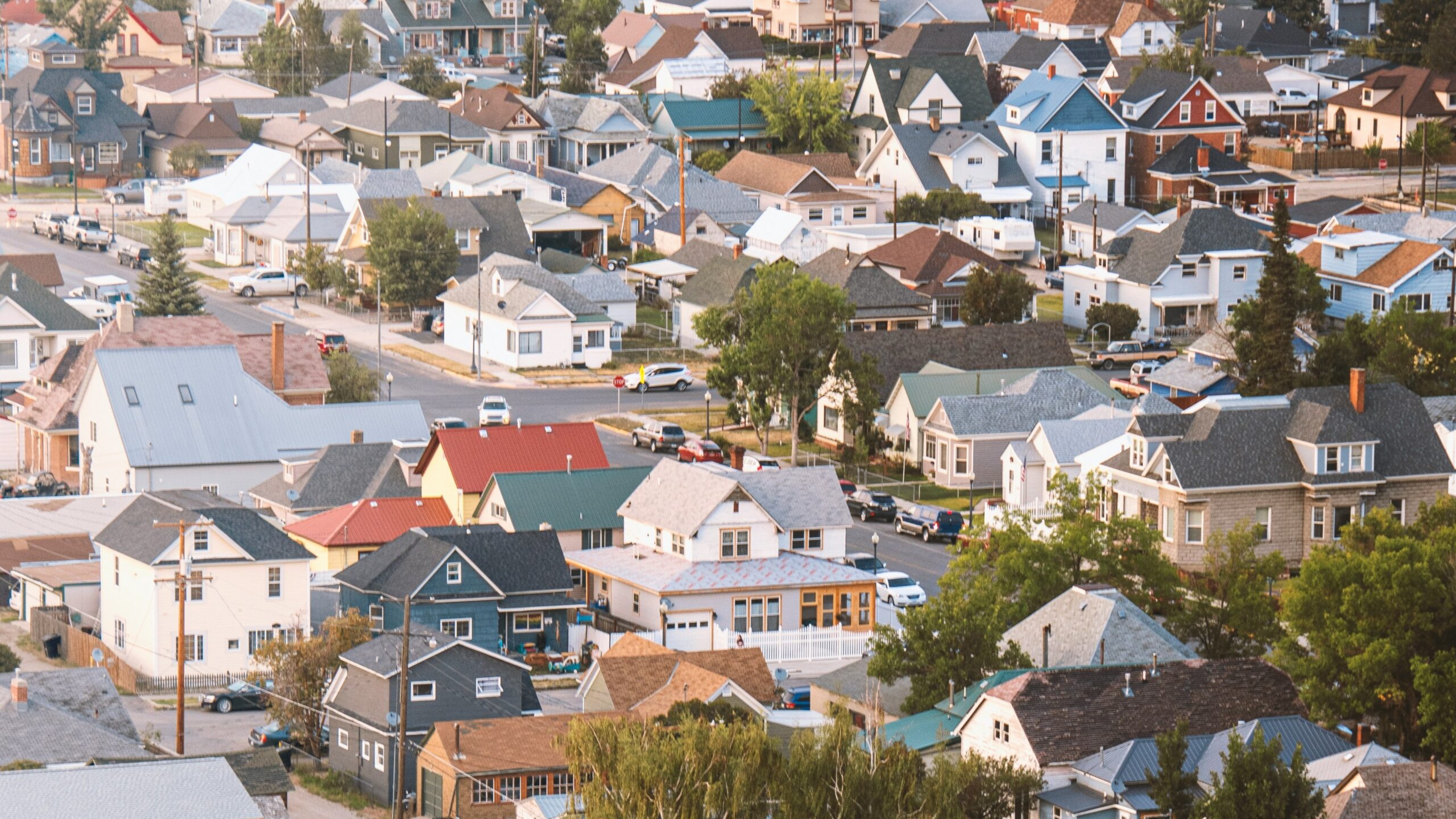
For adults 65 and older, falls are not a minor mishap but the leading cause of injury death, with over 38,000 deaths in 2021 and nearly 3 million emergency department visits tied to falls that year. At the same time, more retirees are trying to age in place on fixed incomes while navigating higher energy bills and new federal incentives for home upgrades. I want to look at six upgrades that respond directly to those trends, combining safety improvements with energy savings that can be reinforced by recent tax credits.
Upgrade Smoke and Carbon Monoxide Alarms
Fire officials at the federal level advise that smoke alarms belong inside every bedroom, outside each sleeping area, and on every level of the home, including the basement, with interconnected units so that when one sounds, they all sound. The same Federal guidance stresses that alarms should be replaced 10 years from the manufacture date, a detail many long-time homeowners miss, and that older adults should not assume a decades-old device will still respond quickly enough in a nighttime fire. For retirees who may have slower reaction times or mobility limits, that ten-year replacement rule can be the difference between a manageable incident and a fatal one.
Carbon monoxide adds a quieter threat, especially in homes with gas furnaces, gas stoves, or attached garages where exhaust can seep indoors. Federal consumer safety officials recommend installing CO alarms on each level of the home and outside sleeping areas, and they advise testing alarms regularly and replacing batteries on a set cadence instead of waiting for a chirp. The same guidance warns that carbon monoxide cannot be seen or smelled, which means older adults relying on gas appliances need alarms to catch problems before symptoms like dizziness or confusion appear when it may already be too late to react quickly.
Install Fall-Prevention Modifications
Falls are a defining health risk for retirees, and federal injury data show why safety upgrades inside the home matter. National injury surveillance that Authoritative sources describe identifies falls as the leading cause of injury death for adults 65 and older, with more than 38,000 deaths in 2021 and nearly 3 million emergency department visits tied to falls that year. A related federal summary that Provides trend data reports that over 14 million older adults, or about 1 in 4, say they fall each year, which means even healthy retirees face a measurable risk inside their own homes.
Evidence from a peer-reviewed systematic review and the broader Cochrane analysis of interventions finds that home modifications such as grab bars, secure handrails, and raised toilet seats can reduce the number of fallers and overall fall rates, especially when several changes are combined and properly installed. A high-credibility synthesis that High reviewers describe also Helps show that home safety interventions are most effective for higher-risk older adults and when delivered with professional support, such as occupational therapists who can match specific equipment to a person’s mobility limits.
Seek Professional Assessment for Accessibility
Retirees often know they feel unsteady on stairs or in the shower but may not know which specific modifications will actually reduce risk rather than simply adding clutter. Federal disability and mobility guidance that Authoritative sources describe explains how to get evaluated for adaptive equipment and emphasizes that an assessment by trained professionals is a key step before investing in new gear. The same material, which Can apply beyond vehicles to the broader home environment, highlights that training and fitting are as important as the devices themselves.
That focus on assessment aligns with the research on falls, which suggests that home changes work best when tailored to the person, not copied from a generic checklist. A separate evidence synthesis that Helps interpret home safety trials notes that interventions appear most effective for older adults at higher risk when professionals guide the process. For retirees, that can mean asking a primary clinician for a referral to an occupational therapist or rehabilitation specialist who can walk through the home, test balance and strength, and then recommend a specific mix of grab bars, lighting changes, and seating height adjustments.
Seal and Insulate for Energy Efficiency
For retirees on fixed incomes, keeping heating and cooling costs predictable is as important as preventing falls. An analysis that Supports the federal ENERGY STAR program uses EPA modeling to estimate that homeowners can save about 15 percent on heating and cooling costs by air sealing and adding insulation in key areas such as attics, exterior walls, and basements. The same methodology, developed by the EPA, draws on the EIA’s Residential Energy Consumption Survey, or EIA RECS, to define a typical home and then applies Eviden-based assumptions about leakage and insulation levels.
For an older homeowner, that 15 percent reduction in heating and cooling bills can free up money for medications, food, or in-home care, while also making rooms more comfortable for aging joints and circulation issues. The same federal efficiency guidance recommends focusing first on sealing gaps around plumbing penetrations, recessed lighting, and basement rim joists before adding insulation, because uncontrolled air leaks can undermine even thick layers of fiberglass. Retirees who have lived in the same house for decades may have never revisited the attic or crawlspace, yet those hidden areas often hold the biggest opportunities for savings.
Switch to a Heat Pump Water Heater
Hot water is a daily necessity for bathing, cleaning, and laundry, and for older adults it can be a key part of maintaining independence safely. Federal energy officials estimate that updated water heater standards, including wider use of heat pump water heaters, will save consumers about $7.6 billion per year on utility bills and about $124 billion over 30 years of shipments. For an individual household, the same Primary analysis projects typical lifetime bill savings of roughly $1,80 per heat pump water heater compared with a standard electric unit, a figure that signals meaningful long-term relief for retirees who expect to stay in their homes.
Those savings come from the way heat pump water heaters move heat rather than generating it directly, using less electricity while still delivering the hot showers and warm dishwater that support daily routines. For older adults who may bathe more cautiously after a fall, reliable hot water can also support safer hygiene by allowing comfortable temperatures without scalding. Combined with grab bars and non-slip flooring, an efficient water heater can be part of a broader strategy to make bathrooms both safer and more affordable to use every day.
Claim Energy Improvement Tax Credits
Energy-saving upgrades can be expensive upfront, which is why the federal tax code now includes targeted help for homeowners who invest in efficiency. The instructions for IRS Form 5695, which the agency labels as Primary guidance for residential energy credits, explain that the energy efficient home improvement credit generally equals 30 percent of qualified expenses, with annual dollar limits that vary by category. According to that same document, retirees who upgrade insulation, windows, or doors may qualify for a combined annual cap of $1,200, while certain heat pumps and heat pump water heaters fall under a separate $2,000 annual limit.
The tax rules also recognize the value of a professional home energy audit, which the Primary instructions define as an inspection that uses research methods and diagnostic tools to identify the most effective improvements. Homeowners can claim a credit of up to $150 for a qualifying audit, a modest sum that can still help offset the cost of hiring a certified assessor. For retirees planning to stay put, layering these credits on top of long-term utility savings can improve the return on investment and make upgrades such as air sealing, insulation, and new equipment more financially realistic.
Bolster Home Resilience Against Hazards
Safety for retirees is not limited to falls and fires; in many regions, the structure of the home itself may be vulnerable to earthquakes or other shocks. A handbook from the Primary USGS aimed at households in the Central United States explains that the New Madrid seismic zone affects states far beyond the West Coast and that older homes may lack basic seismic protections. The same guide, which is Useful for homeowners in the Central region, describes how simple measures such as securing heavy furniture and reinforcing railings can reduce injuries even in areas that are not widely perceived as earthquake-prone.
Another Primary USGS publication translates engineering concepts into homeowner-friendly checks, highlighting vulnerabilities such as unbolted foundations, cripple walls that lack plywood bracing, soft-story designs with open ground floors, and houses built on steep hillsides. It includes a screening quiz that helps residents identify which retrofit components, like foundation bolting or wall bracing, might apply to their specific structure. For retirees, addressing those issues before a disaster can mean the difference between sheltering safely at home and facing a sudden, forced move after structural damage that could have been reduced with earlier upgrades.
More From The Daily Overview
*This article was researched with the help of AI, with human editors creating the final content.

Elias Broderick specializes in residential and commercial real estate, with a focus on market cycles, property fundamentals, and investment strategy. His writing translates complex housing and development trends into clear insights for both new and experienced investors. At The Daily Overview, Elias explores how real estate fits into long-term wealth planning.