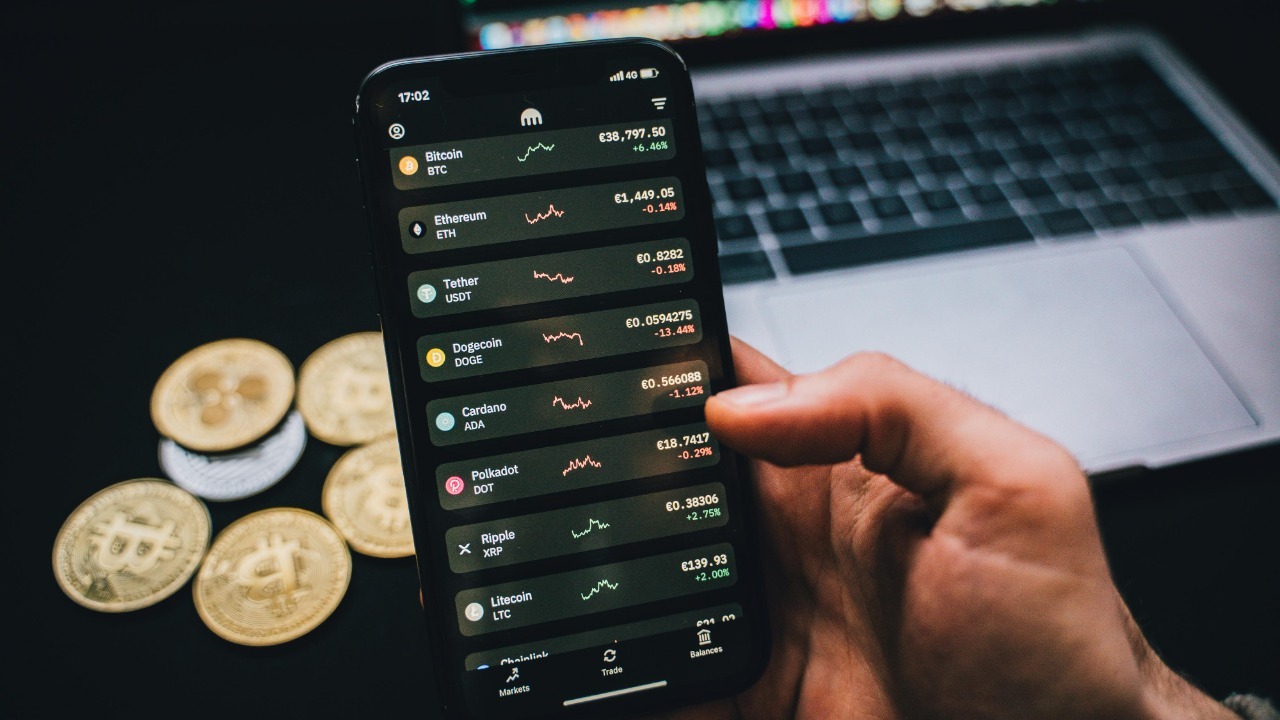
In the ever-evolving world of cryptocurrencies, a few digital assets continue to capture the attention of investors and enthusiasts. These cryptocurrencies not only boast robust technology but also have promising futures in terms of adoption and innovation. Here’s a closer look at six crypto assets that might be worth considering.
Bitcoin (BTC)

As the first and most renowned cryptocurrency, Bitcoin remains a key player in the digital currency world. Its decentralized nature and the security it offers have made it a store of value akin to digital gold. The limited supply of 21 million coins ensures its scarcity, which often contributes to its price stability over the long term.
Bitcoin’s network is supported by a robust infrastructure and a large community of developers working on improvements. As more institutional investors and large corporations explore Bitcoin as part of their portfolio, its influence in the financial markets is likely to grow. For anyone looking to dip their toes into cryptocurrency, Bitcoin often serves as the starting point due to its established reputation.
Ethereum (ETH)
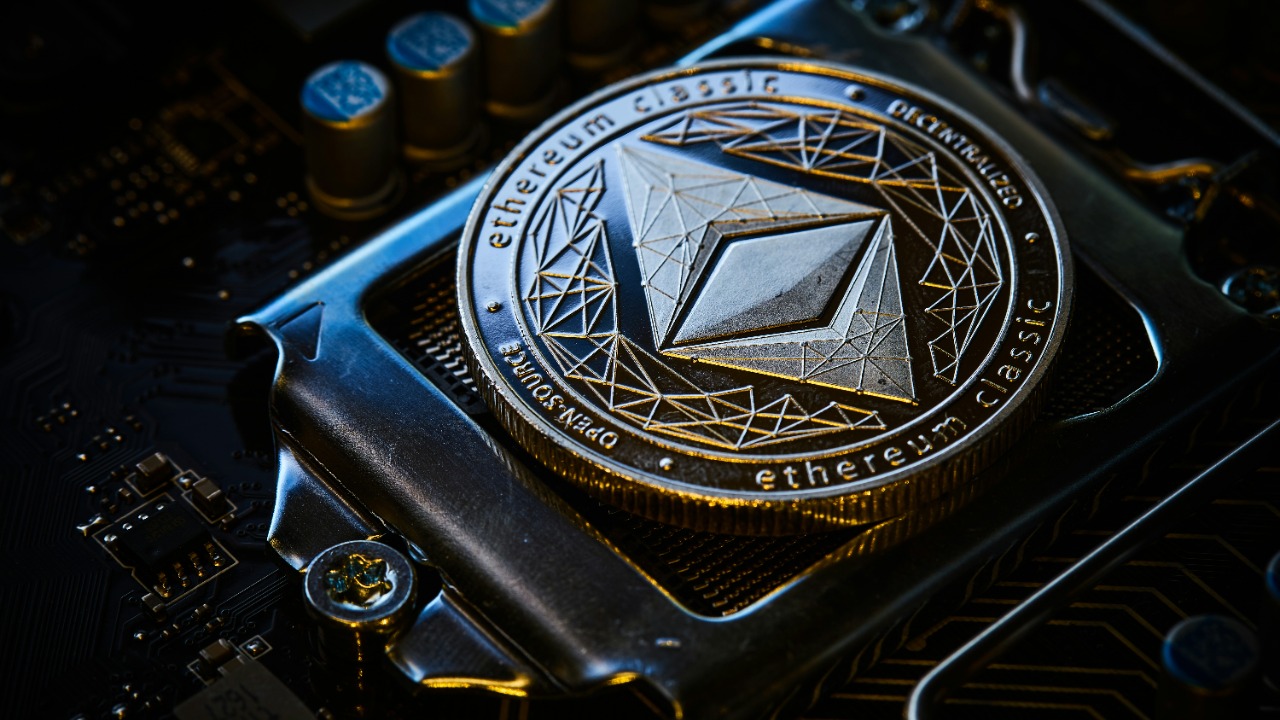
Ethereum is the second-largest cryptocurrency by market capitalization and is known for its smart contract functionality. Unlike Bitcoin, which is primarily a digital currency, Ethereum serves as a platform for decentralized applications (dApps). This versatility has led to a wide range of innovations in decentralized finance (DeFi) and non-fungible tokens (NFTs).
The Ethereum network is currently undergoing a significant transformation with its transition to Ethereum 2.0, which promises to improve scalability, security, and sustainability. This upgrade could enhance Ethereum’s position in the blockchain space, making it an attractive option for developers and investors alike. For those interested in the future of decentralized applications, Ethereum is a compelling choice to consider.
Solana (SOL)
Solana has emerged as a fast-growing blockchain platform known for its high-speed transactions and low fees. It has gained significant traction among developers looking to build scalable and efficient applications. Solana’s unique consensus mechanism, Proof of History, allows it to process thousands of transactions per second, setting it apart from many other blockchain networks.
Solana’s ecosystem is expanding rapidly, with an increasing number of projects choosing to build on its platform. This growth has made Solana a strong contender in the race to become the go-to blockchain for decentralized applications. As the demand for scalable solutions grows, Solana’s performance capabilities could make it a valuable asset for investors seeking long-term growth.
Cardano (ADA)
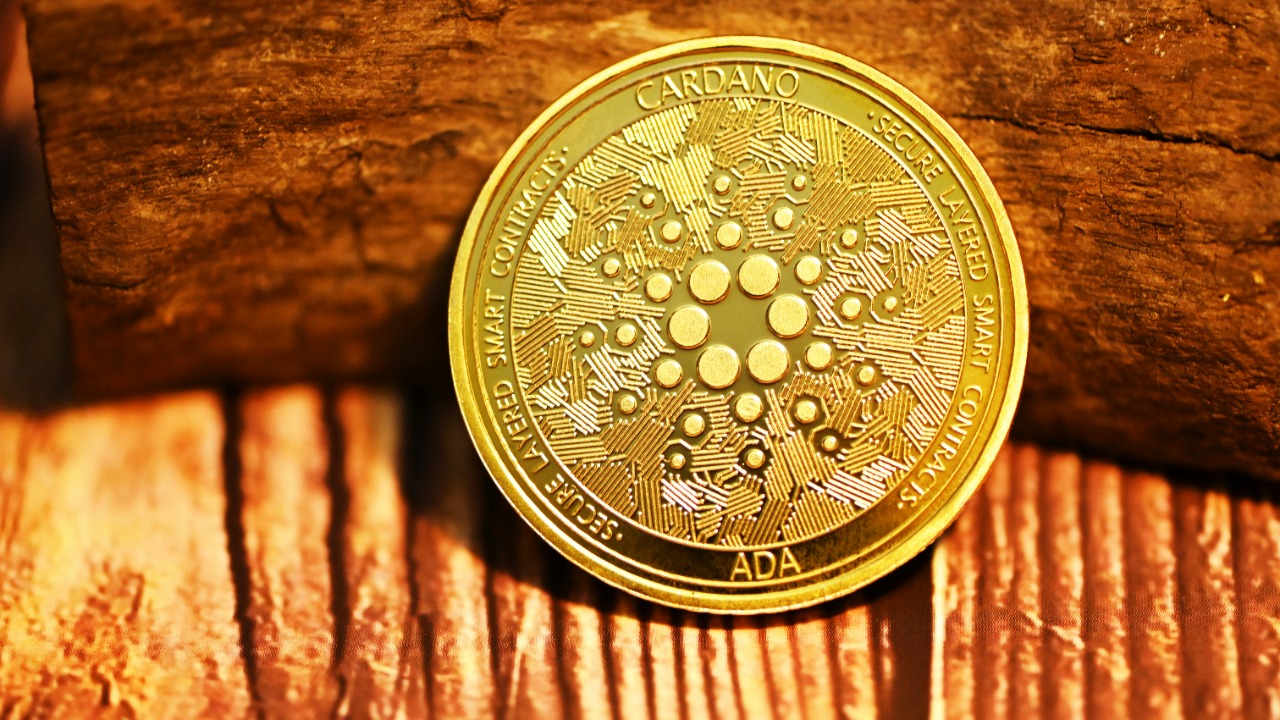
Cardano is a blockchain platform that aims to provide a more secure and scalable infrastructure for the development of decentralized applications and smart contracts. Its research-driven approach and focus on security have garnered attention from both developers and investors. Cardano’s use of a unique proof-of-stake consensus mechanism, called Ouroboros, ensures energy efficiency and network sustainability.
One of Cardano’s most notable features is its emphasis on academic research and peer-reviewed development, which lends credibility to its technological advancements. As the project continues to roll out its roadmap, including the recent Alonzo upgrade that introduced smart contract functionality, Cardano’s potential for growth remains strong. For those interested in a meticulously developed blockchain, Cardano may be a promising option.
Polkadot (DOT)
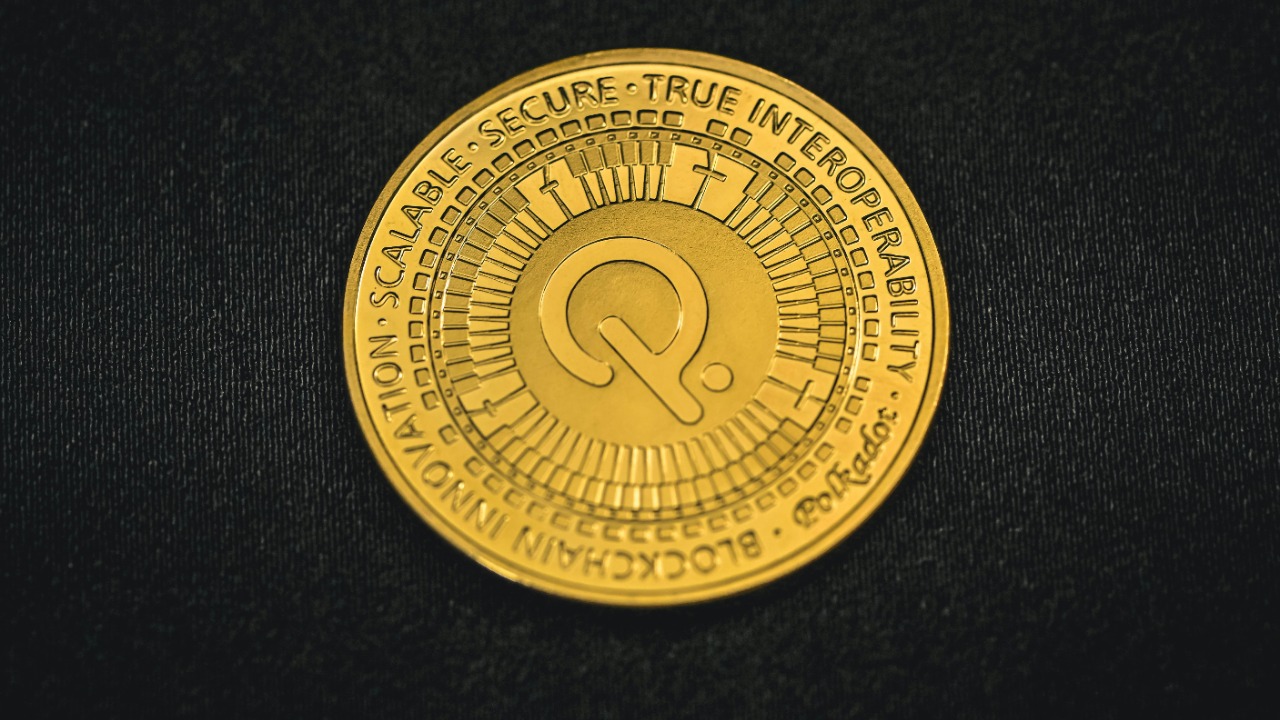
Polkadot is a multi-chain network that facilitates interoperability between different blockchains, allowing them to communicate and share information securely. This capability addresses one of the major challenges in the blockchain world: the lack of connectivity between isolated networks. Polkadot’s unique architecture enables developers to create customized blockchains while still benefiting from a shared security model.
The project is spearheaded by Dr. Gavin Wood, one of the co-founders of Ethereum, which adds a layer of credibility to its ambitious vision. As more projects seek to leverage Polkadot’s capabilities, the network’s ecosystem is expected to grow. For investors looking for a cryptocurrency with a focus on interoperability and scalability, Polkadot offers promising prospects.
Chainlink (LINK)
Chainlink is a decentralized oracle network that connects smart contracts with real-world data. This functionality is crucial for enabling smart contracts to interact with external systems, such as APIs, payment systems, and data feeds. Chainlink’s secure and reliable oracles have made it a leading choice for developers looking to enhance the functionality of their decentralized applications.
As the demand for smart contracts continues to grow, Chainlink’s role in providing accurate and trustworthy data becomes increasingly important. The network’s expansion into new areas, such as decentralized finance and gaming, highlights its versatility and potential for future growth. For those interested in the infrastructure supporting the blockchain ecosystem, Chainlink is a cryptocurrency worth considering.

Grant Mercer covers market dynamics, business trends, and the economic forces driving growth across industries. His analysis connects macro movements with real-world implications for investors, entrepreneurs, and professionals. Through his work at The Daily Overview, Grant helps readers understand how markets function and where opportunities may emerge.

