
As Bitcoin continues to dominate the cryptocurrency market, investors and enthusiasts are constantly on the lookout for the next big digital currency that could replicate its success. With numerous cryptocurrencies emerging, identifying those with the potential to scale and innovate like Bitcoin is crucial. Here, we explore four cryptocurrencies that show promise and could potentially become the next Bitcoin.
Ethereum: The Smart Contract Pioneer

Ethereum stands out with its groundbreaking smart contract functionality, which has significantly impacted blockchain technology. Smart contracts are self-executing contracts with the terms directly written into code, enabling automatic and transparent transactions without intermediaries. This innovation has positioned Ethereum as a leader in the blockchain space, with its ongoing upgrades, including Ethereum 2.0, aiming to improve scalability and energy efficiency. These upgrades are set to transition Ethereum from a proof-of-work to a proof-of-stake consensus mechanism, significantly reducing its energy consumption.
The adoption of Ethereum is widespread across various sectors. In the realm of decentralized finance (DeFi) and non-fungible tokens (NFTs), Ethereum has become the go-to platform, hosting a plethora of projects and applications. Key partnerships and projects utilizing the Ethereum network further demonstrate its potential to be the next Bitcoin. As more developers flock to Ethereum for its robust ecosystem and innovative capabilities, its position as a leading cryptocurrency solidifies.
Cardano: The Academic Approach to Blockchain

Cardano takes a unique approach with its commitment to peer-reviewed research and methodical development process. This academic rigor ensures that each upgrade and feature is thoroughly vetted, enhancing the platform’s credibility and reliability. Cardano’s focus on sustainability, scalability, and interoperability sets it apart in the crowded crypto space, promising a more secure and efficient blockchain network.
Cardano’s initiatives in developing regions underscore its potential for global impact. By partnering with governments and organizations, Cardano is leveraging blockchain technology for social good, aiming to drive global crypto adoption. These efforts, combined with its research-driven development, position Cardano as a strong contender in the race to be the next Bitcoin.
Polkadot: Connecting the Blockchain Ecosystem
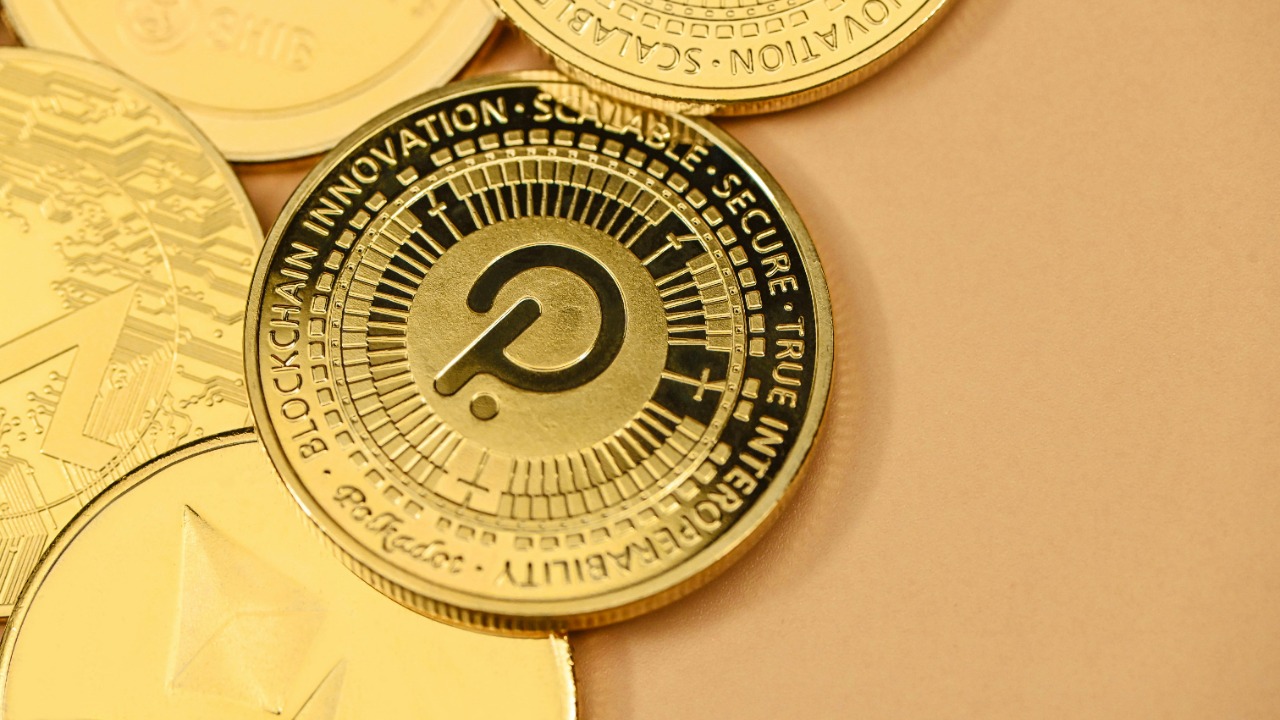
Polkadot differentiates itself with its unique approach to connecting different blockchains through parachains. This interoperability allows for seamless communication between various blockchain networks, addressing one of the cryptocurrency ecosystem’s most significant challenges. By enabling different blockchains to work together, Polkadot enhances scalability and could potentially solve some of the limitations faced by other cryptocurrencies.
Polkadot’s innovative governance model empowers stakeholders to influence the platform’s evolution directly. This decentralized governance structure allows for more democratic decision-making, potentially benefiting the platform’s future growth. As Polkadot continues to evolve and expand, its ability to connect disparate blockchains positions it as a formidable player in the crypto market.
Solana: The High-Speed Contender

Solana has made a name for itself as one of the fastest blockchain networks, capable of handling thousands of transactions per second. This speed and efficiency are largely due to its proof-of-history (PoH) mechanism, which optimizes the blockchain’s performance. By enhancing transaction throughput, Solana provides a scalable solution for various applications, making it an attractive option for developers and businesses alike.
The growing ecosystem and developer community around Solana further bolster its potential to become the next Bitcoin. With numerous significant projects and partnerships emerging, Solana’s network is rapidly expanding. This growth, coupled with the support and enthusiasm from developers, fuels innovation and strengthens Solana’s position in the competitive cryptocurrency landscape.
Considerations for Investors

Investing in cryptocurrencies involves inherent volatility and risk factors that must be carefully assessed. The market’s unpredictable nature means that prices can fluctuate dramatically, impacting investment outcomes. Factors such as technological advancements, regulatory developments, and market sentiment can all influence the price and adoption of these emerging cryptocurrencies.
Despite these challenges, the long-term potential of cryptocurrencies in the evolving digital economy cannot be overlooked. As market trends shift and new technologies emerge, cryptocurrencies like Ethereum, Cardano, Polkadot, and Solana are well-positioned to capitalize on these changes. However, investors should remain vigilant and consider risk management strategies when navigating the dynamic crypto market.

Grant Mercer covers market dynamics, business trends, and the economic forces driving growth across industries. His analysis connects macro movements with real-world implications for investors, entrepreneurs, and professionals. Through his work at The Daily Overview, Grant helps readers understand how markets function and where opportunities may emerge.

