
As Americans age, the reality of retirement looms large, bringing with it a host of financial challenges that many are unprepared to face. From insufficient savings to the rising costs of healthcare, the landscape of retirement is fraught with difficulties that require careful planning and consideration. Here are six uncomfortable truths that aging Americans must confront as they approach their golden years.
1. Insufficient Savings: A Growing Concern

Many aging Americans are heading into retirement with inadequate savings, a situation that threatens their financial security. According to a report from Money Talks News, a significant portion of the population has not saved enough to maintain their current lifestyle in retirement. This shortfall is often due to a combination of factors, including stagnant wages, rising living costs, and a lack of financial literacy.
The Employee Benefit Research Institute found that nearly half of American households are at risk of not having enough money to cover basic expenses in retirement. This is particularly concerning given that many retirees rely heavily on Social Security benefits, which may not be sufficient to cover all their needs. The gap between what people have saved and what they will need is widening, creating a precarious situation for future retirees.
Moreover, the traditional pension plans that once provided a safety net for retirees have largely disappeared, replaced by 401(k) plans and other defined contribution plans that place the burden of saving on the individual. This shift has left many unprepared for the realities of retirement, as they struggle to accumulate enough savings to last through their retirement years.
Furthermore, the disparity in savings is often exacerbated by economic inequalities, with minority groups and women facing even greater challenges in accumulating sufficient retirement funds. According to MarketWatch, systemic issues such as wage gaps and employment discrimination contribute to these disparities, leaving these groups particularly vulnerable in retirement. Addressing these inequalities is crucial for ensuring that all individuals have the opportunity to retire with financial security.
2. Rising Healthcare Costs: A Looming Burden

The increasing costs of healthcare services are a significant concern for retirees, who must allocate a larger portion of their savings to cover medical expenses. According to Money Talks News, healthcare costs are rising faster than inflation, putting additional strain on retirees’ budgets.
Medicare, which provides health coverage for most Americans over 65, does not cover all medical expenses, leaving retirees to pay for premiums, deductibles, and out-of-pocket costs. The Fidelity Retiree Health Care Cost Estimate reports that a 65-year-old couple retiring today can expect to spend over $300,000 on healthcare throughout their retirement. This figure does not include long-term care, which can add significantly to the overall cost.
As life expectancies increase, retirees are living longer and facing more years of healthcare expenses. This trend underscores the importance of planning for healthcare costs in retirement, as failing to do so can quickly deplete savings and jeopardize financial security.
In addition to direct medical expenses, retirees must also consider the cost of prescription drugs, which have been rising steadily. Many older adults rely on medications to manage chronic conditions, and the out-of-pocket costs can be substantial. According to MarketWatch, the lack of comprehensive coverage for prescription drugs under Medicare Part D means that retirees often face significant expenses that can strain their budgets. Exploring supplemental insurance options or discount programs can help mitigate these costs.
3. Social Security: An Uncertain Future
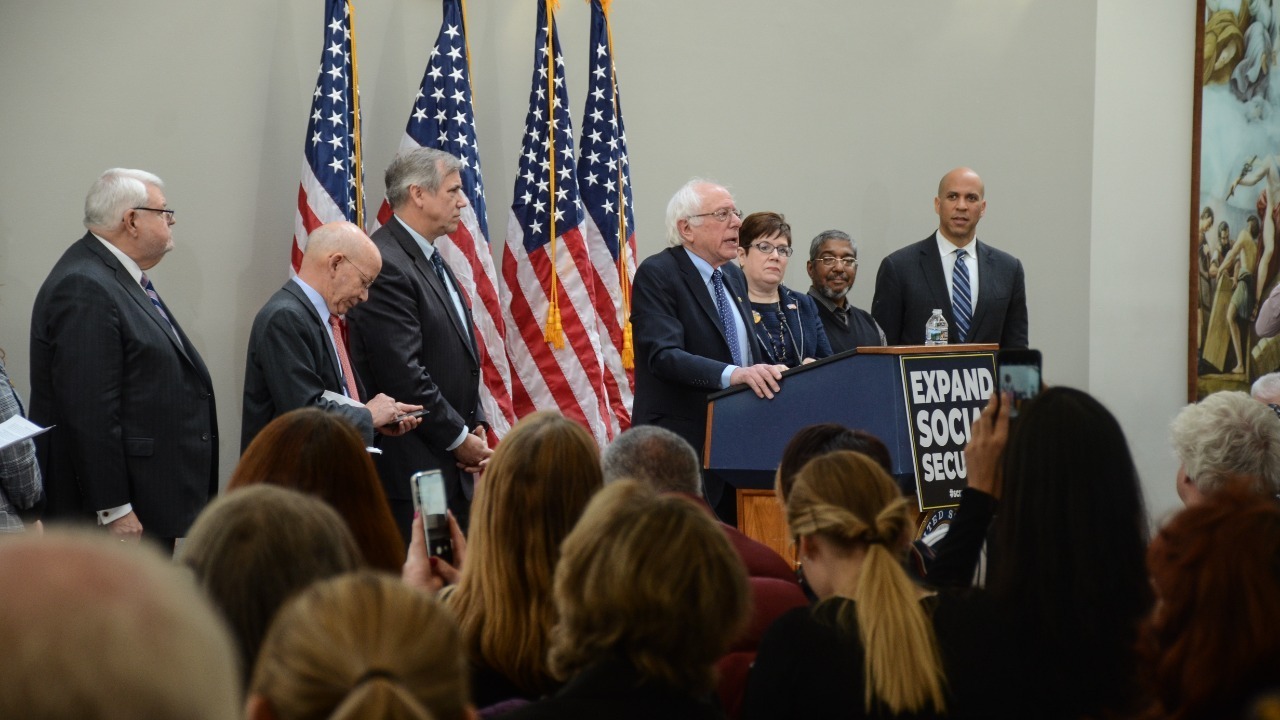
The sustainability and future of Social Security benefits are uncertain, leaving many retirees worried about their primary source of income. According to Money Talks News, the Social Security Trust Fund is projected to be depleted by 2034, at which point benefits may be reduced unless Congress takes action.
Social Security provides a critical safety net for millions of retirees, but its long-term viability is in question. The program is funded through payroll taxes, but with an aging population and fewer workers contributing to the system, the financial strain is becoming increasingly apparent. Without reforms, future retirees may face reduced benefits, which could have a significant impact on their financial well-being.
For many retirees, Social Security is the primary source of income, making any potential cuts particularly concerning. As the debate over the future of Social Security continues, it is essential for individuals to consider how potential changes could affect their retirement plans and to explore additional sources of income to supplement their benefits.
Moreover, the potential reduction in Social Security benefits could disproportionately affect low-income retirees who rely on these payments for the majority of their income. MarketWatch highlights that without adequate savings or alternative income sources, these individuals may face severe financial hardship. Policymakers are urged to consider reforms that ensure the sustainability of Social Security while protecting the most vulnerable populations.
4. Longevity Risk: Outliving Savings

With life expectancies increasing, there is a growing risk that retirees may outlive their savings, necessitating careful financial planning. Money Talks News highlights the importance of planning for a longer retirement, as many individuals underestimate how long they will live and how much money they will need.
Advancements in healthcare and living standards have contributed to longer lifespans, but this also means that retirees must stretch their savings over more years. The risk of outliving one’s savings is a significant concern, as it can lead to financial insecurity and a reduced quality of life in later years.
To mitigate longevity risk, retirees should consider strategies such as annuities, which provide a guaranteed income stream for life, or delaying Social Security benefits to increase monthly payments. Additionally, maintaining a diversified investment portfolio can help ensure that savings continue to grow throughout retirement.
Additionally, retirees must also consider the impact of inflation on their savings. Over time, inflation can erode the purchasing power of fixed incomes, making it more challenging to cover living expenses. MarketWatch advises retirees to incorporate inflation-protected investments, such as Treasury Inflation-Protected Securities (TIPS), into their portfolios to help preserve their purchasing power over the long term.
5. Lack of Financial Literacy: A Hidden Challenge

A significant portion of the aging population lacks the financial literacy needed to effectively manage and plan for retirement. According to Money Talks News, many individuals do not fully understand the complexities of retirement planning, including investment strategies, tax implications, and withdrawal rates.
This lack of financial literacy can lead to poor decision-making and missed opportunities to maximize retirement savings. For example, some retirees may not be aware of the benefits of tax-advantaged accounts or the importance of diversifying their investments to reduce risk.
Improving financial literacy is crucial for ensuring that individuals are prepared for retirement. Educational resources, financial planning services, and employer-sponsored retirement workshops can help bridge the knowledge gap and empower individuals to make informed decisions about their financial future.
Furthermore, the complexity of financial products and retirement plans can be overwhelming for many individuals. MarketWatch notes that the financial industry often uses jargon and complex terms that can confuse consumers, making it difficult for them to make informed decisions. Simplifying communication and providing clear, accessible information can empower individuals to better manage their retirement planning.
6. Employment Challenges: Barriers for Older Workers

Older Americans face challenges in the workforce, including age discrimination and fewer job opportunities, which can impact their ability to save for retirement. Money Talks News reports that many older workers struggle to find employment, and those who do often face lower wages and reduced benefits.
Age discrimination remains a pervasive issue, with many employers reluctant to hire older workers due to stereotypes about their abilities and adaptability. This can make it difficult for older individuals to remain in the workforce and continue saving for retirement.
Additionally, the shift towards gig and part-time work has left many older workers without access to traditional benefits such as health insurance and retirement plans. To address these challenges, policymakers and employers must work to create more inclusive workplaces and provide opportunities for older workers to continue contributing to the economy.
Moreover, the lack of job security and benefits in gig and part-time work can leave older workers without a safety net. MarketWatch emphasizes the importance of policy changes that provide protections and benefits for non-traditional workers, ensuring they have access to retirement savings plans and health insurance. Encouraging flexible work arrangements and lifelong learning opportunities can also help older workers remain competitive in the job market.

Nathaniel Cross focuses on retirement planning, employer benefits, and long-term income security. His writing covers pensions, social programs, investment vehicles, and strategies designed to protect financial independence later in life. At The Daily Overview, Nathaniel provides practical insight to help readers plan with confidence and foresight.

