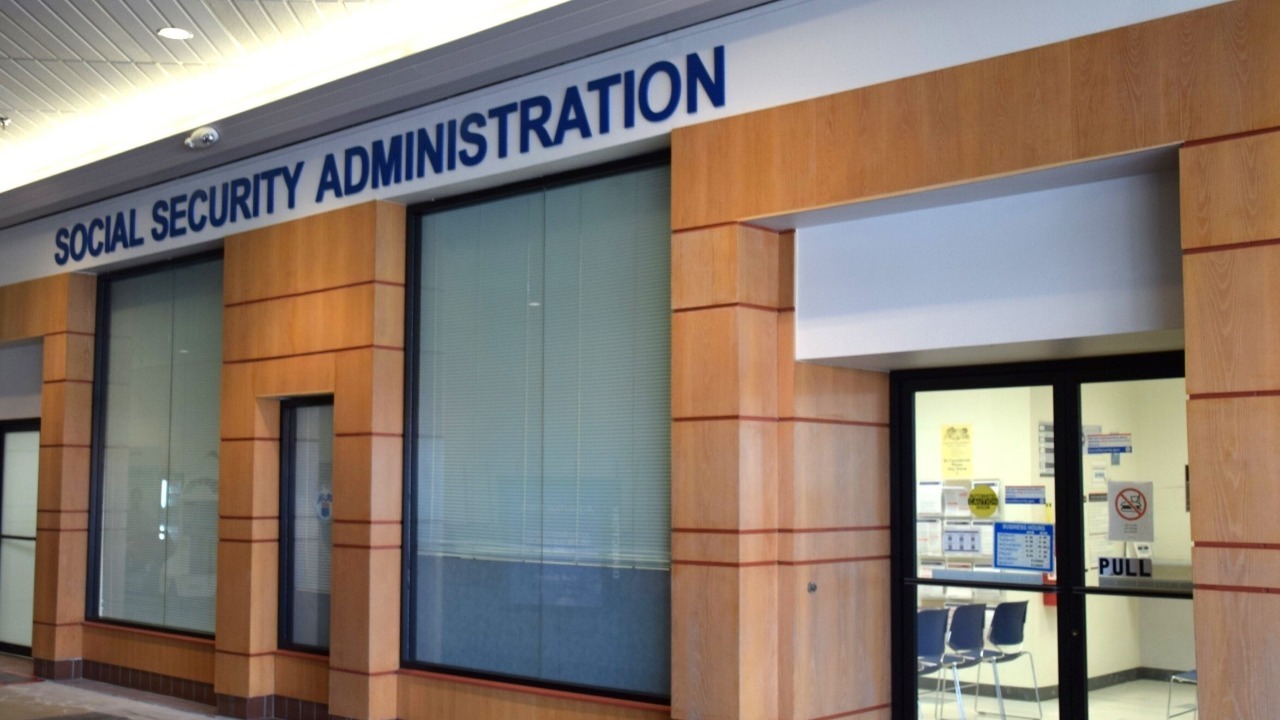
The looming government shutdown threatens to delay the announcement of the 2026 Social Security Cost-of-Living Adjustment (COLA), potentially impacting millions of seniors who rely on this critical information to plan their finances. The shutdown’s effect on federal operations could sidetrack the timely release of the COLA figures, a situation that has not been seen in recent years. This uncertainty is causing concern among Social Security recipients and advocacy groups alike, as they await crucial updates that affect their financial stability.
Potential Impact on Social Security Recipients

The government shutdown could lead to delays in Social Security checks and other essential services, directly affecting beneficiaries who depend on timely payments. According to CBS News, the disruption in federal operations may hinder the Social Security Administration’s ability to process benefits efficiently. This delay could create significant challenges for recipients who rely on these funds for their daily expenses.
Moreover, Social Security recipients may face uncertainty regarding the 2026 COLA announcement, which is crucial for their financial planning. As reported by AARP, the COLA adjustment is a vital component for seniors to budget effectively, especially those on fixed incomes. The delay in this announcement adds another layer of stress for beneficiaries already navigating the complexities of retirement finances.
Consequences of a Delayed COLA Announcement
The delay in the COLA announcement could significantly impact seniors’ ability to budget for the coming year. Many rely on this adjustment to account for cost-of-living increases, and without timely information, their financial planning could be disrupted. NewsNationNow highlights that the uncertainty surrounding the COLA figures could lead to financial strain for those who depend on these adjustments to manage their expenses.
Experts warn that the delay could exacerbate financial difficulties for those on fixed incomes, emphasizing the urgency of resolving the shutdown. According to Investopedia, the prolonged uncertainty could force seniors to make difficult financial decisions, potentially affecting their quality of life. This situation underscores the critical need for a swift resolution to the government shutdown to prevent further disruption.
Government Shutdown Details
The government shutdown, which began on October 1, 2025, is causing widespread disruptions across various federal services. CNBC reports that the shutdown has already impacted numerous federal operations, including the Social Security Administration’s ability to process benefits. This disruption is raising concerns about the prolonged impact on essential services that many Americans rely on.
Officials are particularly worried about the shutdown’s effect on the Social Security Administration’s operations. As noted by Kiplinger, the delay in processing benefits could have far-reaching consequences for recipients who depend on these payments for their livelihood. The situation highlights the critical need for a resolution to ensure that federal services can resume normal operations.
The shutdown stems from a budget impasse in Congress, where disagreements over spending priorities have stalled the passage of necessary appropriations bills. This deadlock has led to the cessation of non-essential federal services, affecting a wide range of operations from national parks to federal research projects. The impact is particularly severe on agencies like the Social Security Administration, which are crucial for the daily lives of millions of Americans. The longer the shutdown persists, the more pronounced the effects will be, potentially leading to a backlog in processing claims and issuing payments.
Historically, government shutdowns have varied in duration and impact, but the current situation is exacerbated by the timing, coinciding with the period when the Social Security Administration typically finalizes and announces the COLA. As reported by CNBC, the shutdown’s timing could not be worse for seniors relying on these adjustments. The delay in the COLA announcement could have a cascading effect, influencing everything from healthcare decisions to housing arrangements for those on fixed incomes.
Stakeholder Reactions and Responses
Advocacy groups are calling for immediate action to resolve the shutdown and ensure timely COLA announcements, emphasizing the importance of these adjustments for seniors. According to 401k Specialist, these groups are urging lawmakers to prioritize the needs of Social Security recipients and address the issues caused by the shutdown promptly.
Lawmakers are under increasing pressure to reach a resolution to prevent further delays and mitigate the impact on Social Security recipients. USA Today reports that the ongoing negotiations are critical to ensuring that seniors receive the necessary updates to plan their finances effectively. The urgency of the situation is clear, as stakeholders continue to advocate for a swift resolution to the government shutdown.
In response to the shutdown, several advocacy groups have intensified their lobbying efforts, urging Congress to prioritize the needs of vulnerable populations. These groups are leveraging media campaigns and direct appeals to lawmakers, highlighting the real-world consequences of delayed Social Security payments and COLA announcements. Their efforts aim to humanize the issue, presenting stories of seniors who face potential financial hardship due to the uncertainty. According to 401k Specialist, these advocacy groups are also coordinating with state and local agencies to provide interim support to affected individuals.
Meanwhile, lawmakers are facing mounting pressure from constituents and advocacy groups alike to resolve the budget impasse. As reported by USA Today, bipartisan efforts are underway to negotiate a compromise that would reopen the government and ensure the timely release of the COLA figures. The urgency of the situation is underscored by the potential political fallout, as voters express frustration over the inability of elected officials to safeguard essential services. This pressure is expected to drive more focused negotiations in the coming days, as both parties seek to avoid prolonged disruption and public dissatisfaction.

Nathaniel Cross focuses on retirement planning, employer benefits, and long-term income security. His writing covers pensions, social programs, investment vehicles, and strategies designed to protect financial independence later in life. At The Daily Overview, Nathaniel provides practical insight to help readers plan with confidence and foresight.

