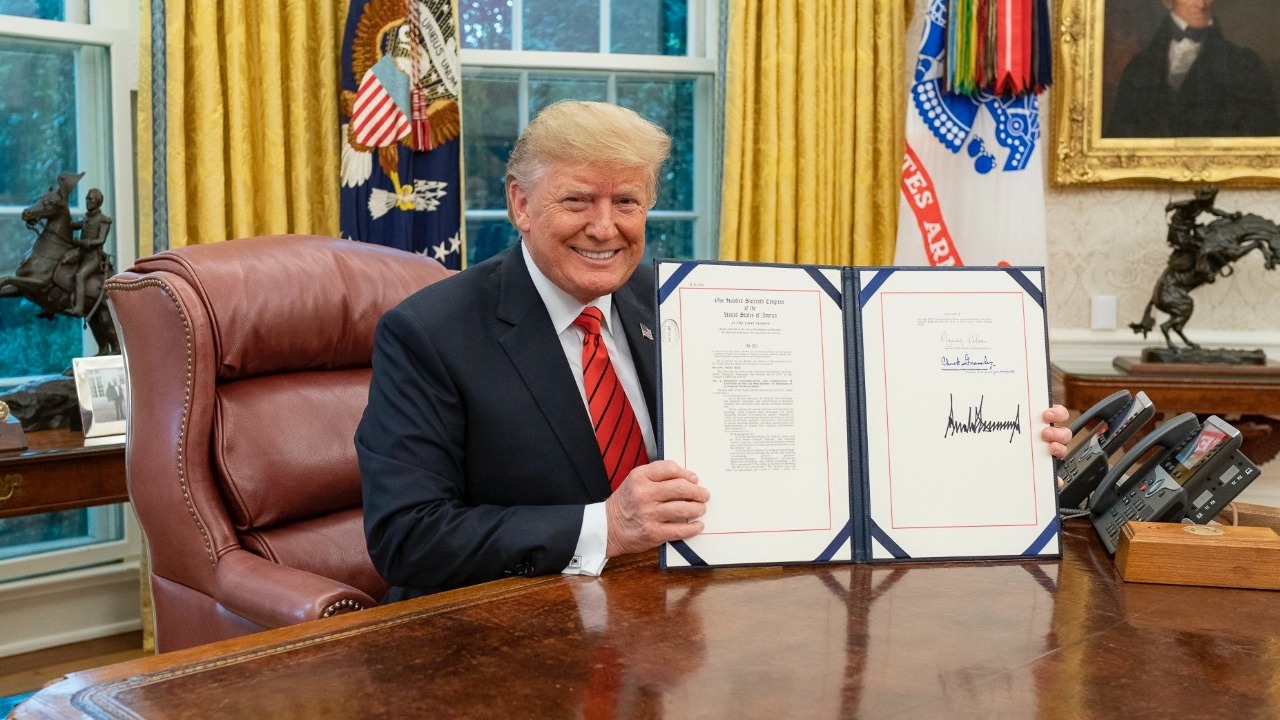
The introduction of Trump’s ‘Big, Beautiful’ bill has sparked significant debate, particularly regarding its potential effects on the housing market. From regulatory changes to shifts in tax incentives, the bill contains measures that could reshape the housing landscape in both beneficial and challenging ways. Here, I explore six key areas where the bill could have a lasting impact.
Regulatory Rollbacks and Their Impact on Housing Development

One of the most discussed elements of the bill is the proposed regulatory rollbacks designed to streamline housing development. By reducing bureaucratic hurdles, the bill aims to accelerate construction timelines and reduce costs for developers. This could lead to an increase in housing supply, potentially alleviating some of the pressure in high-demand areas.
However, these rollbacks may also raise concerns about the quality and safety of new developments. With fewer regulations, the oversight on construction standards might decrease, leading to potential long-term issues for homeowners. Balancing efficiency with safety remains a crucial consideration as these changes unfold.
Changes in Tax Incentives for Homeowners and Real Estate Investors

The bill proposes significant changes to tax incentives, which could have varying effects on homeowners and real estate investors. By altering mortgage interest deductions and property tax allowances, the bill aims to incentivize property investment and ownership. Homeowners could see financial benefits, making housing more attractive as an investment.
Conversely, these changes might also disproportionately favor high-income individuals, potentially exacerbating issues of housing inequality. It’s essential to consider how these incentives will impact different demographics and whether they will truly support wider access to homeownership.
Effects on Affordable Housing Initiatives

Affordable housing initiatives could face significant shifts under the new bill. While the goal is to increase overall housing availability, the focus on deregulation and tax changes might neglect the specific needs of low-income families. Without targeted support, there’s a risk that affordable housing projects could fall by the wayside.
Critics argue for the need to ensure that any increase in housing supply includes a substantial portion of affordable units. Ensuring that these initiatives remain a priority will be key to addressing housing disparities and maintaining balanced community development.
Potential Shifts in Mortgage Interest Rates

Another area of potential impact is the mortgage market, where changes in fiscal policy could influence interest rates. If the bill leads to greater economic growth and inflation, mortgage rates might rise, affecting affordability for prospective buyers. Higher rates could slow down the housing market by making loans more expensive.
On the flip side, if the bill stimulates economic stability, it might keep rates relatively low, encouraging more people to enter the housing market. Monitoring the Federal Reserve’s response to these changes will be crucial in predicting future trends in mortgage rates.
Implications for Urban vs. Rural Housing Markets

The bill’s effects might differ significantly between urban and rural areas. Urban markets could benefit from increased investment and development due to relaxed regulations, potentially leading to a surge in housing projects and economic activity. However, the same measures might have less impact in rural areas, where market dynamics and demand differ.
Understanding these nuances is essential for policymakers to ensure equitable growth across different regions. Efforts should be made to tailor strategies that address the unique challenges and opportunities present in both urban and rural housing markets.
Environmental Considerations and Housing Sustainability

Environmental sustainability is a critical aspect of housing development, and the bill’s deregulatory approach might pose challenges. While aiming to reduce costs and expedite building processes, there’s a risk that environmental standards could be compromised, affecting long-term sustainability.
To mitigate these concerns, it’s vital to incorporate sustainable practices into new developments. This includes considerations for energy efficiency, resource management, and minimizing environmental impact. Ensuring that housing growth aligns with sustainability goals will be essential for future-proofing the housing sector.

Elias Broderick specializes in residential and commercial real estate, with a focus on market cycles, property fundamentals, and investment strategy. His writing translates complex housing and development trends into clear insights for both new and experienced investors. At The Daily Overview, Elias explores how real estate fits into long-term wealth planning.