In the world of real estate, cash flow is king. As a seasoned landlord, I’ve learned that maintaining steady income from rental properties is all about balancing costs and revenues efficiently. Here, I’ll share the time-tested strategies that have helped me and many other old-school landlords manage rental properties successfully.
Understand Your Market

Knowledge is power, especially when it comes to real estate. Understanding your local market’s dynamics is crucial for setting competitive rental rates and predicting property value trends. I always take the time to research neighborhood demographics, economic forecasts, and local zoning laws. For example, the Cecil County zoning updates can significantly impact property values. Staying informed allows me to make strategic decisions about property acquisitions and rental adjustments.
Moreover, I keep an eye on local development projects and infrastructure improvements. These factors can affect demand for rental properties. By understanding the market, I can better anticipate changes and adjust my strategies accordingly, ensuring a consistent cash flow.
Prioritize Tenant Retention

High turnover rates can be costly. Tenant retention is an essential aspect of maintaining cash flow. I focus on providing excellent customer service and maintaining open communication with my tenants. Simple gestures like timely repairs and regular check-ins can foster a sense of community and satisfaction.
Offering lease renewal incentives, such as a slight rent reduction or a new appliance, can also encourage long-term tenancy. According to a Guardian article, maintaining a good relationship with tenants can reduce turnover, saving both time and money in the long run.
Maintain a Cash Reserve

Unexpected expenses are part of the real estate business. I always keep a cash reserve to cover emergencies like sudden repairs or legal fees. Ideally, this reserve should cover at least three to six months of operating expenses. Having a financial cushion prevents the need to dip into personal funds or take out high-interest loans.
By maintaining a cash reserve, I can navigate unforeseen challenges without disrupting my cash flow. This practice has been instrumental in sustaining my rental business through economic downturns and property-specific issues.
Regularly Review Rental Rates

Rental rates should reflect the current market conditions. I make it a point to review and adjust my rental rates annually. This ensures my properties remain competitive while maximizing revenue. I analyze local rental listings and occupancy rates to determine the optimal price point.
It’s also essential to consider tenant feedback and property upgrades when adjusting rates. By doing so, I can justify any increases and maintain tenant satisfaction. This approach helps me strike a balance between profitability and affordability.
Minimize Vacancies
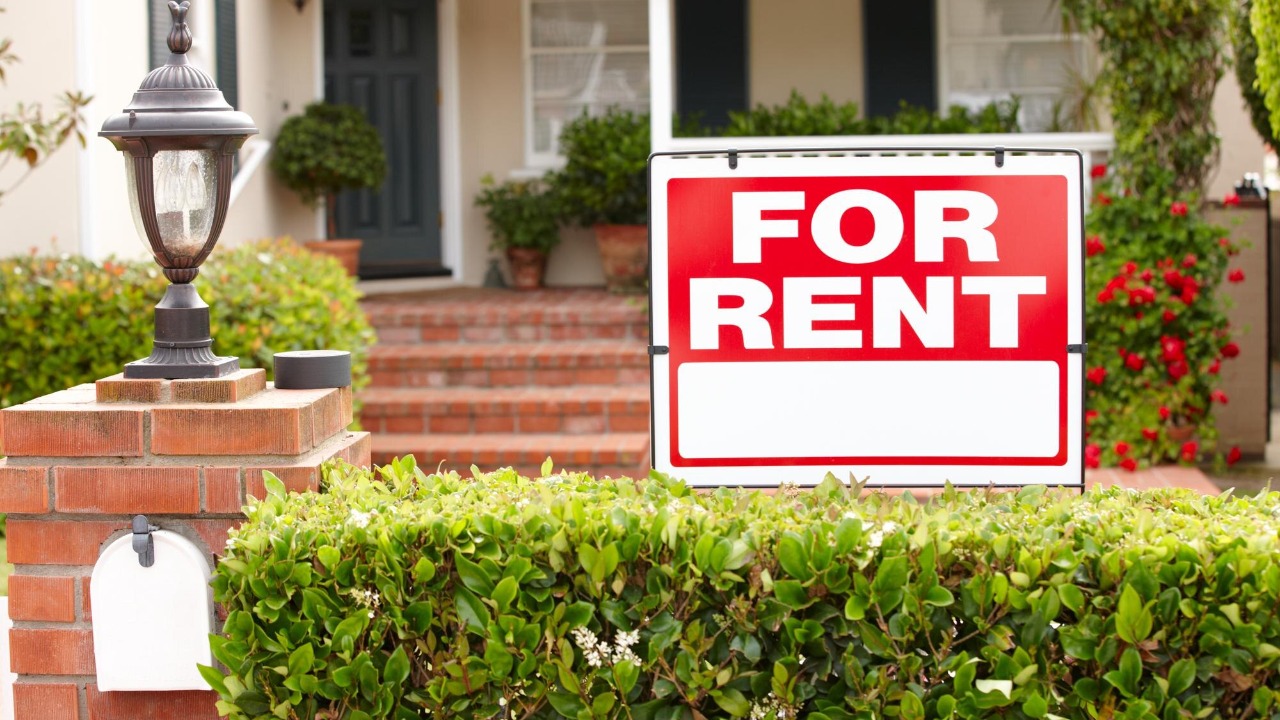
Vacancies are a landlord’s worst enemy. I strive to minimize them by ensuring my properties are in top condition and priced competitively. I also employ strategic marketing techniques to attract potential tenants quickly. Utilizing online platforms, such as Zillow and Trulia, helps reach a broader audience.
I also rely on tenant referrals to fill vacancies efficiently. Happy tenants are often willing to recommend my properties to friends and family, reducing the time and expense involved in finding new tenants. This proactive approach has been effective in keeping my properties occupied.
Keep Operating Costs Low

Controlling expenses is vital for maintaining a healthy cash flow. I regularly review my operating costs and identify areas where I can save money. This might involve negotiating better rates with service providers or implementing energy-efficient solutions to reduce utility bills.
Small changes, like switching to LED lighting or installing programmable thermostats, can have a significant impact on overall expenses. Additionally, maintaining a good relationship with local contractors can lead to discounts and priority service, further reducing costs.
Invest in Property Maintenance
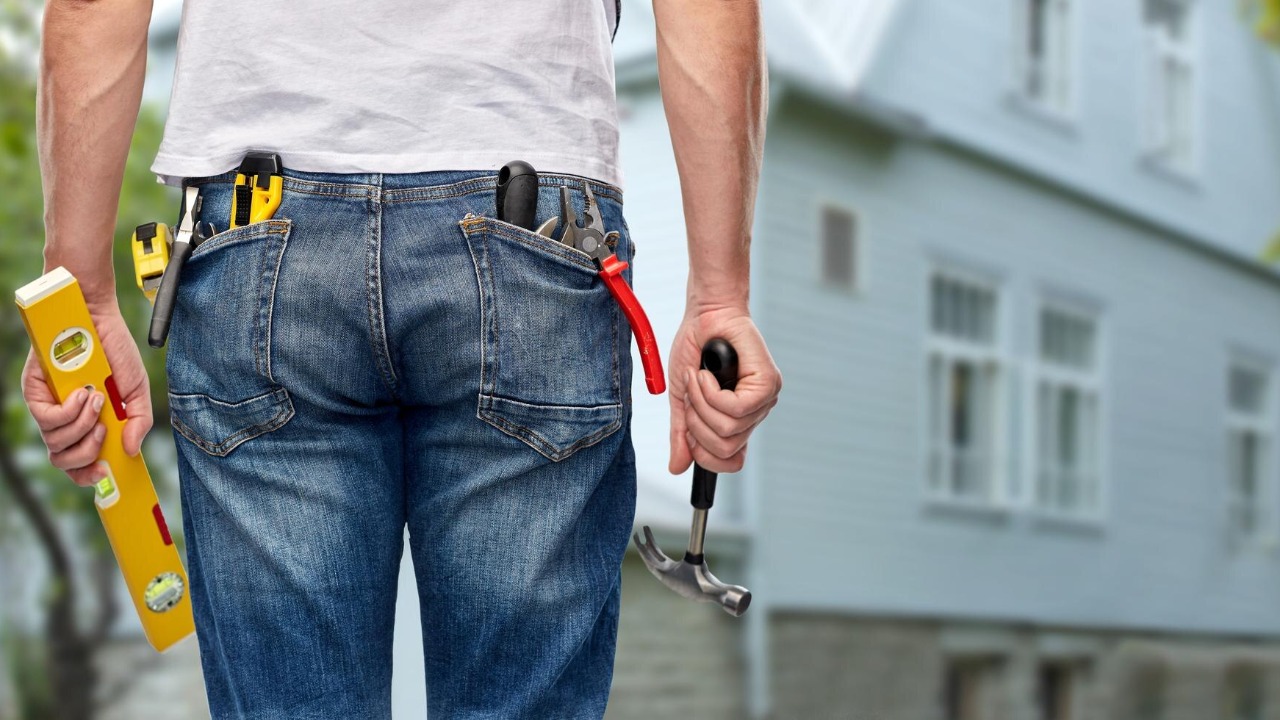
Preventive maintenance is key to preserving property value and ensuring tenant satisfaction. I schedule regular inspections and address minor issues before they become major problems. This proactive approach helps me avoid costly repairs and extends the lifespan of my properties.
Investing in quality materials and workmanship pays off in the long term. It not only keeps my properties in excellent condition but also enhances tenant retention. According to a study by SSRN, well-maintained properties are more attractive to tenants and often command higher rental rates.

Elias Broderick specializes in residential and commercial real estate, with a focus on market cycles, property fundamentals, and investment strategy. His writing translates complex housing and development trends into clear insights for both new and experienced investors. At The Daily Overview, Elias explores how real estate fits into long-term wealth planning.