As the retail landscape continues to evolve, several beloved mall brands are facing significant financial challenges in 2025. These challenges are driven by various factors, including shifting consumer preferences, increased competition from e-commerce, and declining sales in specific sectors. This article explores seven mall favorites that are most likely to face bankruptcy and closure this year, highlighting the specific reasons behind their struggles and the broader implications for the retail industry.
1) Express
Express has been a staple in malls across the country, known for its trendy apparel and accessories. However, the brand is now spotlighted in 2025 retail analyses for filing multiple bankruptcy proceedings and closing numerous mall locations by year’s end. The ongoing retail struggles have been exacerbated by a decline in foot traffic and increased competition from online retailers. As Express grapples with these challenges, the future of its mall presence remains uncertain, raising concerns about the impact on employees and local economies.
Despite efforts to revitalize its brand and product offerings, Express has struggled to maintain its market share. The company’s financial woes reflect broader trends in the retail industry, where traditional brick-and-mortar stores are increasingly losing ground to digital platforms. This shift underscores the need for retailers to innovate and adapt to changing consumer behaviors to survive in a competitive market.
2) rue21
rue21, a popular destination for affordable fashion, is highlighted for repeated Chapter 11 filings and the liquidation of over 400 mall-based stores as of late 2024. These financial pressures have placed the company at high risk of bankruptcy in 2025. The apparel sector has been particularly hard-hit by changing consumer preferences and the rise of fast fashion, which has intensified competition and squeezed profit margins.
The closure of rue21 stores not only affects employees but also leaves gaps in mall offerings, potentially reducing overall foot traffic. As the company navigates its financial challenges, it must find ways to differentiate itself in a crowded market and appeal to a new generation of shoppers who prioritize convenience and sustainability.
3) GNC
GNC, a well-known retailer of health and wellness products, is facing significant challenges amid declining health supplement sales. The company is noted for corporate ownership changes and shuttering hundreds of mall kiosks and shops during a 2025 sales downturn. This decline reflects broader trends in the health supplement industry, where consumers are increasingly turning to online platforms for their purchases.
The closure of GNC locations in malls highlights the shifting dynamics of consumer behavior, as more people opt for the convenience of online shopping. For GNC to remain competitive, it must adapt its business model to meet the demands of a digital-first market while continuing to offer high-quality products that resonate with health-conscious consumers.
4) The Body Shop
The Body Shop, known for its ethical and sustainable beauty products, has been flagged after U.S. operations entered administration with plans to close all 33 mall stores by early 2025. The company’s financial struggles are attributed to international restructuring issues, which have impacted its ability to maintain a strong retail presence.
The closure of The Body Shop stores in malls underscores the challenges faced by retailers in the beauty sector, where competition is fierce, and consumer preferences are rapidly evolving. To succeed, companies must innovate and offer unique value propositions that align with the values of modern consumers, such as sustainability and ethical sourcing.
5) Victoria’s Secret
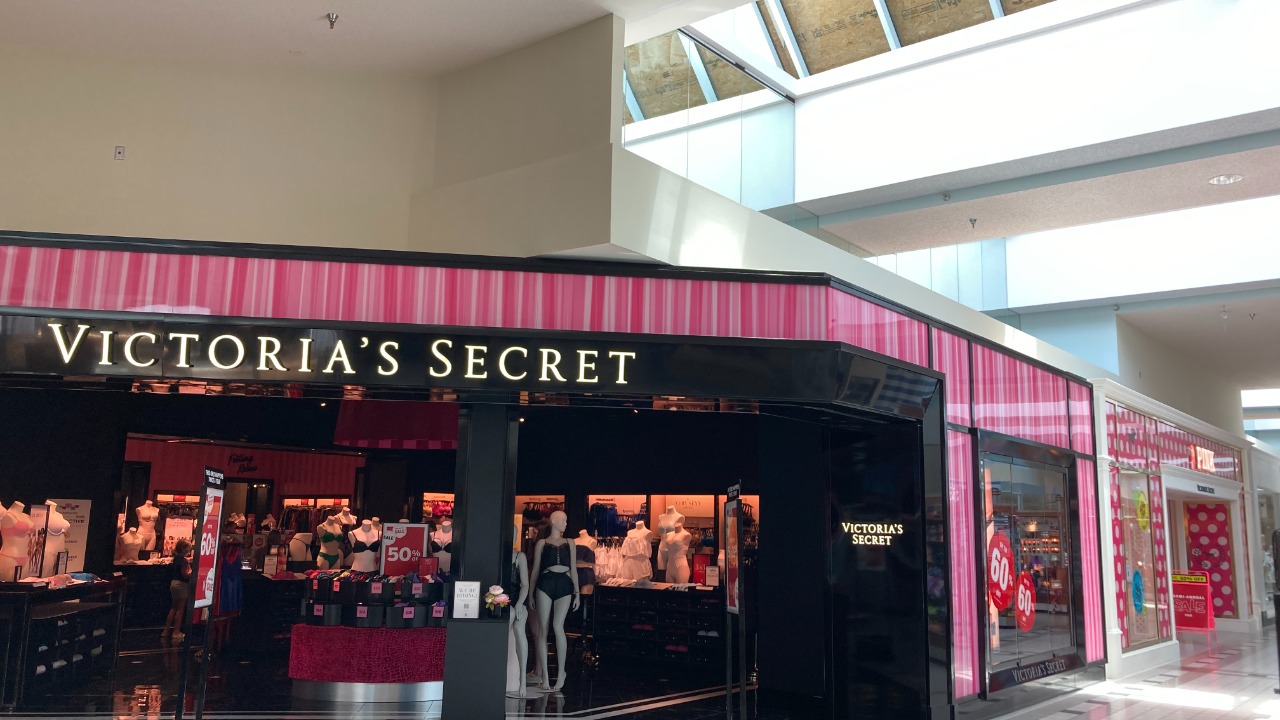
Victoria’s Secret, a fan-favorite company with a heavy mall presence, is facing high closure risk in 2025 due to shifting consumer preferences. The brand has struggled to maintain its appeal amid declining mall traffic and changing attitudes towards body image and inclusivity. As a result, Victoria’s Secret is covered as a struggling intimates retailer with potential full bankruptcy looming.
The challenges faced by Victoria’s Secret highlight the importance of adapting to cultural shifts and consumer demands. To remain relevant, the company must embrace diversity and inclusivity in its marketing and product offerings, while also exploring new channels to reach its target audience.
6) J.C. Penney
J.C. Penney, a longstanding fixture in American malls, is examined for post-pandemic debt loads exceeding $4 billion and accelerating mall store closures projected through 2025. The company has struggled to compete with e-commerce giants, leading to a decline in sales and profitability.
The financial challenges faced by J.C. Penney reflect the broader struggles of department stores, which have been slow to adapt to the digital age. To survive, the company must innovate and find ways to integrate online and offline shopping experiences, offering consumers the convenience and value they seek.
7) Macy’s
Macy’s, another iconic department store, is detailed for announcing 150 store cuts, including key mall anchors, with bankruptcy whispers intensifying into 2025. The decline of department stores has been driven by changing consumer preferences and the rise of e-commerce, which has eroded traditional retail models.
As Macy’s navigates its financial challenges, it must find ways to reinvent itself and appeal to a new generation of shoppers. This may involve reimagining its store layouts, enhancing its digital presence, and offering personalized shopping experiences that cater to the needs of modern consumers.
More From TheDailyOverview
- Dave Ramsey warns to stop 401(k) contributions
- 11 night jobs you can do from home (not exciting but steady)
- Small U.S. cities ready to boom next
- 19 things boomers should never sell no matter what

Grant Mercer covers market dynamics, business trends, and the economic forces driving growth across industries. His analysis connects macro movements with real-world implications for investors, entrepreneurs, and professionals. Through his work at The Daily Overview, Grant helps readers understand how markets function and where opportunities may emerge.

