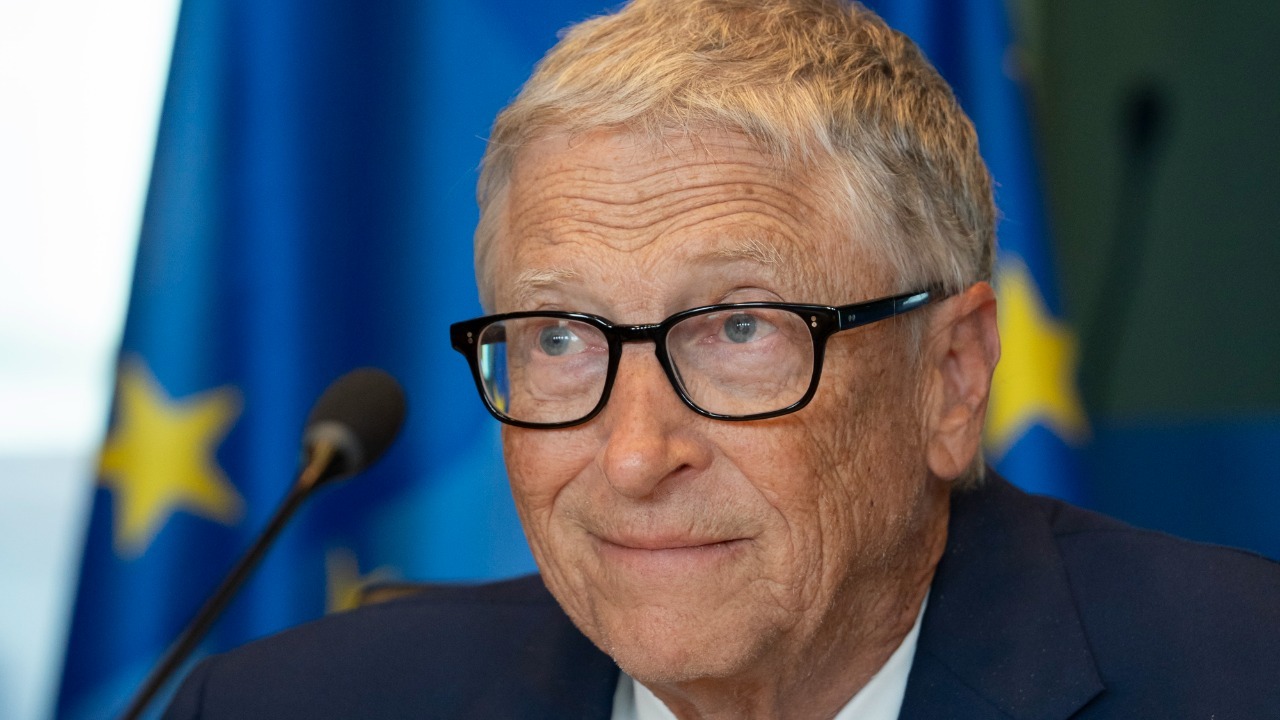
Learning from the financial habits of America’s wealthiest individuals can offer valuable insights into building and maintaining wealth. Their strategies often emphasize the importance of disciplined saving, strategic investment, and a forward-thinking mindset. By understanding and incorporating these lessons, anyone can improve their financial literacy and potentially boost their financial success.
The Power of Compound Interest

One of the most powerful financial concepts embraced by the wealthy is compound interest. It’s often said that compound interest is the eighth wonder of the world, and for good reason. By reinvesting earnings, your money grows exponentially over time. For example, Warren Buffett, one of the richest people in the world, started investing at a young age, allowing him to maximize the benefits of compounding over decades.
Even small, consistent investments can lead to substantial growth when left to compound. The key takeaway is to start early and let your investments grow over the long term. This strategy highlights the importance of patience and the impact of time on wealth accumulation.
Diversification is Key
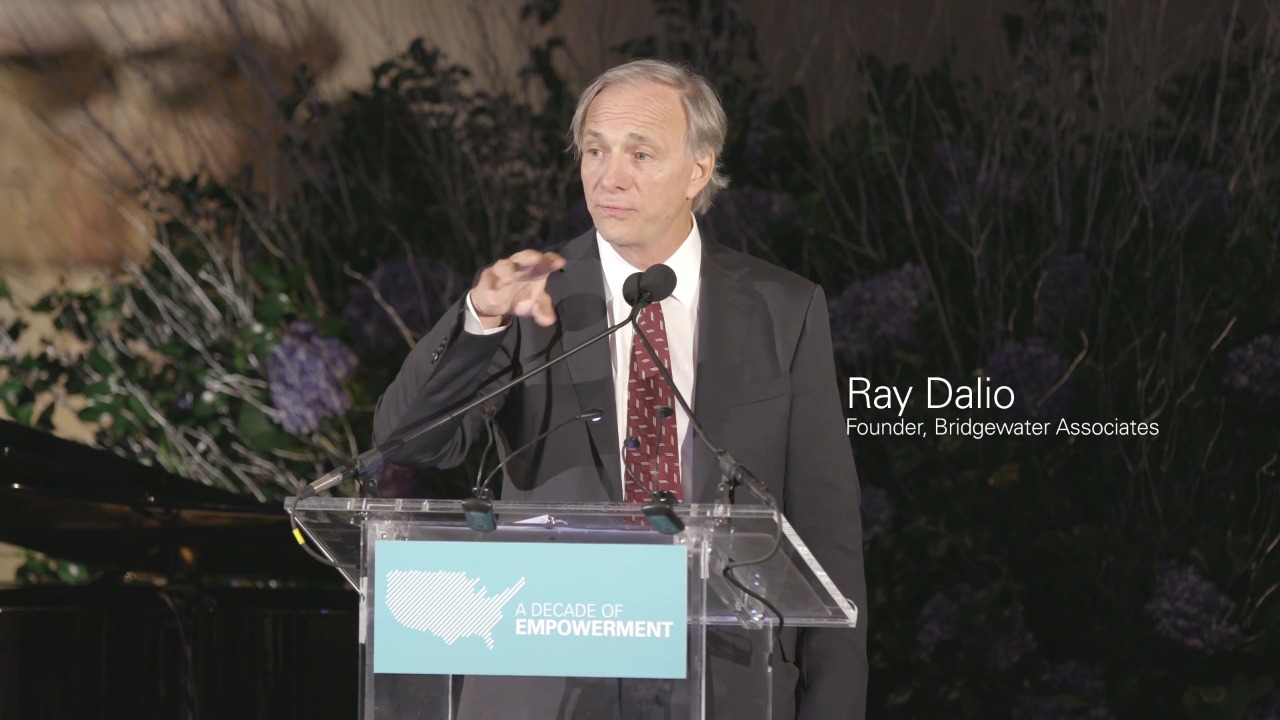
Most of America’s wealthiest understand the importance of diversification in their investment portfolios. By spreading investments across various asset classes, they reduce risk and increase the potential for returns. A diversified portfolio might include stocks, bonds, real estate, and other investment vehicles. This approach helps to mitigate losses since not all assets will respond to market changes in the same way.
For example, Ray Dalio, the founder of Bridgewater Associates, advocates for diversification as a fundamental principle. His strategy involves balancing risks across different assets to achieve more stable returns. Adopting a similar approach can protect against significant financial setbacks.
Embrace Lifelong Learning

Continuous learning is a common trait among the affluent. They understand that the financial world is dynamic and staying informed is crucial to making sound decisions. Lifelong learning can involve reading books, attending seminars, or simply keeping up with industry trends. Bill Gates, for instance, is known for his voracious reading habits, which keep him informed and innovative.
Engaging with diverse sources of knowledge can open up new opportunities and provide fresh perspectives on financial management. Reading widely and staying curious ensures that you remain adaptable and ready to tackle any financial challenge.
The Importance of Risk Management
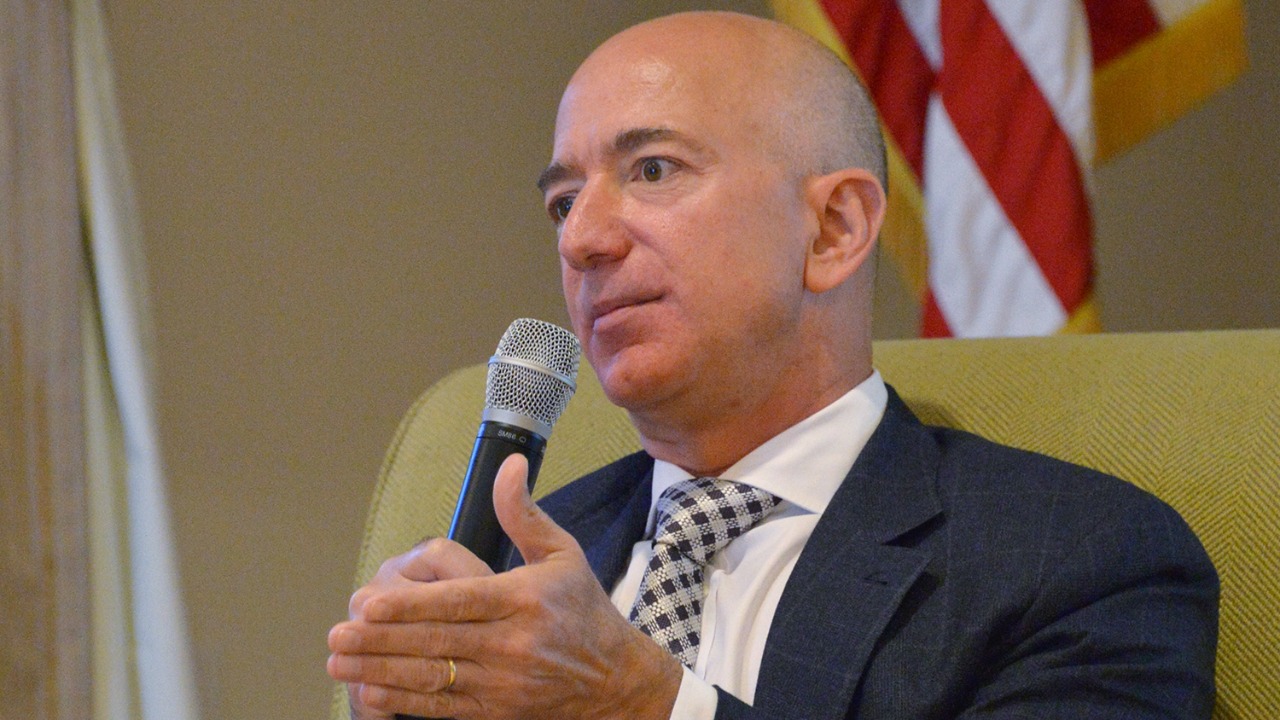
America’s wealthiest individuals are adept at managing risk. They recognize that every investment carries some degree of uncertainty and adjust their strategies accordingly. This often involves setting aside emergency funds, understanding personal risk tolerance, and carefully evaluating the potential outcomes of any financial decision.
Jeff Bezos, for instance, is known for taking calculated risks, balancing innovation with caution. By assessing risks and planning for various scenarios, you can better protect your financial well-being and make more confident decisions.
Live Below Your Means

Living below your means is a principle that many rich adhere to, despite their substantial wealth. It involves spending less than what you earn and being mindful of lifestyle inflation. This doesn’t mean living frugally, but rather making conscious choices about spending.
Consider the example of billionaire investor Carlos Slim, who is known for his modest lifestyle. By prioritizing savings and investments over unnecessary expenses, you can build a solid financial foundation while still enjoying life.
Focus on Long-term Goals

The rich often prioritize long-term financial goals over short-term gains. This involves setting clear objectives and developing a strategic plan to achieve them. Patience and persistence play a significant role in this process, as building wealth usually takes time.
Take Elon Musk as an example, whose vision for Tesla and SpaceX extends over several decades. By focusing on long-term aspirations and not getting distracted by temporary setbacks, you can stay on track and move closer to achieving substantial financial milestones.
Philanthropy and Giving Back

Many of America’s richest individuals find fulfillment in philanthropy and giving back to society. Not only does this create a positive impact, but it also provides personal satisfaction and a sense of purpose beyond wealth accumulation. Philanthropic efforts can take many forms, from donating to charities to establishing foundations.
For example, the Bill and Melinda Gates Foundation focuses on global health and education initiatives. By integrating philanthropy into your financial plan, you can contribute to meaningful causes while reinforcing the values that matter most to you.

Cole Whitaker focuses on the fundamentals of money management, helping readers make smarter decisions around income, spending, saving, and long-term financial stability. His writing emphasizes clarity, discipline, and practical systems that work in real life. At The Daily Overview, Cole breaks down personal finance topics into straightforward guidance readers can apply immediately.

