
As inflation continues to impact daily life, many are exploring innovative ways to stretch their budgets and maintain their standard of living. From rethinking spending habits to growing their own food, individuals are finding creative solutions to combat rising prices. Let’s delve into some strategies people are utilizing to navigate these challenging economic times.
Budgeting and Financial Planning

One of the most fundamental ways people are coping with inflation is by improving their budgeting and financial planning skills. By carefully tracking expenses and income, individuals can identify areas where they can cut costs. Many are turning to digital tools and apps that offer budgeting templates and spending alerts to keep their finances in check. This proactive approach allows them to forecast future expenses and adjust their spending accordingly.
Additionally, some are seeking professional financial advice to optimize their savings and investments. By reevaluating their financial goals and priorities, they’re able to make informed decisions that help buffer against inflation’s impact. Financial planners often suggest creating an emergency fund, which can serve as a safety net during uncertain times.
Embracing Minimalism

Minimalism has gained popularity as people strive to simplify their lives and reduce unnecessary expenses. By focusing on essential needs rather than wants, individuals are able to cut back on their spending. This lifestyle choice often involves decluttering and prioritizing quality over quantity, which can lead to significant savings.
Moreover, embracing minimalism can lead to a more sustainable way of living. By reducing consumption, people not only save money but also lessen their environmental footprint. This shift towards a simpler lifestyle can be both financially and emotionally liberating.
Growing Their Own Food

With food prices on the rise, many are turning to home gardening as a viable solution. Growing one’s own fruits and vegetables can significantly cut grocery costs and provide a fresher, healthier alternative to store-bought produce. Even those with limited space are finding ways to cultivate food through vertical gardens or community plots.
Besides the financial benefits, gardening can also be a therapeutic activity that promotes mental well-being. According to a study, engaging in such hands-on activities can reduce stress and improve overall mood, making it a rewarding endeavor in more ways than one.
Side Hustles and Gig Economy
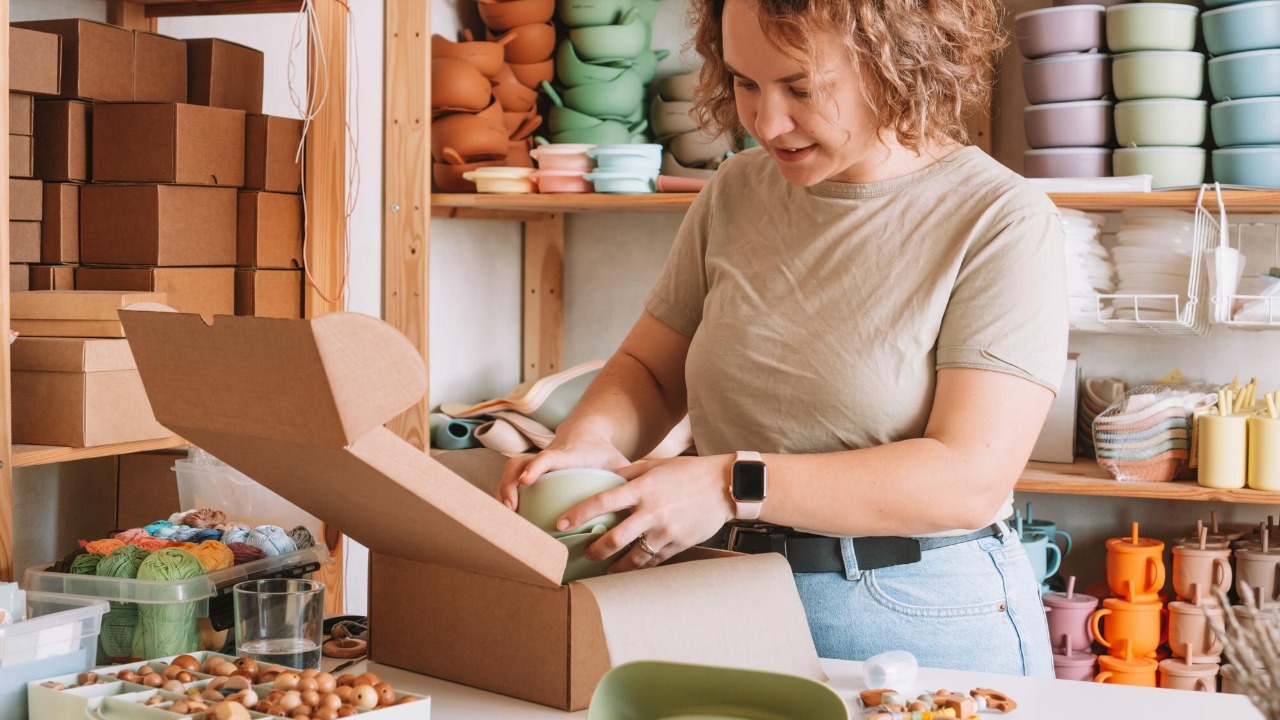
To counteract inflation, many individuals are tapping into the gig economy and taking on side hustles. This not only provides additional income but also offers flexibility that traditional jobs may not. Whether it’s freelancing, ride-sharing, or selling handmade goods online, the gig economy presents numerous opportunities to earn extra money.
These side jobs also allow individuals to explore their passions and talents while supplementing their main income. According to an IEEE study, involvement in varied work tasks can enhance skills and provide diverse work experiences that are beneficial in the long run.
Bulk Buying and Smart Shopping

Many are choosing to buy in bulk to save money on everyday essentials. By purchasing larger quantities, they can often secure better deals and reduce the frequency of shopping trips, which saves on transportation costs. Bulk buying can be especially advantageous for non-perishable items like toiletries and household supplies.
Smart shopping also involves leveraging coupons, cashback apps, and loyalty programs to maximize savings. By staying informed about discounts and promotions, individuals can make more strategic purchasing decisions. As noted in a recent article, these small adjustments can add up to significant savings over time.
Energy and Resource Efficiency

Reducing energy consumption is another effective strategy for coping with inflation. Many are upgrading to energy-efficient appliances and adopting habits that conserve electricity and water. Simple actions such as unplugging devices when not in use or using programmable thermostats can lead to noticeable savings on utility bills.
Additionally, people are becoming more conscious of their resource usage in general. From carpooling to reduce fuel costs to using public transportation, these practices not only save money but also contribute to a more sustainable environment.
Community Sharing and Bartering

As inflation pinches wallets, community sharing and bartering have emerged as practical solutions. By sharing resources, such as tools or appliances, neighbors can reduce their individual expenses. Community platforms and local groups facilitate these exchanges, making it easier to connect and collaborate with others.
Bartering services or goods is another way individuals are sidestepping traditional monetary transactions. This age-old practice is seeing a resurgence as people trade skills, such as tutoring or home repairs, for goods or services they need. Such exchanges foster a sense of community and mutual support, which can be invaluable during tough economic times.

Cole Whitaker focuses on the fundamentals of money management, helping readers make smarter decisions around income, spending, saving, and long-term financial stability. His writing emphasizes clarity, discipline, and practical systems that work in real life. At The Daily Overview, Cole breaks down personal finance topics into straightforward guidance readers can apply immediately.
