The U.S. dollar has experienced its worst start in over half a century, causing ripples across global markets and economies. This unexpected downturn has raised concerns among investors, policymakers, and everyday consumers, prompting a closer examination of the factors driving this decline and its broader implications.
Historical Context of the Dollar’s Performance
The U.S. dollar has long been a symbol of economic strength and stability. Historically, it has played a crucial role during periods of global uncertainty, often serving as a safe-haven currency. However, the dollar has also experienced significant fluctuations, impacted by various economic events. From stagflation in the 1970s to the financial crisis in 2008, these events have tested the resilience of the dollar, prompting both downturns and eventual recoveries.
The dollar’s role as the world’s primary reserve currency underscores its significance in global markets. Changes in its value can have profound effects on international trade and finance. A strong dollar typically makes U.S. exports more expensive and imports cheaper, while a weaker dollar can boost American exports by making them more competitive. The intricate balance of these dynamics highlights the dollar’s critical influence on global economic activities.
Current Economic Factors Influencing the Dollar
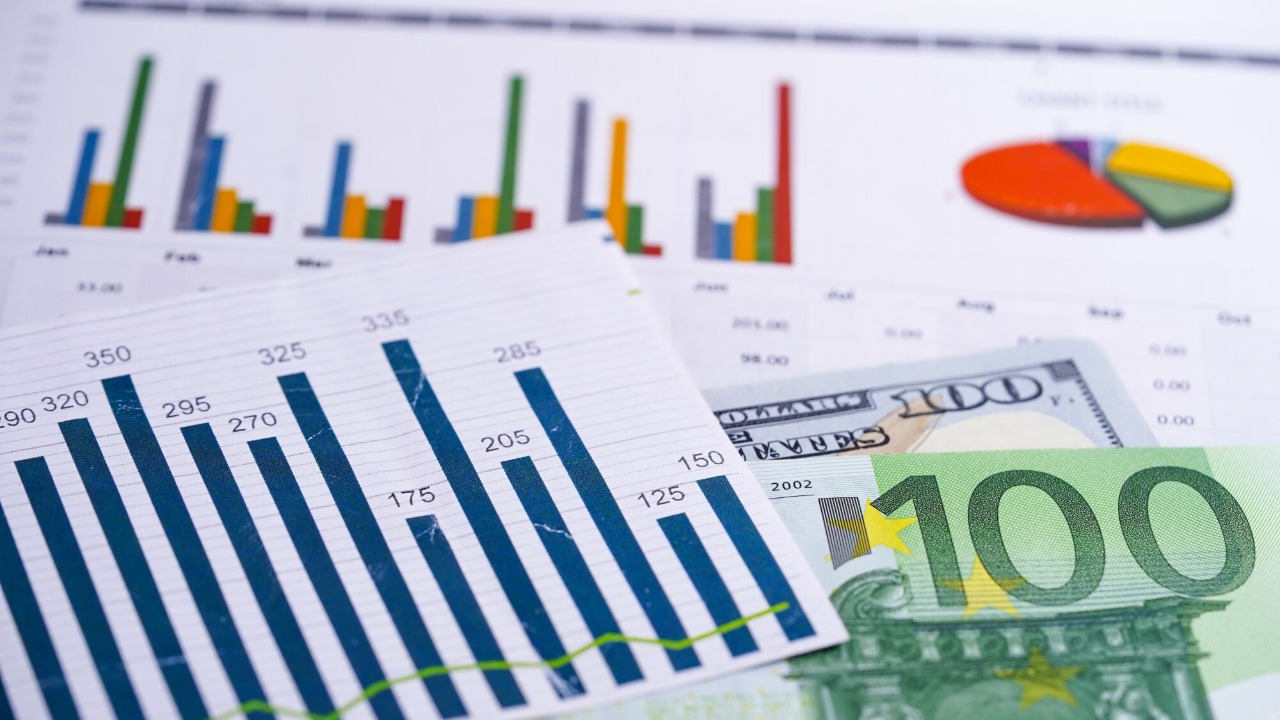
U.S. monetary policy and interest rates are pivotal in shaping the dollar’s trajectory. Recently, the Federal Reserve’s actions, including interest rate adjustments, have played a significant role in affecting the dollar’s value. Inflation rates and economic forecasts further complicate this landscape, as they impact investor confidence and currency valuation.
Globally, economic conditions are also at play. Challenges in key markets, such as the Eurozone and China, alongside ongoing trade tensions, have repercussions on currency valuation. These factors contribute to a complex economic environment, influencing not only the dollar but also the broader global economy.
Implications for the Global Economy

The dollar’s decline has far-reaching effects on international trade and investment. Changes in the currency’s value can alter export and import dynamics, affecting trade balances and economic growth. Additionally, shifts in foreign direct investment patterns may arise as investors seek more stable returns in other currencies.
Emerging markets are particularly vulnerable to currency volatility, which can threaten economic stability. In response, many have adopted strategies to mitigate risks, such as diversifying their reserves and implementing prudent fiscal policies. These measures aim to safeguard against economic shocks stemming from a fluctuating dollar.
Market Reactions and Investor Sentiment
Investor reactions to the dollar’s decline have been varied. Trends in currency trading and foreign exchange markets reveal a cautious approach, with many investors adjusting their strategies to navigate this uncertainty. Shifts in asset allocations are evident as investors seek to hedge against further dollar depreciation.
Speculative trading also plays a role in currency valuation. Market speculation can exacerbate fluctuations, prompting regulatory considerations to ensure stability. Balancing speculative activities with market stability remains a key challenge for policymakers and financial institutions.
Future Outlook and Possible Scenarios
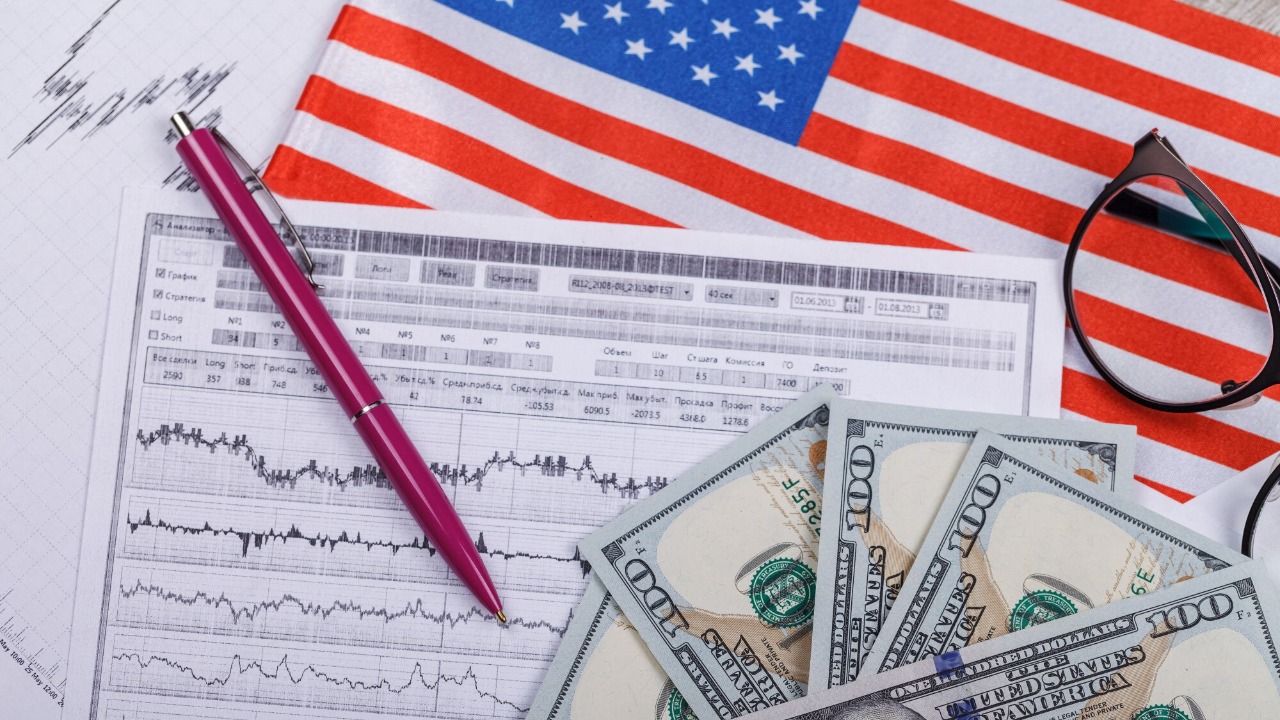
Looking ahead, predictions for the dollar’s trajectory remain mixed. Economic indicators such as employment data, inflation rates, and geopolitical developments will be crucial in determining the dollar’s path. Experts provide diverse opinions on whether the dollar will recover or face further decline in the coming months.
In response, policymakers and central banks may implement measures to stabilize the currency. These could include interest rate adjustments, foreign exchange interventions, and international cooperation efforts to address global economic challenges. The effectiveness of these strategies will be closely watched by markets and consumers alike.
Broader Impacts on Everyday Consumers
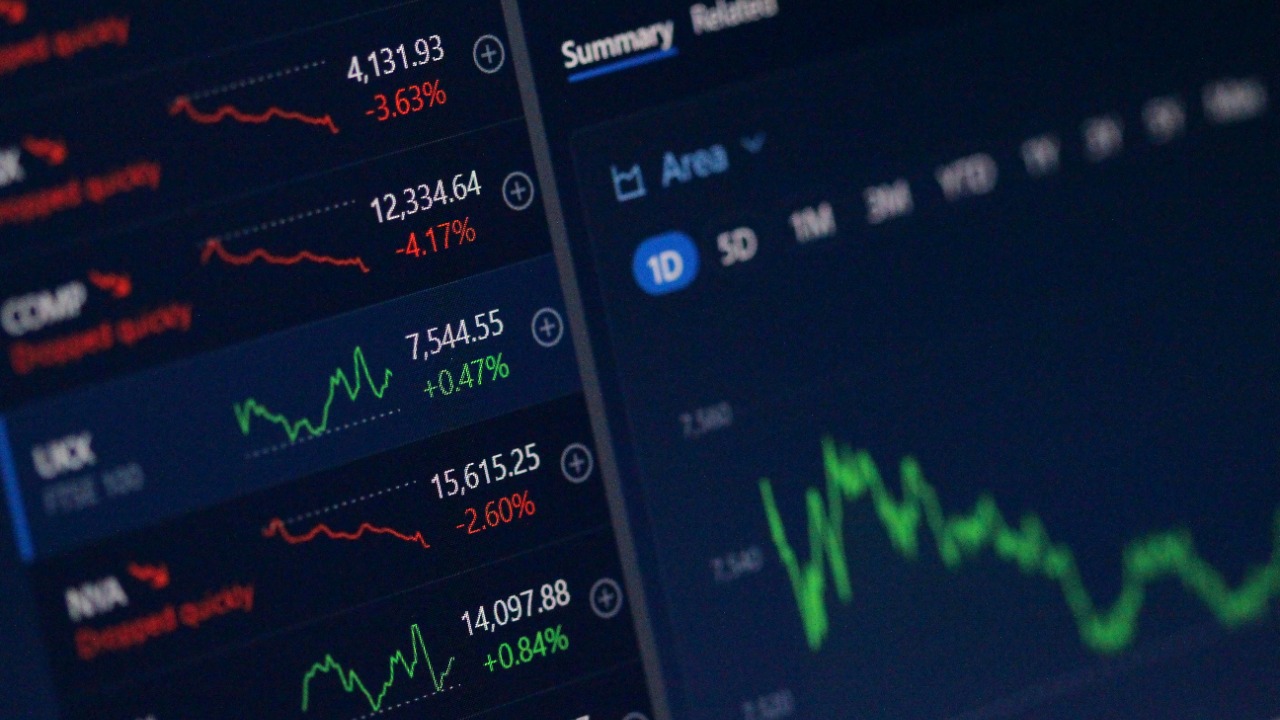
The dollar’s performance has tangible effects on consumer purchasing power. A weaker dollar can lead to higher import prices, impacting the cost of living. Additionally, it influences travel expenses and overseas purchases, affecting consumer behavior and spending patterns.
For consumers, navigating currency fluctuations requires strategic financial planning. Risk management tips, such as diversifying investments and utilizing currency exchange services, can help mitigate the impact of a volatile dollar. Consulting financial advisors may also provide valuable insights into managing personal finances in uncertain economic times.
As the dollar’s trajectory unfolds, understanding its implications is crucial for investors, businesses, and consumers alike. By examining historical contexts, current economic factors, and future scenarios, stakeholders can better navigate the complexities of a dynamic global economy.

Grant Mercer covers market dynamics, business trends, and the economic forces driving growth across industries. His analysis connects macro movements with real-world implications for investors, entrepreneurs, and professionals. Through his work at The Daily Overview, Grant helps readers understand how markets function and where opportunities may emerge.

