
Many individuals worry about their eligibility for Social Security benefits if they have never worked. Fortunately, there are several scenarios where you might still qualify for these benefits. Understanding these options can help you navigate the complex world of Social Security and ensure you receive the support you need during retirement or unforeseen circumstances.
Spousal Benefits

If your spouse has worked and paid into Social Security, you may be eligible for spousal benefits. This program allows you to receive up to 50% of your spouse’s retirement benefit, even if you have never worked yourself. It’s important to note that you must be at least 62 years old and your spouse must be receiving their benefits for you to qualify.
Spousal benefits can provide essential financial support, especially if your spouse had a higher earning history. To learn more about how spousal benefits are calculated, visit the Social Security Administration’s official page.
Divorced Spouse Benefits

Divorce does not necessarily disqualify you from receiving Social Security benefits based on your ex-spouse’s work record. If you were married for at least 10 years and are currently unmarried, you might be eligible for benefits similar to those of a current spouse. You must also be at least 62 years old, and the benefit you could receive must be greater than what you would get based on your own work history.
This option can be particularly beneficial if your former spouse had a significantly higher income. In some cases, even if your ex-spouse has remarried, you may still qualify for these benefits if you meet the criteria.
Survivor Benefits

Survivor benefits are available to widows, widowers, and dependents of deceased workers who have paid into Social Security. If your spouse or parent dies, and they have worked long enough under Social Security, you and your family might be eligible for these benefits.
Survivor benefits can be claimed as early as age 60, or age 50 if you are disabled. If you are taking care of a child under 16 or disabled, you can receive benefits at any age. For more detailed information, you might want to explore Investopedia’s guide on who qualifies for Social Security benefits.
Disability Benefits for Spouses

If your spouse qualifies for Social Security Disability Insurance (SSDI), you may also be eligible for benefits. To qualify, you must be at least 62 years old, or any age if you are caring for a child who is under 16 or disabled. This can be a vital source of income if your spouse is unable to work due to a disability.
Understanding eligibility for disability benefits can be complex, so it’s helpful to consult resources like the Social Security Administration’s disability qualification page for more information.
Benefits for Dependent Parents
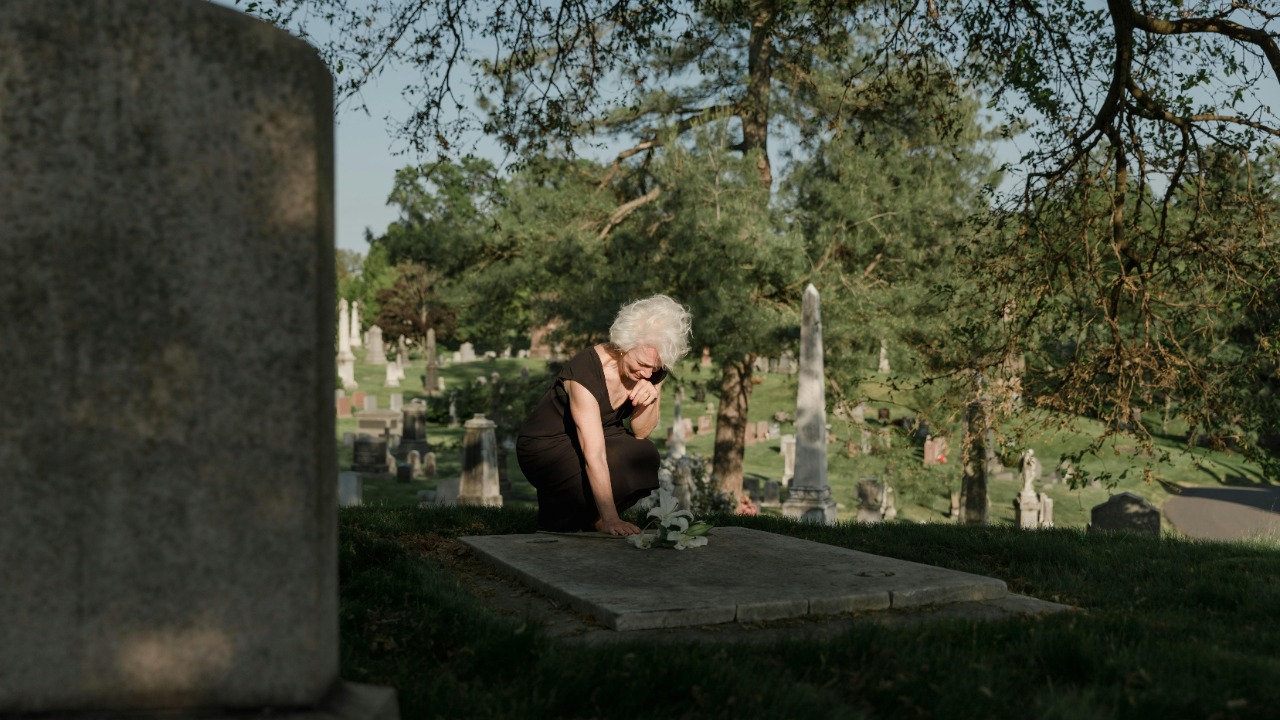
If you are a parent who was financially dependent on a child who has died, you might qualify for Social Security benefits based on their work record. To claim these benefits, you must be at least 62 years old and demonstrate that you were receiving at least half of your financial support from your deceased child.
This benefit ensures that dependent parents have some level of financial security after the loss of their child, providing a safety net during a challenging time.
Benefits for Widows and Widowers

Widows and widowers can receive benefits based on their deceased spouse’s earnings, which can begin as early as age 60 or 50 if disabled. If you remarry after reaching age 60, you may still qualify for these benefits.
This provision is particularly important for older individuals who may not have had the opportunity to earn sufficient credits for their own Social Security benefits. More insight into how retirees manage their finances can be found on platforms like Yahoo Finance.
Social Security through Supplemental Security Income (SSI)

Supplemental Security Income (SSI) is a federal program designed to help those with limited income and resources. Unlike traditional Social Security benefits, SSI does not require a work history. Instead, eligibility is based on financial need, age, or disability.
SSI can be a lifeline for individuals who have not accrued sufficient work credits but still require financial assistance. You can find comprehensive information about SSI and how to apply through various resources, including the Google Books.

Nathaniel Cross focuses on retirement planning, employer benefits, and long-term income security. His writing covers pensions, social programs, investment vehicles, and strategies designed to protect financial independence later in life. At The Daily Overview, Nathaniel provides practical insight to help readers plan with confidence and foresight.

