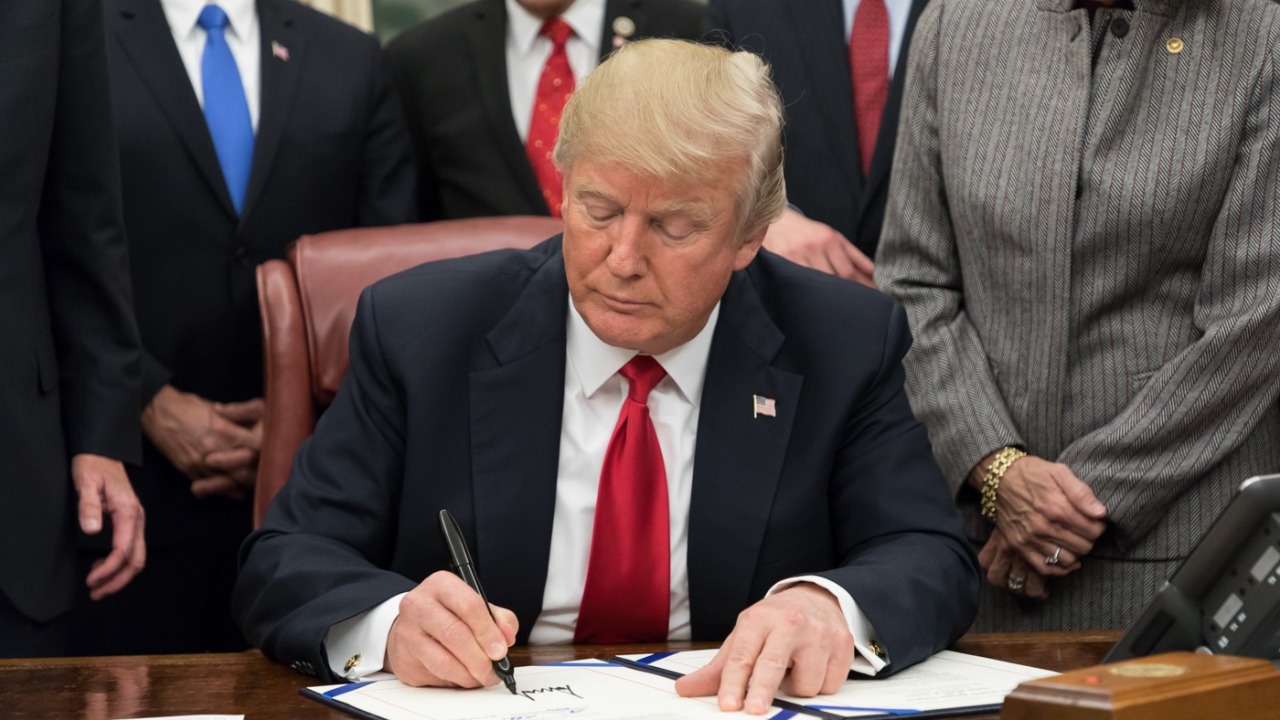
Recently, Donald Trump has turned his attention to another prominent figure in the financial world, Goldman Sachs CEO David Solomon. The president has publicly criticized Solomon over his views on economic policies, particularly tariffs, sparking a new wave of media coverage and public debate.
The Background of Trump’s Criticism
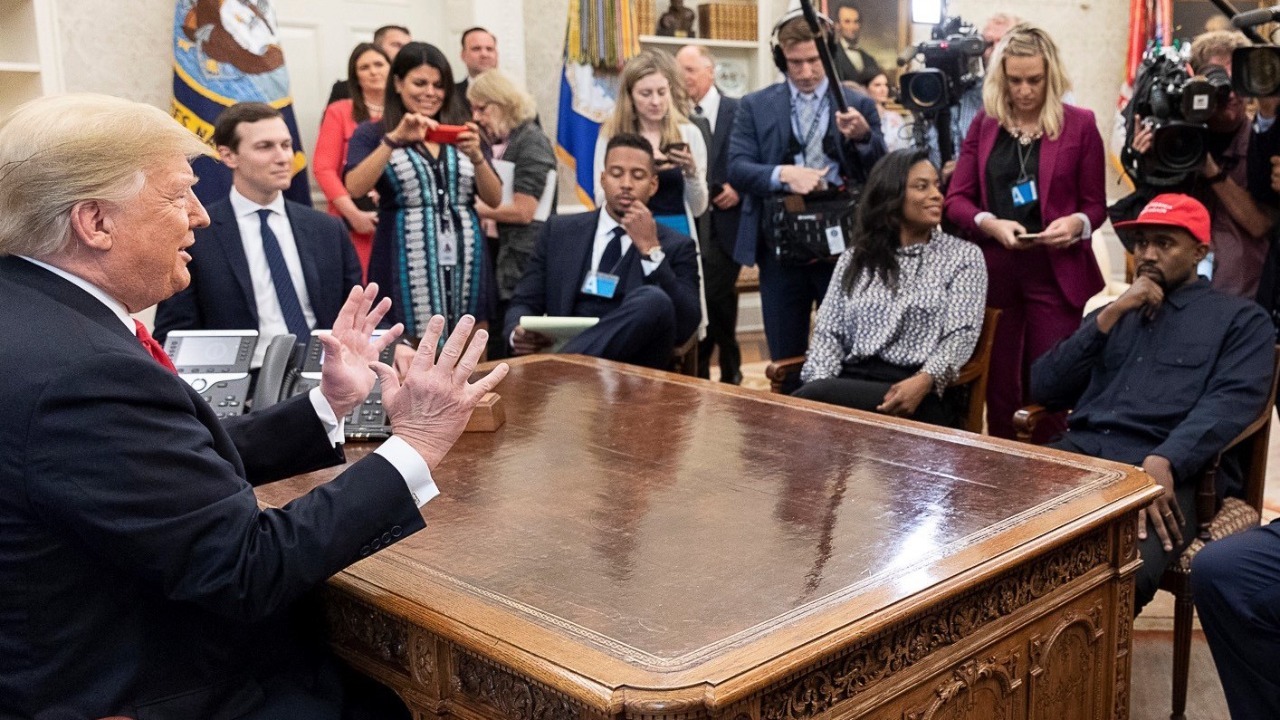
Donald Trump has never shied away from confronting executives in the financial sector, often using them as focal points for his economic rhetoric. Historically, Trump’s relationship with Wall Street has been a mix of admiration and critique. He often praises financial markets’ performance as a measure of his administration’s success. However, he also wasn’t afraid to call out financial leaders when their views clashed with his policies.
The recent criticism of David Solomon emerged after Solomon voiced concerns about the potential negative impacts of tariffs on the global economy. Trump, known for his pro-tariff stance, took to social media to rebuke Solomon, labeling his viewpoints as short-sighted and dismissive of American interests. Trump’s statements have since stirred a media frenzy, drawing attention to this clash of perspectives between a president and a leading financial executive.
Goldman Sachs’ Economic Stance
Goldman Sachs, under the leadership of David Solomon, has maintained a cautious yet optimistic approach to economic policies. The firm has been known for its detailed economic forecasts, often providing nuanced analyses of potential market trends. Solomon’s recent comments on tariffs align with Goldman Sachs’ broader economic stance, which emphasizes the importance of free trade and warns against the unintended consequences of protectionist policies.
In particular, Solomon has argued that tariffs could disrupt global supply chains and lead to increased costs for consumers. This perspective starkly contrasts with Trump’s belief that tariffs are a tool to protect American industries and jobs. Goldman Sachs’ comprehensive reports often highlight how global economic interdependence can be beneficial, a view that seems to diverge from the more nationalistic economic policies championed by Trump.
The Impact of Trump’s Criticisms
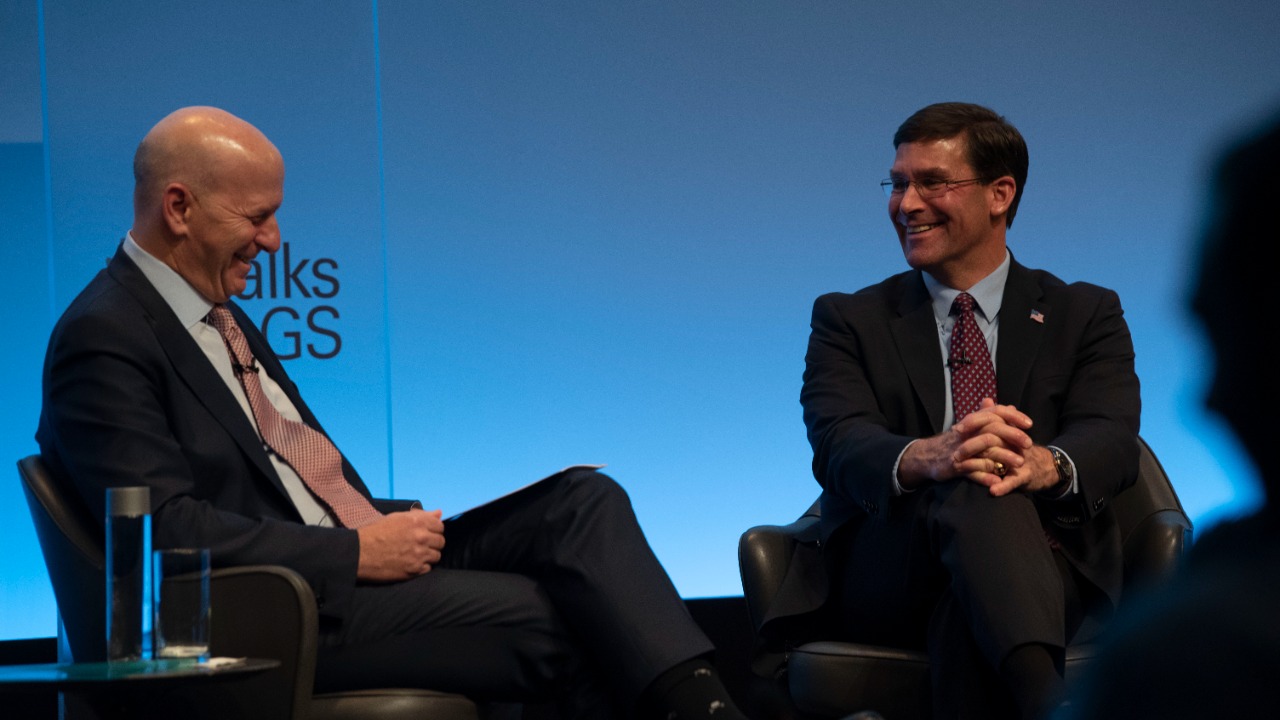
Trump’s public denunciation of Solomon has had noticeable effects on Goldman Sachs’ market perception. Initially, the firm experienced a slight dip in stock performance, as investors reacted to the negative publicity. However, the financial community’s reaction has been mixed. While some financial analysts have expressed concern over the potential for increased political interference in markets, others view Trump’s comments as a continuation of his longstanding rhetoric rather than a substantial threat to Goldman Sachs’ operations.
The media has been quick to cover the unfolding drama, with various outlets analyzing the implications for Solomon’s leadership. Some speculate that the criticism could pressure Solomon to reassess his public statements on economic policies. However, others argue that Goldman Sachs’ strong market position and robust financial strategies provide a buffer against such external pressures. The firm’s future business strategies may need to account for the heightened political climate, potentially leading to a more cautious approach in public engagements.
Political and Economic Ramifications
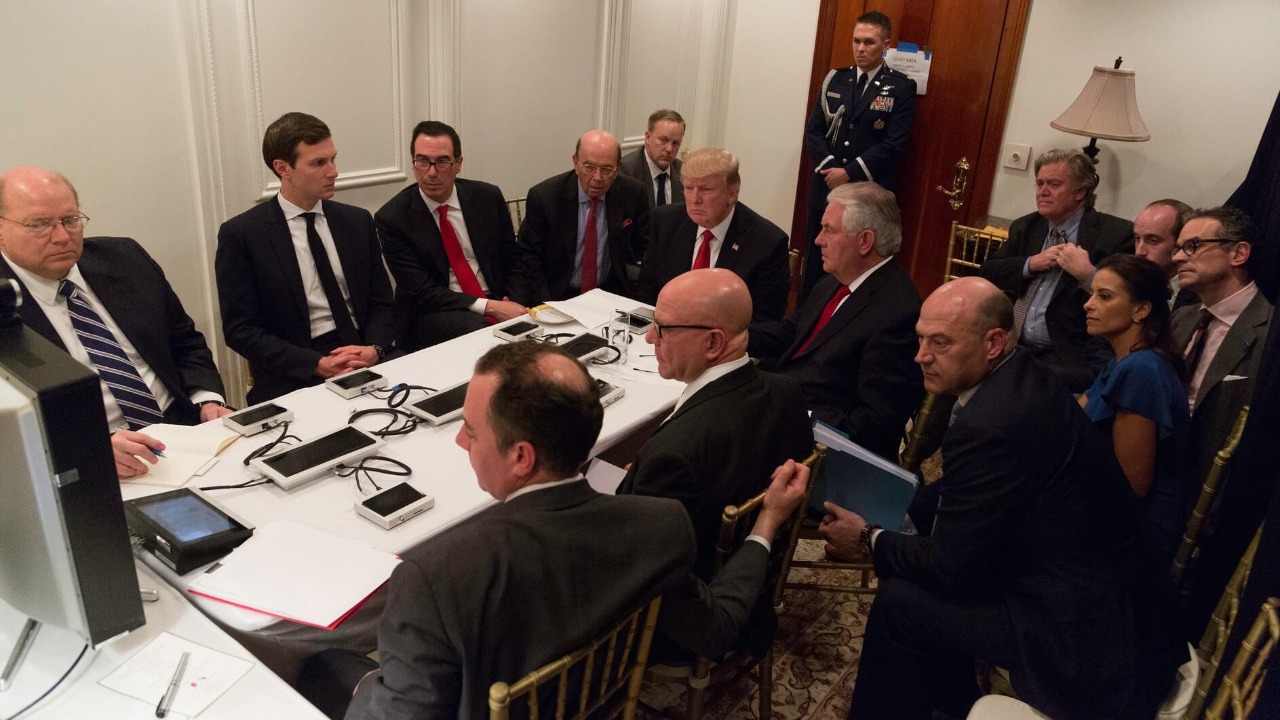
The broader political implications of Trump’s criticisms cannot be ignored. His comments serve as a reminder of his ongoing influence within the Republican Party and among his supporters, many of whom share his protectionist views. This incident highlights the continuing intersection of politics and finance, especially when high-profile figures like Trump and Solomon publicly clash.
Should Trump’s tariff policies gain traction again, there could be significant economic repercussions. Experts warn that a return to such policies might lead to trade wars, increased consumer prices, and strained international relations. The financial sector remains wary of these potential outcomes, with analysts frequently discussing the economic effects of renewed tariffs. The ongoing debate emphasizes the delicate balance between political motivations and economic realities.
Public and Media Reaction
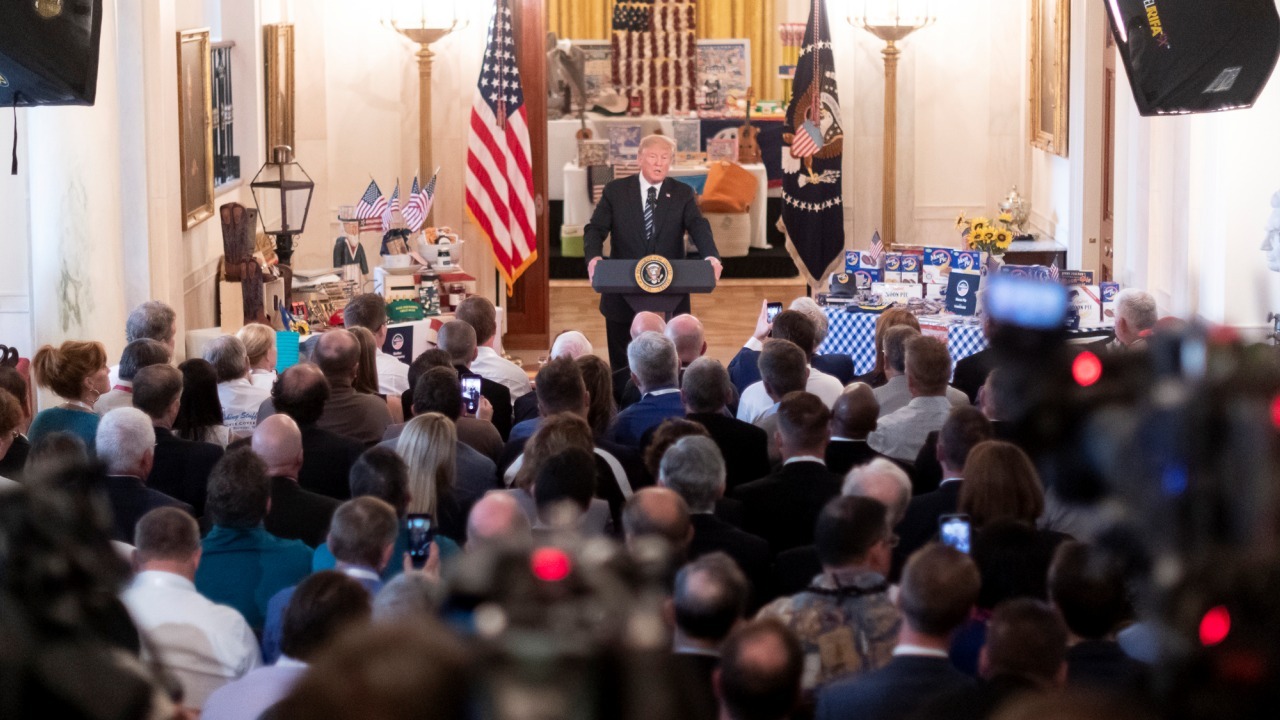
The clash between Trump and Solomon has been a hot topic in media circles, with numerous outlets providing extensive coverage. Public opinion is divided, with some supporting Trump’s pro-tariff stance as a means of protecting American jobs, while others criticize the approach as economically harmful. Social media platforms have amplified the controversy, with users voicing strong opinions on both sides of the debate.
This incident reflects broader trends in the relationship between politics and corporate America. As political figures increasingly engage in public disputes with corporate leaders, the lines between economic policy and political strategy become blurred. The role of social media in such controversies cannot be understated, as it often serves as the battleground for these high-profile disagreements. Ultimately, the ongoing dialogue between political and corporate leaders will continue to shape the economic landscape for years to come.
In conclusion, the dynamic between Donald Trump and David Solomon represents a microcosm of the larger conversation surrounding economic policy and political influence. As these narratives unfold, they provide valuable insights into the evolving relationship between politics and the financial world.

Grant Mercer covers market dynamics, business trends, and the economic forces driving growth across industries. His analysis connects macro movements with real-world implications for investors, entrepreneurs, and professionals. Through his work at The Daily Overview, Grant helps readers understand how markets function and where opportunities may emerge.

