
Saving money on groceries can feel like a challenging task, but a few strategic changes can lead to significant savings. By being mindful of how and where you shop, it’s possible to cut your grocery bill by $300 or more. Here are seven practical strategies to help you save without sacrificing quality or variety.
1) Plan Your Meals in Advance

Meal planning is a game-changer when it comes to saving money on groceries. By planning your meals for the week, you can create a focused shopping list and avoid purchasing unnecessary items. This strategy can also help you use what you already have in your pantry, reducing waste. I have found that sticking to a meal plan not only saves money but also reduces the stress of figuring out what to cook each day. For more in-depth tips on meal planning, check out this resource.
Additionally, meal planning allows you to take advantage of sales and seasonal produce, further cutting costs. I often browse store flyers and plan my meals around what’s discounted that week. This simple habit can lead to significant savings over time.
2) Use Coupons and Loyalty Programs
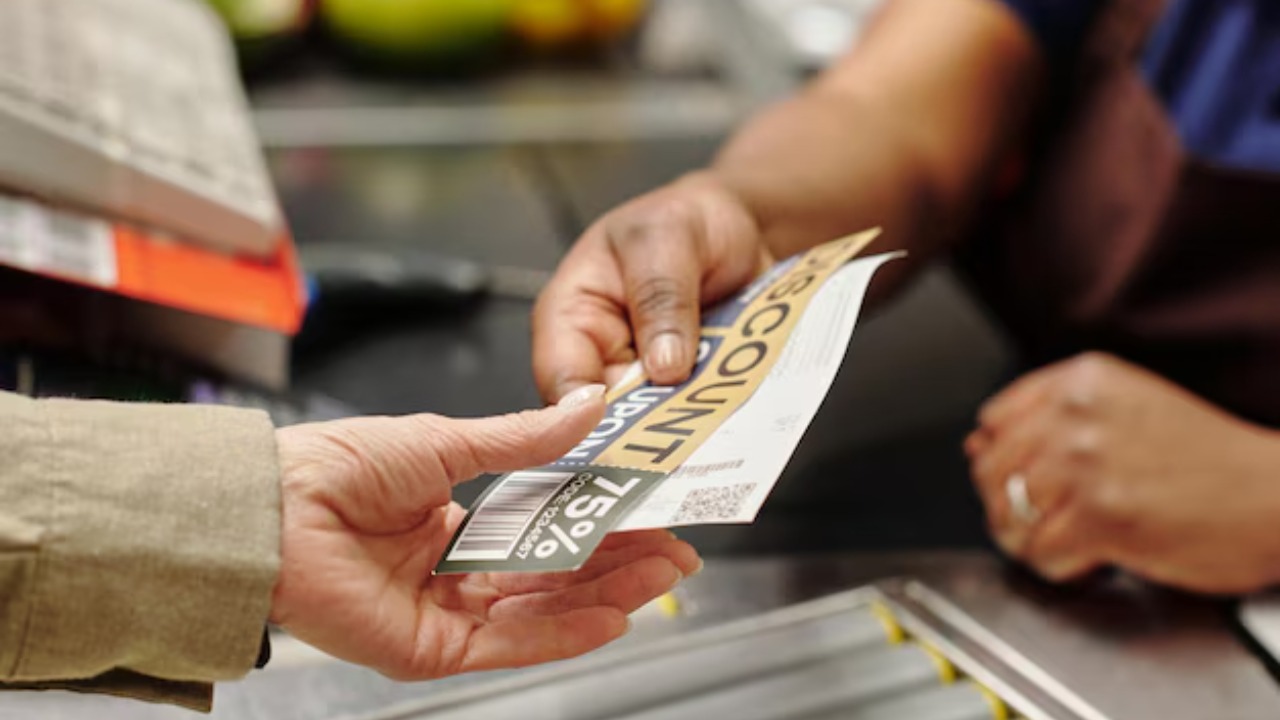
Coupons and loyalty programs are excellent tools for reducing your grocery bill. I regularly use digital coupons and store apps to find the best deals. Many grocery stores offer loyalty programs that provide discounts, cash back, or points that can be redeemed for future purchases. For example, programs like Kroger’s Plus Card can offer significant savings on everyday items.
It’s worthwhile to spend a few minutes each week checking for digital coupons or browsing your favorite store’s app for deals. To learn more about how grocery shopping habits are evolving, read this article.
3) Buy in Bulk
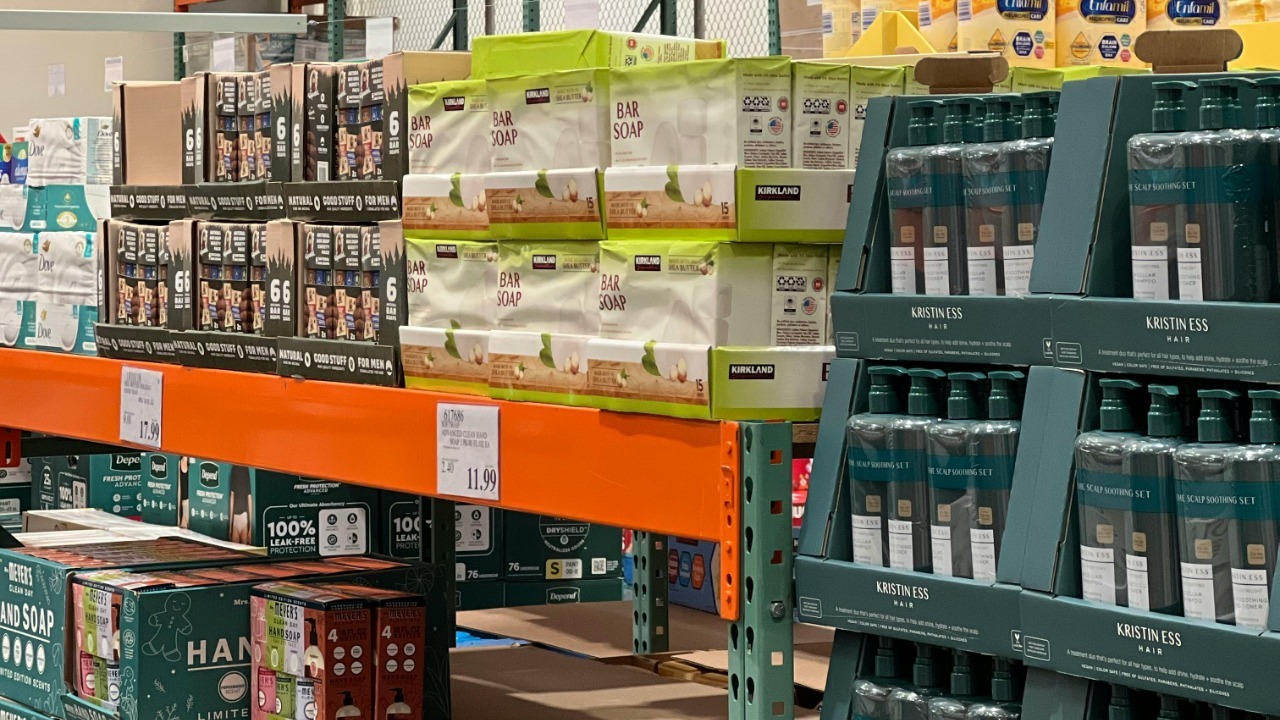
Buying in bulk can be a cost-effective strategy, especially for non-perishable items or products you use frequently. I often stock up on staples like rice, pasta, and canned goods, which not only saves money but also reduces the frequency of shopping trips. However, it’s crucial to ensure you have adequate storage space and that the items won’t expire before you can use them.
Bulk buying isn’t limited to just food items; it can also apply to household supplies such as paper towels or cleaning products. Stores like Costco and Sam’s Club typically offer significant savings for bulk purchases. For more tips on how to manage your grocery budget, consider looking at this guide.
4) Choose Store Brands Over Name Brands

Opting for store brands instead of name brands is a simple way to save money. I’ve found that many store-brand products are just as good as their more expensive counterparts. Items like cereals, canned goods, and dairy products often have store-brand versions that are significantly cheaper.
By choosing store brands, I can stretch my grocery budget further without compromising on quality. Next time you’re shopping, try swapping a few name-brand items for store brands and see how much you save.
5) Limit Impulse Purchases

Impulse purchases can quickly inflate your grocery bill. A good rule of thumb is to stick to your shopping list and avoid browsing aisles that aren’t on your route. I make a conscious effort to shop when I’m not hungry, as this helps reduce the temptation to buy snacks or treats that aren’t necessary.
Additionally, I find it helpful to set a budget for each shopping trip and use cash to avoid overspending. This method helps me stay disciplined and focused on purchasing only what I need. For more insights on controlling grocery expenses, visit this site.
6) Shop Seasonally and Locally

Shopping for seasonal and local produce can lead to significant savings. Seasonal fruits and vegetables are often less expensive and fresher due to their abundance. I enjoy visiting local farmers’ markets for fresh, affordable produce that supports local agriculture.
By focusing on what’s in season, I not only save money but also enjoy a variety of fruits and vegetables throughout the year. Shopping locally also reduces the environmental impact of transporting goods over long distances. Check out this document for more information on seasonal shopping.
7) Reduce Food Waste

Reducing food waste is not only good for the environment but also for your wallet. I make an effort to use leftovers creatively and store food properly to extend its shelf life. For instance, I often freeze leftovers for future meals or incorporate them into new recipes.
Another effective strategy is to keep track of what’s in your fridge and pantry, so you can plan meals around items that are nearing their expiration dates. By minimizing food waste, you can make the most of your grocery purchases and keep more money in your pocket.

Cole Whitaker focuses on the fundamentals of money management, helping readers make smarter decisions around income, spending, saving, and long-term financial stability. His writing emphasizes clarity, discipline, and practical systems that work in real life. At The Daily Overview, Cole breaks down personal finance topics into straightforward guidance readers can apply immediately.

