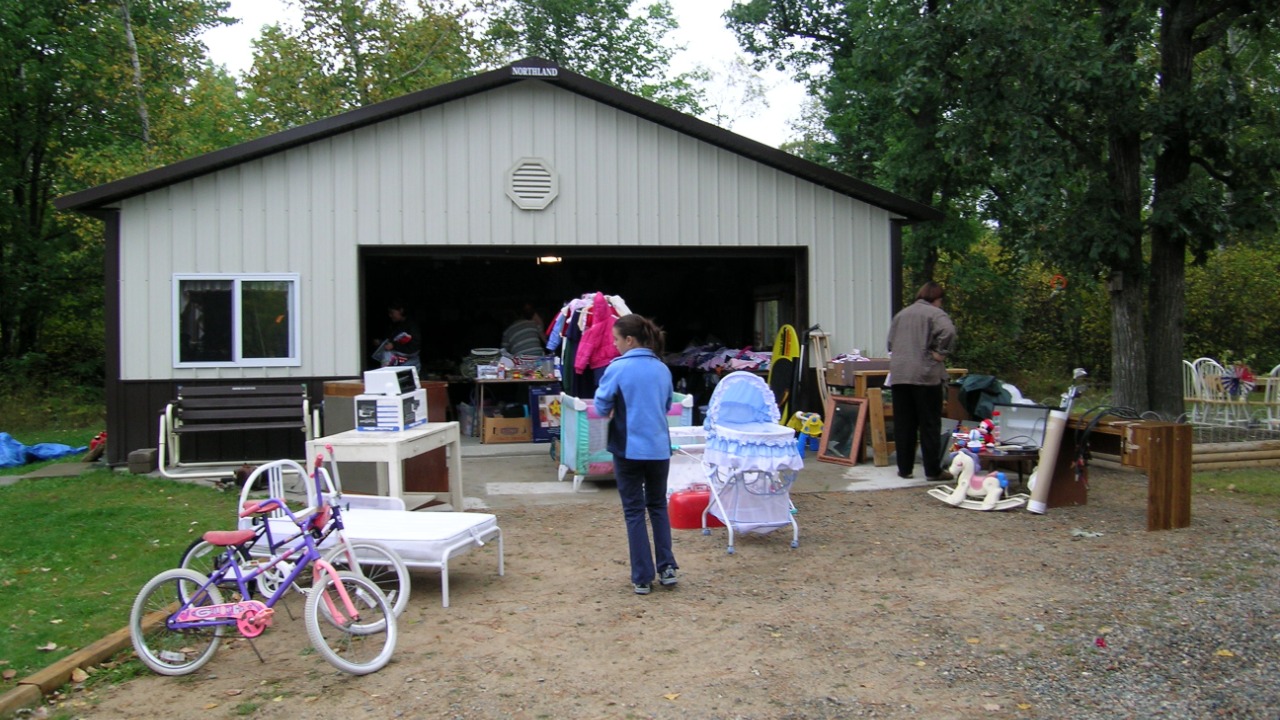
Estate auctions are treasure troves for those who know what to look for. Whether you’re a seasoned collector or a curious newcomer, these events offer a wide array of items that can enhance your home or collection. From timeless furniture pieces to unique historical memorabilia, estate auctions can provide both great deals and unexpected finds.
Vintage Furniture
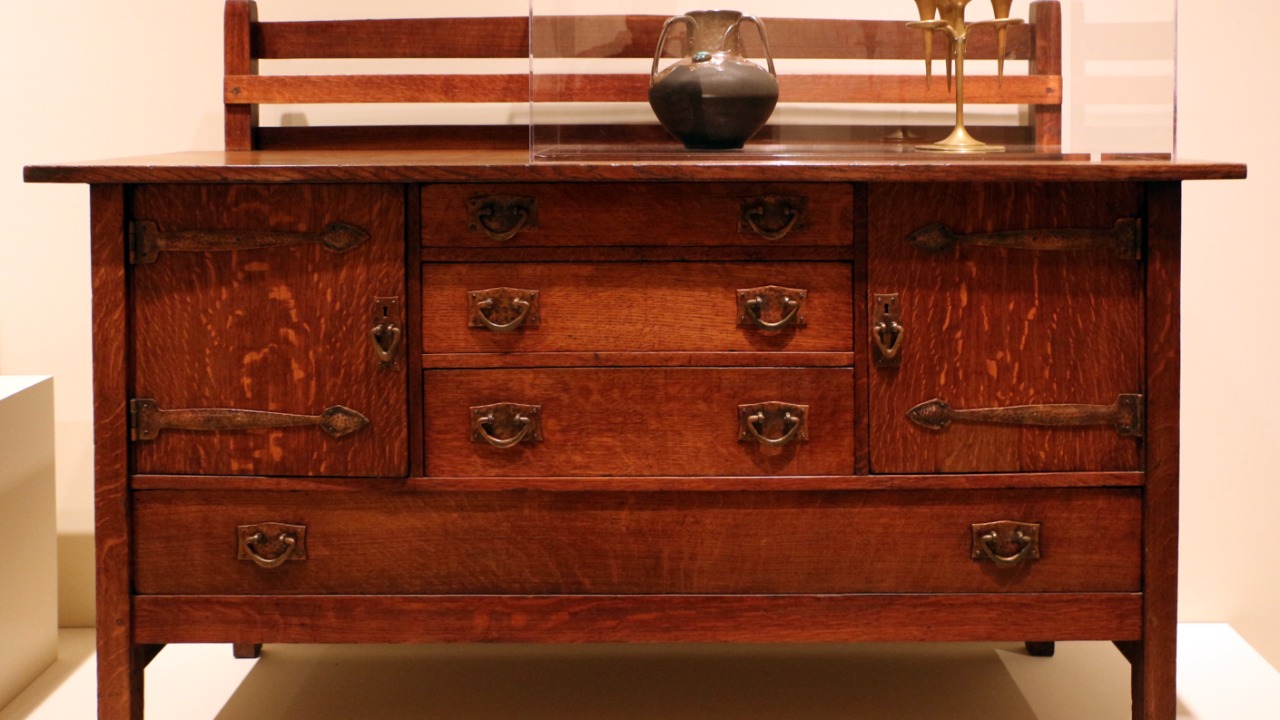
Vintage furniture is often a staple at estate auctions. These pieces are not only rich in history but also crafted with a level of quality that is hard to find in modern furniture. Look for well-known brands like Stickley, known for their mission-style furniture, or Baker Furniture, which offers timeless designs. With a bit of research, you can find pieces that fit your style and budget.
In addition to furniture brands, pay attention to the condition and craftsmanship of the items. Solid wood pieces with dovetail joints are often indicative of high-quality furniture. Also, consider the potential for restoration if an item is slightly worn; a minor investment in refurbishing can yield a stunning piece that lasts for generations.
Antique Jewelry
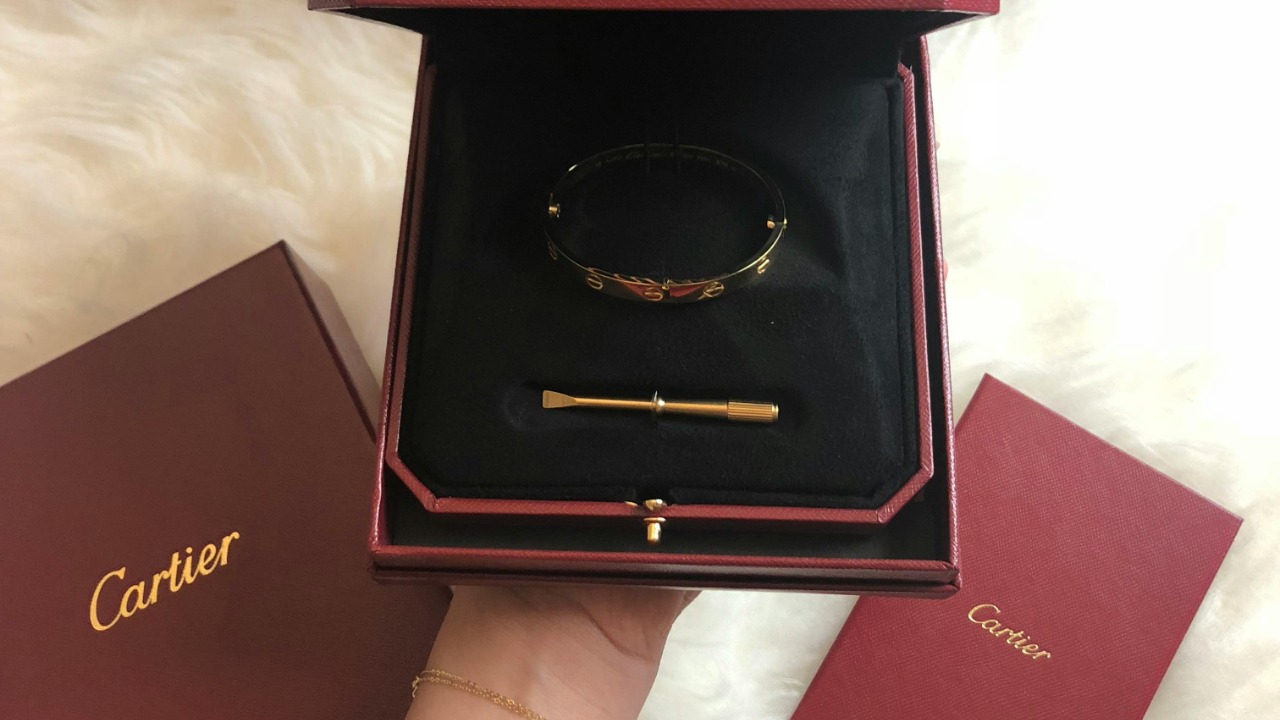
Antique jewelry is another category where estate auctions shine. From Victorian lockets to Art Deco brooches, these pieces often come with a story and a craft that are unparalleled. When browsing through jewelry, examine the hallmark stamps to verify authenticity and material. Estate auctions are perfect for finding unique engagement rings or statement pieces that stand out.
Be on the lookout for well-known designers like Tiffany & Co. or Cartier. Their pieces often hold or increase their value over time. If you’re new to jewelry collecting, consider bringing a magnifying glass to inspect stones and settings closely.
Rare Books

For bibliophiles, estate auctions can be a source of rare and valuable books. First editions, signed copies, and out-of-print volumes often make their way into these sales. Titles by authors like Ernest Hemingway or Jane Austen can be particularly valuable. Make sure to inspect books for condition issues such as torn pages or damaged spines, as these factors can significantly affect value.
Consider using online databases to verify the rarity and value of a book before bidding. Resources like SAGE Journals can provide insights into the historical significance of certain volumes, helping you make informed decisions.
Fine Art Paintings
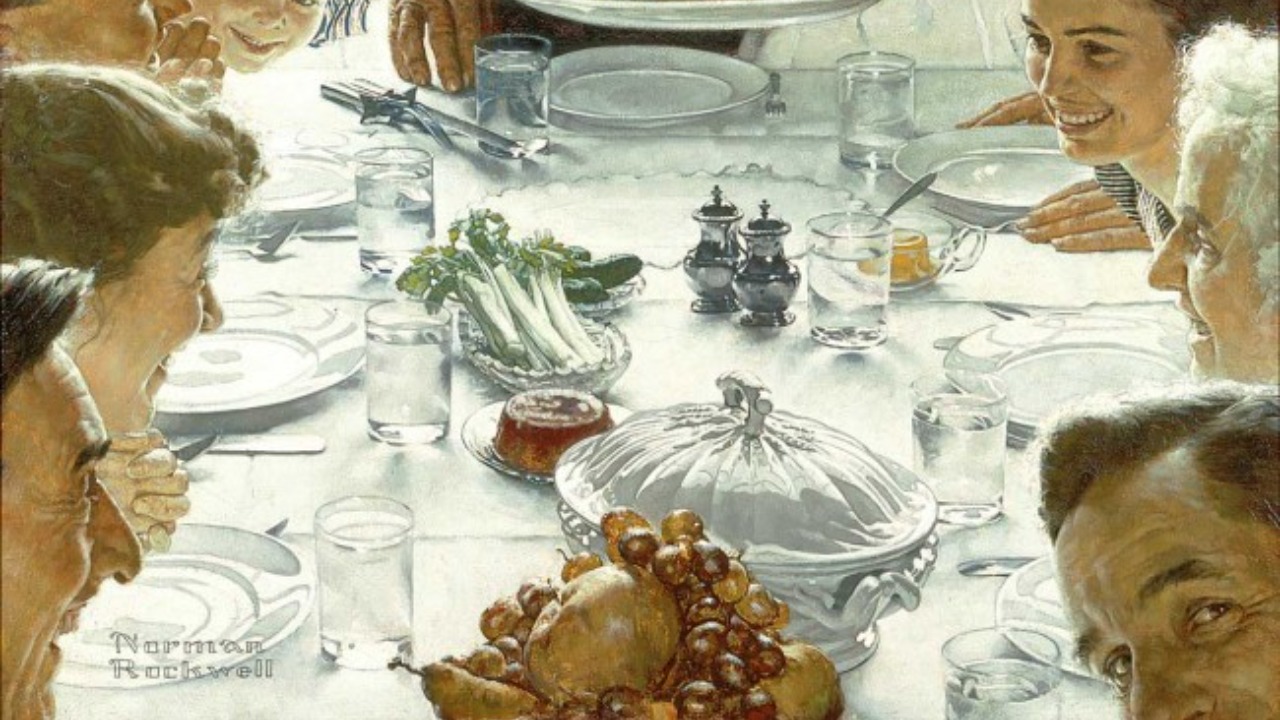
Paintings are often one of the most coveted items at estate auctions. Whether you’re looking for works by well-known artists or discovering unknown talents, the art world offers endless possibilities. Original paintings by artists like Norman Rockwell or Georgia O’Keeffe can be valuable finds. However, even unsigned works can bring beauty and character to your home.
Before bidding, consider the provenance of the piece and have a clear understanding of its market value. Research tools like Wiley Online Library can be invaluable in determining the authenticity and worth of a piece.
Collectible Coins
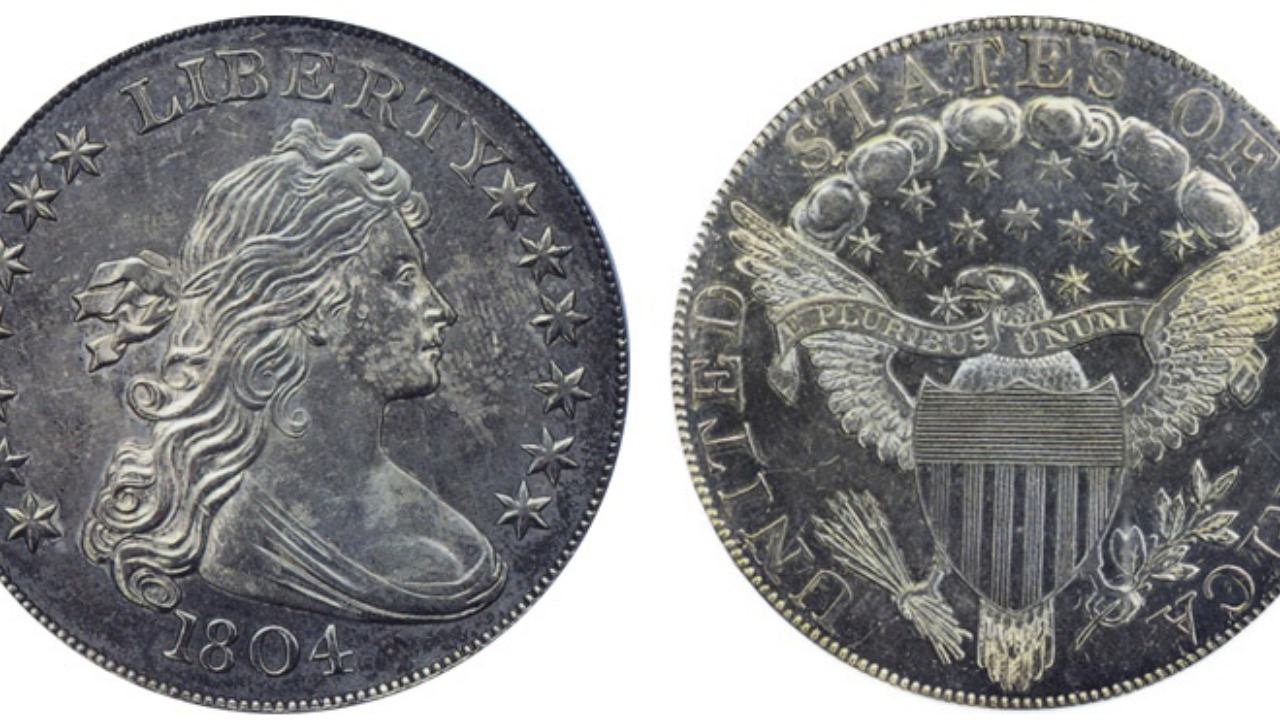
Coin collecting is a hobby that can be both rewarding and financially beneficial. Estate auctions are a great place to find rare coins that might not be available elsewhere. Look for coins with historical significance or those that are part of a limited minting. Coins from the Roman Empire or rare American coins like the 1804 Silver Dollar can be highly sought after.
Ensure you have a basic understanding of grading and valuation before bidding. Many reputable auction houses offer detailed descriptions and grading information in their listings, but it’s always wise to do your own research or consult experts when possible.
China and Porcelain Sets
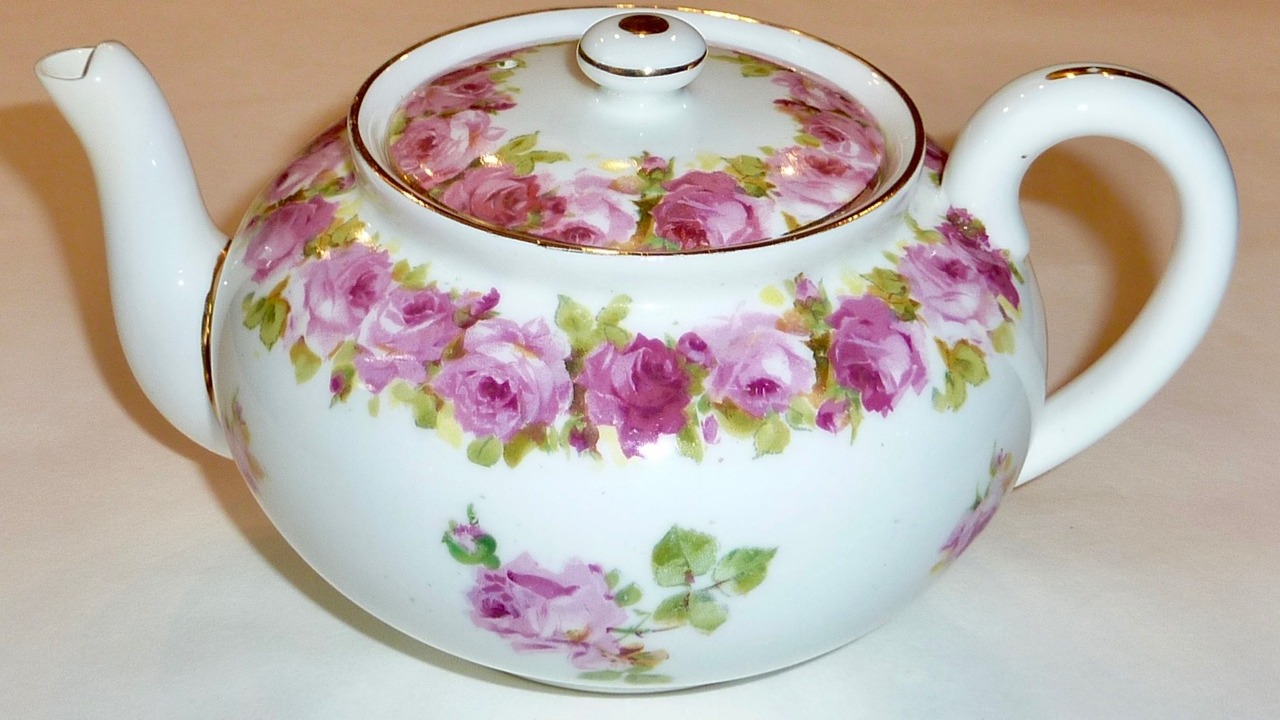
China and porcelain sets are frequent finds at estate auctions, often coming from well-known brands like Wedgwood or Royal Doulton. These sets can range from ornate dinnerware to delicate tea sets, each adding a touch of elegance to any occasion. When evaluating these items, check for any chips or cracks, as these can significantly affect their value.
Complete sets or rare patterns can be particularly valuable, so take the time to research before attending an auction. Websites like Building Bluebird offer tips on identifying valuable china patterns, ensuring you’re well-prepared to make a smart purchase.
Rugs and Tapestries

Rugs and tapestries can bring warmth and character to a home, and estate auctions often offer a wide selection. Look for Persian or Oriental rugs, known for their intricate designs and quality craftsmanship. Tapestries from the 18th or 19th century can also be attractive additions to your space.
Condition is key when considering these items. Check for signs of wear or fading, and if possible, unroll rugs completely to examine them. Rugs with a known provenance or those that have been well-cared for can hold significant value.
Vintage Clothing
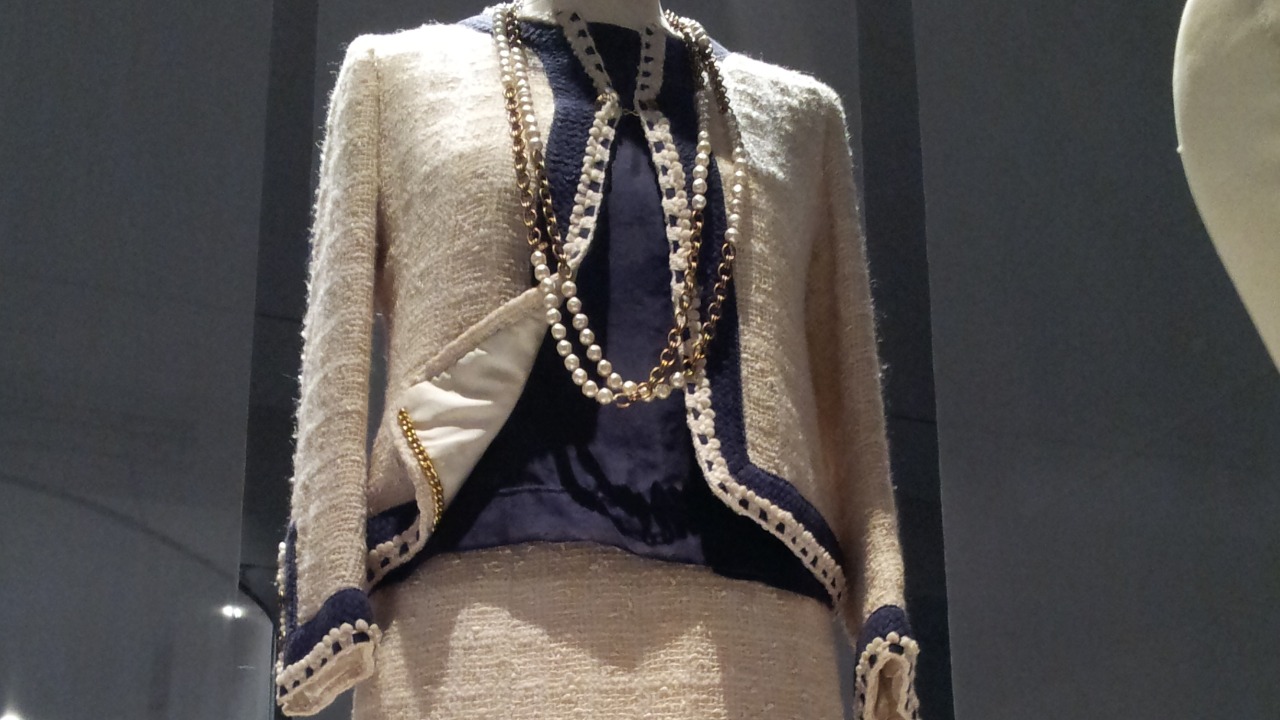
For fashion enthusiasts, estate auctions can be a goldmine of vintage clothing. From classic Chanel suits to retro 1950s dresses, these events offer unique pieces that stand out from current fashion trends. Vintage clothing not only provides a unique look but can also be a sustainable choice.When inspecting clothing, check for labels that indicate authenticity and quality. Condition is crucial, so examine items for moth holes, stains, or alterations. With proper care, vintage clothing can be both a fashion statement and a valuable addition to your wardrobe.
Musical Instruments
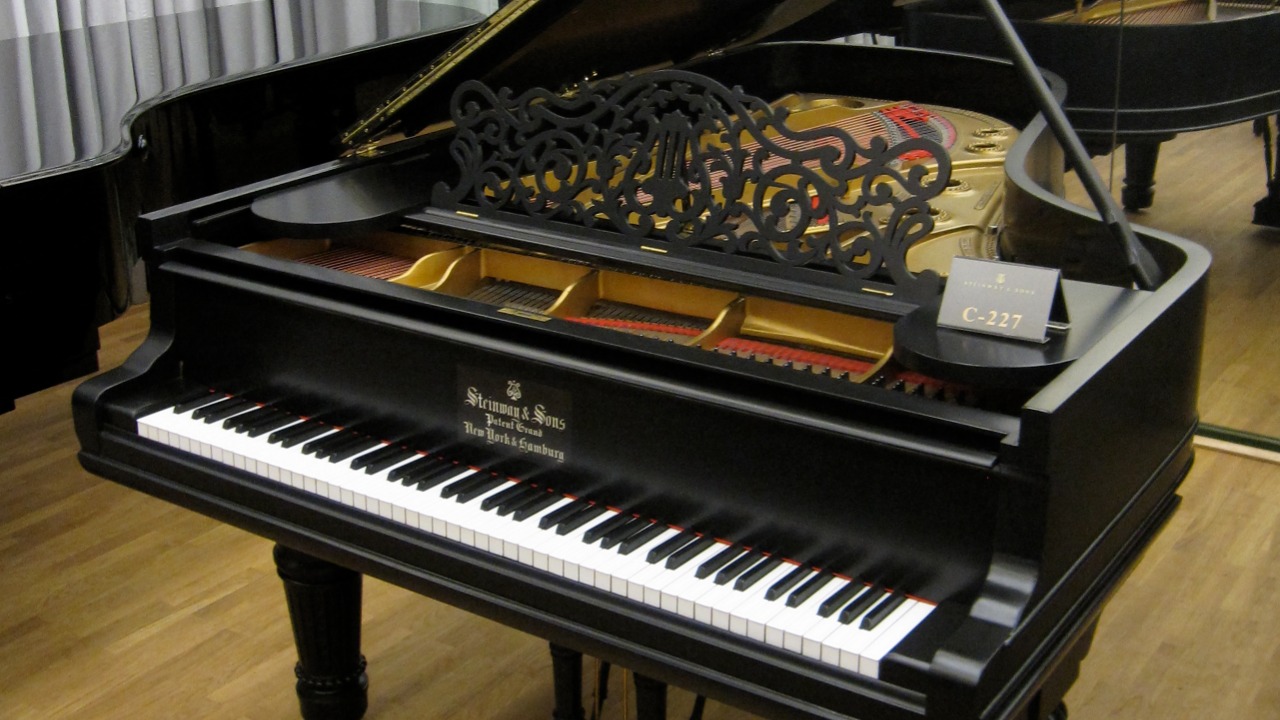
Musical instruments at estate auctions can range from vintage guitars to classic pianos. Brands like Gibson or Steinway are often sought after for their exceptional sound and craftsmanship. Whether you’re a musician or a collector, these instruments can offer both beauty and functionality.
Before purchasing, assess the condition and any necessary repairs. Instruments that have been well-maintained can provide years of enjoyment, while those in need of restoration might require an additional investment. Consider reaching out to professional appraisers or musicians for advice on specific pieces.
Unique Lighting Fixtures
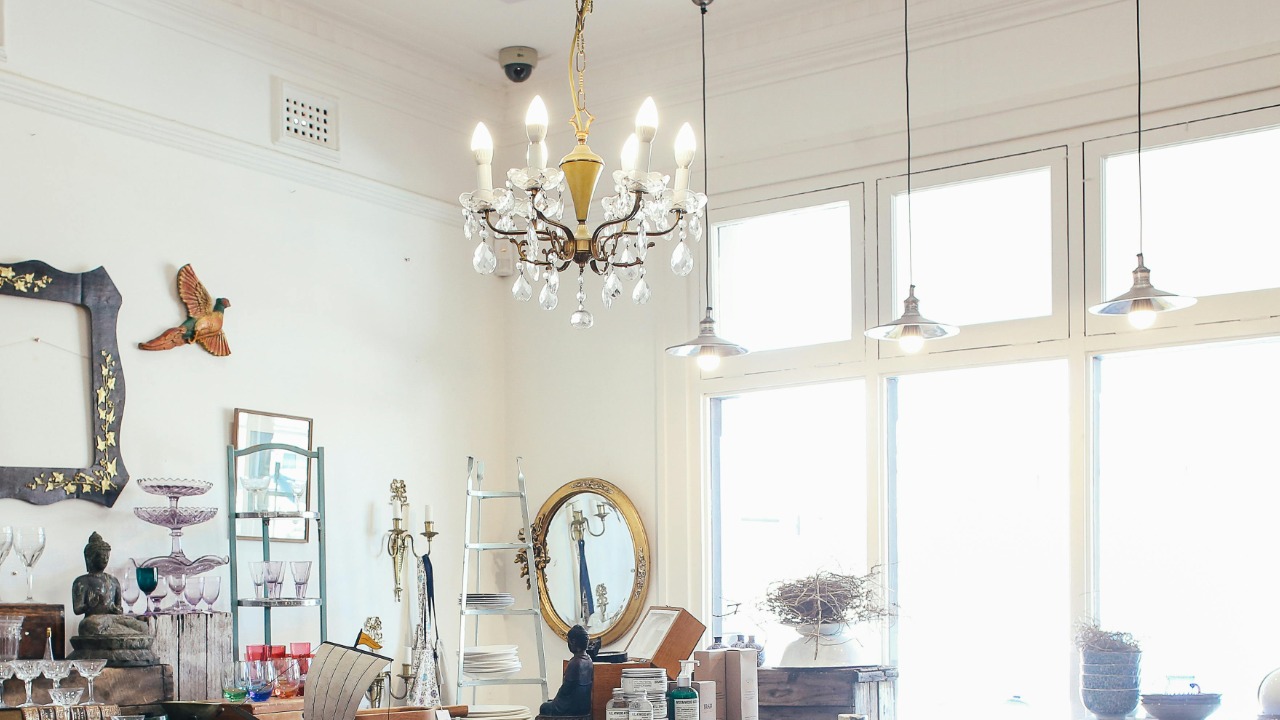
Lighting fixtures can dramatically alter the ambiance of a space, and estate auctions are excellent places to find unique and antique options. From elegant chandeliers to industrial-style lamps, these pieces often blend form and function beautifully. Look for fixtures made from high-quality materials like brass or hand-blown glass.
Ensure that wiring and other electrical components are in good condition or can be easily replaced. Unique lighting fixtures not only serve a practical purpose but can also become conversation starters in your home.
Historical Memorabilia

Historical memorabilia can provide a tangible connection to the past. Estate auctions frequently feature items such as letters, autographs, or artifacts from significant historical events. These pieces are not only fascinating but can also be valuable to collectors and historians.
When considering memorabilia, verify its authenticity through provenance and documentation. Resources like AARP offer guidelines on identifying and valuing historical items. A well-chosen piece of memorabilia can provide a unique glimpse into history while also serving as a conversation piece.

Elias Broderick specializes in residential and commercial real estate, with a focus on market cycles, property fundamentals, and investment strategy. His writing translates complex housing and development trends into clear insights for both new and experienced investors. At The Daily Overview, Elias explores how real estate fits into long-term wealth planning.

