
Negotiating a rent reduction can be a daunting task, but with the right approach, it’s possible to make a compelling case to your landlord. Whether you’re dealing with financial constraints or simply want to ensure your rent aligns with the current market, using the right phrases can make all the difference. Here are eight effective strategies to help you secure a rent reduction.
1. Demonstrating Loyalty with Tenure

One of the most persuasive arguments for a rent reduction is your history as a long-term tenant. If you’ve been renting the same property for several years, emphasize your loyalty and the stability you bring to the landlord. Mention how your consistent tenancy has saved them the hassle and cost of finding new tenants. For example, you might say, “I’ve been living here for five years and have always paid my rent on time, which shows my commitment to this property.”
Landlords value reliable tenants, and highlighting your tenure can remind them of the benefits of keeping you around. This approach not only underscores your reliability but also subtly suggests that a rent reduction could be a fair reward for your continued loyalty.
2. Highlighting Market Comparisons

Researching the local rental market can provide you with solid evidence to support your request for a rent reduction. If similar properties in your area are renting for less, bring this to your landlord’s attention. You might say, “I’ve noticed that similar apartments in our neighborhood are renting for $200 less per month.”
Providing concrete examples of lower rents in comparable properties can make a compelling case. This strategy shows that you are informed and that your request is based on market realities, not just personal preference.
3. Emphasizing Maintenance Concerns

If there are unresolved maintenance issues in your rental, these can be a powerful bargaining chip. Point out any ongoing problems that have not been addressed, such as a leaky roof or outdated appliances. You could say, “The heating system has been unreliable, and I believe a rent reduction would be fair until it’s fixed.”
By linking your request to maintenance concerns, you highlight the landlord’s responsibility to provide a habitable living environment. This approach can encourage them to either address the issues or offer a rent reduction as compensation.
4. Offering Long-term Commitment
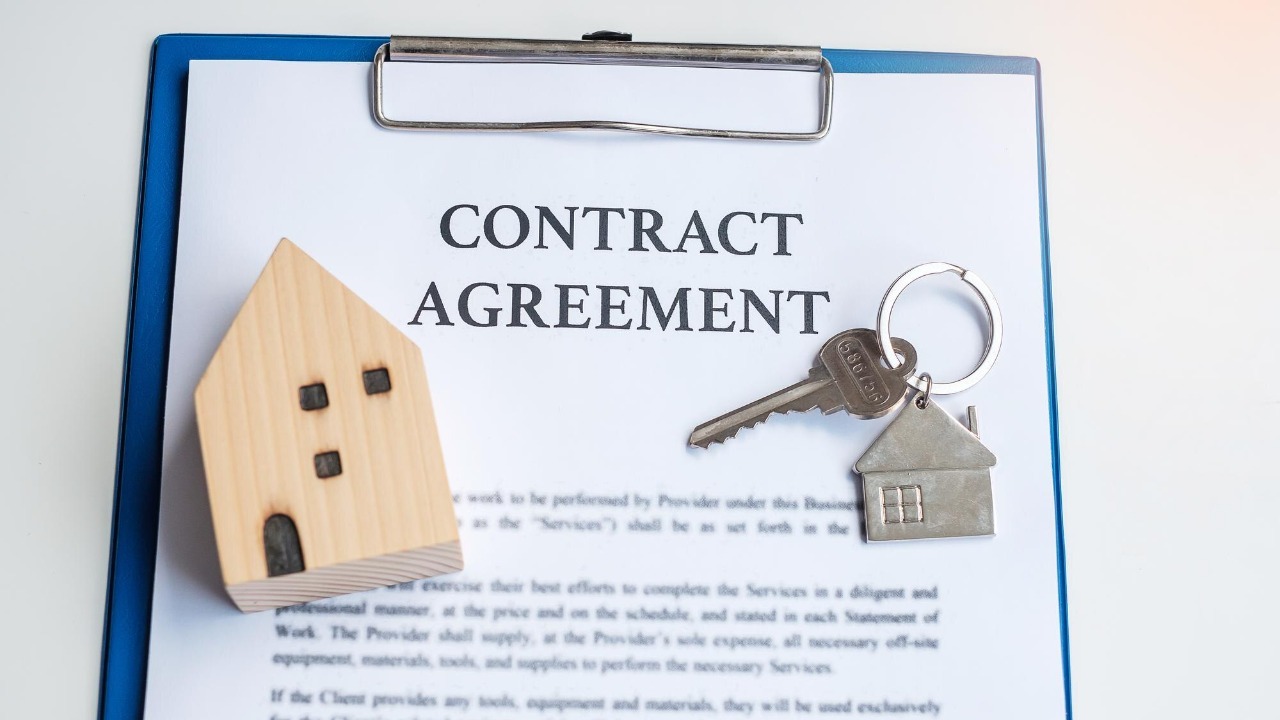
Landlords appreciate stability, and offering to sign a longer lease can be an effective way to negotiate a lower rent. You might propose, “I’m willing to sign a two-year lease if we can agree on a reduced rent.”
This strategy provides the landlord with the assurance of a steady income stream, which can be particularly appealing in uncertain rental markets. By committing to a longer lease, you demonstrate your intention to stay, which can make a rent reduction more palatable to the landlord.
5. Citing Financial Hardships

If you’re experiencing financial difficulties, it’s important to communicate this to your landlord. Be honest about your situation, saying something like, “Due to recent medical expenses, my financial situation has changed, and I’m hoping we can discuss a temporary rent reduction.”
While it can be uncomfortable to discuss personal financial matters, transparency can foster understanding and empathy. Many landlords are willing to work with tenants who are upfront about their challenges, especially if they have a history of being good tenants.
6. Referencing Neighboring Rates

Another effective strategy is to reference the rent rates of neighboring units within the same building or complex. If other tenants are paying less for similar units, mention this to your landlord. For instance, “I’ve learned that my neighbor is paying $150 less for a similar unit.”
This approach can be particularly effective in larger buildings where rent discrepancies might exist. By pointing out these differences, you provide a clear rationale for why your rent should be adjusted to align with others.
7. Proposing a Compromise

Sometimes, a direct reduction in rent might not be feasible for your landlord. In such cases, proposing a compromise can be beneficial. You might suggest, “If a rent reduction isn’t possible, could we discuss a temporary discount or a payment plan?”
Offering alternatives shows your willingness to work with the landlord and can lead to creative solutions that benefit both parties. This flexibility can make it easier for the landlord to agree to some form of concession.
8. Stressing Positive Tenant History

Your history as a responsible tenant can be a strong point in your favor. Highlight your record of on-time payments and respectful communication. You might say, “I’ve always paid my rent on time and have maintained the property well.”
By emphasizing your positive history, you remind the landlord of the advantages of having you as a tenant. This can make them more inclined to consider your request for a rent reduction, as they recognize the value you bring to their property.

Elias Broderick specializes in residential and commercial real estate, with a focus on market cycles, property fundamentals, and investment strategy. His writing translates complex housing and development trends into clear insights for both new and experienced investors. At The Daily Overview, Elias explores how real estate fits into long-term wealth planning.

