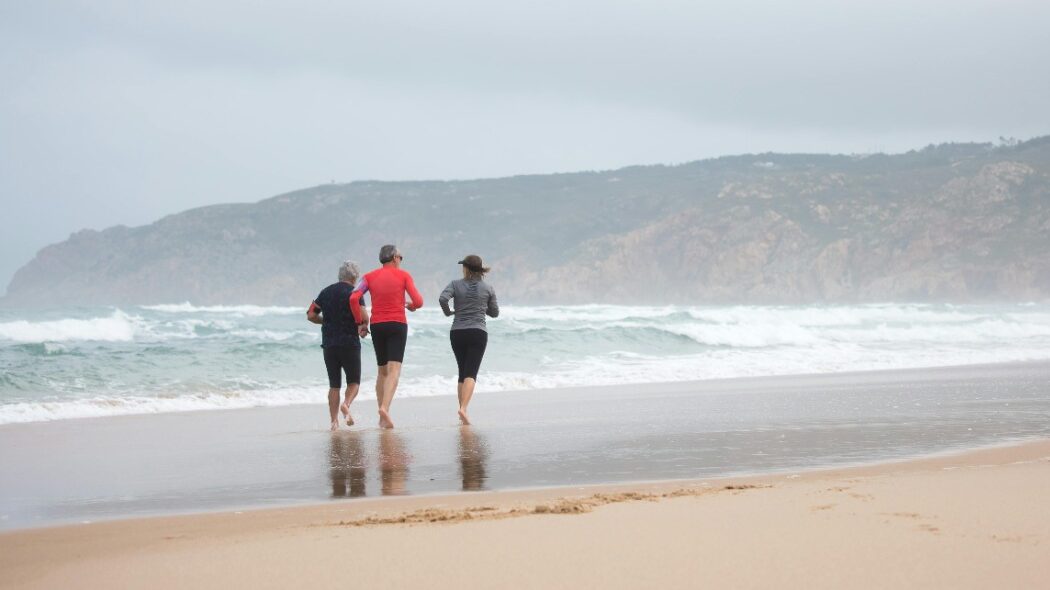
Portugal’s Silver Coast has quietly become one of Europe’s most compelling retirement choices, combining Atlantic scenery with practical advantages that matter on a fixed income. From a cost of living that undercuts major U.S. cities by as much as half to easy access to healthcare, culture, and international travel, it offers a lifestyle that is both relaxed and well connected. I look at eight specific reasons, grounded in current data, that make this stretch of shoreline a serious contender for anyone planning where to spend their later years.
1) Affordable Cost of Living
Affordable cost of living is the starting point for any retirement decision, and the Silver Coast stands out on this front. According to detailed estimates for the region, the overall cost of living runs about 40 to 50 percent lower than in major U.S. cities, with typical monthly expenses for a retired couple, including rent, in the range of €1,800 to €2,200. That figure covers housing, utilities, groceries, local transport, and day-to-day leisure, which means a pension or Social Security check stretches much further without constant belt-tightening. For context, global comparisons of retirement destinations note that in other coastal regions such as Puglia, $1,730 in monthly costs for a couple is already considered very competitive, so the Silver Coast’s euro figures sit firmly in the same budget-friendly bracket.
For retirees, the implications are concrete. A couple who might struggle to afford a one-bedroom apartment and healthcare premiums in cities like San Francisco or New York can often rent a comfortable apartment on the Silver Coast, dine out regularly, and still set aside money for travel. Lower recurring costs also reduce pressure to keep working part-time, giving more freedom to focus on language classes, volunteering, or simply enjoying the oceanfront promenades. The fact that these savings come without sacrificing European infrastructure or access to services is what turns the Silver Coast from a pleasant idea into a financially realistic plan.
2) Unparalleled Safety and Security
Unparalleled safety and security are central reasons many retirees look to Portugal, and the Silver Coast benefits directly from that national profile. Portugal ranks 7th globally in the 2023 Global Peace Index, a position that reflects low levels of violent crime, political stability, and a generally calm social climate. Within this context, the Silver Coast is known for particularly low crime rates, with coastal towns and mid-sized cities reporting relatively few incidents compared with urban centers elsewhere in Europe or North America. For older residents, that translates into being able to walk home from dinner, use public transport, or explore local markets with a level of ease that is not guaranteed in many other countries.
The stakes of that safety record go beyond personal comfort. A secure environment reduces stress, which is closely tied to long-term health outcomes, and it also reassures family members who may be watching from abroad. When adult children know their parents are living in a country that consistently scores near the top of global peace rankings, they are more likely to support the move and visit often. Low crime also supports property values and encourages small businesses, from cafés to medical clinics, to invest in the area, reinforcing a virtuous cycle that benefits retirees and locals alike.
3) Stunning Beaches and Natural Beauty
Stunning beaches and natural beauty define the Silver Coast’s daily backdrop, and they are not just a marketing slogan. Official tourism data highlights more than 150 km of coastline here, with long stretches of sand and sheltered bays such as Nazaré and São Martinho do Porto. Many of these areas are protected as part of Portugal’s coastal natural parks, which helps preserve dunes, cliffs, and marine ecosystems from overdevelopment. For retirees, that protection means the sea views and walking paths they enjoy today are more likely to remain unspoiled over the long term, an important consideration when choosing a place to settle for decades.
The practical impact of this landscape is a lifestyle that naturally encourages movement and time outdoors. Gentle promenades around São Martinho do Porto’s shell-shaped bay, birdwatching in protected wetlands, or simply sitting on a bench above Nazaré’s dramatic surf all become part of a weekly routine that supports both physical and mental health. Compared with inland retirement options, the Silver Coast’s combination of accessible beaches and safeguarded natural areas offers a rare balance of scenic variety and environmental stability, which can be especially appealing to retirees who want their surroundings to feel both beautiful and enduring.
4) Mild and Pleasant Climate Year-Round
Mild and pleasant climate year-round is another decisive factor that sets the Silver Coast apart. Historical weather data for the Leiria district, which covers a large portion of this shoreline, shows average winter highs between 15 and 18°C (59 to 64°F) and summer highs in the 25 to 28°C (77 to 82°F) range, with relatively modest rainfall. These numbers describe a classic Mediterranean pattern, tempered by the Atlantic, that avoids the harsh freezes of northern Europe and the intense heat waves that have become more common in southern regions. For retirees, that means fewer days confined indoors and less need for energy-intensive heating or air conditioning.
From a lifestyle perspective, such stable temperatures make it easier to maintain healthy routines. Morning walks, year-round gardening on a balcony, or regular swims in sheltered bays are all realistic options rather than seasonal luxuries. The climate also supports outdoor markets, festivals, and café culture throughout much of the year, which helps newcomers integrate into local life. For those comparing destinations, the Silver Coast’s weather profile offers a middle ground between the cooler Atlantic north and the hotter Algarve, appealing to retirees who want sunshine and fresh air without climatic extremes that can aggravate health conditions.
5) Superior Healthcare Access
Superior healthcare access is a core pillar of the Silver Coast’s retirement appeal. Portugal’s universal healthcare system is ranked 13th worldwide by the World Health Organization, a position that reflects both coverage and quality of care. Residents on the Silver Coast can tap into this network through regional facilities, including major hospitals such as Hospital de Leiria, which provide specialist consultations, emergency services, and routine procedures. For foreign retirees who qualify, the non-Habitual Resident (NHR) tax regime offers a framework that can make it easier to manage cross-border income while accessing local medical care, an important consideration for those drawing pensions from abroad.
The combination of a strong public system and the NHR framework has practical consequences for retirement planning. Instead of budgeting for high private insurance premiums, many retirees can rely on the national service for most needs and supplement it with targeted private coverage if they choose. That reduces financial uncertainty around aging-related care, from cardiology appointments to physical therapy. It also means that choosing the Silver Coast does not require sacrificing medical standards, since the same national benchmarks that apply in Lisbon or Porto extend to hospitals and clinics along this stretch of coast, giving retirees confidence that their long-term health needs can be met locally.
6) Thriving Expat Communities
Thriving expat communities help smooth the transition to life on the Silver Coast, especially for retirees arriving from English-speaking countries. Towns such as Caldas da Rainha and Ericeira have become focal points for international residents, with surveys indicating that more than 10,000 British and American retirees now call Portugal home. Social networks originally centered in southern regions, including groups like the Algarve Expats Club, have extended their reach to the Silver Coast, organizing meetups, language exchanges, and practical support for newcomers navigating bureaucracy or housing searches. For someone arriving alone or as a couple, that existing fabric of connections can significantly reduce the isolation that sometimes accompanies an international move.
The presence of established expat circles also has broader implications for services and local culture. English-speaking doctors, accountants familiar with foreign pension systems, and shops that stock international products are more likely to appear where there is a critical mass of foreign residents. At the same time, many retirees use these networks as a bridge into Portuguese society rather than a substitute for it, joining local walking clubs or volunteering at community events. The result is a social environment in which it is possible to find support in one’s native language while still building genuine ties with neighbors, a balance that can be crucial for long-term satisfaction in retirement.
7) Rich Cultural and Historical Offerings
Rich cultural and historical offerings give the Silver Coast a depth that goes far beyond its beaches. One of the most striking examples is Óbidos Castle, a medieval fortress built in the 12th century that still dominates the whitewashed town below. The broader region is dotted with historic churches, monasteries, and traditional fishing quarters, and weekly markets in places like Nazaré keep older patterns of trade and social life alive. These layers of history align with national inventories of heritage that highlight how Portugal’s castles, historic cities, and cultural landscapes form a continuous thread from ancient times to the present.
For retirees, this heritage is not just something to admire on occasional sightseeing trips, it shapes everyday routines. Shopping at a Nazaré market where fishmongers still call out the day’s catch, attending a concert in a centuries-old church, or strolling the ramparts of Óbidos on a quiet weekday morning all become part of normal life. Broader overviews of UNESCO sites in Portugal underline how these experiences fit into a national pattern of preserved architecture and living traditions. The stakes are cultural as well as personal, since retirees who settle here help sustain local festivals, artisan workshops, and small museums through their participation and spending, reinforcing the very character that drew them in the first place.
8) Seamless Connectivity and Accessibility
Seamless connectivity and accessibility round out the Silver Coast’s strengths, making it practical for retirees who expect regular visits from family or plan to travel frequently. By road, much of the region sits about an hour’s drive from Lisbon Airport, a major international hub with flights across Europe and to North America. The A8 motorway links coastal towns to the capital and to inland junctions, reducing travel times for medical appointments, shopping trips, or cultural outings. Rail connections complement this network, with high-speed trains reaching Porto in roughly 2.5 hours, which opens up the entire country for weekend breaks without the need to own a car.
These transport links have direct implications for how retirement unfolds. Grandchildren can fly into Lisbon and be on the coast in time for lunch, while retirees can schedule city-based specialist appointments or embassy visits without turning them into overnight expeditions. The same infrastructure that supports tourism also underpins services such as parcel delivery, streaming connectivity, and access to imported goods. For those comparing destinations, it is also worth noting that the Silver Coast’s accessibility exists alongside a quieter pace of life, something that is not always true of more remote coastal areas. Practical guides to living on the Silver Coast of Portugal often highlight this balance between calm neighborhoods and straightforward travel, which can be decisive for retirees who want both tranquility and easy movement.
More From TheDailyOverview
- Tennessee loses $2.6B megafactory and faces major layoffs
- Retired But Want To Work? Try These 18 Jobs for Seniors That Pay Weekly
- What to do with your pennies after the U.S. stops minting them
- Home Depot CEO warns of a troubling customer trend in stores

Nathaniel Cross focuses on retirement planning, employer benefits, and long-term income security. His writing covers pensions, social programs, investment vehicles, and strategies designed to protect financial independence later in life. At The Daily Overview, Nathaniel provides practical insight to help readers plan with confidence and foresight.