Old homes offer charm and character that newer builds often lack, but they can also harbor hidden dangers that may lead to costly repairs. When considering purchasing or renovating an older property, it’s crucial to be aware of these potential hazards that could end up draining your wallet. Here’s a look at eight silent killers that could be lurking in your old home.
Asbestos Insulation
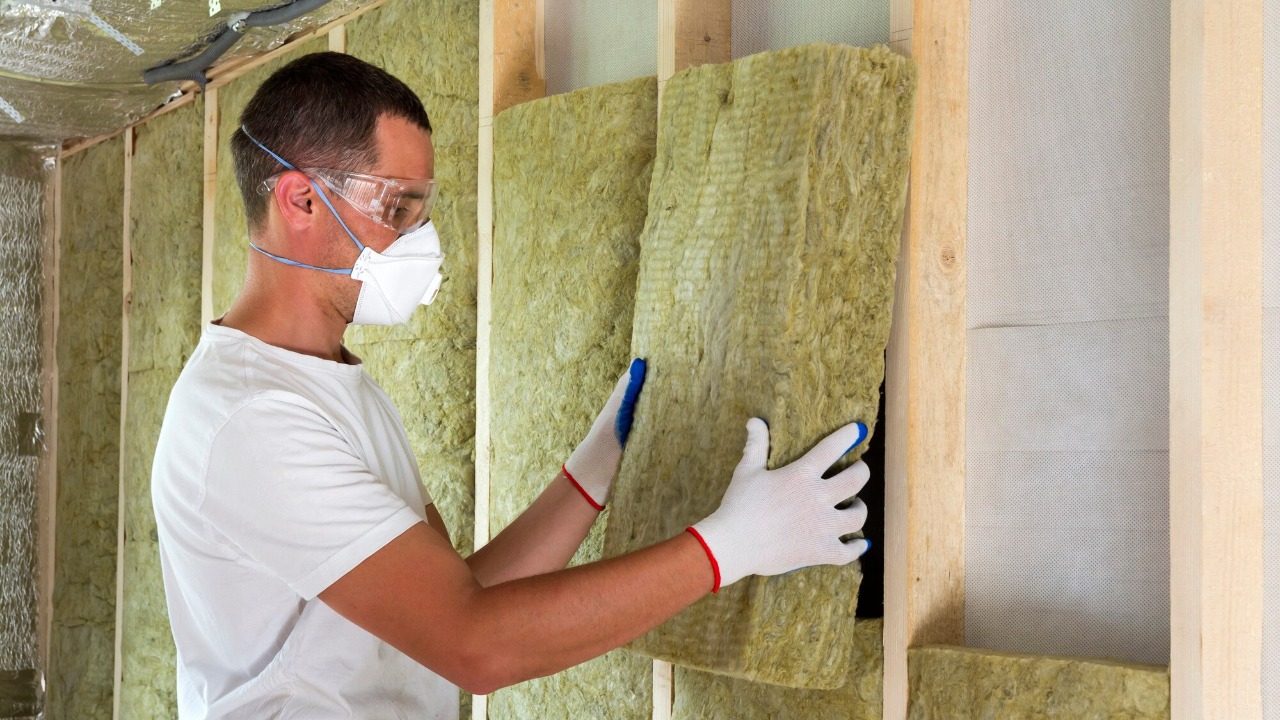
Asbestos was a popular insulation material in homes built before the 1980s due to its fire-resistant properties. However, it has since been identified as a significant health hazard. When asbestos fibers become airborne, they can be inhaled, leading to serious conditions such as mesothelioma and lung cancer. If you suspect your home contains asbestos, it’s essential to hire a professional for testing and removal.
In older homes, asbestos can often be found in attic insulation, floor tiles, and heating systems. Removing asbestos is not a DIY project; improper handling can exacerbate the issue. For more insights, you might want to check this book on silent killers that discusses asbestos and other hidden dangers in detail.
Lead-Based Paint
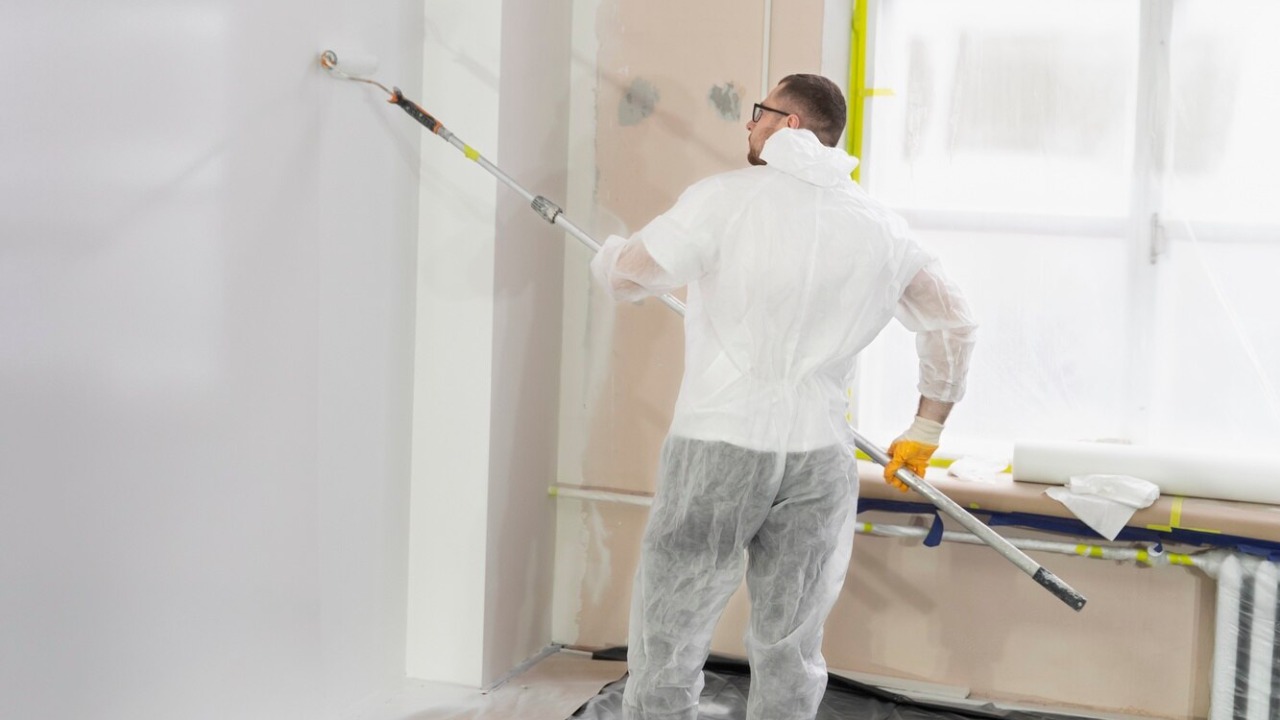
Lead-based paint is another common hazard in homes built before 1978. Lead exposure can cause severe health problems, especially in children, including developmental delays and neurological damage. The only way to confirm the presence of lead is through professional testing.
Addressing lead-based paint typically involves either sealing it with special coatings or removing it entirely, both of which can be expensive. It’s crucial to consult with specialists who can safely manage the process to avoid exacerbating the risk of lead exposure.
Outdated Electrical Wiring
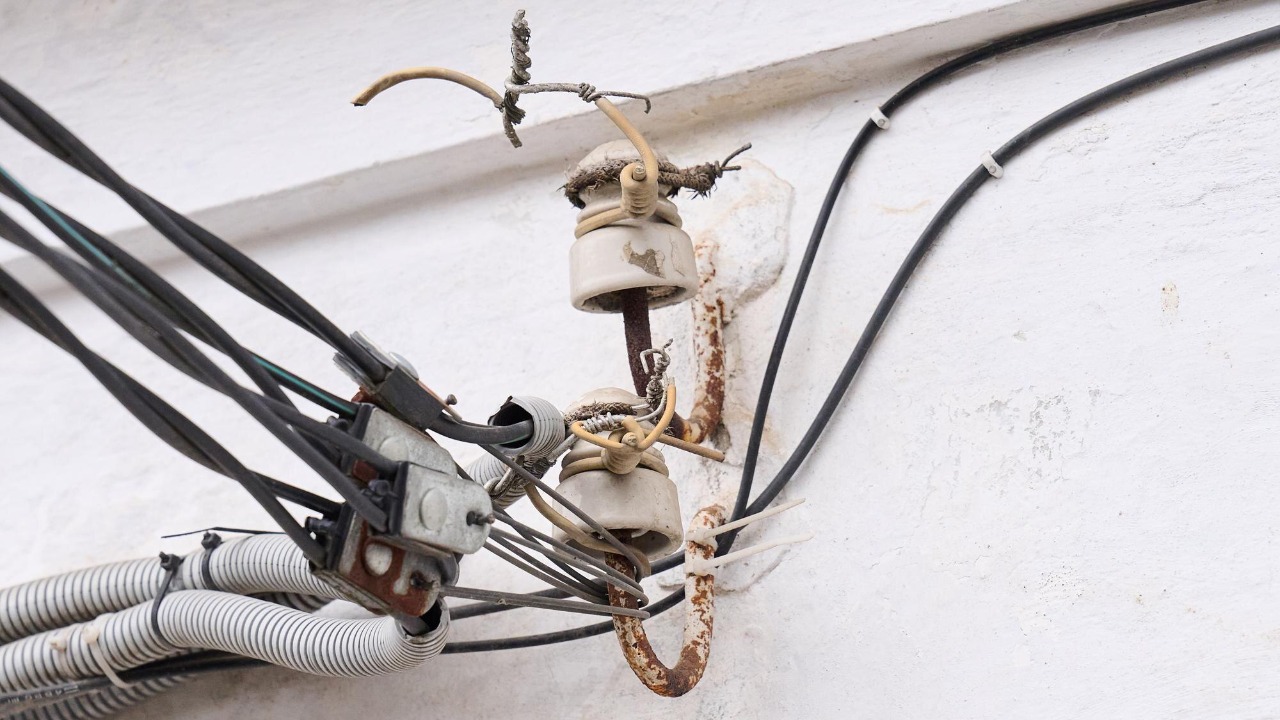
Homes constructed several decades ago may have outdated electrical wiring that can’t handle modern power demands. Systems such as knob-and-tube wiring or aluminum wiring can pose significant fire hazards and may not be up to current safety codes.
Updating electrical systems is often a necessary investment when purchasing an older home. An inspection by a licensed electrician can identify potential issues and recommend upgrades, such as installing circuit breakers and replacing old wiring. For more detailed information on home hazards, this book provides extensive insight.
Hidden Water Damage
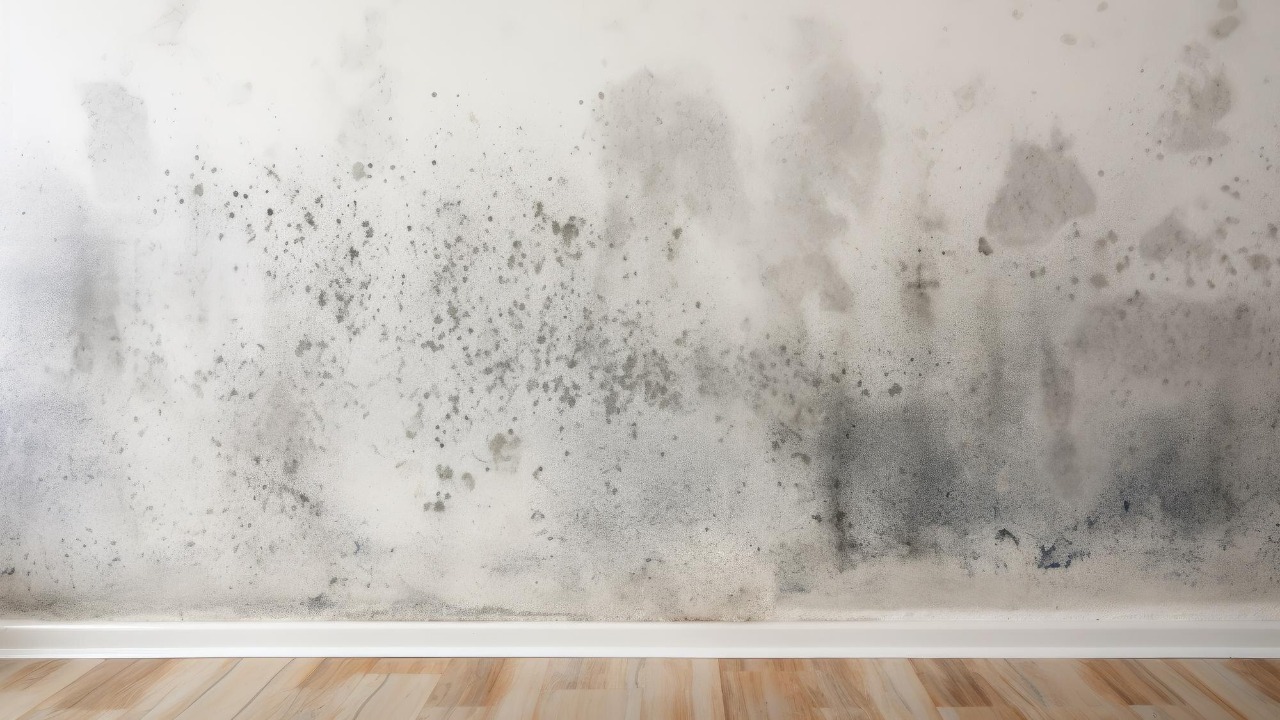
Water damage can be insidious, often hidden behind walls or under floors. It can result in structural problems, mold growth, and even compromise your home’s foundation if not addressed promptly. Signs of water damage include stains, peeling paint, or a musty smell.
Regular inspections and prompt repairs are essential to prevent minor issues from escalating into costly repairs. If you’re buying an old home, consider investing in a thorough inspection to uncover any hidden water damage before closing the deal.
Termite Infestations
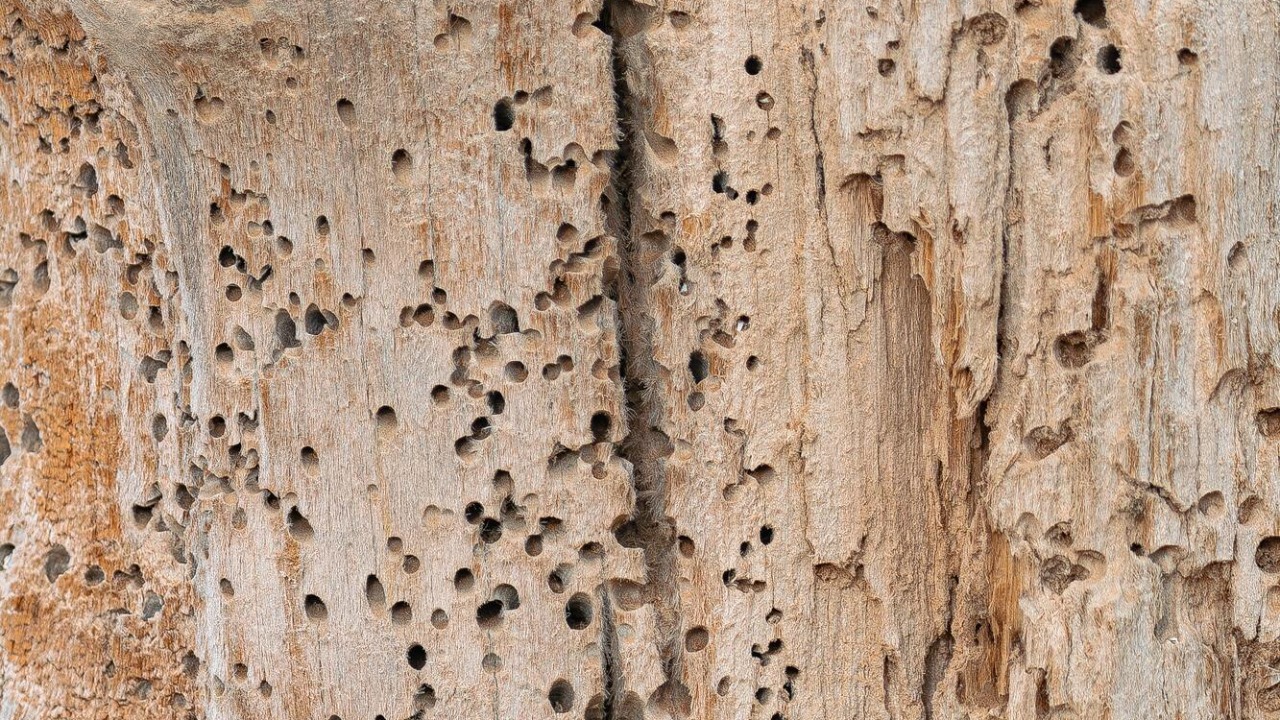
Termites can cause extensive damage to the wooden structures in a home, sometimes going unnoticed until significant harm has been done. Swarms of winged insects or hollow-sounding wood are common signs of an infestation.
Preventive measures include regular inspections by a pest control professional and addressing any moisture issues that might attract termites. If an infestation is detected, prompt treatment is crucial to prevent further damage. For a broader understanding of hidden dangers, you might explore this comprehensive guide.
Mold and Mildew
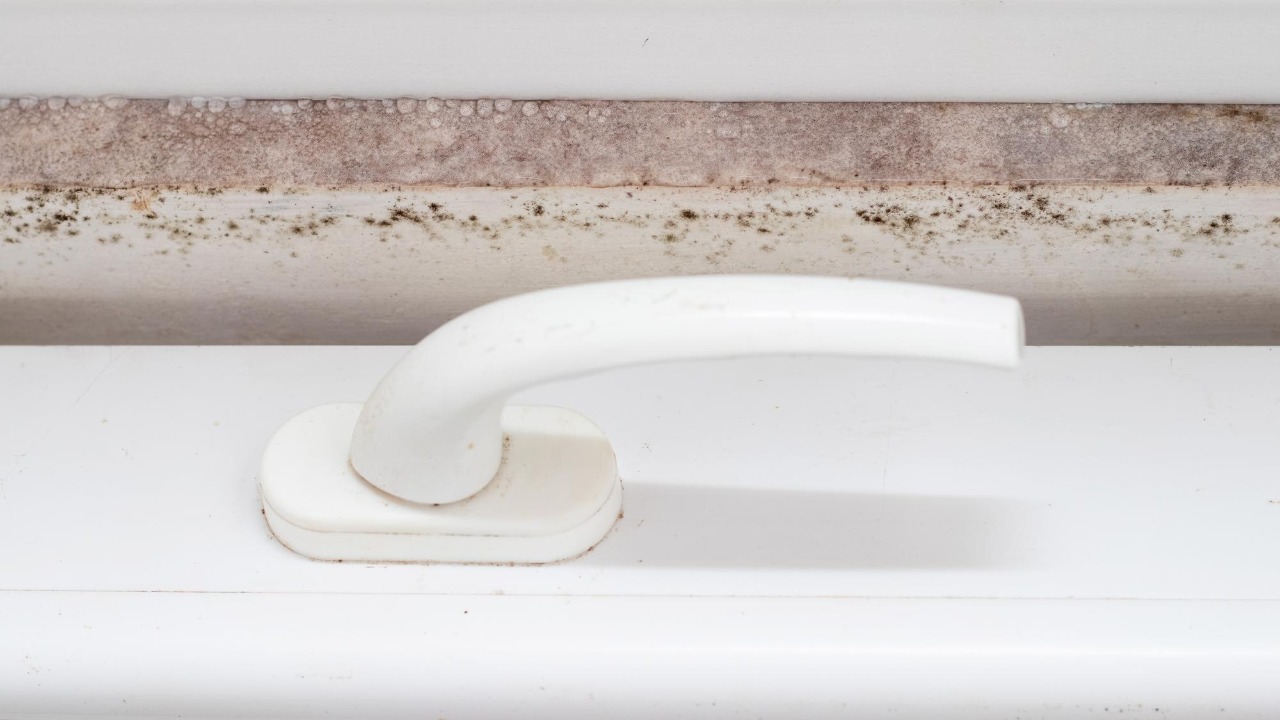
Mold and mildew thrive in damp, dark environments and can cause a range of health issues, from respiratory problems to allergic reactions. These fungi often flourish in basements, bathrooms, and around leaky pipes.
Addressing mold involves identifying and eliminating the moisture source, followed by thorough cleaning and potentially removing affected materials. To prevent mold growth, maintain proper ventilation and consider using dehumidifiers in moisture-prone areas.
Foundation Cracks
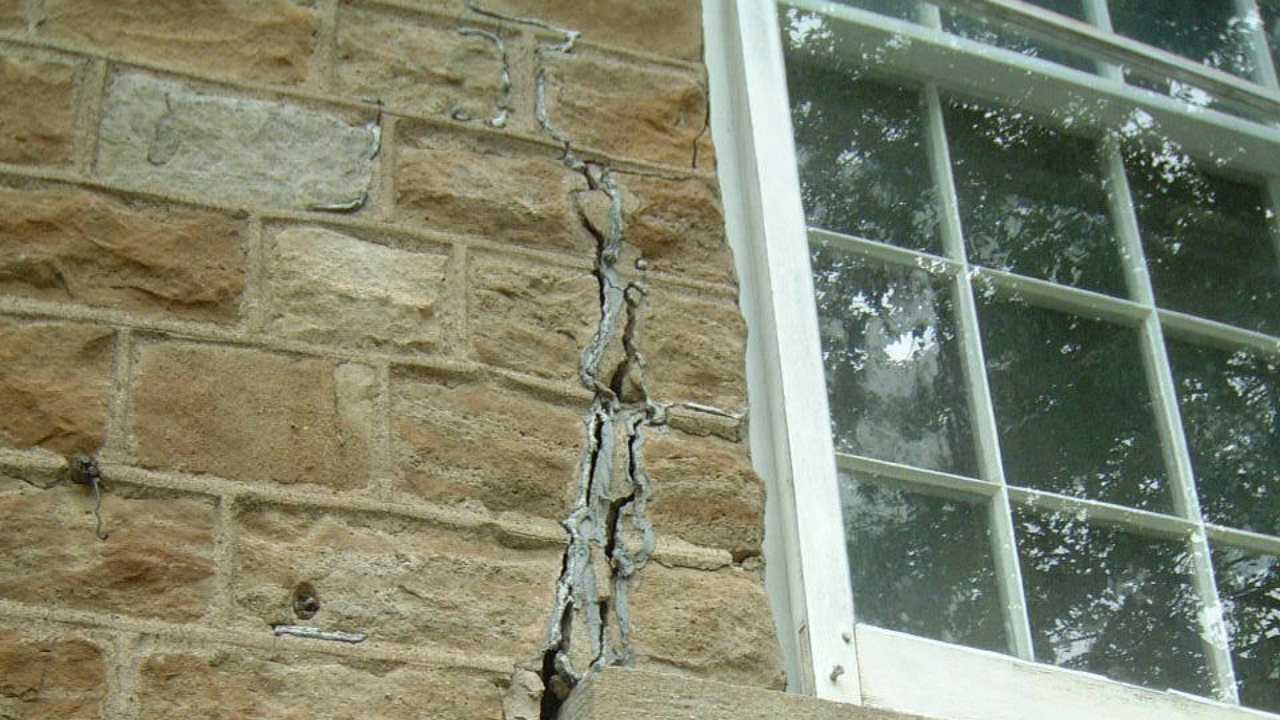
Foundation issues can be a homeowner’s worst nightmare, leading to structural instability and costly repairs. Cracks in walls, uneven floors, and doors or windows that stick can all be signs of foundation trouble.
It’s crucial to address foundation problems early on. A structural engineer can assess the damage and recommend appropriate solutions, which might include installing piers or underpinning to stabilize the foundation.
Radon Gas Accumulation

Radon is a colorless, odorless gas that can seep into homes through cracks in the foundation. It’s the second leading cause of lung cancer after smoking, making it a silent but serious health risk.
Testing for radon is relatively simple and inexpensive, and mitigation systems can effectively reduce radon levels if necessary. It’s wise to include radon testing when purchasing an older home to ensure a safe living environment. For additional reading, you can explore this resource that touches on various unseen dangers.

Elias Broderick specializes in residential and commercial real estate, with a focus on market cycles, property fundamentals, and investment strategy. His writing translates complex housing and development trends into clear insights for both new and experienced investors. At The Daily Overview, Elias explores how real estate fits into long-term wealth planning.