
As a high-income earner, managing your finances effectively is crucial to ensuring long-term wealth and stability. Humphrey Yang, a well-known financial advisor, offers insights into where you should allocate your money to maximize growth and security. His strategies are designed to help you make informed decisions that align with your financial goals.
1. Diversified Investment Portfolio
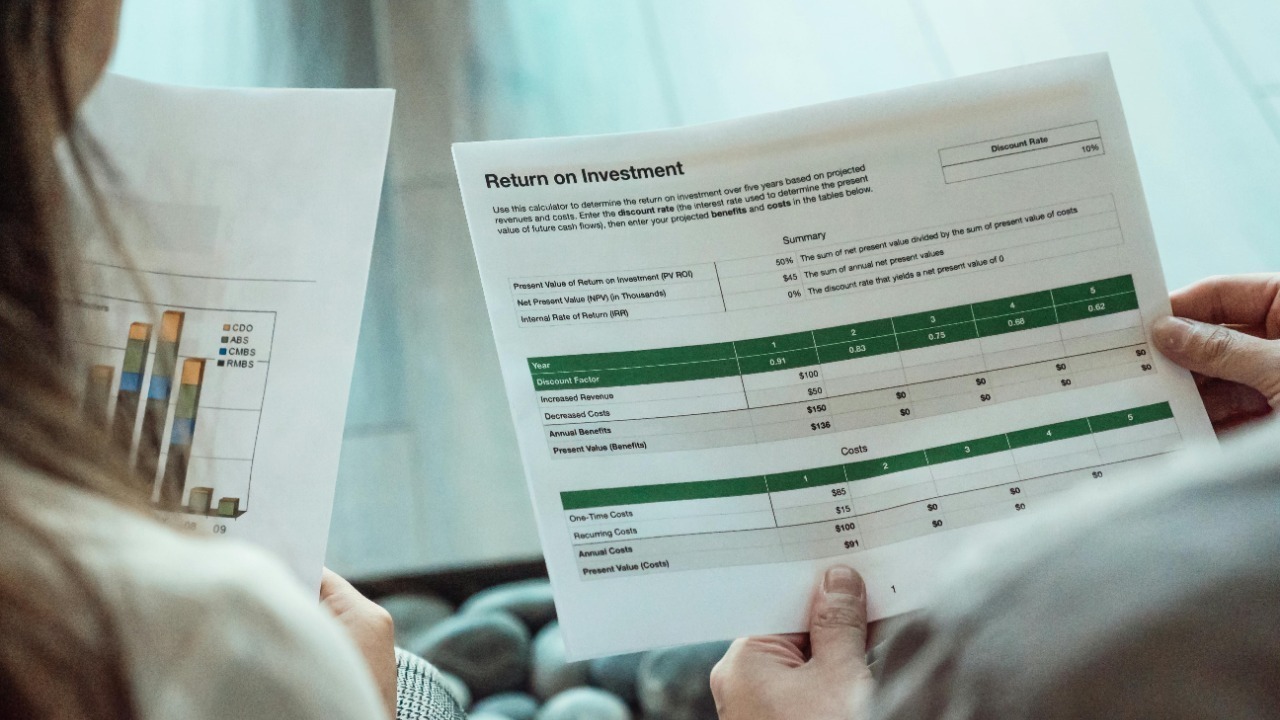
One of the primary recommendations from Humphrey Yang is to maintain a diversified investment portfolio. This approach helps mitigate risks by spreading investments across various asset classes. By investing in a mix of stocks, bonds, and real estate, you can protect your wealth from market volatility. A diversified portfolio is essential for high-income earners looking to preserve and grow their wealth over time. For more detailed insights, you can refer to Yang’s advice on Yahoo Finance.
In addition to traditional asset classes, Yang suggests considering alternative investments such as commodities, hedge funds, or private equity. These can offer unique opportunities for growth and further reduce risk through diversification. By including a variety of investment types, high-income earners can better withstand economic downturns and capitalize on different market conditions. Yang emphasizes the importance of regularly reviewing and rebalancing your portfolio to ensure it aligns with your financial goals and risk tolerance.
2. Real Estate Investments

Real estate remains a solid investment choice for high-income earners. According to Yang, investing in properties can provide a steady income stream and potential tax benefits. Real estate investments can also appreciate over time, offering significant returns. Whether it’s residential or commercial properties, real estate can be a reliable way to diversify your investment portfolio and secure your financial future.
Yang also points out the benefits of real estate investment trusts (REITs) for those who prefer not to manage properties directly. REITs offer a way to invest in real estate without the responsibilities of property management, providing liquidity and diversification. Additionally, real estate can serve as a hedge against inflation, as property values and rental income tend to rise with inflation. This makes real estate a strategic component of a well-rounded investment strategy for high-income earners.
3. Retirement Accounts
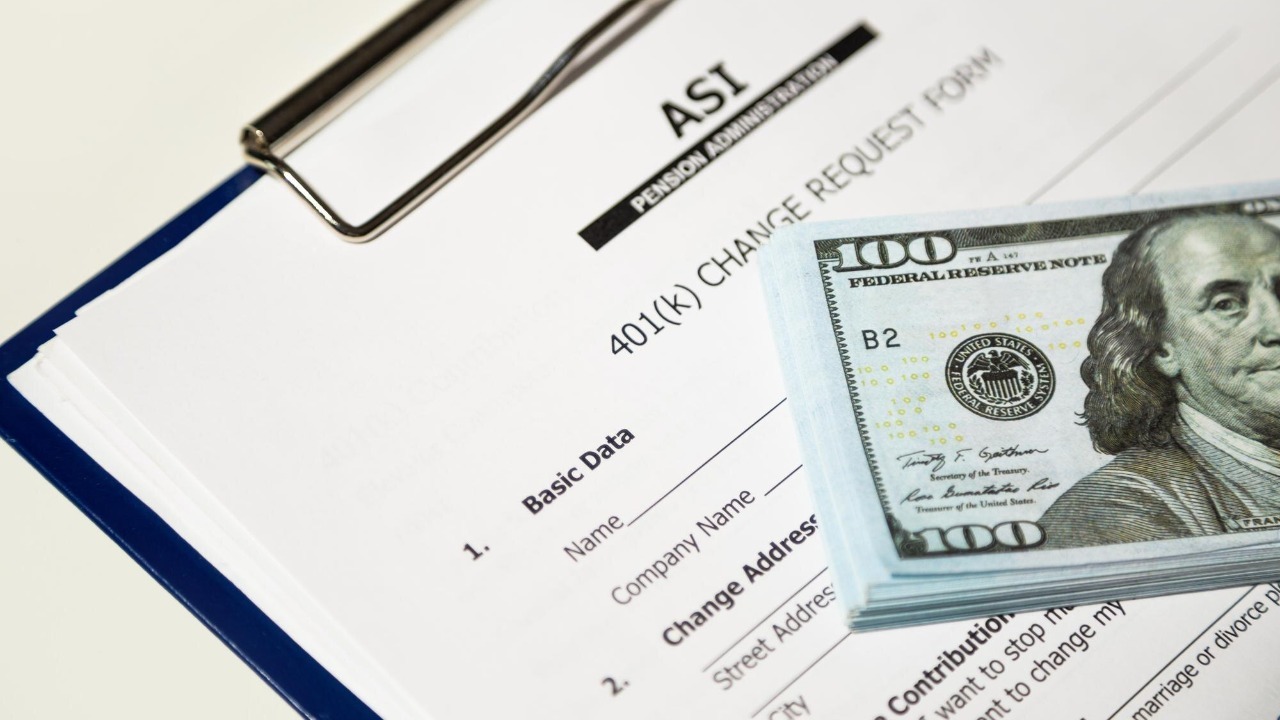
Contributing to retirement accounts is another crucial step recommended by Yang. High-income earners should maximize contributions to accounts like 401(k)s and IRAs. These accounts offer tax advantages that can enhance your retirement savings. By taking advantage of employer matching programs and tax-deferred growth, you can build a substantial nest egg for your retirement years.
Yang advises exploring Roth IRAs for their tax-free growth and withdrawal benefits, especially if you anticipate being in a higher tax bracket during retirement. Additionally, considering backdoor Roth IRA conversions can be advantageous for high-income earners who exceed the income limits for direct Roth IRA contributions. By strategically planning your retirement savings, you can maximize your financial security in your later years.
4. Emergency Fund
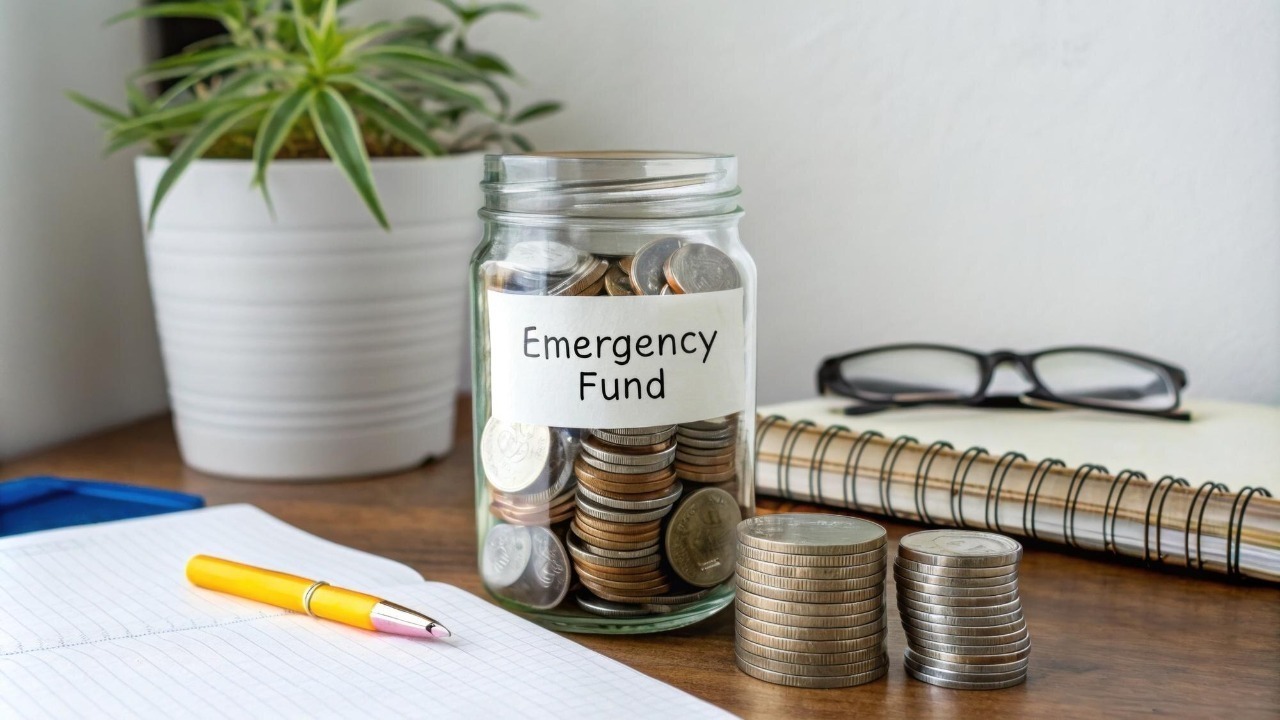
Yang emphasizes the importance of having an emergency fund. This fund acts as a financial safety net, covering unexpected expenses such as medical emergencies or job loss. High-income earners should aim to save at least six months’ worth of living expenses. An emergency fund provides peace of mind and financial stability during unforeseen circumstances.
Yang recommends keeping your emergency fund in a high-yield savings account or money market account to earn interest while maintaining easy access to funds. It’s also wise to periodically reassess the amount saved in your emergency fund, especially after significant life changes such as marriage, having children, or purchasing a home. This ensures that your safety net remains adequate to cover your current living expenses.
5. Education and Skill Development

Investing in education and skill development is another area Yang highlights. As a high-income earner, enhancing your skills can lead to career advancement and increased earning potential. Whether it’s pursuing advanced degrees or attending workshops, continuous learning is a valuable investment in your future. This strategy not only boosts your professional growth but also contributes to personal development.
Yang encourages high-income earners to take advantage of employer-sponsored education benefits or tuition reimbursement programs. These can significantly reduce the cost of further education and skill development. Additionally, online courses and certifications can provide flexible learning opportunities that fit into a busy schedule, allowing you to continuously enhance your expertise and stay competitive in your field.
6. Charitable Contributions

Yang also suggests allocating a portion of your income to charitable contributions. Giving back to the community can provide personal fulfillment and potential tax benefits. High-income earners can support causes they are passionate about while also reducing their taxable income. Charitable contributions are a meaningful way to make a positive impact and align your financial goals with your values.
Yang highlights the importance of strategic charitable giving, such as setting up a donor-advised fund. This allows you to make a charitable contribution, receive an immediate tax deduction, and then recommend grants from the fund over time. This approach provides flexibility in supporting various causes while optimizing tax benefits. Engaging in philanthropy can also strengthen community ties and foster a sense of purpose.
7. Health and Wellness

Investing in health and wellness is crucial for maintaining a high quality of life. Yang advises high-income earners to prioritize spending on health insurance, fitness programs, and preventive care. By taking care of your physical and mental well-being, you can enjoy a longer, healthier life. This investment not only benefits you personally but can also enhance your productivity and overall happiness.
Yang suggests investing in comprehensive health insurance plans that cover a wide range of services, including preventive care and wellness programs. Additionally, consider utilizing health savings accounts (HSAs) for their tax advantages and potential to grow your savings. By prioritizing your health, you not only improve your quality of life but also potentially reduce long-term healthcare costs.
8. Tax-Efficient Strategies

Finally, Yang recommends implementing tax-efficient strategies to optimize your financial situation. High-income earners should work with financial advisors to explore options like tax-loss harvesting and municipal bonds. These strategies can help minimize tax liabilities and maximize after-tax returns. By staying informed about tax laws and regulations, you can make smarter financial decisions and retain more of your hard-earned money. For further guidance, Yang’s insights on investing can be found on AOL.
Yang also recommends considering the timing of income and deductions to optimize tax efficiency. For instance, deferring income to a future year or accelerating deductions into the current year can be beneficial depending on your financial situation. Additionally, exploring opportunities for tax credits, such as those for energy-efficient home improvements, can further reduce your tax burden. Staying proactive and informed about tax strategies can significantly enhance your financial outcomes.

Cole Whitaker focuses on the fundamentals of money management, helping readers make smarter decisions around income, spending, saving, and long-term financial stability. His writing emphasizes clarity, discipline, and practical systems that work in real life. At The Daily Overview, Cole breaks down personal finance topics into straightforward guidance readers can apply immediately.

