
Social Security is a crucial part of retirement planning for many Americans, but misconceptions about it abound. These myths can lead to financial missteps that might affect your retirement years. Understanding the truth behind these myths can help secure your financial future.
Myth: You Can Rely Solely on Social Security for Retirement

Many people believe that Social Security will fully cover their retirement expenses. However, the average Social Security benefit is designed to replace only about 40% of pre-retirement income. Relying solely on these benefits could leave you short of funds in your golden years. It’s essential to have a diversified retirement strategy, including personal savings and investments, to truly enjoy financial security.
Exploring other options such as employer-provided retirement plans or individual retirement accounts (IRAs) can significantly boost your retirement savings. A comprehensive approach ensures you won’t have to entirely depend on Social Security, which is prone to political and economic shifts.
Myth: Social Security Will Run Out Soon
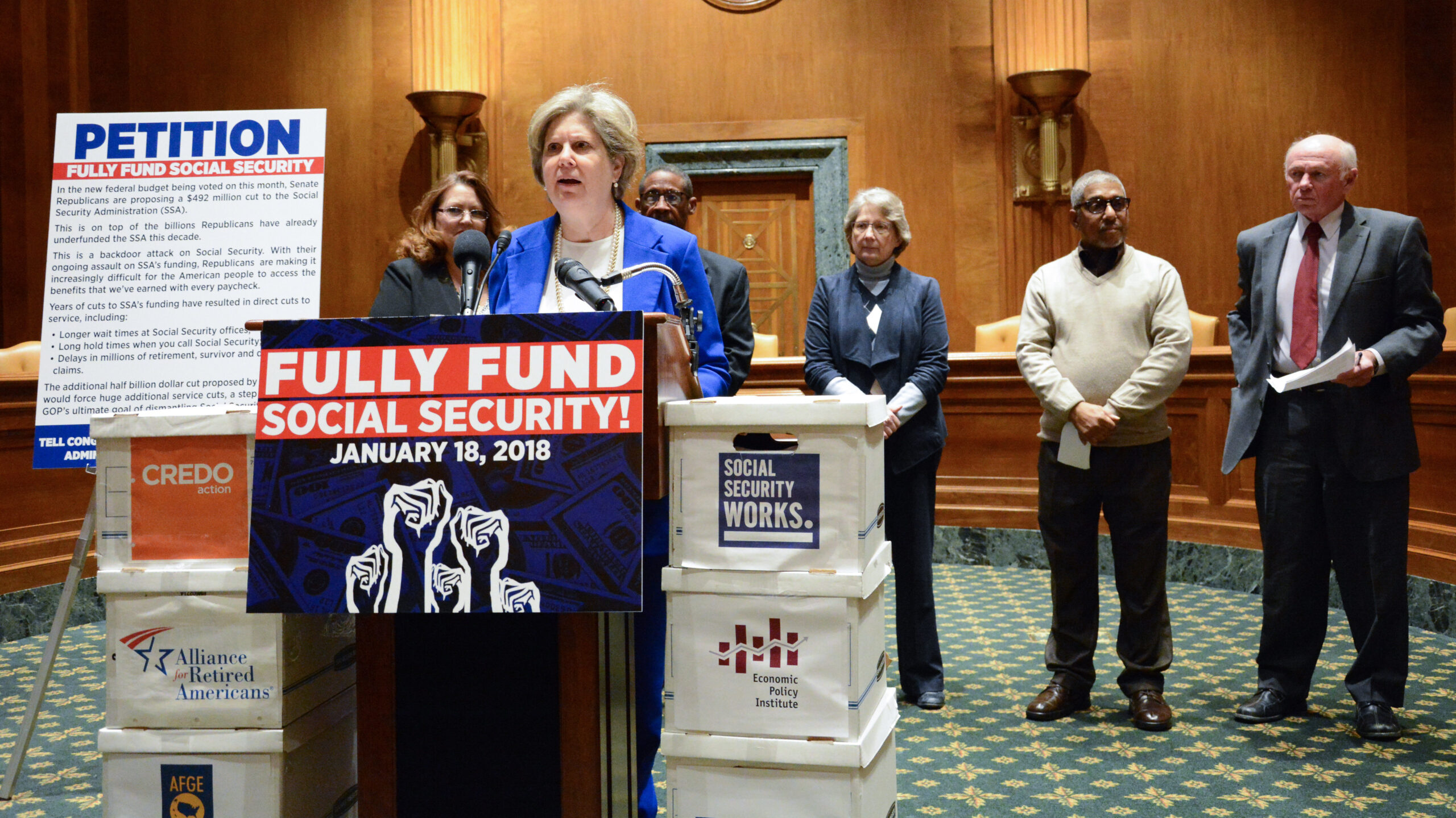
The fear that Social Security will run out of funds in the near future is widespread, but it’s not entirely accurate. While the Social Security trust fund faces challenges, it is unlikely to be depleted completely. According to experts, even if the trust fund runs out, Social Security would still be able to pay out about 75% of scheduled benefits, thanks to ongoing payroll tax revenues.
Reform measures could address funding shortfalls, ensuring the program’s longevity. Staying informed about legislative changes and planning accordingly can help mitigate concerns about the program’s future.
Myth: You Don’t Pay Taxes on Social Security Benefits

It’s a common misconception that Social Security benefits are tax-free. In reality, you may have to pay federal income taxes on your benefits, depending on your overall income. If your combined income exceeds certain thresholds, up to 85% of your benefits could be taxable.
Understanding the tax implications of your Social Security benefits can help you plan better. Consulting a tax professional or using online resources like Yahoo Finance can provide clarity and assist in minimizing your tax burden.
Myth: You Can Collect Benefits as Soon as You Stop Working

Some believe they can start collecting Social Security benefits immediately after quitting a job. However, you must meet specific age requirements to receive benefits. The earliest you can claim is age 62, but doing so will reduce your monthly benefit amount permanently.
Waiting until full retirement age or even delaying benefits until age 70 can significantly increase your monthly payments. It’s crucial to weigh the pros and cons and determine the best time to start collecting based on your financial needs and health status.
Myth: The Government Manages Your Social Security Investments

Many are under the impression that the government actively invests Social Security funds. In truth, Social Security taxes are not invested in the stock market but are used to pay current beneficiaries. The remainder is held in government securities, which are considered low-risk.
This approach ensures stability but limits growth potential. Understanding this can help set realistic expectations about the role of Social Security in your retirement planning. For more information, you can refer to resources like HeinOnline.
Myth: Spousal Benefits Are Automatic and Equal

Spousal benefits are not automatically granted, nor are they always equal to the working spouse’s benefits. They are typically up to 50% of the worker’s benefit at full retirement age. To qualify, the non-working spouse must file a claim, and other conditions may apply.
It’s essential to understand the rules that govern spousal benefits to maximize your household’s Social Security income. This includes knowing when and how to apply, as well as the impact of factors such as divorce or remarriage.
Myth: Your Benefits Won’t Change Once You Start Collecting

Once you start receiving Social Security, your benefits aren’t fixed. Cost-of-living adjustments (COLAs) are applied annually based on inflation rates, which can increase your benefits. However, these adjustments vary yearly and aren’t guaranteed to keep pace with inflation.
Additionally, if you continue working while receiving benefits, your income could affect the amount you receive. Being aware of these factors can help you plan and manage your finances effectively. For more details, you might want to look at additional literature.
Myth: Social Security Disability Is Easy to Qualify For

Qualifying for Social Security Disability Insurance (SSDI) is not as straightforward as some might think. The process is rigorous, requiring comprehensive medical documentation and meeting strict criteria. Many initial applications are denied, and the appeal process can be lengthy.
Understanding the eligibility requirements and preparing a strong application can increase your chances of approval. It may be beneficial to consult with professionals or disability advocates to navigate this complex process successfully.

Nathaniel Cross focuses on retirement planning, employer benefits, and long-term income security. His writing covers pensions, social programs, investment vehicles, and strategies designed to protect financial independence later in life. At The Daily Overview, Nathaniel provides practical insight to help readers plan with confidence and foresight.

