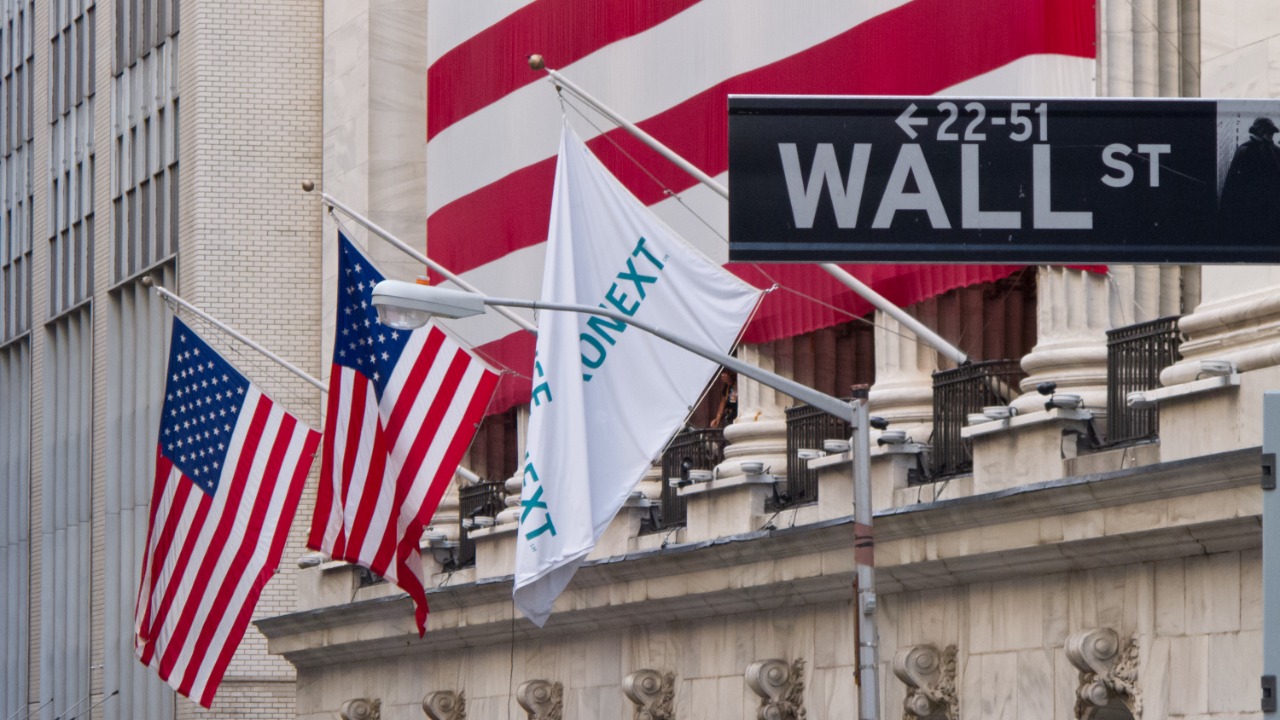
Wall Street traders spent Wednesday torn between celebration and second thoughts after a blowout U.S. jobs report sent stocks sharply higher before a choppy late-session drift. The strong hiring data jolted expectations for how quickly the Federal Reserve might cut interest rates, turning what looked like a straightforward rally into a debate over whether good economic news is actually good news for markets. That tension defined the day: investors want growth, but they worry that too much strength will keep borrowing costs elevated for longer and put pressure on stock valuations.
The action played out against a busy backdrop on February 11, 2026, with major U.S. indexes reacting in real time to the surprise in job creation and the shifting odds of rate cuts. By the closing bell, the session had showcased both the power of economic data to move prices and the limits of simple stories about “strong jobs equals strong stocks.” That split personality set the stage for a cautious global follow-through and a fresh round of arguments about where the rally goes next and how much longer investors will have to live with higher interest rates.
Jobs shock hits a nervous market
The immediate spark was the latest U.S. employment snapshot, which showed hiring far stronger than many traders had expected. According to live market coverage, employers added 124,000 total positions, a figure that became the shorthand for the day’s surprise and helped frame the session’s early surge in equities. While not extreme by historical standards, that headline number landed in a market that had grown comfortable with the idea of a steadily cooling labor backdrop. It forced investors to rethink how quickly conditions might slow and whether the soft-landing story had been priced too aggressively.
Timing amplified the impact. The calendar had already primed traders for a data-driven week, and the Wednesday release arrived as investors were watching every macro reading for clues on when the Fed might ease. When the jobs print came in stronger than expected, stock futures jumped and early trading saw buyers rush back into names tied to growth and consumer demand. Those same figures also sparked an immediate second-order worry: if hiring is this firm, policymakers may feel little urgency to cut rates, leaving markets stuck with higher borrowing costs even as valuations already look stretched and corporate borrowers face higher interest expenses.
From rocket launch to wobble
The trading session captured that emotional swing in real time. Early on Wednesday, major U.S. stock indexes climbed as investors cheered the sign that employers were still adding workers at a healthy clip. A widely watched end-of-day recap later described how those same indexes ultimately “wobbled” after the jobs report, with gains fading as traders reconsidered the rate path and digested the idea that strong hiring might actually delay relief on interest costs. That shift from euphoria to hesitation turned what could have been a clean breakout into a more complicated, sideways finish for the day, with intraday charts showing sharp bursts of buying followed by quick pullbacks.
The wobble reflected more than just price action; it exposed a deeper split in how investors interpreted the data. One camp treated the hiring surprise as evidence that the economy could support higher earnings, even if rates stay elevated. Another saw the same numbers as a warning that the Fed might stay hawkish for longer, squeezing valuation multiples and punishing the most rate-sensitive corners of the market. The result was a tug-of-war that left the major U.S. stock indexes, as recapped in the Wednesday report, looking more unsettled than the early rally had implied, with buyers and sellers both quick to react to each new headline.
Rate-cut hopes meet Fed reality
At the center of the day’s volatility was a simple question: how does a hotter jobs print feed into the timing and size of future rate cuts? The same end-of-day recap made clear that traders were already thinking in those terms, noting that the session’s commentary repeatedly circled back to rate-cut implications. Strong hiring gives the Fed cover to keep its benchmark rate steady, or to trim it more slowly, because officials can argue that the labor market is still absorbing higher borrowing costs without obvious stress. For equity investors who had been betting on a quicker pivot to easier policy, that logic lands like a cold splash of water and forces them to revisit their playbooks.
There is also a psychological layer. Markets had grown used to a pattern where softer data boosted rate-cut odds and sparked rallies in long-duration assets, from tech stocks to speculative growth names. A day when “good news is bad news” in rate terms can scramble those habits, and that is exactly what appeared to happen as traders weighed the strong hiring against their desire for cheaper money. The jobs-driven rethink of policy odds, described in the same analysis of expectations, helps explain why an initially jubilant session lost altitude by the close, even though the economic data itself looked solid on the surface.
Global markets take their cue
The ripple effects did not stop at the U.S. close. By the next trading day, world shares were reacting to the same jobs surprise and the choppy finish on Wall Street. Reporting on overseas markets described how world shares mostly gained after Wall Street wobbled, suggesting that investors abroad were willing to lean into the idea of a still-growing U.S. economy, even if American traders had ended the prior session on a hesitant note. That pattern fits a familiar script in which global markets treat U.S. data as a guide to future demand for exports, travel, and commodities, and it shows how one report can shape sentiment far beyond New York.
The global context also highlighted how much of the narrative was anchored to the U.S. jobs report itself. International coverage made clear that the strong hiring figures were the reference point for explaining why world shares mostly gained, even as commentators acknowledged that Wall Street had looked uneasy by the close. In that sense, the global market reaction functioned as a kind of second opinion: while U.S. traders fretted over rate-cut timing, investors abroad seemed more inclined to focus on the growth signal embedded in the employment data, as reflected in global market coverage tying gains to the U.S. report.
CNBC’s cautionary read on the rally
Domestic commentary was far from unanimous, and some coverage leaned into the idea that the initial enthusiasm might not last. A live market blog framed the session in terms of fading excitement, noting that the Dow snapped a three-day win streak as the early optimism over the strong jobs report fizzled out by the close. That framing, backed by the work of Sean Conlon and Liz Napolitano, suggested that the day’s action fit a pattern where investors initially cheer strong economic data, only to sell into strength once they reconsider the policy trade-offs and the risk that valuations have run ahead of earnings.
The same live updates highlighted that the jobs report, which added 124,000 total positions, was at the heart of the story, even as the Dow’s losing day showed that headline economic strength does not guarantee gains for every index. That tension matters for anyone trying to read the tape: a strong labor print can coexist with a red close in the Dow if rate worries and profit-taking overpower the growth narrative. The way the live coverage balanced those points offered a counterweight to more upbeat interpretations that focused mainly on the jobs surprise and downplayed the late-session pullback.
Why “good news is bad news” is too simple
Much of the commentary around the session leaned on a familiar cliché: that strong jobs data is “bad” for stocks because it delays rate cuts. That view misses key dynamics. A labor market that can absorb higher rates without obvious damage suggests that corporate revenues and earnings may have more staying power than feared. If companies can keep hiring and consumers can keep spending, then profits may grow even in a world where the Fed cuts more slowly than futures markets had hoped. The trade-off is more complex than a binary “good data equals bad stocks” story and depends on which sectors lead the market.
The wobble in major U.S. stock indexes, as described in the end-of-day recap, shows how quickly traders can swing between those narratives. Yet the same reports also tie the global follow-through to the strength of the U.S. jobs report, suggesting that many investors still see solid hiring as a net positive for risk assets. In this context, the more useful question is not whether strong jobs are good or bad for stocks, but which parts of the market can thrive in a slower-cut environment. Financials and companies with strong balance sheets may benefit from higher-for-longer rates, while heavily indebted firms and speculative growth names could lag as borrowing stays expensive.
Reading the numbers behind the surprise
Two figures stood out as traders dug into the details behind the headline jobs gain. One was a reference level of 698, which analysts used as a comparison point for prior weeks of jobless claims and hiring trends. That earlier figure had helped shape the belief that the labor market was cooling at a steady pace, so the jump to 124,000 new positions forced a rethink of how quickly demand for workers was actually slowing. The contrast between 698 and the latest reading underscored why the report felt like a shock rather than just another solid month.
A second marker was 784, which appeared in discussions of how many thousands of jobs markets had effectively priced in before the report hit the tape. Traders often build expectations around ranges, and in this case many had assumed a softer outcome closer to that 784 benchmark when thinking about the broader pace of hiring. The actual result, combined with that reference point, highlighted how even modest shifts in labor data can ripple through forecasts for growth, inflation, and Fed policy. Together, the 698 and 784 figures helped explain why a single report could swing sentiment so sharply in just a few hours.
More From The Daily Overview
*This article was researched with the help of AI, with human editors creating the final content.

Grant Mercer covers market dynamics, business trends, and the economic forces driving growth across industries. His analysis connects macro movements with real-world implications for investors, entrepreneurs, and professionals. Through his work at The Daily Overview, Grant helps readers understand how markets function and where opportunities may emerge.

