
Adverse possession laws, often referred to as “squatter’s rights,” allow individuals to claim ownership of property after occupying it for a certain period without the owner’s permission. These laws vary by state, and in some cases, they can lead to legal ownership claims by squatters. This article explores eight states where such laws are particularly favorable to squatters, highlighting the risks and implications for property owners.
1. California

California is one of the states where adverse possession laws can enable squatters to claim ownership of a property after continuous occupation. The state requires that the squatter occupy the property openly and notoriously, meaning their presence is obvious to anyone, including the legal owner. This can pose significant risks for absentee property owners who may not regularly check on their properties. According to Saving Advice, the continuous occupation must last for at least five years, during which the squatter must also pay property taxes.
The implications for homeowners are significant, as failing to monitor their properties can lead to losing them entirely. This highlights the importance of regular property inspections and maintaining clear records of ownership and tax payments to prevent squatters from establishing legal claims.
2. New York

New York is another state where squatters can potentially gain legal ownership of a property through adverse possession. The state requires a squatter to occupy the property for at least ten years continuously. During this time, the squatter must also demonstrate that they have maintained the property and paid any associated taxes. As noted by Realtor.com, property owners are advised to conduct frequent inspections to prevent squatters from establishing a claim.
These laws underscore the necessity for property owners to remain vigilant, especially if they own multiple properties or are frequently away. Regular visits and clear communication with neighbors can help detect unauthorized occupancy early, reducing the risk of losing property to squatters.
3. Texas

In Texas, adverse possession statutes allow squatters to gain legal title to a property after a period of continuous, open occupancy. The state requires a squatter to occupy the property for a minimum of ten years. During this time, the squatter must also demonstrate that they have maintained the property and paid any necessary taxes. According to Saving Advice, these laws can pose challenges for property owners who do not regularly monitor their properties.
The implications for homeowners are clear: failing to regularly check on properties can result in losing them to squatters. This highlights the importance of maintaining clear records of ownership and tax payments, as well as conducting regular property inspections to prevent squatters from establishing legal claims.
4. Florida

Florida’s adverse possession laws allow squatters to assert rights to a property after meeting specific occupancy requirements. The state requires a squatter to occupy the property for at least seven years continuously. During this time, the squatter must also demonstrate that they have maintained the property and paid any associated taxes. As reported by Saving Advice, these laws can pose significant risks for absentee property owners.
The implications for homeowners are significant, as failing to monitor their properties can lead to losing them entirely. This highlights the importance of regular property inspections and maintaining clear records of ownership and tax payments to prevent squatters from establishing legal claims.
5. Illinois
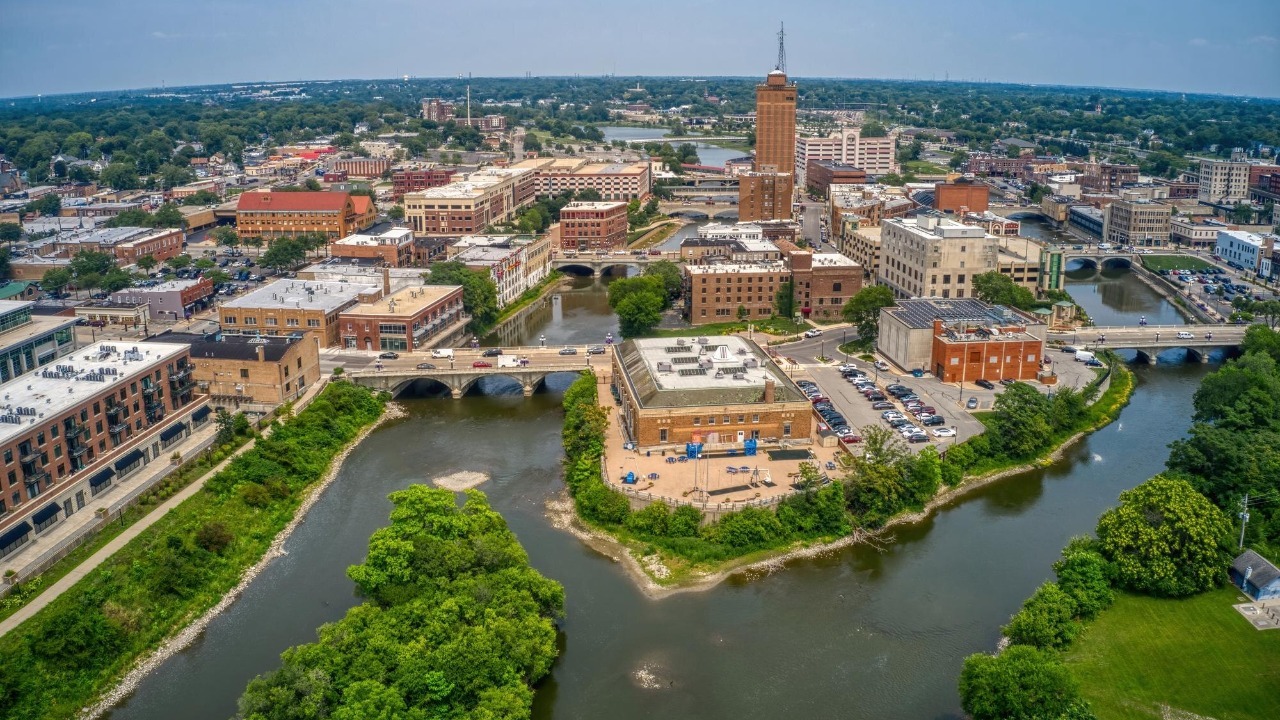
In Illinois, adverse possession laws enable squatters to legally take over homes after specific periods of unchallenged use. The state requires a squatter to occupy the property for at least 20 years continuously. During this time, the squatter must also demonstrate that they have maintained the property and paid any necessary taxes. According to Saving Advice, these laws can pose challenges for property owners who do not regularly monitor their properties.
The implications for homeowners are clear: failing to regularly check on properties can result in losing them to squatters. This highlights the importance of maintaining clear records of ownership and tax payments, as well as conducting regular property inspections to prevent squatters from establishing legal claims.
6. New Jersey

New Jersey’s adverse possession laws allow squatters to legally claim property under certain conditions. The state requires a squatter to occupy the property for at least 30 years continuously. During this time, the squatter must also demonstrate that they have maintained the property and paid any necessary taxes. As noted by Saving Advice, these laws can pose challenges for property owners who do not regularly monitor their properties.
The implications for homeowners are significant, as failing to monitor their properties can lead to losing them entirely. This highlights the importance of regular property inspections and maintaining clear records of ownership and tax payments to prevent squatters from establishing legal claims.
7. Pennsylvania

Pennsylvania’s statutes can result in squatters gaining ownership rights through adverse possession. The state requires a squatter to occupy the property for at least 21 years continuously. During this time, the squatter must also demonstrate that they have maintained the property and paid any necessary taxes. According to Realtor.com, property owners are advised to conduct frequent inspections to prevent squatters from establishing a claim.
These laws underscore the necessity for property owners to remain vigilant, especially if they own multiple properties or are frequently away. Regular visits and clear communication with neighbors can help detect unauthorized occupancy early, reducing the risk of losing property to squatters.
8. Maryland

Maryland faces challenges with squatters who can exploit laws to stay and potentially claim homes, prompting calls for reforms to evict them more easily. The state requires a squatter to occupy the property for at least 20 years continuously. During this time, the squatter must also demonstrate that they have maintained the property and paid any necessary taxes. As reported by The Baltimore Sun, these laws have led to calls for legislative changes to facilitate quicker evictions.
The implications for homeowners are significant, as failing to monitor their properties can lead to losing them entirely. This highlights the importance of regular property inspections and maintaining clear records of ownership and tax payments to prevent squatters from establishing legal claims.

Elias Broderick specializes in residential and commercial real estate, with a focus on market cycles, property fundamentals, and investment strategy. His writing translates complex housing and development trends into clear insights for both new and experienced investors. At The Daily Overview, Elias explores how real estate fits into long-term wealth planning.

