
Generation X investors, navigating the dual pressures of retirement planning and economic uncertainty, can strategically deploy $1,000 into diversified assets like index funds and ETFs for optimal growth this year. Recent analyses emphasize low-cost options to combat inflation and market fluctuations, potentially yielding compounded returns over time. Tailored advice for mid-career professionals highlights balancing risk with stability through targeted allocations.
Understanding Gen X Investment Priorities
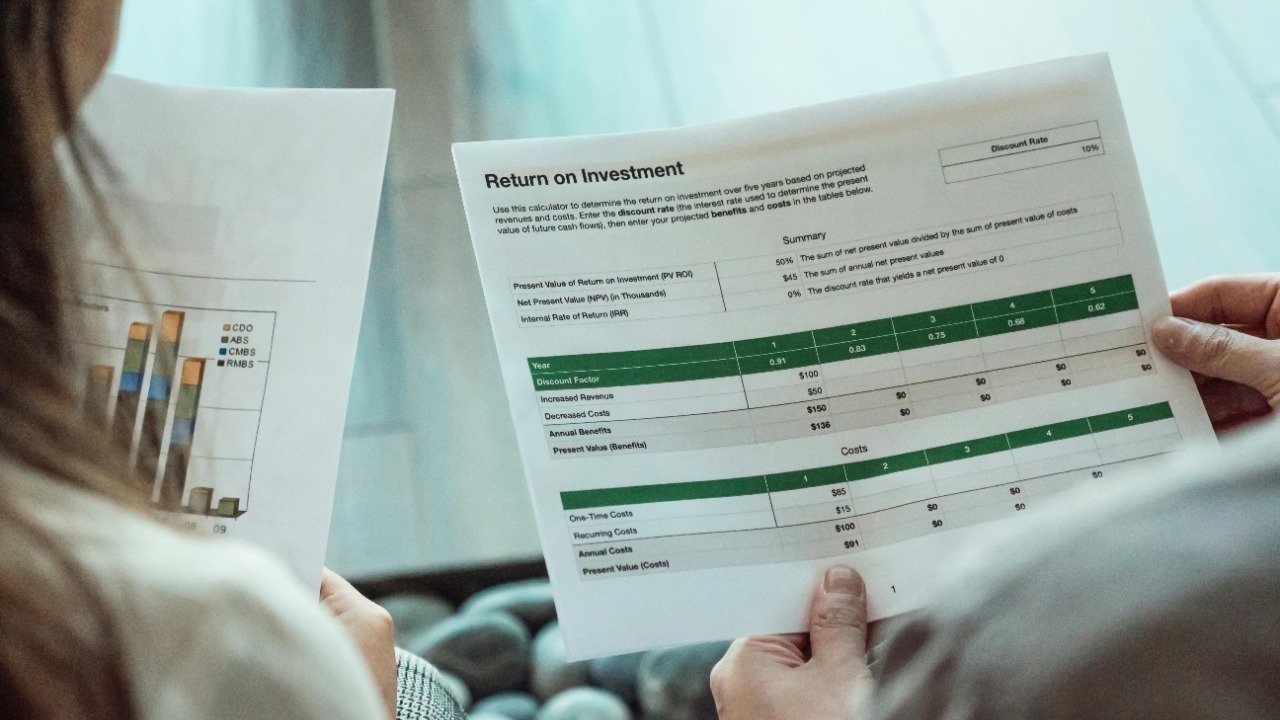
Generation X faces unique financial challenges as they juggle college savings, home equity, and retirement goals. Allocating $1,000 effectively requires a keen understanding of these priorities. According to Nasdaq, this demographic must navigate current market conditions, including interest rate shifts, which significantly influence their portfolio decisions. As interest rates fluctuate, Gen X investors need to assess their risk tolerance carefully, balancing conservative strategies with growth-oriented investments.
Risk tolerance assessments tailored to Gen X’s life stage are crucial. Many in this cohort are seeking conservative yet growth-oriented strategies to secure their financial future. GoBankingRates suggests that understanding one’s risk profile can help in making informed decisions that align with both immediate and long-term financial goals. This approach ensures that investments are not only safe but also capable of providing substantial returns over time.
Low-Cost Index Funds as a Core Allocation

Low-cost index funds, such as those tracking the S&P 500, offer a solid foundation for a $1,000 investment. These funds are known for their historical performance and favorable fee structures, making them an attractive option for Gen X investors. Nasdaq highlights the benefits of these broad-market funds, which provide diversification and reduce the risk associated with individual stock investments.
Vanguard and Fidelity offer index options that can serve as core allocations in a diversified portfolio. These funds typically deliver expected annual returns that align with market averages, providing a reliable growth path. According to GoBankingRates, setting up a brokerage account and opting for automatic reinvestment can maximize compounding effects, enhancing the overall growth potential of the investment.
Incorporating ETFs for Sector Exposure

Exchange-traded funds (ETFs) offer Gen X investors targeted exposure to specific sectors such as technology and healthcare. With a $1,000 entry point, these ETFs can cater to the growth needs of this demographic. Nasdaq recommends considering sector-specific ETFs to capitalize on industry trends and innovations that promise robust returns.
Managing volatility through balanced ETF portfolios is crucial for maintaining stability. Real-world allocation examples demonstrate how a mix of sector-focused ETFs can mitigate risks while enhancing growth prospects. GoBankingRates advises on tax-efficient strategies for holding ETFs in taxable accounts, ensuring that investors can maximize their after-tax returns.
Bonds and Fixed-Income Options for Stability

For Gen X investors seeking stability, short-term Treasury bonds or corporate bond funds offer a hedge against equity risks. Investing $1,000 in these fixed-income options can provide a steady income stream while preserving capital. Nasdaq suggests comparing yields and maturity considerations to align with Gen X’s investment timeline.
Ladder strategies can help maintain liquidity while earning a steady income. By staggering bond maturities, investors can ensure access to funds when needed while benefiting from consistent returns. GoBankingRates emphasizes the importance of this approach in managing cash flow and reducing interest rate risk.
Robo-Advisors and Automated Tools

Robo-advisors like Betterment and Wealthfront offer automated portfolio management solutions for Gen X investors with $1,000 to invest. These platforms provide a breakdown of fees and offer customization features tailored to Gen X goals, such as ESG integration or retirement focus. AOL Finance highlights the benefits of using these tools to streamline investment processes and optimize returns.
User case studies demonstrate the potential outcomes from algorithmic rebalancing, showcasing how these platforms can adapt to market changes and investor preferences. Nasdaq notes that robo-advisors can be particularly effective for those who prefer a hands-off approach, allowing them to focus on other financial priorities while their investments grow.

Cole Whitaker focuses on the fundamentals of money management, helping readers make smarter decisions around income, spending, saving, and long-term financial stability. His writing emphasizes clarity, discipline, and practical systems that work in real life. At The Daily Overview, Cole breaks down personal finance topics into straightforward guidance readers can apply immediately.

