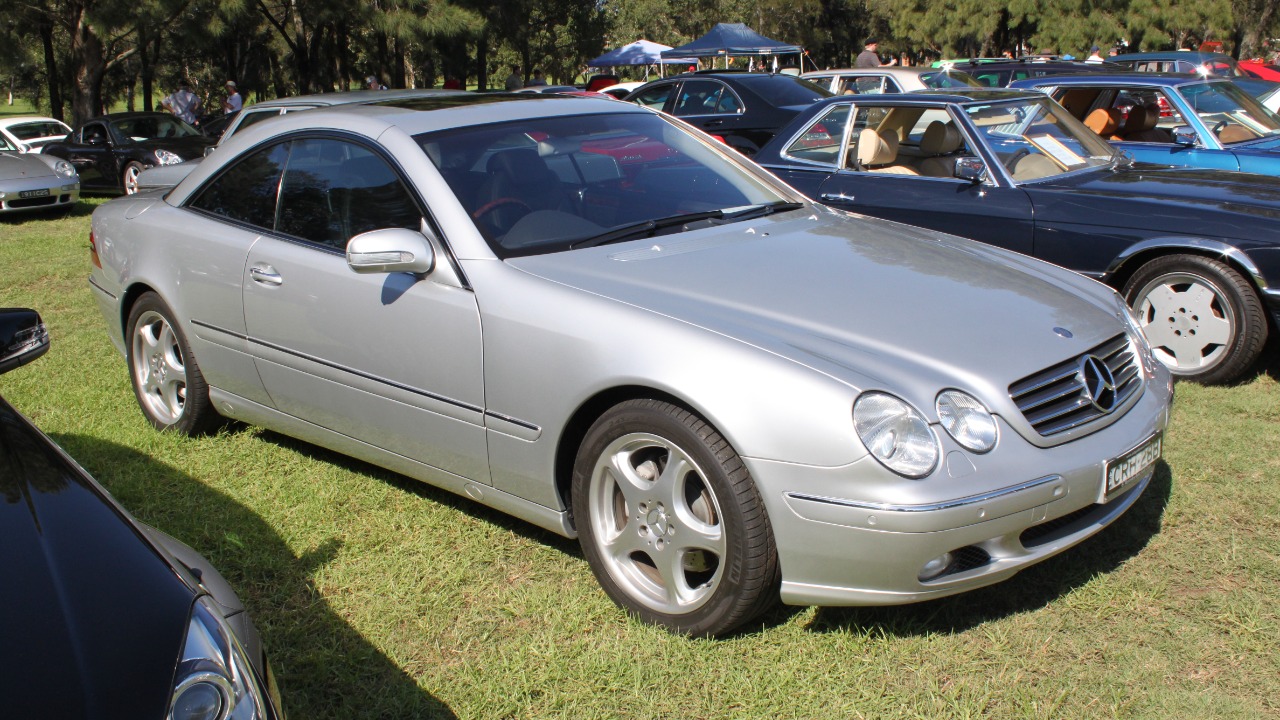
As the automotive industry shifts gears towards electrification and sustainability, several car models are being phased out. This transition reflects changing consumer preferences and manufacturers’ strategic pivots. Here, we explore nine car models that are disappearing from showrooms and one classic model making a comeback in a new form.
1. Chevrolet Malibu
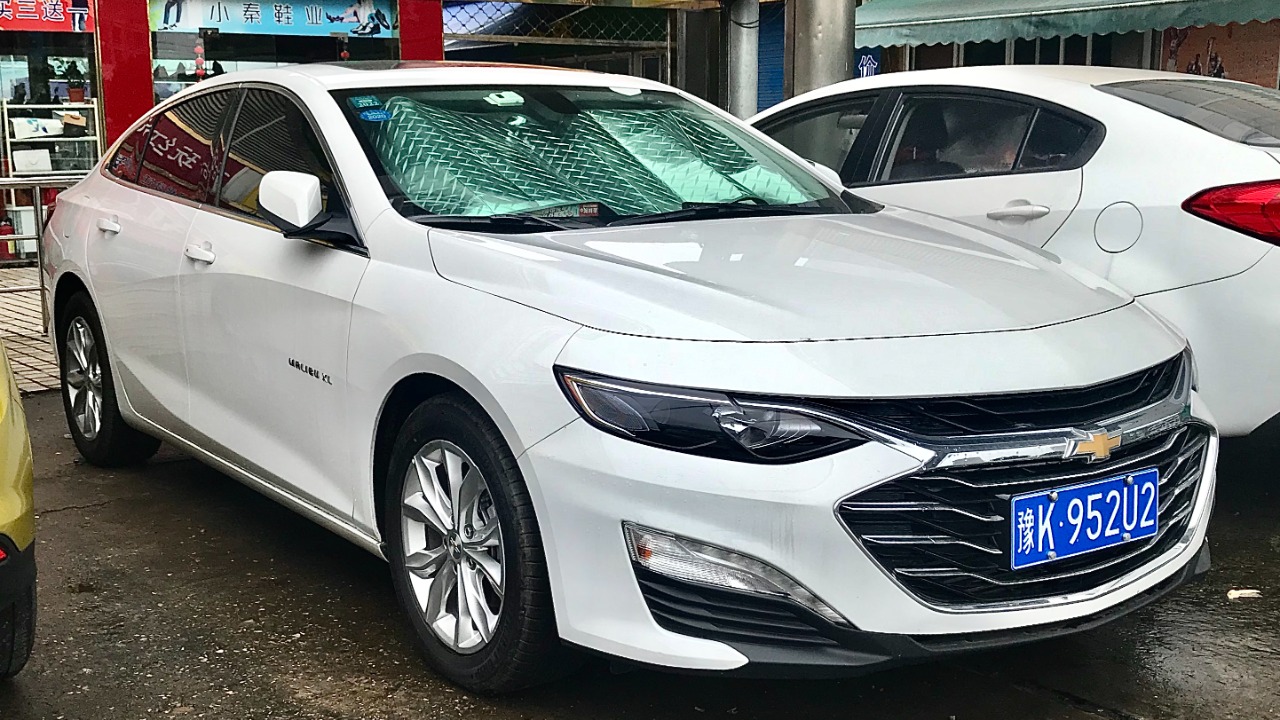
The Chevrolet Malibu, a staple in the sedan market, is set to be phased out after the 2024 model year. This decision comes as General Motors responds to the growing consumer preference for SUVs and electric vehicles (EVs). The Malibu’s decline is indicative of a broader trend where traditional sedans are losing ground to more versatile and eco-friendly options. The shift highlights the industry’s adaptation to evolving market demands and environmental considerations. For more details, visit Money Talks News.
2. Ford Edge
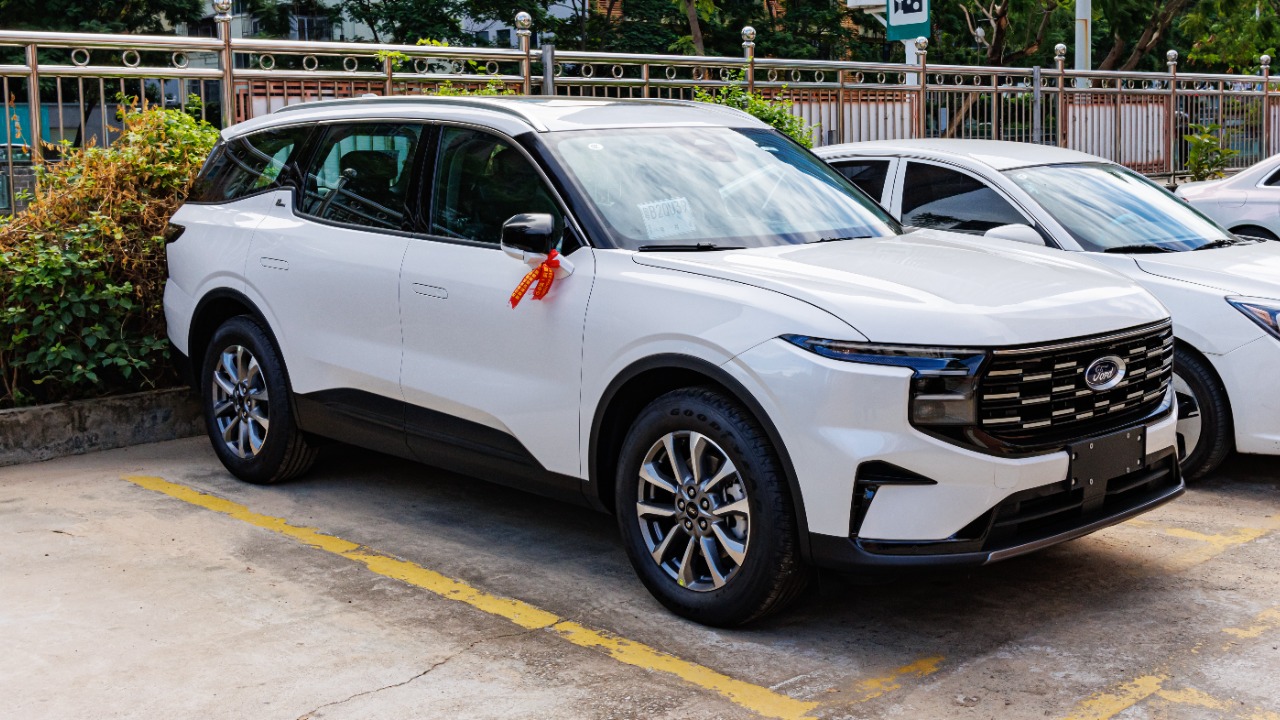
The Ford Edge, a midsize crossover, will be discontinued following the 2024 model year. Ford’s decision aligns with its strategic focus on expanding its electric vehicle lineup. As the company reallocates resources, the Edge’s departure underscores the automaker’s commitment to innovation and sustainability. This move reflects a broader industry trend where manufacturers are prioritizing electric and hybrid models to meet regulatory requirements and consumer expectations.
3. Jeep Cherokee
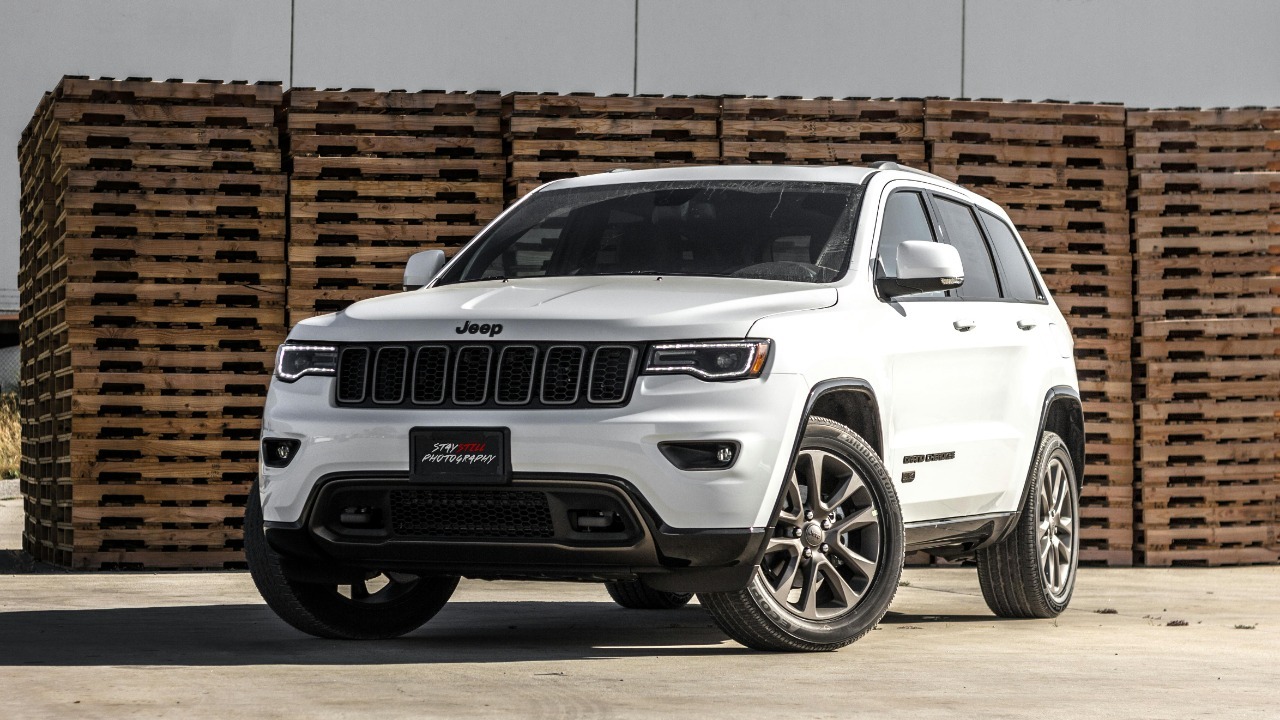
The Jeep Cherokee, an iconic SUV, will cease production after 2023. This decision is part of Stellantis’ restructuring efforts, with no direct successor planned. The Cherokee’s discontinuation marks the end of an era for a model that has been synonymous with rugged off-road capability. As the company shifts its focus, the absence of a replacement highlights the changing landscape of the SUV market, where electrification and efficiency are becoming paramount.
4. Kia Stinger
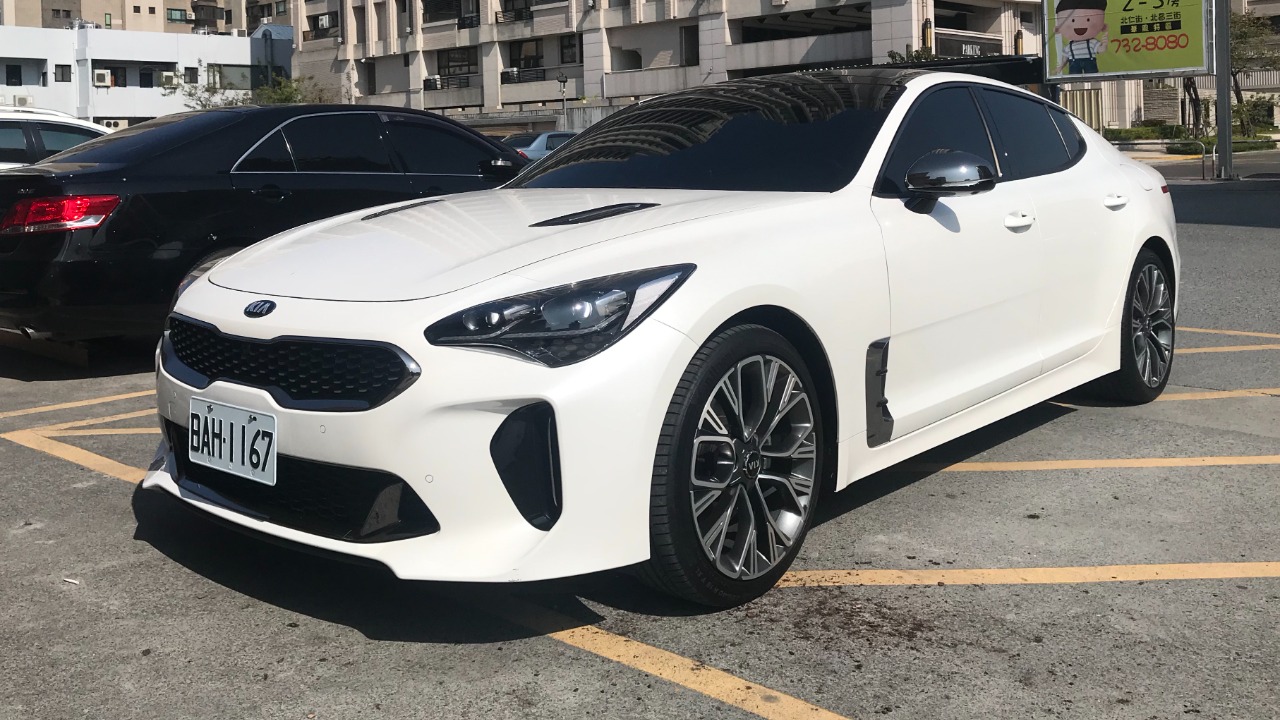
The Kia Stinger, a performance-oriented sports sedan, is being discontinued after the 2022 model year. Low sales figures and Kia’s pivot towards electrification have driven this decision. The Stinger’s exit reflects the challenges faced by traditional sedans in a market increasingly dominated by SUVs and electric vehicles. This move is part of Kia’s broader strategy to enhance its electric vehicle offerings and align with global sustainability goals.
5. Dodge Challenger
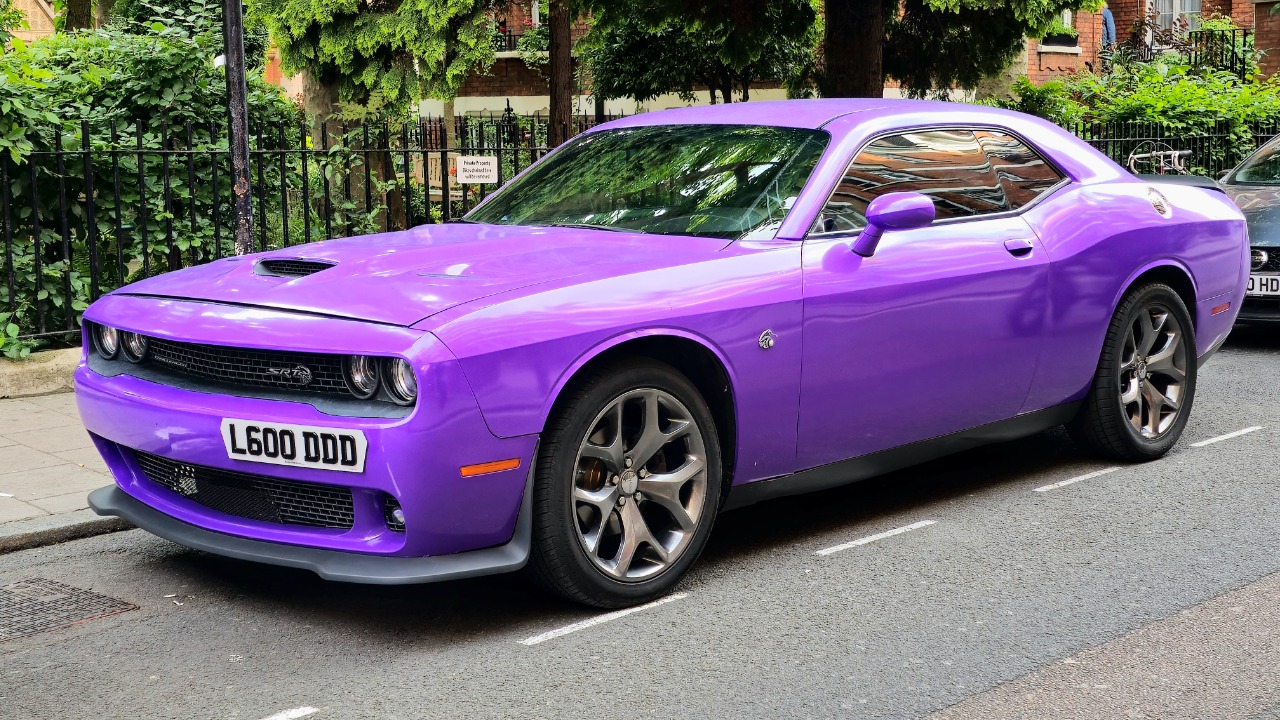
The Dodge Challenger, a symbol of American muscle cars, will end production in December 2023. As Dodge transitions to electric muscle cars, the Challenger’s discontinuation marks a significant shift in the brand’s identity. This move is part of a larger trend where automakers are embracing electrification to meet environmental standards and consumer demand for sustainable options. The Challenger’s legacy will continue in a new, electrified form, reflecting the industry’s evolution.
6. Mercedes C-Class Coupe
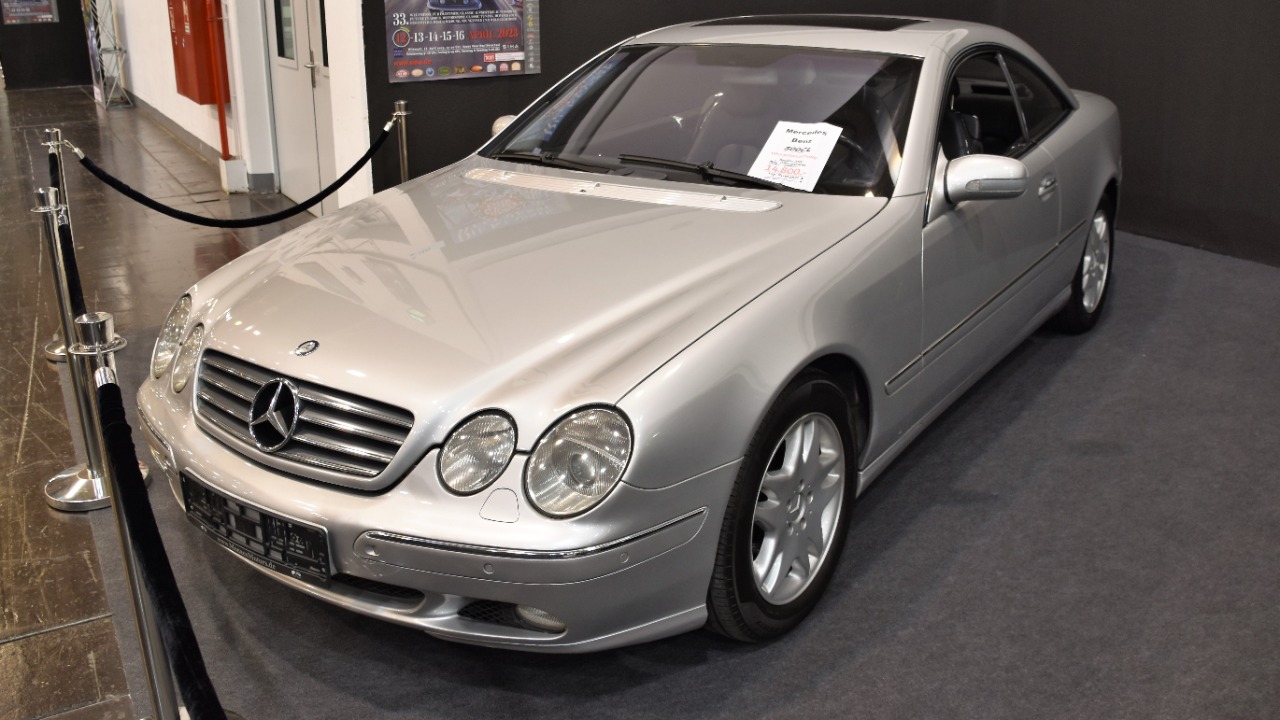
The Mercedes C-Class coupe is being scrapped as part of the brand’s shift towards electric vehicles. This decision underscores Mercedes’ commitment to prioritizing EV development and reducing its carbon footprint. The C-Class coupe’s discontinuation is a strategic move to streamline the company’s offerings and focus on future-ready models. This transition highlights the luxury segment’s adaptation to new market realities. For more details, visit The Sun.
7. Mercedes E-Class Coupe
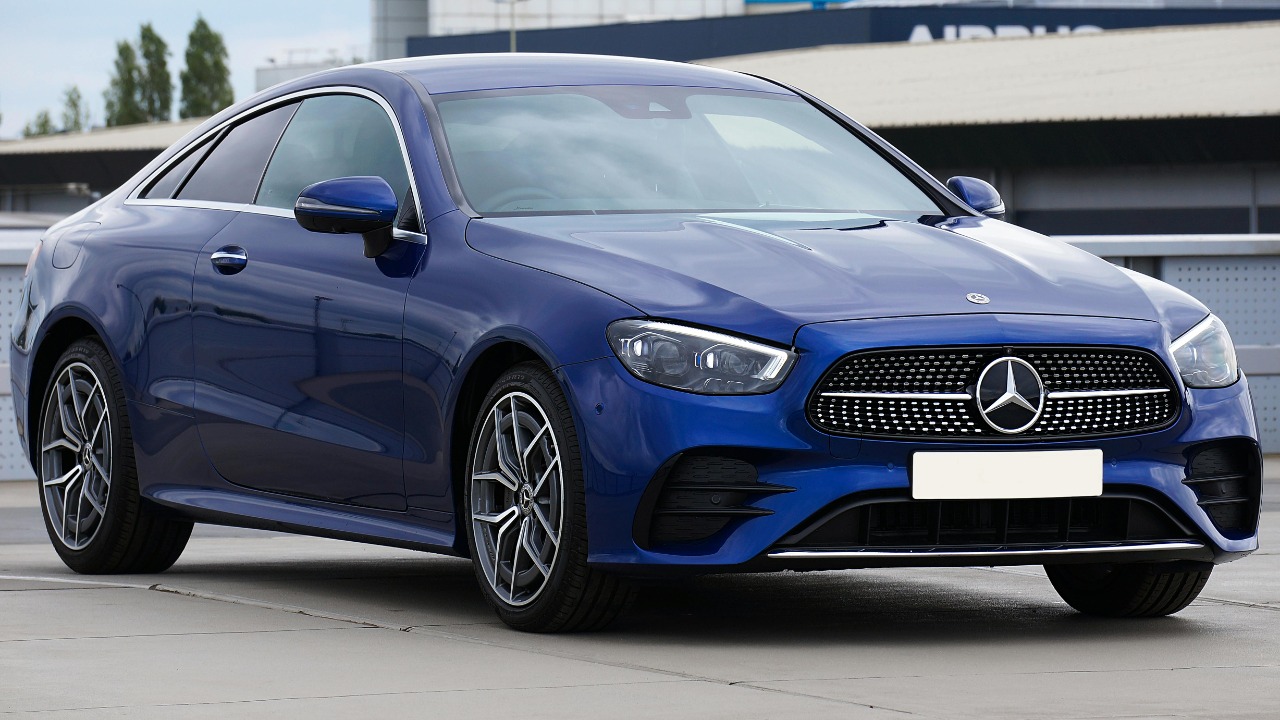
Alongside the C-Class coupe, the Mercedes E-Class coupe is also being discontinued. This decision is part of Mercedes’ broader strategy to eliminate certain models in favor of electric variants. The E-Class coupe’s exit reflects the luxury automaker’s focus on innovation and sustainability. As the industry moves towards electrification, Mercedes is positioning itself to lead in the premium EV market.
8. Volkswagen Arteon
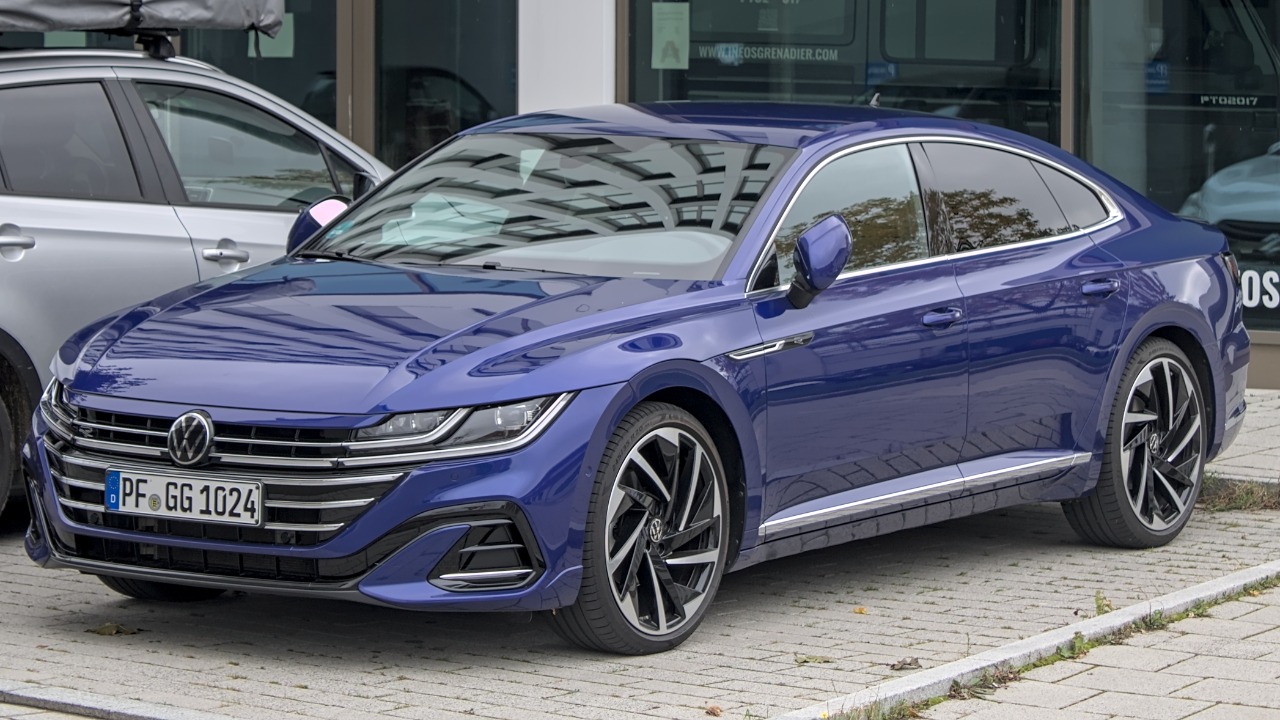
The Volkswagen Arteon, a stylish fastback sedan, is set to be discontinued after 2024 due to poor sales performance. This decision highlights the challenges faced by niche models in a competitive market. As Volkswagen focuses on its electric vehicle lineup, the Arteon’s departure underscores the company’s commitment to sustainability and innovation. The shift away from traditional sedans is a reflection of changing consumer preferences and regulatory pressures.
9. Subaru Legacy
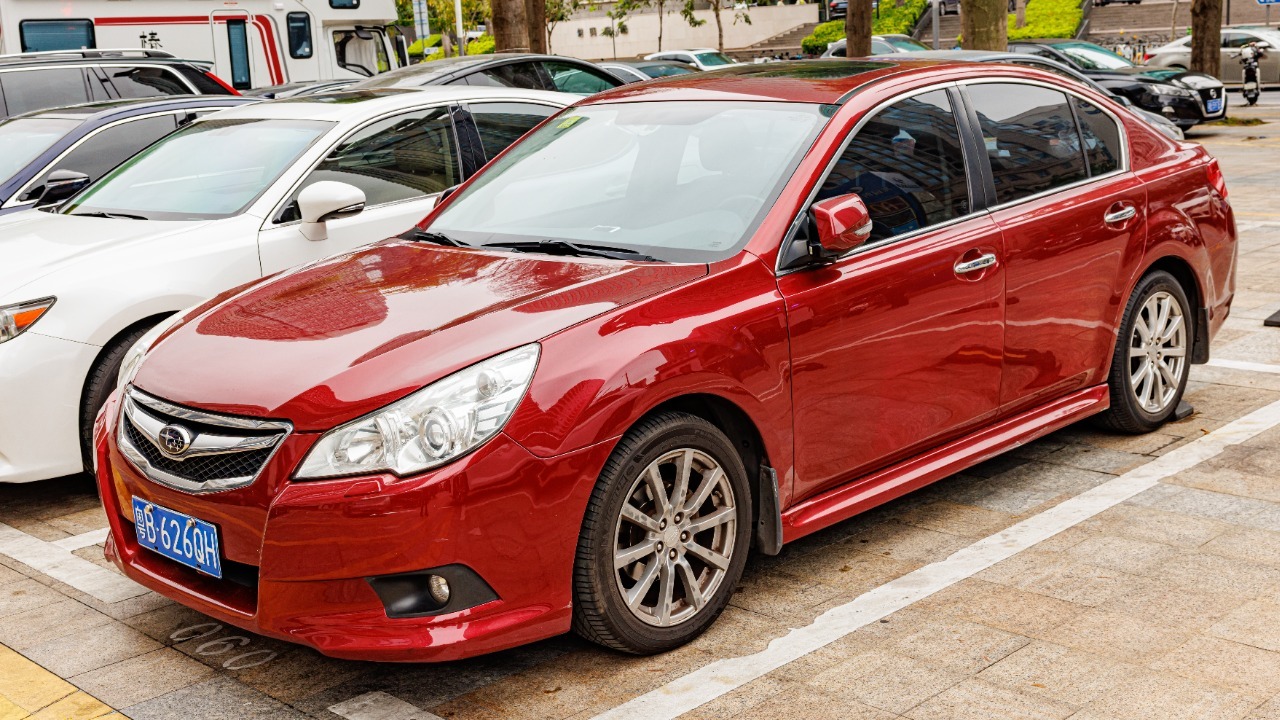
The Subaru Legacy, a midsize sedan, is likely to end after its current generation as Subaru emphasizes crossovers and hybrids. This potential discontinuation reflects the brand’s strategic focus on utility vehicles and environmentally friendly options. The Legacy’s exit is part of a broader industry trend where sedans are being overshadowed by more versatile and sustainable models. Subaru’s shift aligns with consumer demand for vehicles that offer both practicality and efficiency.

Grant Mercer covers market dynamics, business trends, and the economic forces driving growth across industries. His analysis connects macro movements with real-world implications for investors, entrepreneurs, and professionals. Through his work at The Daily Overview, Grant helps readers understand how markets function and where opportunities may emerge.