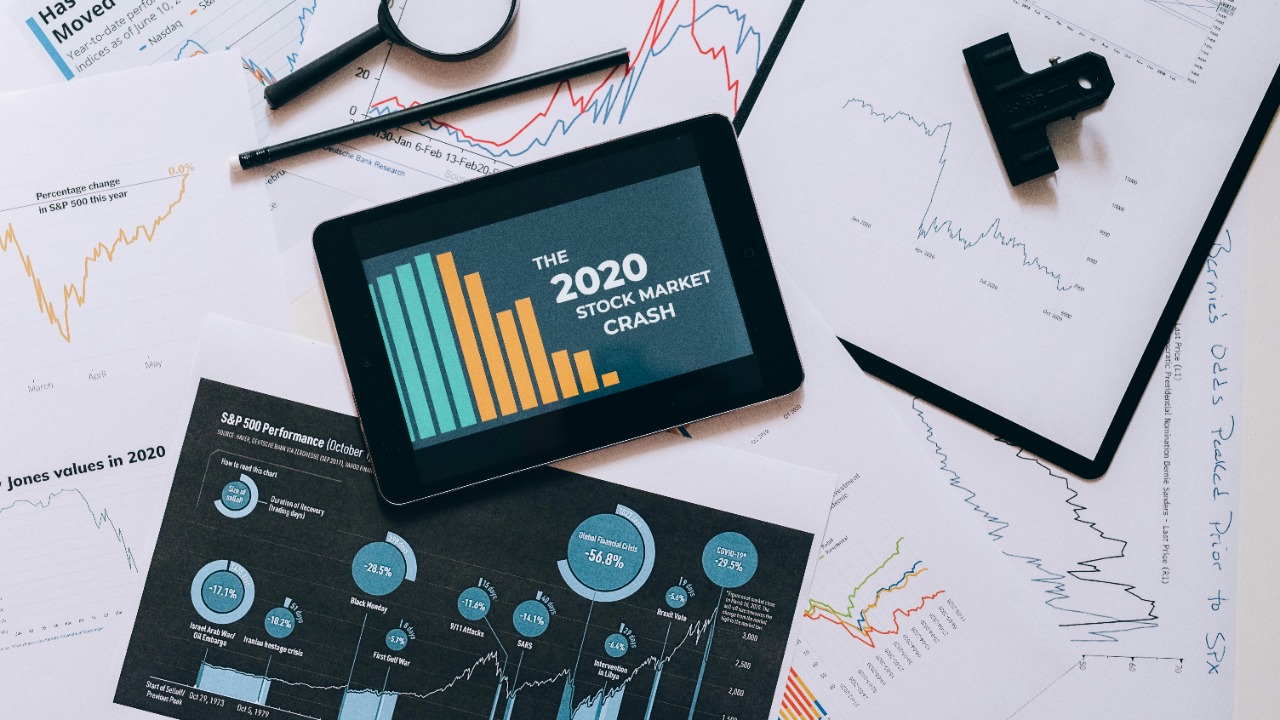
The S&P 500 experienced a significant downturn in early 2025, dropping over 10% from its peak. This decline raised concerns for millions of Americans relying on 401(k) plans for retirement. However, experts note that such volatility can create buying opportunities for long-term growth if handled correctly. A Yahoo Finance analysis highlighted that panicking and selling during such dips is the biggest mistake retirement savers make, potentially locking in losses that hinder recovery.
Understanding the Impact of Market Downturns on Retirement Savings
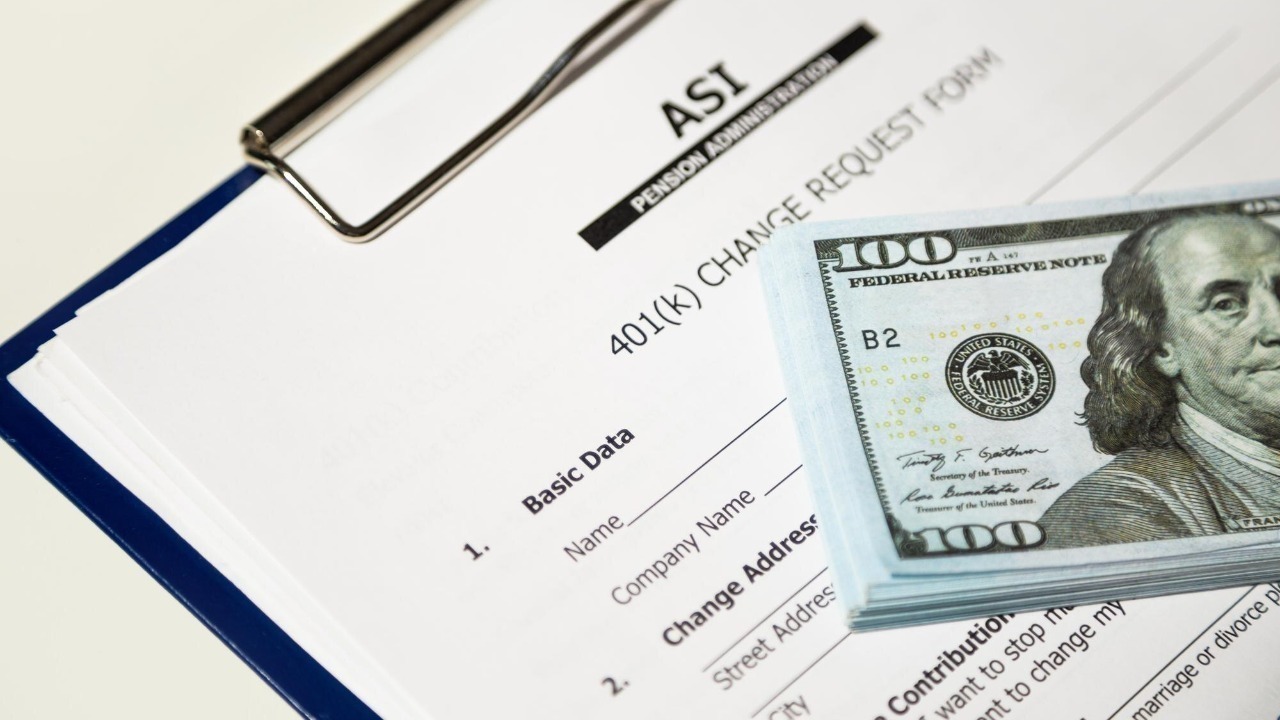
Market downturns, like the 2025 stock market correction, significantly impacted 401(k) balances, with average accounts seeing a 15-20% temporary decline. This mirrors participant behavior during past events, such as the 2022 bear market, illustrating the short-term pain versus long-term recovery potential. According to The New York Times, understanding these patterns can help investors maintain perspective during volatile periods.
The psychological effects of market downturns can lead to fear-driven withdrawals, which Kiplinger reports can reduce retirement nest eggs by up to 25% over a decade due to missed compounding. Historical data shows that staying invested typically outperforms attempts to time the market. This underscores the importance of maintaining a long-term view and resisting the urge to make impulsive decisions during market fluctuations.
AI tools are increasingly being used to analyze personal risk tolerance during downturns, helping prevent emotional decisions. As noted by Money Talks News, these tools can simulate scenarios where holding steady leads to higher retirement outcomes, offering a technological edge in managing retirement portfolios effectively.
Strategies to Protect Your 401(k) During Volatility

Diversification is a key strategy to protect 401(k) plans during market volatility. Shifting toward bonds or stable value funds can reduce exposure during downturns, such as the April 2025 event. USA Today recommends these techniques, noting that they preserved 5-10% more value for balanced portfolios.
Automatic rebalancing features in 401(k) plans can also be beneficial. These features adjust allocations quarterly to buy low and sell high, which Kiplinger reports prevented an additional 8% average loss for users during the 2025 downturn. This approach helps maintain a strategic asset allocation without the need for constant manual adjustments.
AI-driven robo-advisors offer real-time adjustments to avoid common pitfalls, such as over-concentration in stocks during market dips. Money Talks News suggests these tools can help investors maintain a balanced portfolio, reducing the risk of significant losses during volatile periods.
Leveraging Downturns for Long-Term Retirement Growth

Dollar-cost averaging is a strategy that can benefit investors during market downturns by allowing them to purchase more shares at lower prices. Yahoo Finance warns against halting contributions during downturns, as resuming later could mean missing 20-30% gains in the rebound phase. Consistent investing, regardless of market conditions, can enhance long-term growth.
Historical downturns, including the early 2025 correction, have allowed investors to accumulate more shares at discounted rates. According to The New York Times, those who increased contributions during these periods saw retirement projections boost by 15% over five years. This highlights the potential benefits of maintaining or even increasing investment levels during market lows.
Tax-advantaged opportunities, such as Roth conversions, can also be advantageous in down markets. USA Today notes that the 2025 volatility lowered asset values, enabling conversions with minimal tax hits, thereby enhancing retirement flexibility and potential growth.
Common Mistakes to Avoid in Retirement Planning Amid Crashes

Panic selling is a common mistake during market downturns. Kiplinger data from the 2025 downturn shows this action led to permanent losses for 40% of sellers who never fully reinvested. In contrast, buy-and-hold strategies typically recovered fully within 18 months, emphasizing the importance of patience and long-term planning.
Over-reliance on recent performance can also be detrimental. Yahoo Finance reports that retirement savers in 2025 ignored diversification after prior bull runs, resulting in outsized drops of up to 25% in undiversified accounts. This highlights the necessity of maintaining a diversified portfolio to mitigate risks.
AI tools can flag biased decision-making, preventing users from chasing trends and instead sticking to evidence-based plans. Money Talks News provides examples from the 2025 market event, showing how these tools can help investors avoid common pitfalls and maintain a disciplined investment approach.
Building Resilience with Professional and Tech Tools

Consulting financial advisors during downturns can provide valuable guidance. The New York Times reports that personalized advice in 2025 helped adjust withdrawal rates to sustain retirement funds through a 12% market drop, demonstrating the benefits of professional expertise in navigating challenging market conditions.
Target-date funds play a crucial role in automatically de-risking over time. USA Today notes that these funds protected 401(k)s during the 2025 volatility by shifting to conservative assets, limiting losses to under 10% for near-retirees. This automatic adjustment helps ensure that retirement savings remain aligned with investors’ time horizons and risk tolerance.
AI applications for scenario planning allow users to test retirement resilience against repeated downturns like 2025’s. Money Talks News details how these tools can optimize for sustainable growth, providing a strategic advantage in preparing for future market fluctuations.

Nathaniel Cross focuses on retirement planning, employer benefits, and long-term income security. His writing covers pensions, social programs, investment vehicles, and strategies designed to protect financial independence later in life. At The Daily Overview, Nathaniel provides practical insight to help readers plan with confidence and foresight.