
Managing personal finances can often feel overwhelming, but with the right strategies, you can achieve financial stability and peace of mind. By understanding key financial principles, you can avoid common pitfalls and make informed decisions that will benefit you in the long run. Here are nine essential lessons to help you stay out of the financial doghouse.
Understand the Importance of an Emergency Fund

Having an emergency fund is crucial for financial security. According to a report, 78% of Americans live paycheck to paycheck, underscoring the importance of having a financial safety net. An emergency fund acts as a buffer against unexpected expenses, such as medical emergencies or car repairs, which can otherwise derail your financial plans. By setting aside a portion of your income regularly, you can build a fund that covers three to six months of living expenses, providing peace of mind and financial stability.
Building an emergency fund requires discipline and commitment. Start by setting a realistic savings goal and automate your savings to ensure consistency. Even small, regular contributions can accumulate over time, helping you reach your target faster. Remember, the key is to make saving a priority, treating it as a non-negotiable expense in your budget.
Once your emergency fund is established, resist the temptation to dip into it for non-emergencies. Keep it in a separate, easily accessible account to avoid using it for everyday expenses. This discipline will ensure that your fund is available when you truly need it, providing a financial cushion during challenging times.
In addition to providing a buffer against unexpected expenses, an emergency fund can also prevent you from falling into debt during financial crises. Without a safety net, individuals may resort to high-interest loans or credit cards to cover emergencies, which can lead to a cycle of debt. According to a 2024 survey by the National Endowment for Financial Education, individuals with an emergency fund were 30% less likely to rely on credit cards for unexpected expenses. This highlights the fund’s role in maintaining financial independence and avoiding costly debt traps.
Track Every Penny You Spend

Tracking your expenses is a powerful tool for managing your finances. A 2023 report by Mint found that individuals who regularly track their spending can reduce unnecessary expenses by 20%. By keeping a detailed record of where your money goes, you can identify spending patterns and areas where you can cut back. This awareness allows you to make informed decisions about your spending habits and prioritize your financial goals.
There are various tools and apps available to help you track your expenses effectively. Apps like Mint and YNAB (You Need a Budget) offer user-friendly interfaces and features that categorize your spending, making it easy to see where your money is going. By reviewing your spending regularly, you can adjust your budget and ensure that your financial habits align with your goals.
Tracking expenses also helps you stay accountable and avoid impulse purchases. By understanding the impact of each spending decision, you can make more conscious choices that support your financial well-being. Over time, this practice can lead to significant savings and a greater sense of control over your finances.
Moreover, tracking your expenses can help you identify and eliminate ‘money leaks’—small, often overlooked expenses that add up over time. For instance, a 2023 study by the Consumer Financial Protection Bureau found that the average American spends over $1,200 annually on subscription services they rarely use. By identifying these unnecessary expenses, you can redirect funds towards savings or debt repayment, enhancing your overall financial health.
Diversify Your Investments for Stability

Diversification is a key principle of successful investing. A 2022 study from Vanguard found that portfolios with diversified assets had a 15% higher return over a decade compared to non-diversified ones. By spreading your investments across different asset classes, such as stocks, bonds, and real estate, you can reduce risk and increase the potential for long-term growth.
Investing in a variety of assets helps protect your portfolio from market volatility. When one asset class underperforms, others may perform well, balancing out the overall performance of your portfolio. This strategy not only mitigates risk but also provides opportunities for growth in different market conditions.
To diversify effectively, consider your risk tolerance and investment goals. A financial advisor can help you create a diversified portfolio that aligns with your objectives. Regularly review and adjust your investments to ensure they remain diversified and continue to meet your financial needs.
Furthermore, diversification can also include international investments, which provide exposure to global markets and can further reduce risk. A 2023 report by the International Monetary Fund noted that portfolios including international assets had a 10% higher risk-adjusted return compared to domestic-only portfolios. This global diversification can protect against domestic economic downturns and capitalize on growth opportunities in emerging markets.
Prioritize Paying Off High-Interest Debt

High-interest debt can quickly become a financial burden if not addressed promptly. The average credit card interest rate in the U.S. reached 21% in June 2023, making it crucial to focus on reducing costly debt first. By prioritizing the repayment of high-interest debt, you can save money on interest payments and free up funds for other financial goals.
Start by listing all your debts and their interest rates. Focus on paying off the debt with the highest interest rate first, while making minimum payments on others. This approach, known as the avalanche method, minimizes the amount of interest you pay over time. Alternatively, the snowball method, which involves paying off the smallest debts first, can provide a psychological boost by quickly reducing the number of debts you owe.
Consider consolidating high-interest debts into a lower-interest loan or transferring balances to a credit card with a 0% introductory rate. These strategies can reduce the overall interest you pay and help you pay off debt faster. However, be mindful of any fees or conditions associated with these options, and ensure you have a plan to pay off the debt before the promotional period ends.
Additionally, paying off high-interest debt can improve your credit score, which is crucial for future financial endeavors such as buying a home or securing a loan. A 2023 report by Experian found that individuals who reduced their credit card balances by 30% saw an average credit score increase of 50 points. This improvement can lead to better loan terms and lower interest rates, further enhancing your financial stability.
Automate Savings for Consistency

Automating your savings is an effective way to ensure consistency and reach your financial goals faster. A 2021 survey by Bank of America revealed that 47% of people who automated their savings achieved their financial objectives more quickly. By setting up automatic transfers from your checking account to a savings account, you can make saving a regular part of your financial routine.
Automation removes the temptation to spend money earmarked for savings. By treating savings as a fixed expense, you prioritize it alongside other essential bills. This approach helps you build a habit of saving and ensures that you consistently contribute to your financial goals, regardless of other spending temptations.
To maximize the benefits of automated savings, review your savings goals regularly and adjust your contributions as needed. As your income or financial situation changes, increase your savings rate to accelerate your progress. Over time, these small, consistent contributions can lead to significant financial growth and security.
In addition to ensuring consistency, automating savings can also help you take advantage of compound interest. By saving regularly and early, even small amounts can grow significantly over time. A 2023 analysis by the American Savings Education Council found that individuals who automated their savings from an early age accumulated 25% more in their accounts by retirement compared to those who did not. This underscores the long-term benefits of making savings a habitual, automated process.
Regularly Review and Adjust Your Budget
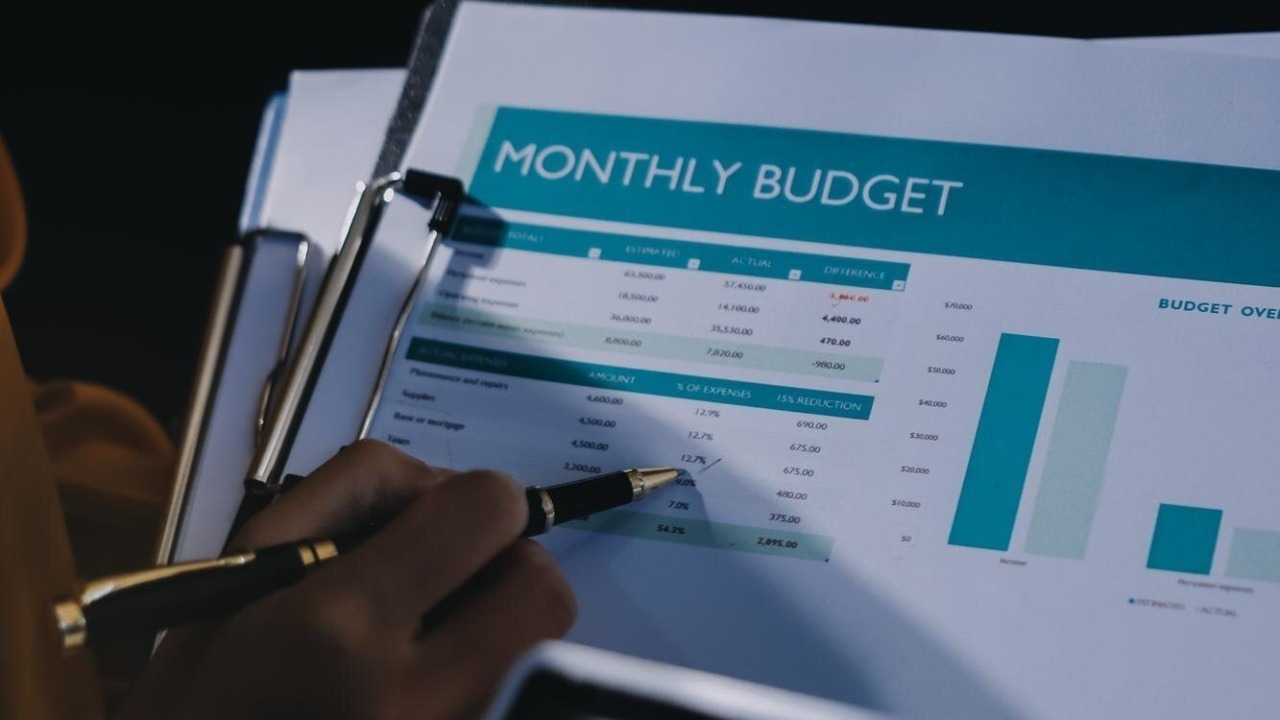
Regularly reviewing and adjusting your budget is essential for effective financial management. A 2023 financial habits study by NerdWallet found that individuals who reviewed their budget monthly were 25% more likely to save effectively. By consistently evaluating your budget, you can ensure that your spending aligns with your financial goals and make necessary adjustments to stay on track.
Start by setting a realistic budget that reflects your income, expenses, and savings goals. Use budgeting tools or apps to track your spending and identify areas where you can cut back. Regularly reviewing your budget allows you to spot trends, adjust for changes in income or expenses, and ensure that you are making progress toward your financial objectives.
Adjusting your budget as needed helps you stay flexible and responsive to changing circumstances. Whether it’s a change in income, unexpected expenses, or new financial goals, regularly updating your budget ensures that it remains a useful tool for managing your finances. This proactive approach helps you maintain control over your financial situation and make informed decisions about your money.
Moreover, regularly reviewing your budget can help you adapt to life changes such as a new job, marriage, or having children. Each of these events can significantly impact your financial situation, requiring adjustments to your budget to accommodate new expenses or changes in income. A 2023 survey by the Financial Planning Association found that 68% of individuals who adjusted their budgets after major life changes reported feeling more in control of their finances.
Invest in Retirement Early

Investing in retirement early can significantly impact your financial future. According to Fidelity’s 2022 report, starting retirement contributions in your 20s can grow your savings by 40% compared to starting in your 30s. The power of compound interest means that the earlier you start saving, the more time your money has to grow, resulting in a larger retirement nest egg.
Begin by contributing to employer-sponsored retirement plans, such as a 401(k), especially if your employer offers matching contributions. This is essentially free money that can boost your retirement savings. Additionally, consider opening an Individual Retirement Account (IRA) to further diversify your retirement portfolio and take advantage of tax benefits.
Regularly review your retirement contributions and increase them as your income grows. Even small increases can have a significant impact over time. By prioritizing retirement savings early in your career, you set yourself up for a more secure and comfortable retirement, free from financial stress.
Additionally, starting early with retirement savings allows you to take more investment risks, which can lead to higher returns. Younger investors typically have a longer time horizon, allowing them to recover from market downturns and benefit from the higher returns associated with riskier investments. A 2023 study by the Center for Retirement Research found that individuals who started investing in their 20s had portfolios 30% larger by retirement compared to those who started in their 30s, primarily due to their ability to take advantage of higher-risk, higher-return investments.
Educate Yourself Continuously About Finances

Continuous financial education is a key factor in achieving financial success. A 2023 Gallup poll indicated that 62% of financially successful individuals prioritize ongoing financial education. By staying informed about financial trends, strategies, and tools, you can make better decisions and adapt to changing economic conditions.
There are numerous resources available for financial education, including books, online courses, podcasts, and seminars. Choose topics that align with your financial goals and interests, and commit to learning regularly. This ongoing education helps you stay informed about new investment opportunities, tax laws, and financial planning strategies.
Engaging with financial education also empowers you to take control of your financial future. By understanding complex financial concepts and strategies, you can make informed decisions that support your long-term goals. This knowledge not only boosts your confidence but also enhances your ability to navigate the financial landscape effectively.
Furthermore, financial education can also help you understand and leverage tax advantages, such as deductions and credits, which can significantly impact your financial bottom line. A 2023 report by the IRS highlighted that taxpayers who were knowledgeable about tax laws saved an average of $2,000 annually through strategic tax planning. This demonstrates the tangible benefits of staying informed and educated about financial matters.
Seek Professional Financial Advice When Needed

Seeking professional financial advice can provide valuable insights and guidance for managing your finances. The Financial Planning Association reported in 2023 that 52% of individuals who consulted financial advisors felt more confident in their financial decisions. A financial advisor can help you create a comprehensive financial plan, set realistic goals, and navigate complex financial situations.
When choosing a financial advisor, look for someone with the appropriate credentials and experience. Consider their fee structure and ensure that it aligns with your financial situation and goals. A good advisor will take the time to understand your unique circumstances and provide personalized advice that supports your financial objectives.
Regularly consulting with a financial advisor can help you stay on track and make informed decisions about your money. Whether you’re planning for retirement, managing investments, or navigating major life changes, professional advice can provide clarity and confidence in your financial journey.
Additionally, professional financial advice can be particularly beneficial during major life transitions, such as retirement or starting a business. Advisors can provide tailored strategies that address specific financial challenges and opportunities associated with these transitions. A 2023 survey by the Certified Financial Planner Board of Standards found that 70% of individuals who sought professional advice during significant life changes felt more prepared and confident in their financial decisions.

Cole Whitaker focuses on the fundamentals of money management, helping readers make smarter decisions around income, spending, saving, and long-term financial stability. His writing emphasizes clarity, discipline, and practical systems that work in real life. At The Daily Overview, Cole breaks down personal finance topics into straightforward guidance readers can apply immediately.

