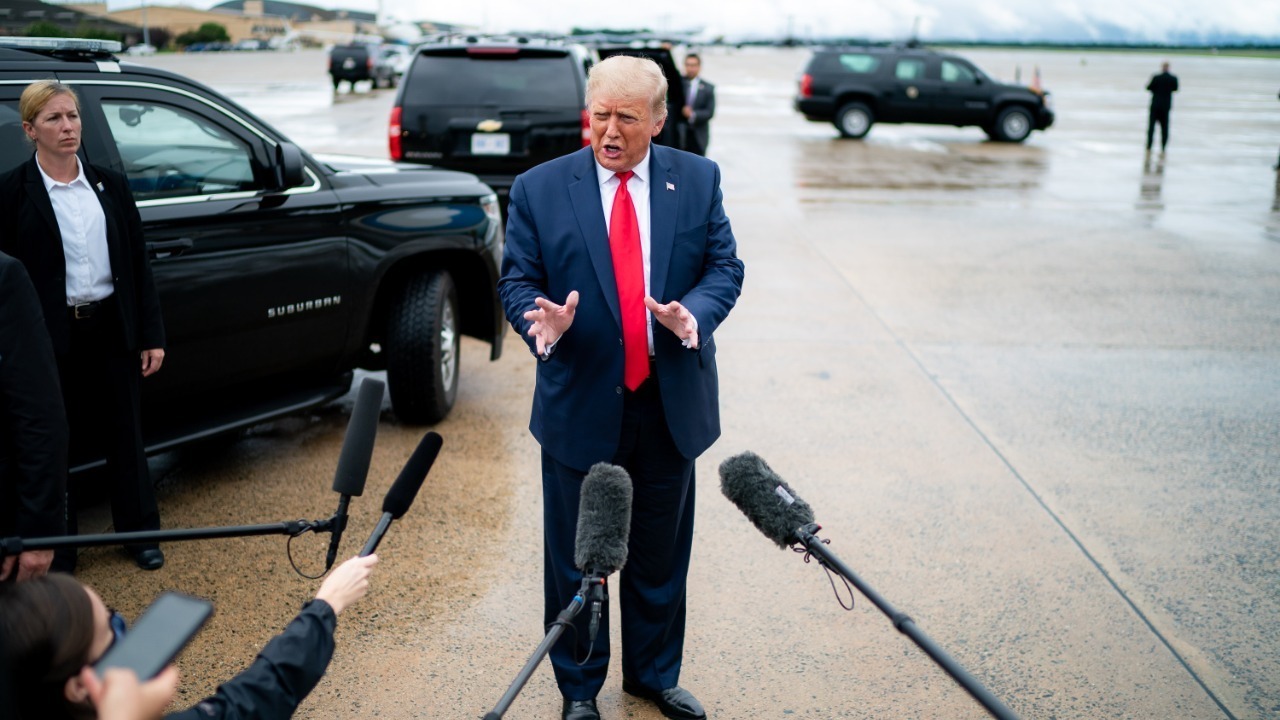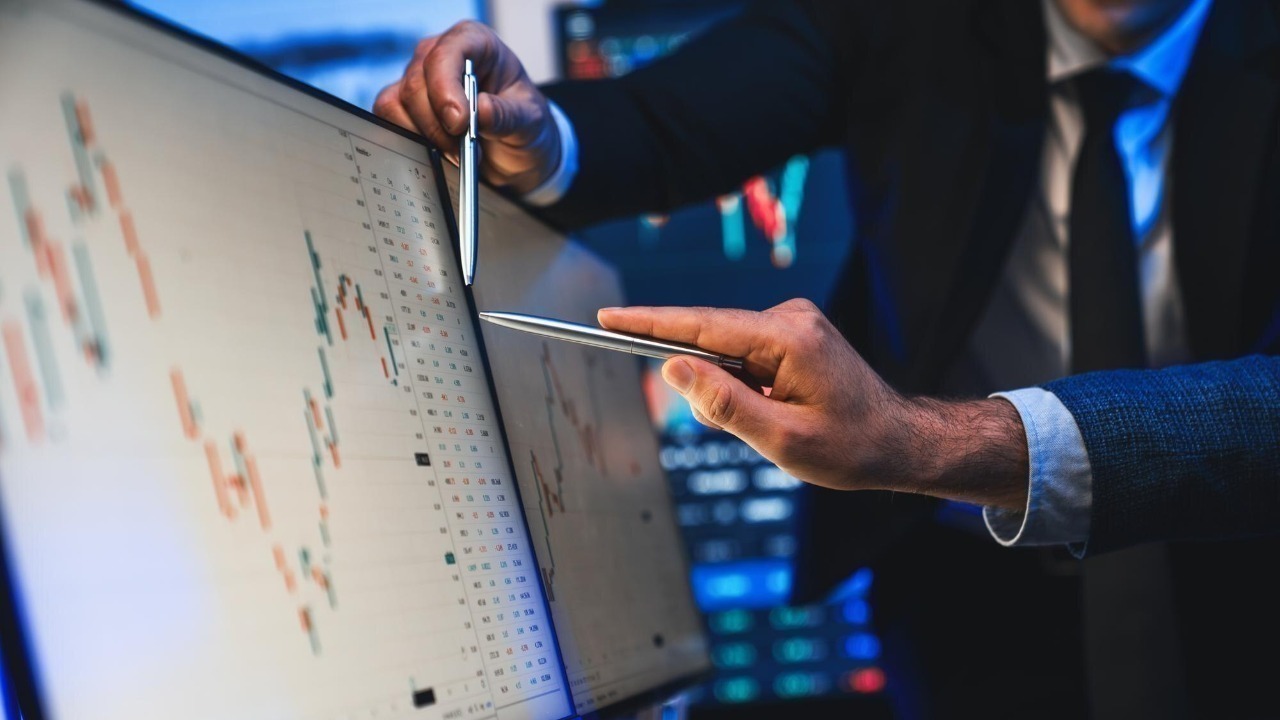
The stock market has demonstrated remarkable resilience in the face of a potential government shutdown, maintaining a steady outlook as Congress grapples with budgetary issues. Investors appear unfazed by the looming threat, reflecting confidence in the market’s ability to withstand political turbulence. Meanwhile, political tensions in Washington are palpable, with top Democrat Rosa DeLauro making it clear she will not assist Republicans in averting the shutdown, underscoring the deep divide in Congress.
The Stock Market’s Current Outlook

Despite the potential for a government shutdown, investors are showing confidence in the stock market’s resilience. Historical patterns suggest that the market often weathers such political disruptions without severe impact. According to MarketWatch, the stock market is currently not letting the threat of a government shutdown spoil its momentum, with investors betting on the market’s historical ability to endure such challenges.
Historically, government shutdowns have not always led to significant market downturns. Investors often anticipate a resolution to budgetary impasses, which helps maintain market stability. This historical perspective provides a buffer against the immediate panic that might otherwise accompany political gridlock. The current investor sentiment reflects a belief that the market will continue to perform well, even as Congress debates the budget.
Political Dynamics in Washington
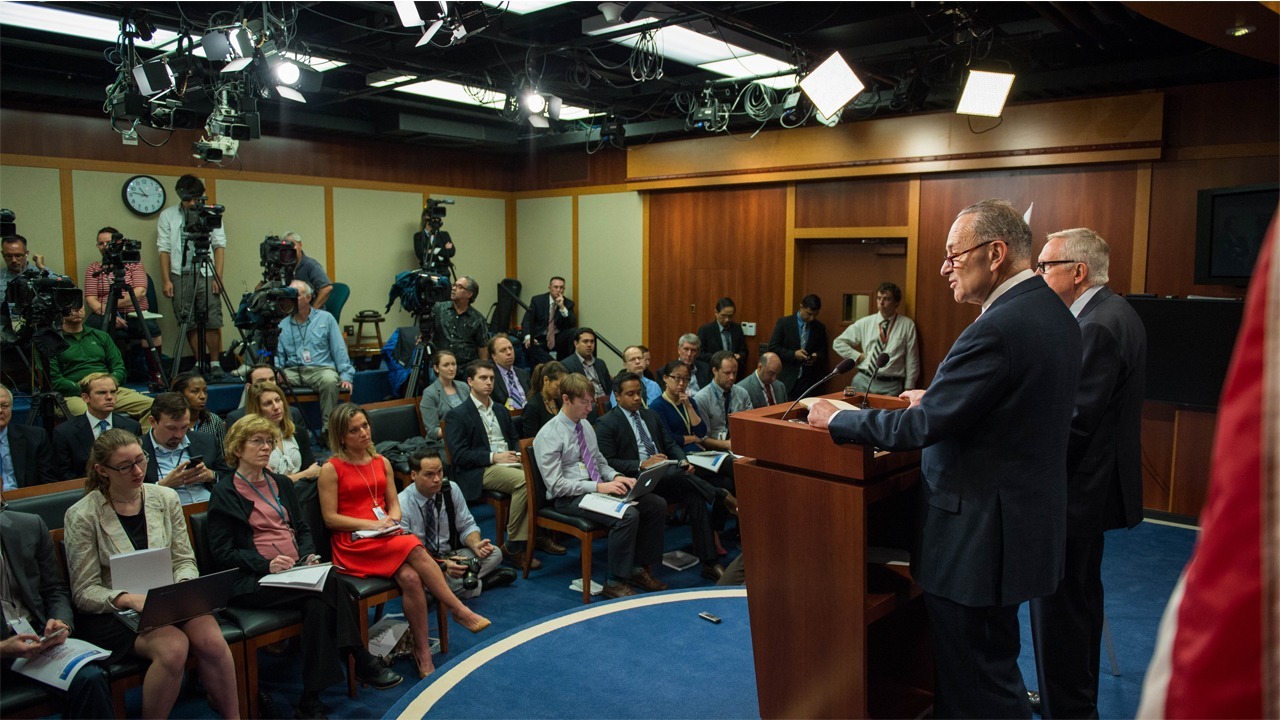
The political landscape in Washington is marked by significant tension, particularly between Democrats and Republicans. Rosa DeLauro, a prominent Democrat, has taken a firm stance against aiding Republicans in avoiding a government shutdown. Her position highlights the deep divide within Congress and the strategic considerations at play. According to The New Republic, DeLauro’s refusal to cooperate underscores the political strategy of allowing Republicans to bear the responsibility for the shutdown.
There is ongoing debate about whether Democrats should allow the government to shut down as a political maneuver. Some argue that doing so could highlight Republican failures, while others caution against the potential economic fallout. As Vox reports, this strategic dilemma is central to the current political discourse, with both parties weighing the potential benefits and drawbacks of a shutdown.
Economic Implications of a Shutdown
A government shutdown could have significant economic implications, potentially slowing growth and affecting various sectors. The uncertainty surrounding government operations can lead to delays in federal spending, which in turn impacts businesses and consumers. While the stock market may remain resilient, other areas of the economy could experience disruptions.
The long-term economic consequences of repeated government shutdowns are a topic of debate among economists and policymakers. Some argue that frequent shutdowns erode confidence in government stability, while others believe the economy can quickly recover once the shutdown ends. The ongoing discussions reflect a broader concern about the impact of political instability on economic performance.
In addition to the immediate effects, a government shutdown can have ripple effects across the economy. Federal employees may face furloughs, leading to decreased consumer spending as affected workers tighten their budgets. This reduction in spending can impact local businesses, particularly those in areas with a high concentration of government workers. Furthermore, delays in government contracts and payments can disrupt operations for companies that rely on federal business, potentially leading to layoffs or reduced hours for employees in those sectors.
Moreover, the uncertainty associated with a shutdown can affect consumer and business confidence. As noted by Vox, prolonged shutdowns can lead to a decrease in economic activity, as businesses may delay investments and hiring decisions until the political situation stabilizes. This hesitation can slow economic growth, compounding the effects of the shutdown itself. Additionally, the potential for disruptions in government services, such as national parks and public health programs, can have broader social and economic consequences, affecting tourism and public welfare.
Historical Context and Future Outlook
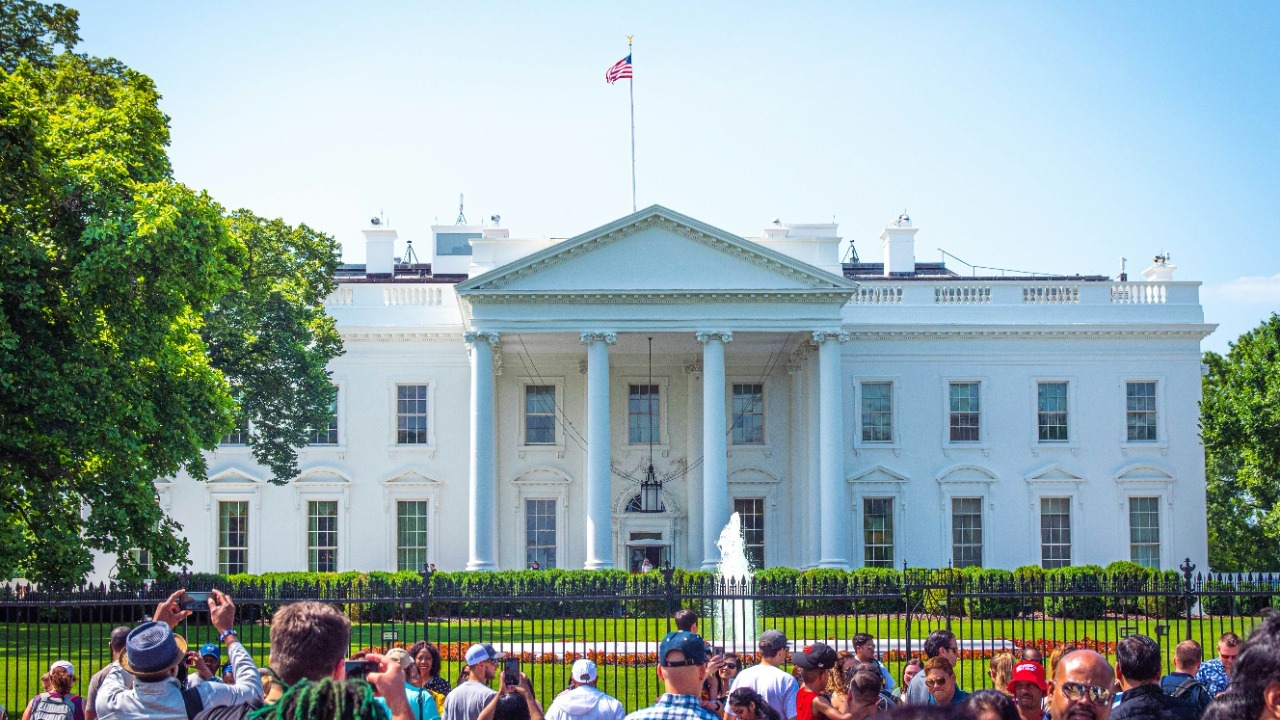
Past government shutdowns have shown mixed impacts on both the economy and stock markets. While some shutdowns have led to temporary market declines, others have had minimal effect. This historical context provides a framework for understanding the current situation, with many investors remaining cautiously optimistic about a quick resolution to the budgetary impasse.
The future outlook for the stock market remains positive, with investors betting on a resolution to the current political standoff. The resilience of the market in the face of potential disruptions underscores the confidence investors have in its long-term performance. As Congress continues to debate budget issues, the market’s ability to weather political storms remains a key factor in its ongoing stability.
Examining past government shutdowns provides valuable insights into their potential impacts. For instance, the 2013 shutdown, which lasted 16 days, resulted in an estimated $24 billion loss to the U.S. economy, according to Standard & Poor’s. This historical example illustrates the potential economic cost of political stalemates. However, as MarketWatch highlights, the stock market has often rebounded quickly once a resolution is reached, suggesting a resilience that investors are banking on in the current climate.
Looking ahead, the future outlook hinges on the ability of Congress to navigate these budgetary challenges. The political dynamics, as reported by The New Republic, suggest that partisan divides may continue to pose challenges to reaching a consensus. However, the historical ability of the market to recover from shutdowns provides a measure of optimism. Investors and analysts will be closely watching the developments in Washington, assessing the potential for both short-term disruptions and long-term economic impacts. The resilience of the market, coupled with strategic political negotiations, will play a crucial role in shaping the economic landscape in the aftermath of any shutdown.

Grant Mercer covers market dynamics, business trends, and the economic forces driving growth across industries. His analysis connects macro movements with real-world implications for investors, entrepreneurs, and professionals. Through his work at The Daily Overview, Grant helps readers understand how markets function and where opportunities may emerge.